

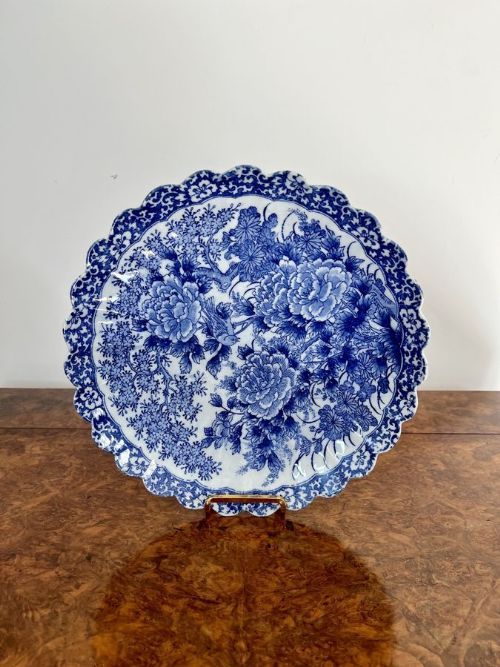


Antique Japanese China Dishes
These antique japanese china dishes span centuries of porcelain craft, offering intricate hand-painted designs that transform everyday surfaces into historic works of art.
Antique Japanese China Dishes
When searching for antique japanese china dishes, buyers encounter a rich assortment of decorative plates, bowls, and serving trays originating from periods ranging from the seventeenth century through to the early twentieth century.
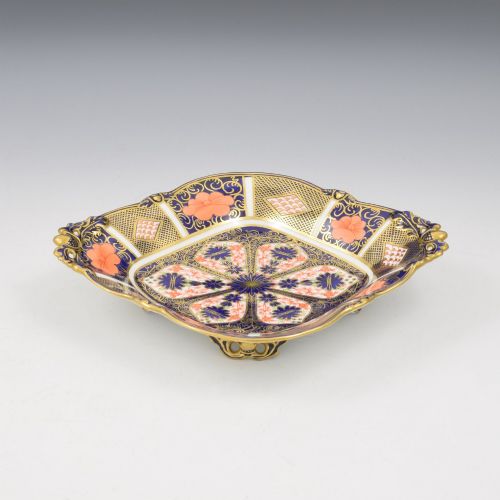
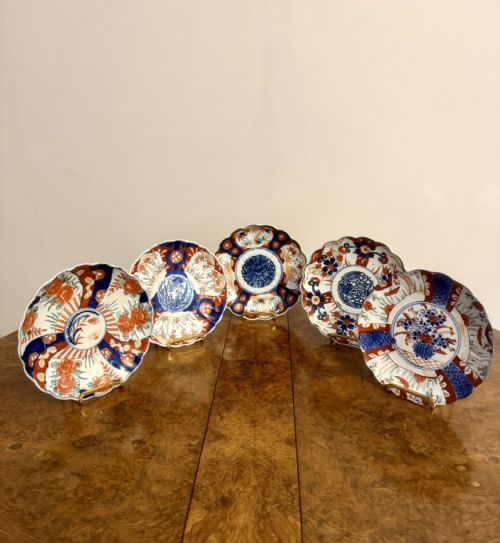
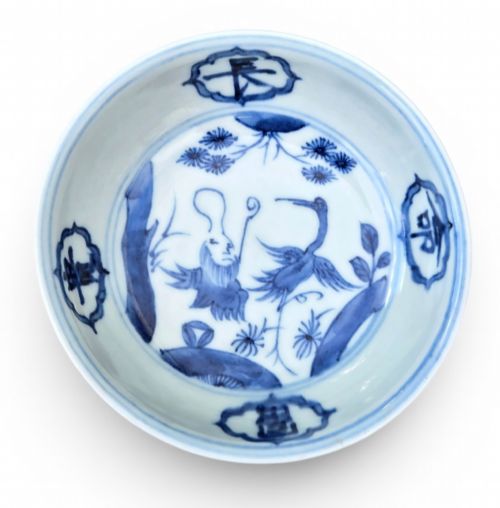
The selections most commonly found here feature traditional Japanese Imari styles and blue and white designs from the nineteenth century and the nineteen hundreds, alongside pieces reflecting later Japanese Edo and Meiji aesthetics.
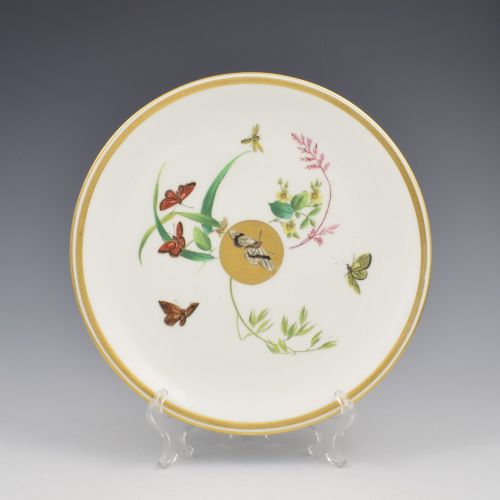
Objects vary widely in form, from large display chargers and scallop-edge bowls to ribbon plates and specialised tableware sets housed in storage boxes.
Materials and production methods
Potters shaped these objects primarily from porcelain and ceramic bodies, applying cobalt glaze and colourful enamel to achieve deep blue tones and vibrant surface contrasts.
Many items incorporate gilt, gold leaf, and intricate hand-painted motifs that highlight the distinct technical skill of Arita kilns and traditional Japanese workshops.
Listings feature items from the seventeenth, eighteenth, and nineteenth centuries, alongside pieces dated to nineteen hundred and the nineteen twenties.
Distinctions in quality
Quality rests in the precision of the hand-painted brushwork, the depth and clarity of the cobalt glaze, and the preservation of delicate gold leaf details across the surface.
Subtleties in the ceramic body, the crispness of scalloped or ribbon edges, and the overall harmony of the Imari palette separate standard decorative wares from exceptional collector pieces.
Royal Crown Derby·Minton·Meissen·Bow
The Antique Japanese China Dishes Glossary
- Imari
- A style of Japanese porcelain decorated in underglaze blue, iron red, and gold, named after the port from which these wares were shipped to Europe.
- Arita
- A Japanese town and surrounding region famous as the cradle of Japanese porcelain production, known for fine ceramic craftsmanship.
- Mukozuke
- A type of small Japanese dish traditionally used to hold food courses during a formal meal or tea ceremony.
- Gilt
- A thin layer of gold applied to the surface of porcelain or ceramic dishes to accentuate decorative borders and motifs.
Antique Japanese China Dishes: Frequently Asked Questions
How do I identify Imari china?
Imari pieces typically display a distinctive colour palette combining underglaze blue, iron red, and supplementary gold leaf or gilt details.
Designs frequently incorporate floral motifs, panels, and intricate geometric patterns characteristic of traditional Japanese production.
What is Arita porcelain?
Arita porcelain refers to ceramic wares produced in the Hizen province of Japan around the town of Arita, recognised as the birthplace of Japanese porcelain.
These pieces often feature refined blue and white decoration or polychrome enamels created for both domestic use and export.
How were these dishes used historically?
Many of these items served practical dining functions, ranging from tableware sets and butter dishes to large chargers used for fruit display.
Others functioned purely as decorative plates and shallow dishes intended for display within traditional interiors.
How should I care for antique ceramic dishes?
Gentle hand washing in lukewarm water with mild soap protects the fragile glazes, enamel decorations, and gold leaf applications.
Avoiding abrasive sponges and harsh detergents preserves the historic surface finish of antique porcelain and ceramic items.