



Antique Italian Wall Applique
These antique italian wall applique selections bring dramatic illumination and historic craftsmanship to interiors.
Antique Italian Wall Applique
An antique italian wall applique functions as a decorative mounted light fitting or bracket designed to hold candles or electric bulbs against a vertical surface. Buyers seeking these fixtures encounter pieces spanning from the seventeenth century through to the early twentieth century, reflecting enduring regional craftsmanship.
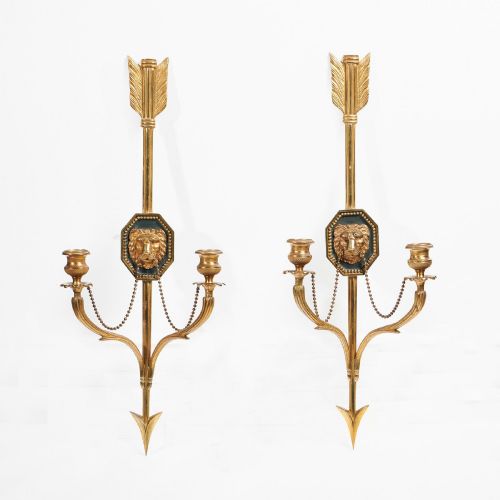
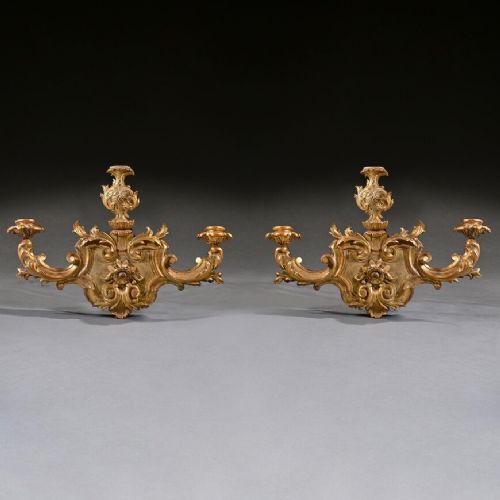
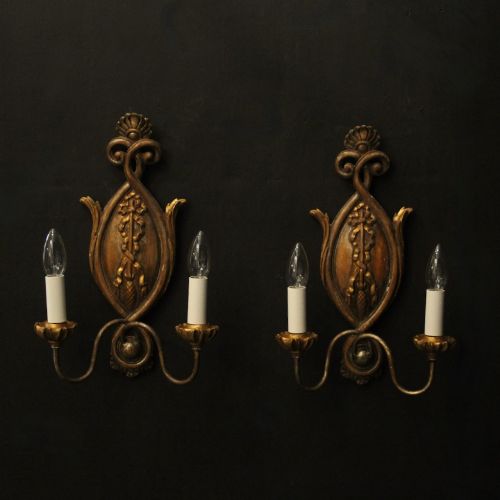
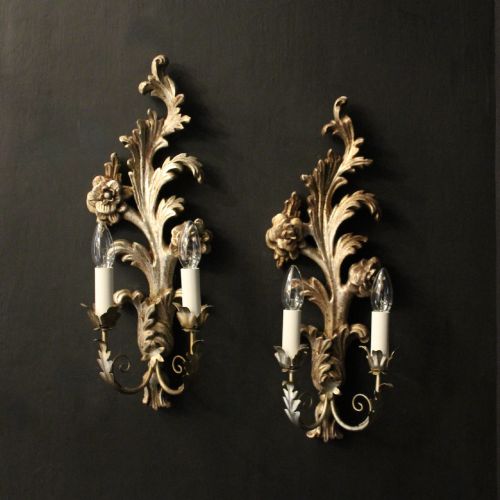
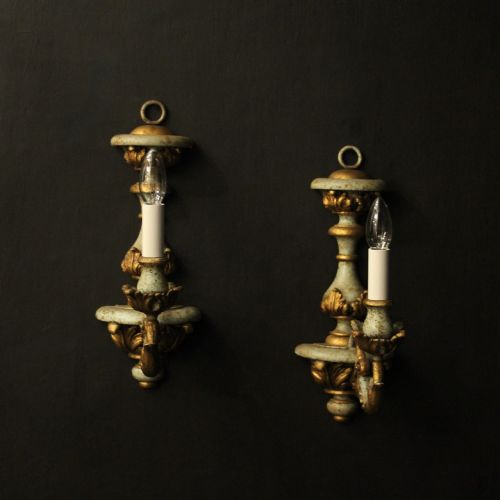
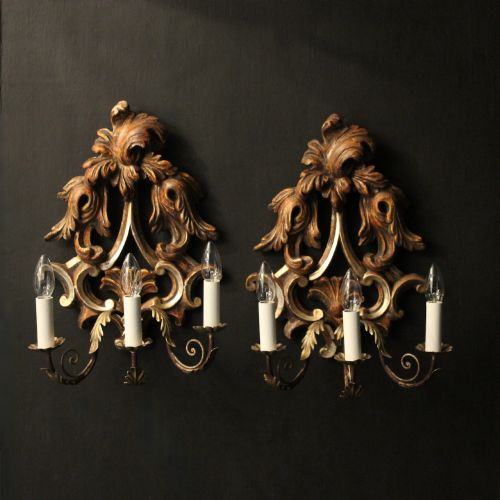
The selections on this page heavily feature Florentine giltwood twin-arm and triple-arm wall lights alongside polychrome wooden designs and grand ormolu brass sconces. Pieces range from simple single-arm brackets to large sets of four branches, originating from periods including the eighteenth century and the 1920s and 1930s.
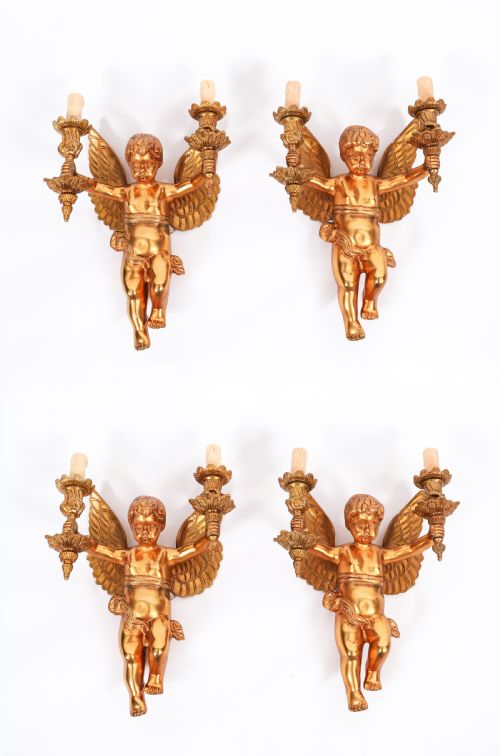
Forms vary from delicate carved wooden scrolls and cherub motifs to structured Neoclassical and French Empire styles. Whether rendered in silver giltwood or dark ebonised wood, each wall light brings distinct architectural presence to an interior space.
Materials and construction methods
Carvers shaped wooden bases from solid timber, applying layers of gesso to create smooth surfaces for subsequent gilding with gold leaf or silver leaf. Artisans also utilised cast bronze and brass for ormolu components, integrating glass elements such as Murano drops where specified.
Polychrome finishes involved hand-applied pigments directly onto carved wooden structures to achieve vibrant colouration. Metal components required casting, chasing, and mounting by hand to secure armatures and candle nozzles firmly to the backplate.
Antique Italian Wall Applique Retail Price Guide 2026
Typical asking prices for italian wall applique among the pieces listed under this phrase on Sellingantiques today, from the lower quarter to the upper quarter. They describe what is for sale here now, not the wider market.
Several surviving wall lights feature hand-carved wooden cherubs keeping watch over centuries of flickering candlelight.
Factors that distinguish quality
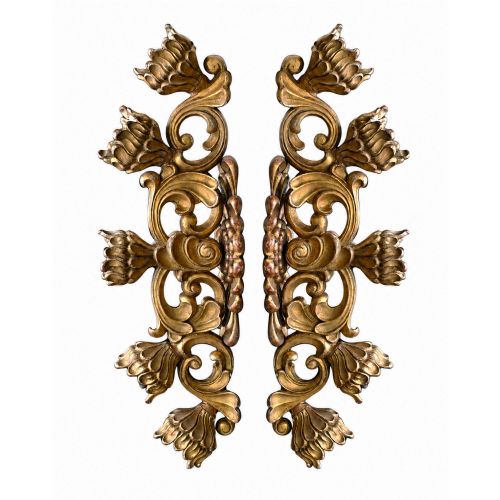
The depth and sharpness of the hand-carving define the sculptural quality of wooden giltwood appliques, distinguishing crisply rendered acanthus leaves and cherubs from softer, worn mouldings. Superior gilding techniques use genuine metal leaf applied over carefully prepared gesso grounds rather than modern metallic paint.
Proportion and structural integrity matter greatly when assessing multi-branch fixtures, where the alignment of the arms and the weight distribution affect how the piece hangs against the wall. Original retaining mechanisms and consistent patination across the surfaces indicate a well-preserved piece.
The Antique Italian Wall Applique Glossary
- Giltwood
- Wood that has been coated with fine gold leaf or metal leaf over a prepared base. This finish provides a luminous surface that catches candlelight.
- Gesso
- A plaster-like mixture applied to carved wood to create a smooth layer for gilding or painting. It allows intricate surface detail to be sculpted.
- Ormolu
- Gilt bronze ornamentation applied to furniture and lighting fixtures. The technique involves coating cast bronze with a mercury and gold amalgam.
- Polychrome
- Painted in several colours. This decorative treatment appears on wooden appliques alongside gilding.
- Sconce
- A wall-mounted lighting fixture designed to hold candles or lamps. Sconces project outward from architectural surfaces to illuminate hallways and rooms.
Antique Italian Wall Applique: Frequently Asked Questions
How do I mount an antique wall applique safely?
Wall appliques require secure fixing directly into wall studs or appropriate masonry anchors to support their weight, especially for larger carved wooden or multi-branch metal pairs.
Consult a professional electrician if the fixtures have been adapted for modern wiring to ensure the internal components meet current safety standards.
Were these wall lights originally meant for candles?
Most antique wall appliques from the seventeenth through to the nineteenth centuries were designed exclusively to hold wax or tallow candles. Metal nozzles and drip pans caught melted wax before it could damage surrounding furnishings.
Many surviving pieces have since been converted to electricity while retaining their original aesthetic form and structural arms.
What is the difference between an applique and a sconce?
The terms are often used interchangeably in the antiques trade to describe wall-mounted light fittings. Applique typically emphasises the decorative flat-backed panel style, whereas sconce refers specifically to the projecting candle bracket.
Both terms describe functional lighting designed to mount directly onto vertical wall surfaces.