


Antique Italian Religious Art
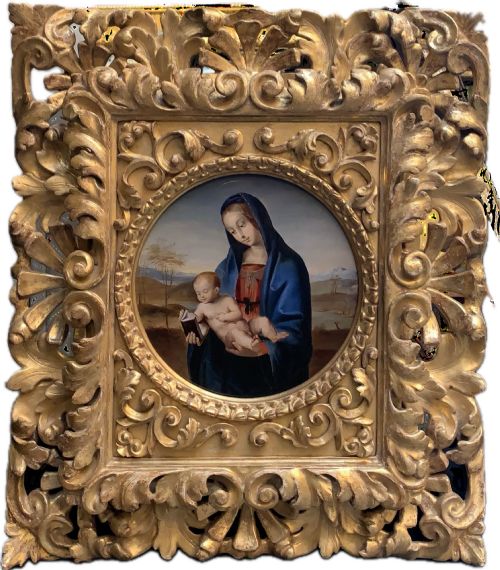
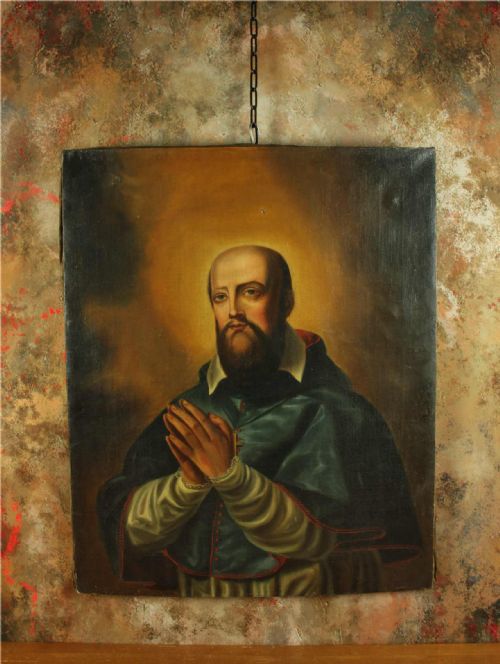
Antique italian religious art brings centuries of devotion into a room through hand-carved wood and oil on canvas.
Antique Italian Religious Art
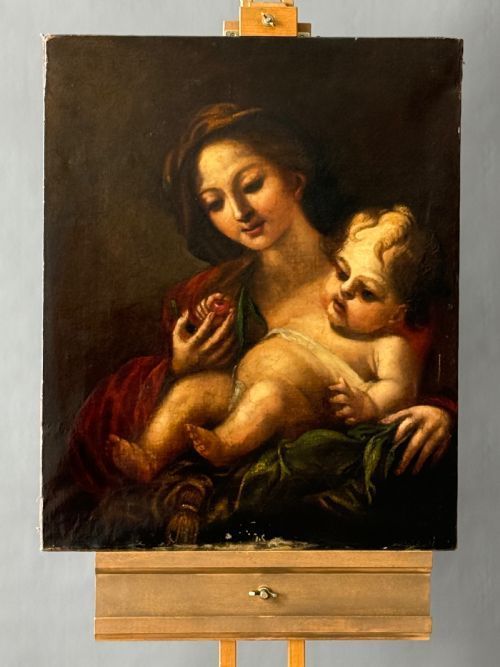
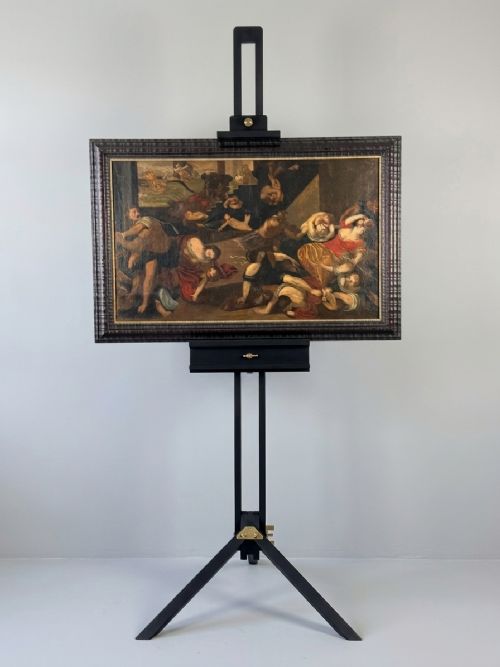
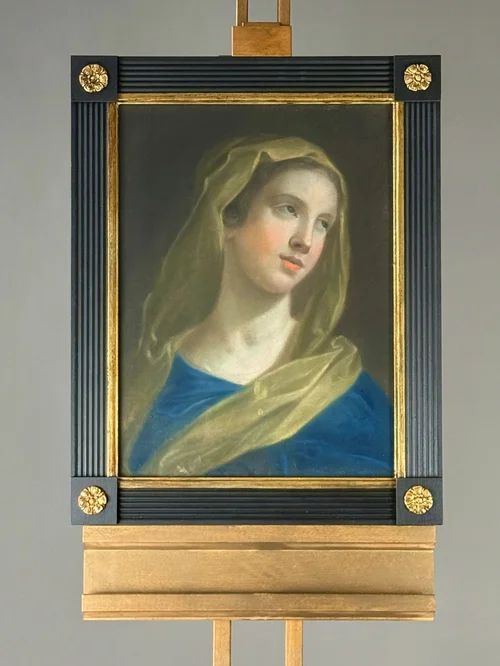
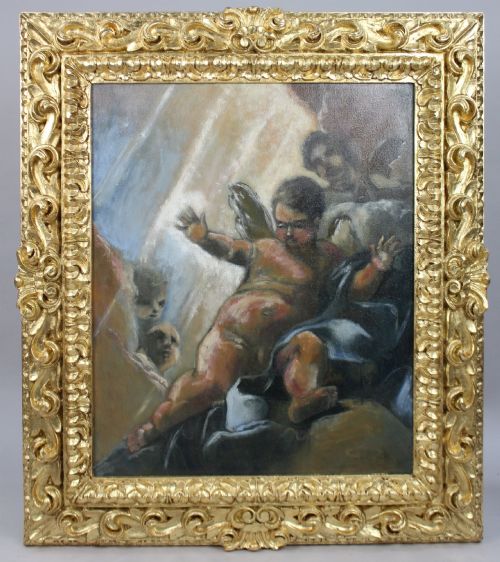
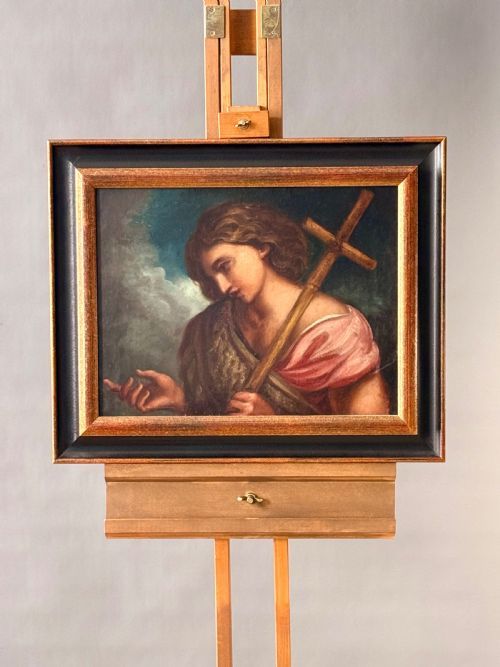
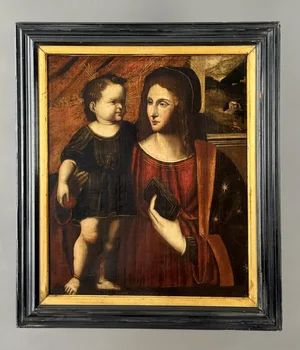
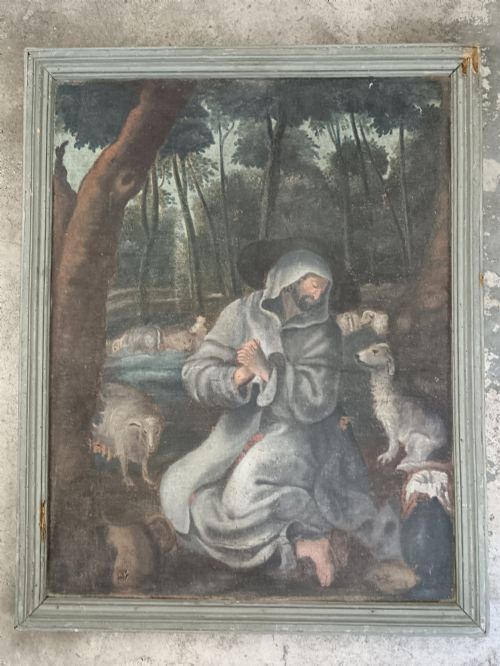
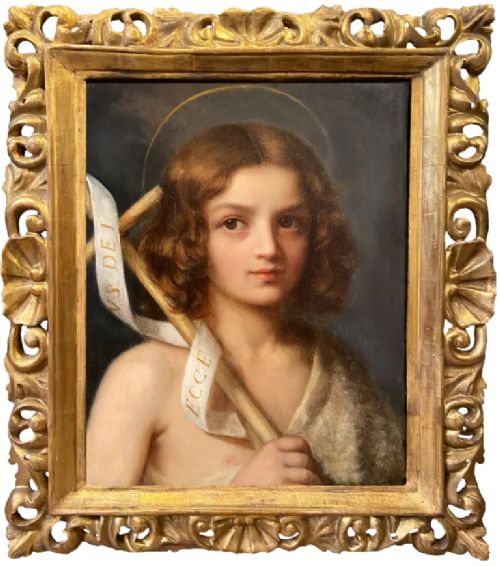
When you search for antique italian religious art, you encounter centuries of sacred expression ranging from small devotional oils to large processional figures. The pieces on this page span several centuries, capturing the spiritual traditions of Italian workshops and regional schools.
The objects reflect distinct regional aesthetics, drawing on traditions from Venetian, Emilian, Romagnola, and Genoese schools. These works bridge high academic artistry and local folk devotion.
Materials and techniques
Makers utilised oil paint on prepared canvas or wood panels, building rich tones through successive glazes and underpaintings. Many canvases are paired with carved giltwood frames that enhance the presence of the artwork.
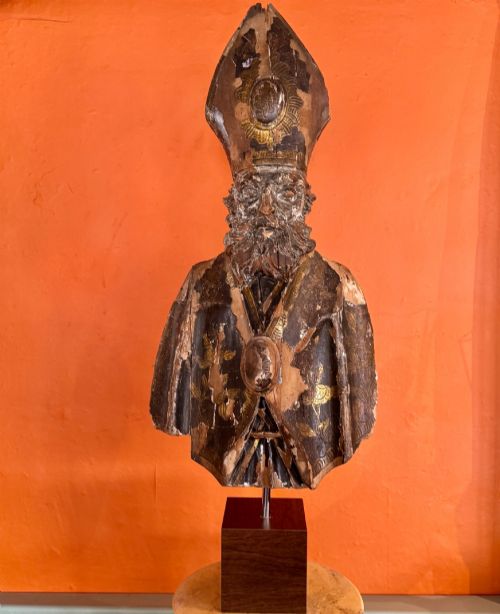
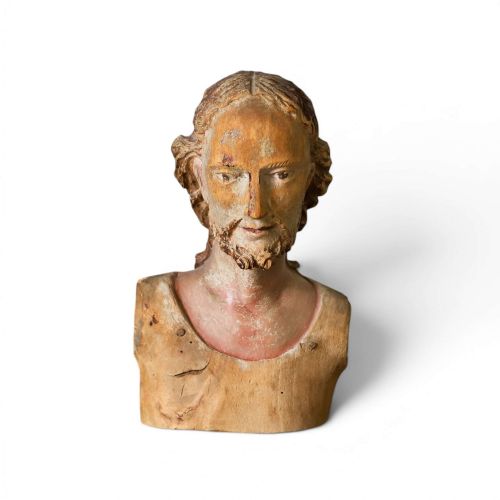
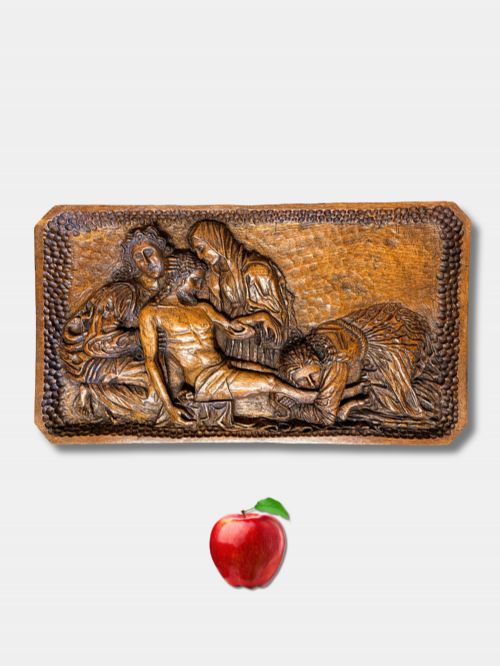
Sculptural works rely on timber such as olive wood or chestnut, hand-carved and often finished with gesso and polychrome paint. Artisans applied gold leaf to highlight halos, garments, and architectural elements in ecclesiastical furnishings.
Several angels appear to be moonlighting from celestial duties to play the lute.
Separating the ordinary from the exceptional
The strength of an oil painting rests in the handling of light, anatomical proportion, and the expressive depth of the figures. Pieces originating directly from recognised regional schools or close followers of master painters command greater artistic interest.
Carved wooden figures distinguish themselves through the crispness of the chisel work and the preservation of original polychrome surfaces. Sculptures retaining their early gesso and pigment layers offer a more authentic historical texture than later overpainted examples.
Benedetto Luti·Francesco Solimena·Costantino Frixione·Gian Lorenzo Bertolotto
The Antique Italian Religious Art Glossary
- Pentimento
- A visible trace of an earlier painting, showing where the artist changed their mind during the composition. These alterations provide authentic proof of the artist's working process on canvas.
- Polychrome
- Decorated in a variety of colours. This technique brings carved wooden sculptures and figures of saints to life with painted garments and skin tones.
- Giltwood
- Wood that has been treated with a thin layer of gold leaf or gold paint. Frames and ecclesiastical furnishings often utilise this finish to catch candlelight.
- Ex Voto
- A votive offering presented to a saint or divinity in fulfillment of a vow. These small metal or wooden devotional objects are tied to personal prayers and healing.
- Old Master
- A European painter of skill who worked before about eighteen hundred. These artists defined the classical traditions seen in religious compositions.
Antique Italian Religious Art: Frequently Asked Questions
How do I care for antique oil paintings?
Keep religious canvases away from direct sunlight and dramatic shifts in household humidity to protect the paint layer.
Dust the surface gently with a soft, dry brush and avoid using liquid cleaners on old varnish.
Were these pieces made for churches or homes?
Devotional art served both public worship in chapels and private prayer in domestic spaces.
Smaller panels and miniatures were designed for personal contemplation, while larger processional figures and altarpieces belonged to parishes.
What is an ex voto?
An ex voto is a devotional offering placed in a sacred space to give thanks for a miracle or recovery.
These items reflect deeply personal acts of faith and local religious traditions across Italy.
How can I tell a school piece from a master?
Paintings attributed to a school or follower were created by artists working within the style or workshop of a major master rather than the master's own hand.
These works still display high technical skill and adherence to period composition rules.