




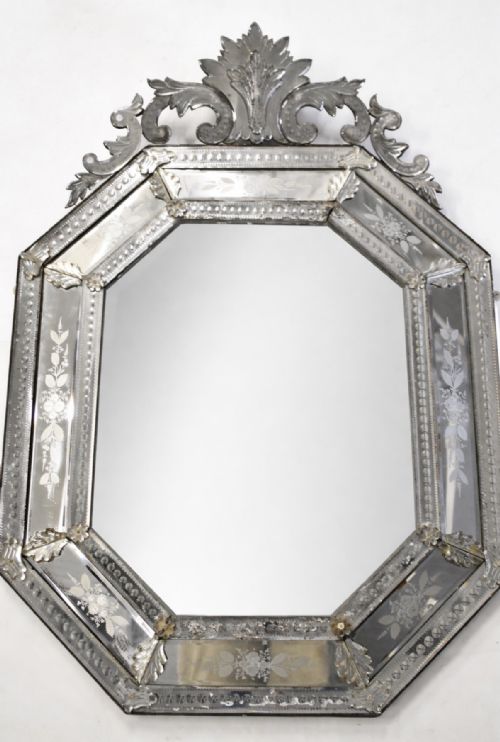


Antique Italian Decorative Mirror
An antique italian decorative mirror brings centuries of craftsmanship into a room, offering striking reflection through gilded frames and ornate glass.
Antique Italian Decorative Mirror
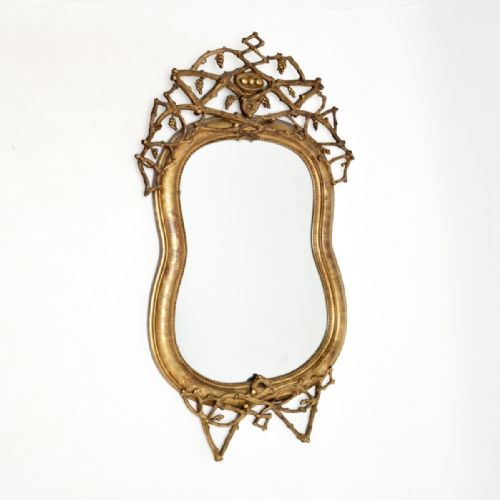
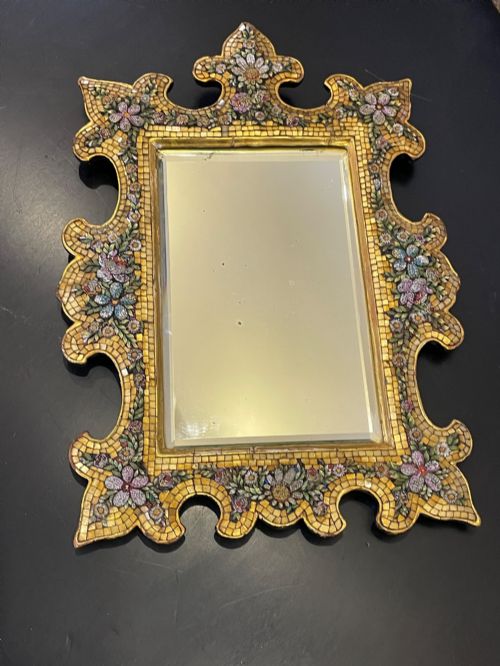
When you search for an antique italian decorative mirror, you encounter an array of wall-hanging pieces spanning the eighteenth, nineteenth and early twentieth centuries. These objects primarily function as wall mirrors, overmantles, pier glasses and girandoles designed to catch and amplify light within an interior.
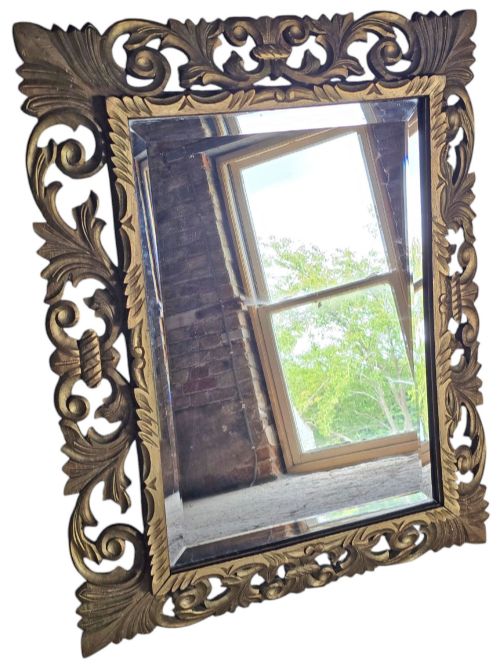
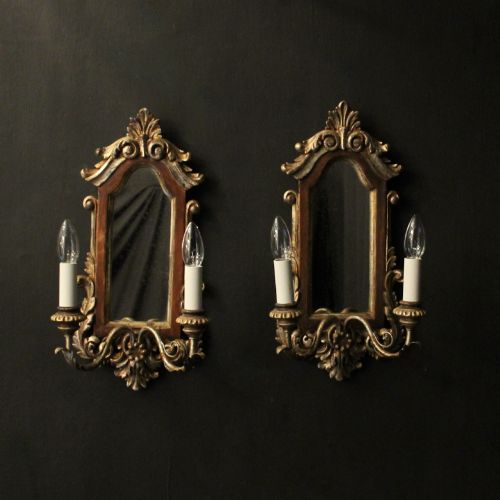
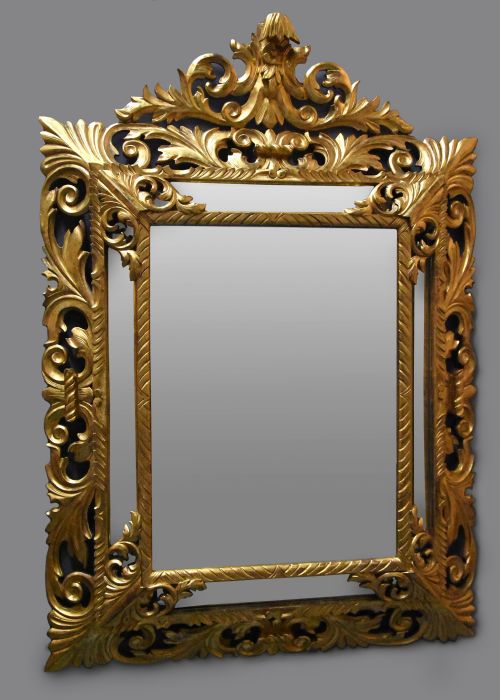
The versions you meet most frequently on this page originate from Venice and Florence, showcasing regional specialities such as delicate cut glass or heavily carved giltwood. Formats range from expansive cushion mirrors to intricate rococo revivals and neoclassical wall hangings.
Makers and workshops across Italy produced these pieces using traditional regional designs, incorporating carved wood, gesso and mirrored glass. Buyers seek these items for their distinct decorative presence, which anchors a room with historic character.
How they were made
Carpenters and carvers shaped solid bases from limewood, pinewood or general timber before applying layers of gesso to smooth the surface. Artisans then built up the relief ornamentation, carving intricate scrolls, foliage and figural details by hand.
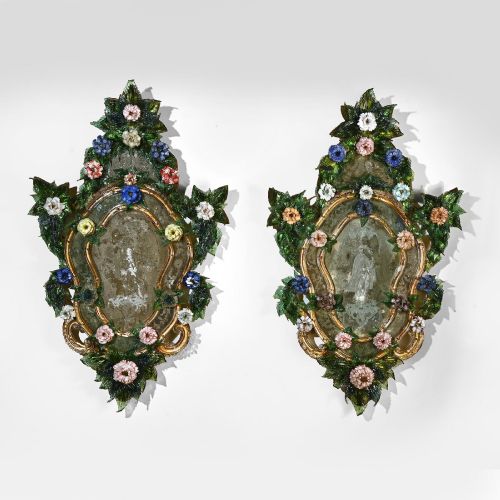
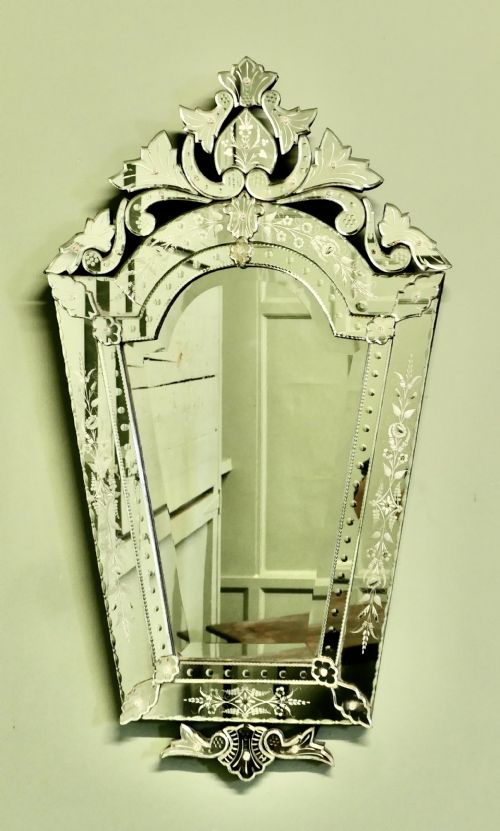
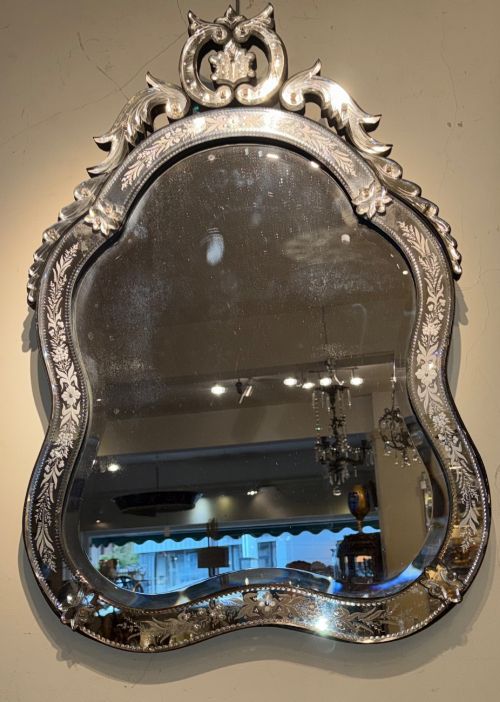
Guilders applied gold leaf or silver leaf over the prepared gesso surfaces, often burnishing the metal to achieve a brilliant metallic sheen. Venetian pieces utilised specialised glass plates, sometimes featuring hand-etched designs or coloured borders alongside traditional silvering.
Listings feature pieces spanning the eighteenth century through to the 1960s, constructed in giltwood, carved wood, gesso and Murano glass.
What varies in quality
Depth and precision of the hand carving separate standard pieces from exceptional examples, as master carvers achieved sharper undercut foliage and more fluid asymmetrical movement in rococo frames. The crispness of gesso moulding before gilding dictates how well light plays across the ornamental surface.
The integrity of the glass plate itself distinguishes pieces, with older hand-bevelled or engraved Venetian mirror plates offering greater visual depth than uniform modern replacements. Original gilding surfaces that retain their warm, aged patina command higher regard than poorly executed later repainting.
The Antique Italian Decorative Mirror Glossary
- Giltwood
- Wood that has been coated with a thin layer of gold leaf. This material provides the brilliant metallic finish seen on many traditional frames.
- Gesso
- A mixture of gypsum and binder applied to wood before gilding or painting. It creates a smooth, receptive ground for fine carving and relief work.
- Girandole
- A decorative wall mirror fitted with one or more candle branches attached to the frame. These arms allowed reflected candlelight to illuminate the room.
- Cushion mirror
- A mirror frame constructed with a convex profile that slopes outward from the glass plate toward the wall. This shape maximises angled reflections.
- Pier glass
- A tall, narrow mirror traditionally hung on the pier wall between two windows. It served to brighten dark architectural spaces.
Antique Italian Decorative Mirror: Frequently Asked Questions
How do I hang a heavy mirror safely?
Large carved wooden frames require secure wall fixings distributed evenly across the primary structural timber of the back. Consult a professional restorer to evaluate the hanging loops and ensure the wall construction bears the load safely.
Position the piece at eye level where it avoids direct moisture and excessive temperature fluctuations. Proper placement protects both the antique wooden structure and the delicate internal silvering of the glass.
Are these mirrors suitable for bathrooms?
High humidity and fluctuating temperatures can damage historic gesso, gilding and the backing of antique mirror plates. Bathrooms generally present too harsh an environment for sensitive eighteenth and nineteenth-century pieces.
Dry hallways, living rooms and bedrooms offer much safer conditions for preserving fragile gold leaf and original glass. Displaying them in stable interior climates prevents warping of the carved wooden frames.
How do I tell Venetian mirrors apart?
Venetian mirrors typically feature engraved glass frames decorated with floral motifs, birds or geometric cuts surrounding a central mirror plate. They often incorporate coloured glass elements, such as ruby red borders, rather than relying solely on heavily carved wooden frames.
Florentine examples, by contrast, focus on elaborate carved giltwood and gesso foliage without the extensive use of mirrored glass borders. Recognising these regional traits helps identify the specific origin of each piece.