


Antique Italian Artwork Canvas
When you search for antique italian artwork canvas, you encounter centuries of painterly tradition brought into rooms through oils stretched over wooden frames.
Antique Italian Artwork Canvas
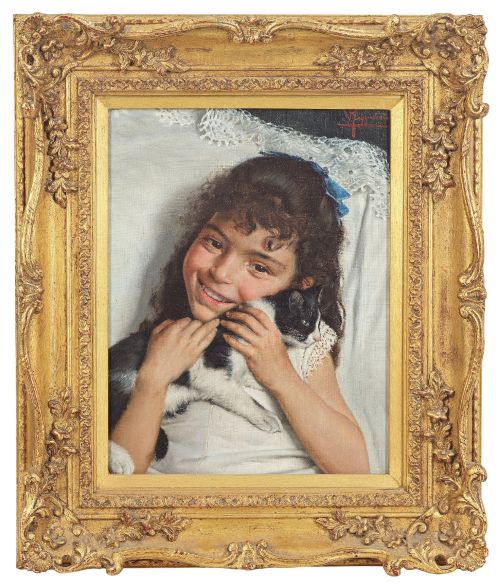
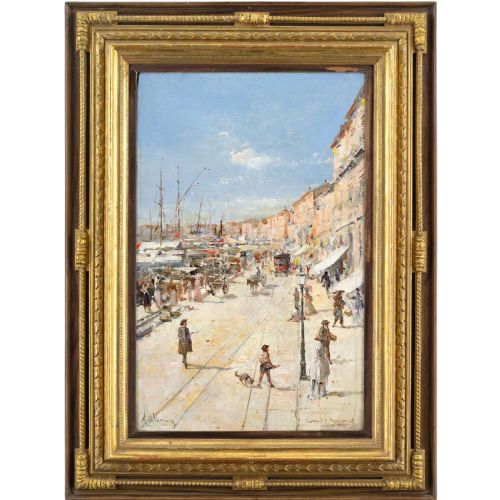
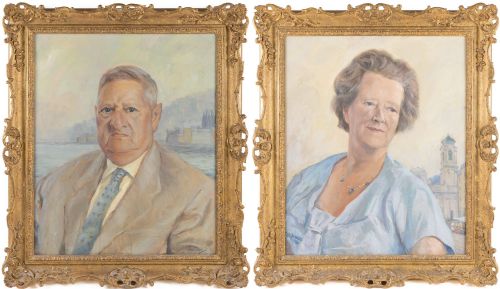
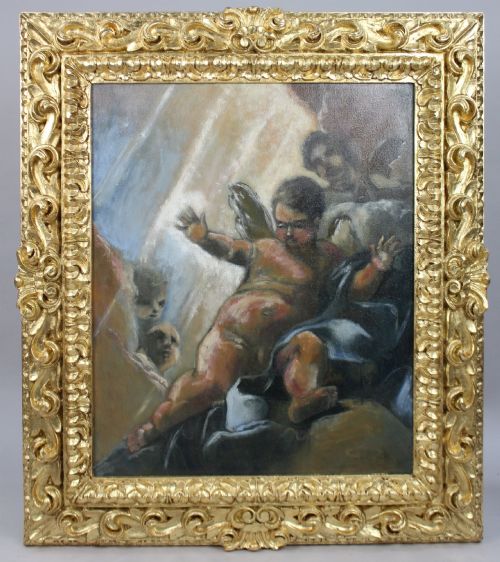
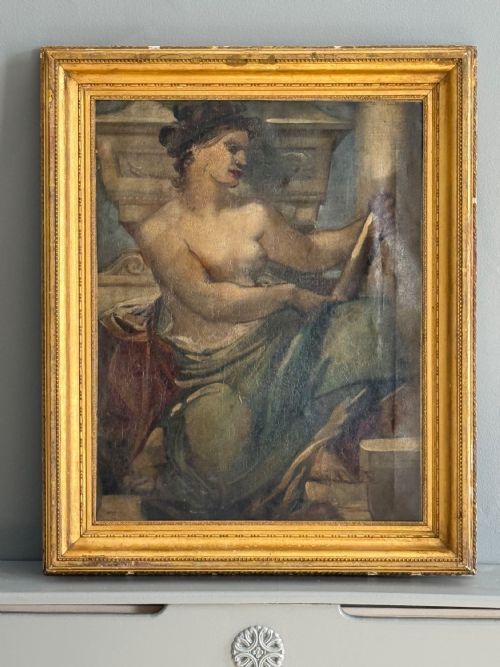
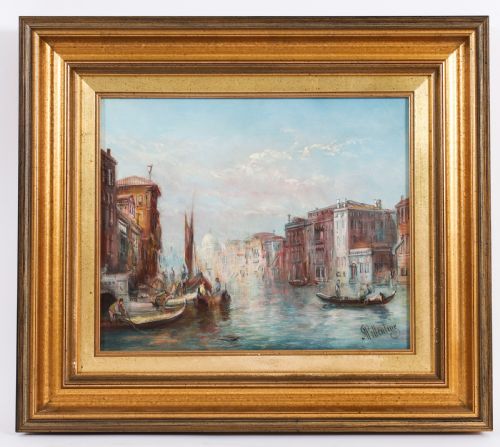
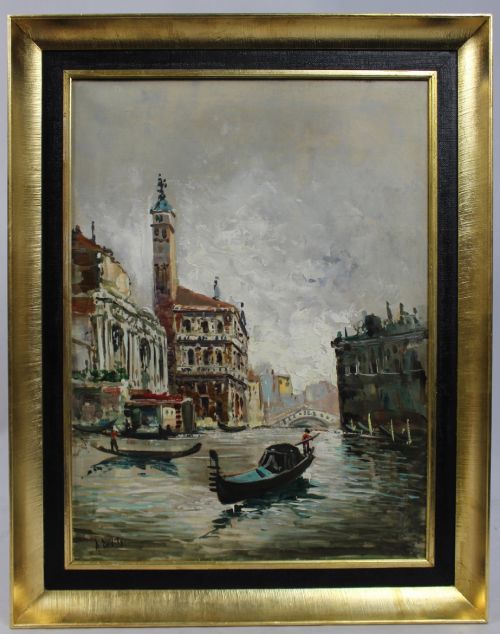
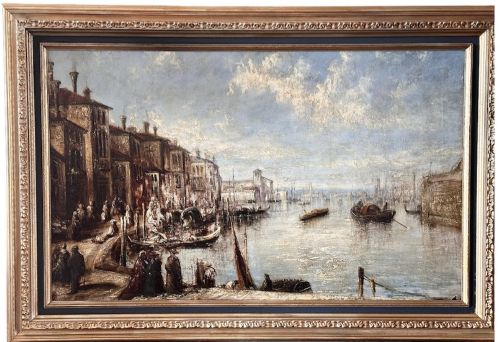
When buyers search for antique italian artwork canvas, they look at oil paintings that capture religious subjects, pastoral landscapes, portraits, and Venetian canals. The selection spans centuries of artistic output, stretching from sixteenth-century religious compositions to twentieth-century views of Italy.
The most common pieces on this page are nineteenth-century canvases, including Grand Tour souvenirs and pastoral scenes. Works range from intimate portraits to massive depictions of architecture and coastal views.
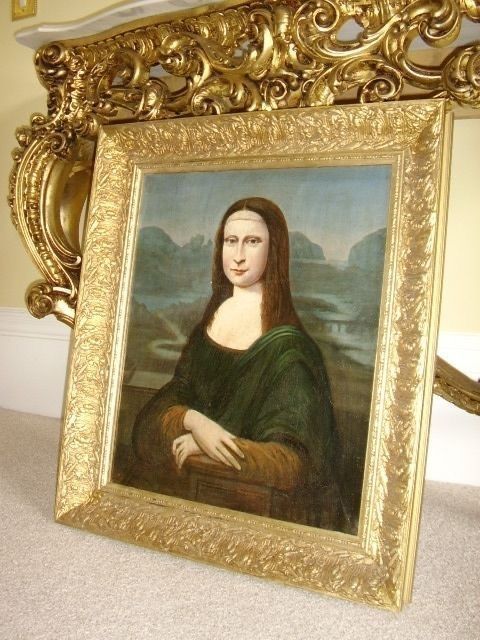
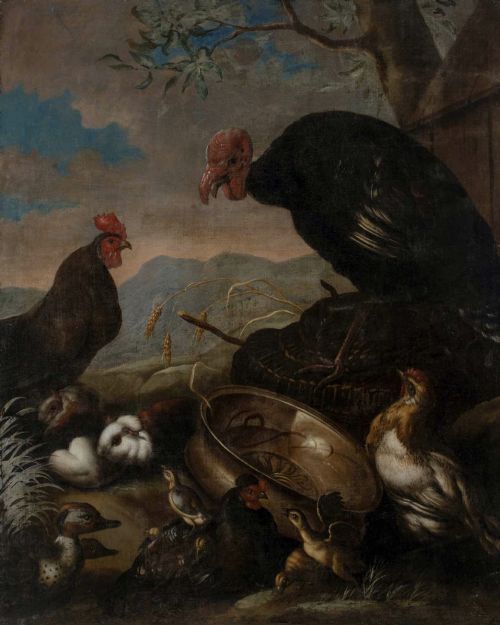
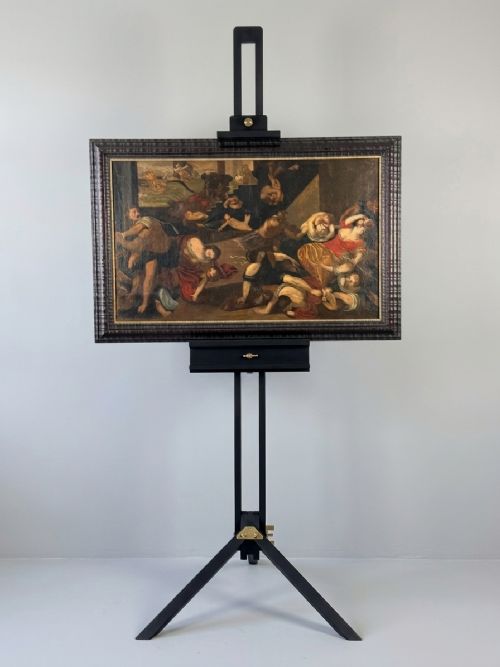
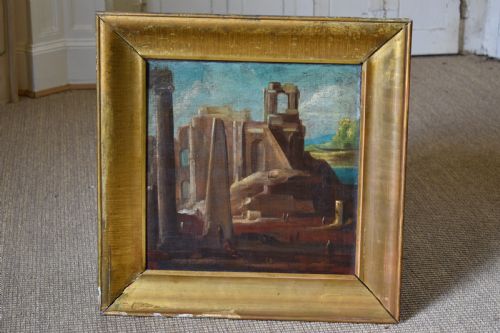
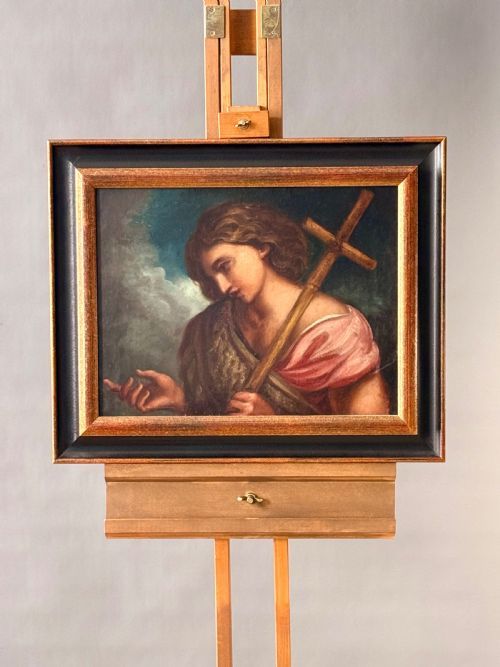
Religious subjects appear frequently, often referencing Renaissance masters or executed by regional schools. Buyers also find depictions of fowl in castle ruins, bull scenes, and marine paintings.
What varies in quality
Quality in these canvases rests on the execution of the brushwork and the sureness of the composition. Works by documented artists or recognised regional schools command greater attention than anonymous copies.
The integration of the canvas with its original or period frame affects the overall integrity of the piece. Subtle handling of light, particularly in Venetian canal scenes and religious portraits, distinguishes finer examples from simpler decorative output.
Listings span periods from the sixteenth century through to nineteen sixty, utilising oil paint, canvas, giltwood, and gold leaf.
Dumini Leopoldo·Angelo Maria Crivelli·Vittorio Reggianini·Augusto Alberici·Alfred Pollentine·Francis Moltino·Guillaume Courtois·Umberto Volpato·Renato Moretti·Attilio Toro·Francesco Solimena·Costantino Frixione·Vincenzo Irolli·Giulio Cecchini·Evaristo Cappelli·Luca Postiglione
The Antique Italian Artwork Canvas Glossary
- Oil on Canvas
- Pigments bound in a drying oil medium applied to a woven fabric support. This combination allowed artists to achieve rich colour blending and durability.
- Giltwood
- Wood carved and covered with a thin layer of gold leaf or gold paint. Frames utilising this material frequently accompany Italian paintings from various centuries.
- Grand Tour
- A traditional trip through Europe undertaken by upper-class Europeans in the eighteenth and nineteenth centuries. Travellers often acquired local canvas paintings as mementos.
- Old Master
- A European painter of skill born before about eighteen hundred. Works attributed to schools of these masters appear frequently in historical collections.
- Baroque
- An artistic style prevalent from the early seventeenth to the mid-eighteenth century. It is characterised by dramatic movement and clear tension in painted subjects.
Antique Italian Artwork Canvas: Frequently Asked Questions
What subjects do these Italian canvases show?
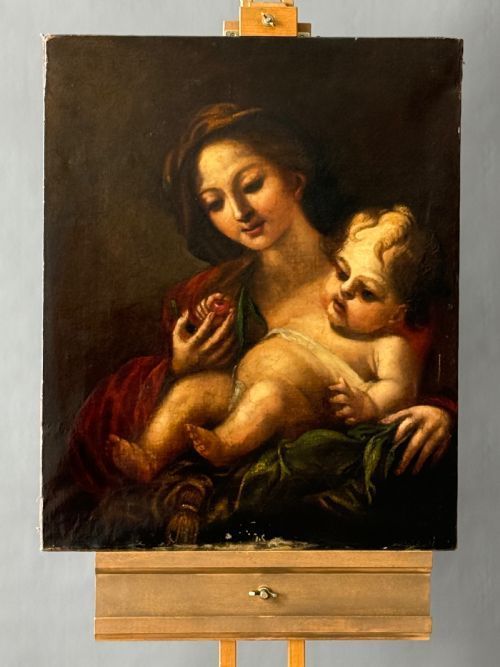
The listings feature a broad mix of subjects, including religious figures like the Madonna and Child, Venetian canals, and pastoral landscapes. You also encounter portraits of individuals and scenes of coastal life.
Many works draw inspiration from earlier Renaissance and Baroque compositions, while others record nineteenth-century views of Italy created during the Grand Tour.
How do I identify the period of a canvas?
Dating relies on stylistic evidence, artist signatures, and the construction methods of the canvas and frame. Seventeenth-century works often show Baroque theatricality, while nineteenth-century pieces lean towards realism and topographical views.
Examining the canvas texture and the stretcher frame behind the painting provides further clues regarding age.
How should I display an oil painting at home?
These paintings suit formal living spaces, studies, and hallways where adequate wall space allows the composition to breathe. Pairing them with period giltwood frames enhances their visual presence.
Keep canvases away from direct sunlight and excessive moisture to protect the oil paint and canvas support over time.
What is a Grand Tour painting?
Grand Tour paintings are works acquired by travellers exploring European cultural centres during the eighteenth and nineteenth centuries. They typically depict famous Italian landmarks, architecture, and landscapes.
These canvases served as portable memories of foreign travel for collectors returning home.