



Antique Islamic Calligraphy
These pieces of antique islamic calligraphy span centuries of manuscript pages, metalwork, and woodwork created across diverse regional traditions.
Antique Islamic Calligraphy
When seeking antique islamic calligraphy, buyers encounter everything from early manuscript leaves to later revival metalwork and decorative objects inscribed with script. The selection ranges from Abbasid vellum pages and Timurid manuscripts to Persian tiles, Qajar papier-mâché items, and Damascus metalware.
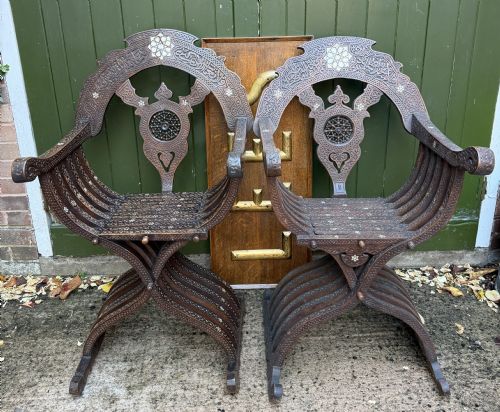
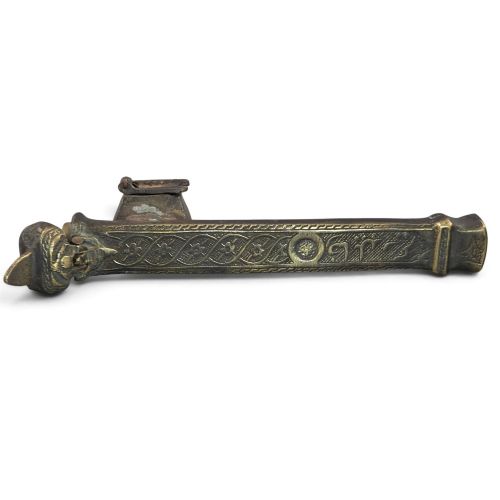
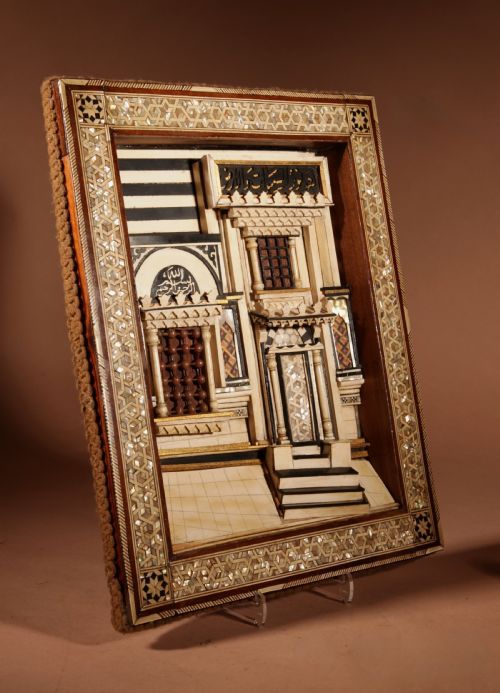
Objects bearing script include Quran caskets, travel pen cases, wash bowls, basins, architectural dioramas, and books depicting rulers. These pieces reflect the profound role of written Arabic and regional scripts across centuries of Islamic craftsmanship.
Materials and construction methods
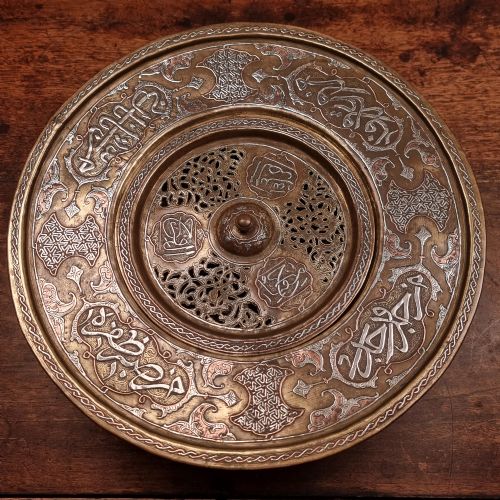
Makers utilised organic and mineral substances such as ink, pigment, gold leaf, and vellum or paper for manuscript leaves and paintings. Metalworkers shaped brass, copper, and silver inlay for vessels, Quran stands, and incense burners.
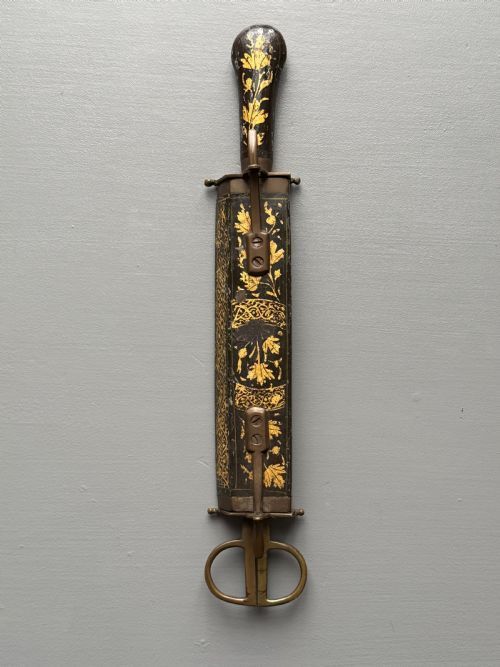
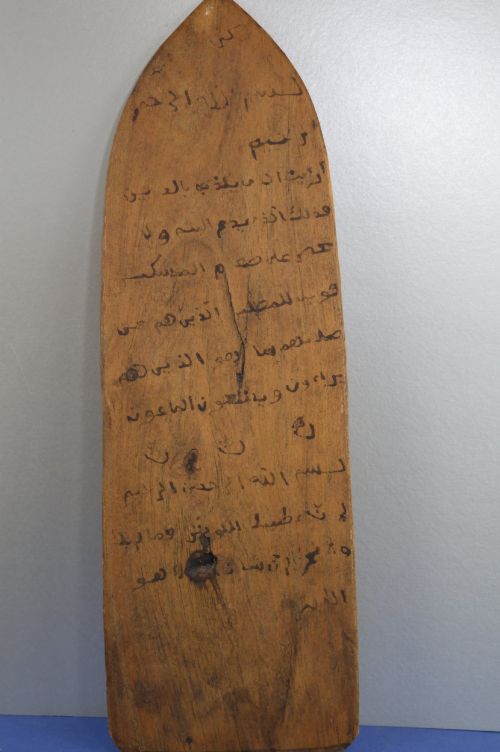
Wood and papier-mâché served for boxes, dagger sets, and scribe tools, while tiles and panels utilised traditional ceramic and enamelling techniques. Artisans combined engraving, inlay, and illumination to give prominence to the script.
Antique Islamic Calligraphy Retail Price Guide 2026
Typical asking prices for islamic calligraphy among the pieces listed under this phrase on Sellingantiques today, from the lower quarter to the upper quarter. They describe what is for sale here now, not the wider market.
Current listings feature items spanning the 16th to the 20th centuries, utilising materials including brass, copper, silver, ink, gold leaf, pigment, paper, and wood.
Factors determining standard
The refinement of the script itself dictates much of the distinction, separating hurried execution from the precise hand of a skilled scribe or calligrapher. Uniformity in letter proportions, clarity of ink, and the richness of gold leaf illumination set finer manuscript pages apart.
In metalwork and objects, the depth and intricacy of engraving, the precision of silver inlay, and the overall integrity of the brass or copper form establish the grade of the piece.
The Antique Islamic Calligraphy Glossary
- Kufic
- An early, angular style of Arabic script often found on early manuscript pages and architectural elements. It represents one of the oldest forms of Islamic calligraphy.
- Nastaliq
- A fluid, cursive script style developed in Persia, frequently seen on later tiles and manuscript pages. Its sweeping horizontal strokes and curved vertical lines create a distinct visual rhythm.
- Divit Qalamdan
- A portable writing desk or combination inkwell and pen case used by scribes. These brass or metal accessories often feature engraved decoration.
- Vellum
- Prepared animal skin used as a durable writing surface for early manuscripts. Scribes utilised vellum for important religious texts before paper became widespread.
- Mamluk Revival
- A nineteenth-century European and Middle Eastern design movement emulating the brasswork and decorative arts of the medieval Mamluk sultanate. Pieces from this period frequently display heavy silver and copper inlay on brass.
Antique Islamic Calligraphy: Frequently Asked Questions
How do I care for antique vellum manuscript pages?
Keep manuscript pages away from direct sunlight and fluctuating humidity to prevent the vellum from warping and the ink or pigment from fading.
Mount them using archival, acid-free materials behind UV-filtering glass to protect the delicate surface over time.
How can I tell the age of brass metalwork?
Examine the wear patterns on the surface, the composition of the metal, and the method of engraving or inlay.
Earlier pieces often display more integrated patination and hand-worked detailing compared to later revival items.
How do regional styles differ?
Regional styles vary through distinct calligraphic hands, such as Persian Nastaliq or early Kufic, alongside local metalworking techniques.
Ottoman, Qajar, and Mamluk pieces each employ specific decorative motifs, materials, and scripts unique to their place of origin.