




Antique Islamic Art
These pieces of antique islamic art bring rich regional craftsmanship and centuries of traditional design into modern interiors.
Antique Islamic Art
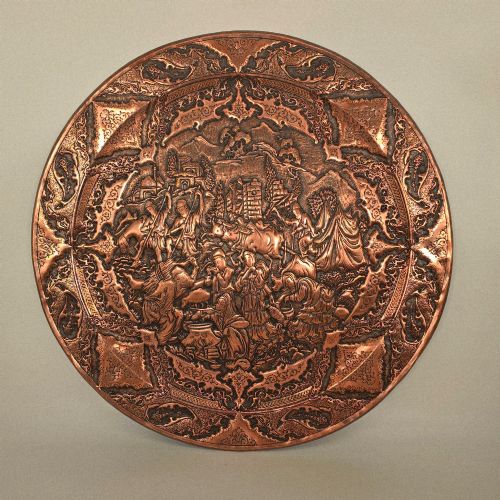
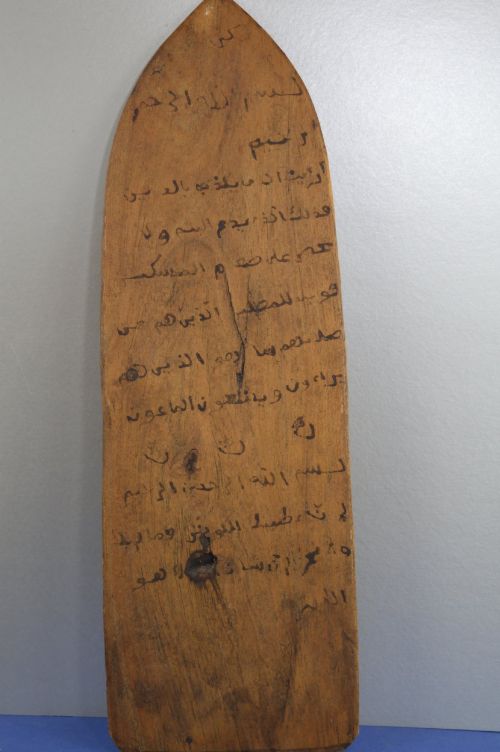
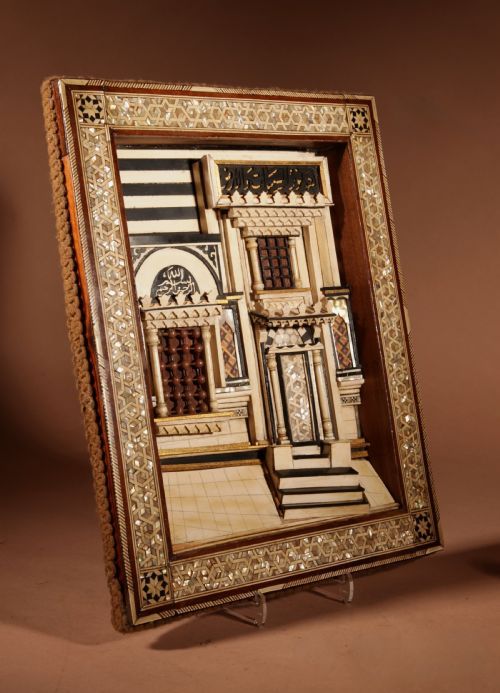
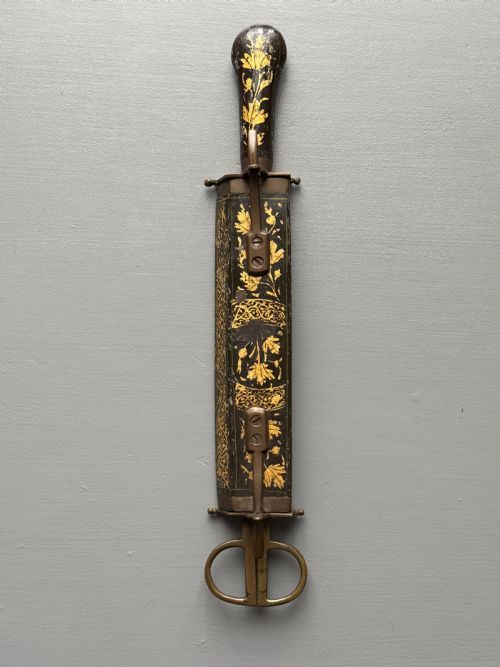
When you search for antique islamic art, you encounter a diverse range of objects spanning multiple centuries and geographic regions. The selection comprises items such as copper chargers, embroidered textiles, illuminated manuscript pages, and architectural dioramas.
You are most likely to meet nineteenth-century Persian and Ottoman pieces on this page, including engraved metalwork and silk appliqués. These works reflect the long-standing traditions of regional craftsmanship and narrative depiction.
The material evidence also points towards earlier religious manuscripts on vellum and paper alongside later decorative items from Syria, India, and North Africa. Each object represents a specific cultural context within the broader scope of Islamic design.
Materials and construction
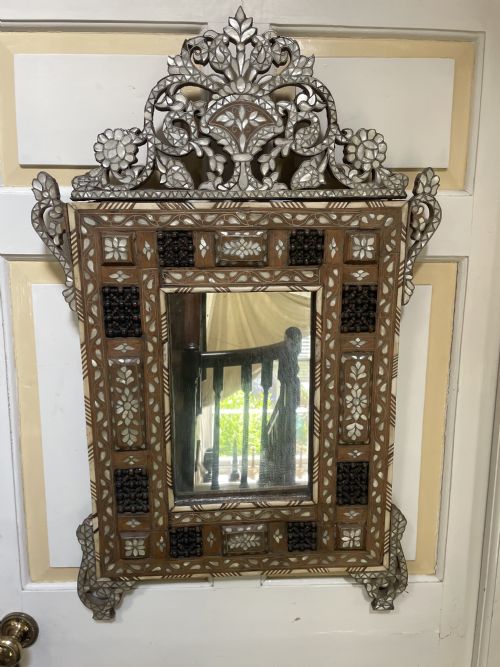
Makers utilised traditional techniques such as repoussé engraving on copper and brass, alongside delicate inlaid work using nacre-shell and bone on walnut frames. Pigments, gold leaf, and ink appear on vellum, paper, and silk surfaces in manuscripts and textiles.
Textiles demonstrate detailed needlework, including silk and felt applique techniques seen in Persian Rasht embroidery and Ottoman fragments. Wood and papier-mâché form the structural bases for items like architectural dioramas and desk sets.
Antique Islamic Art Retail Price Guide 2026
Typical asking prices for islamic art among the pieces listed under this phrase on Sellingantiques today, from the lower quarter to the upper quarter. They describe what is for sale here now, not the wider market.
Materials represented include copper, brass, silk, wood, and nacre-shell across various nineteenth-century forms.
Assessing quality
Quality in these pieces depends upon the precision of the handwork, whether in the depth of chased metal lines or the finesse of miniature painting. Finer works display controlled application of gold leaf and pigments, maintaining clarity across intricate patterns.
The condition of organic materials like vellum, silk, and paper directly influences the integrity of the piece. Superior examples retain their original pigments and structural stability without extensive modern restoration.
Lobmeyr·Jules Vieillard
The Antique Islamic Art Glossary
- Repoussé
- A metalworking technique where the metal is hammered from the reverse side to form a raised design on the front. This method creates tactile relief on copper chargers and plaques.
- Kufic
- An early calligraphic form of Arabic script characterised by angular, upright letterforms. It frequently appears on early manuscript pages and religious artefacts.
- Qajar
- Pertaining to the Iranian dynasty that ruled from the late eighteenth to the early twentieth century. This period is known for distinctive paintings, lacquerwork, and enamels.
- Illuminated
- Decorated with gold, silver, or bright colours, typically describing manuscripts and book pages. This adornment highlights important text and borders.
- Nacre
- Also known as mother-of-pearl, this iridescent inner layer of mollusc shells is used for inlay work on wooden frames and boxes.
Antique Islamic Art: Frequently Asked Questions
What is a qajar painting?
Qajar paintings originate from nineteenth-century Persia and often depict portraits, court scenes, or philosophical narratives using gouache on paper.
They reflect European artistic influences blended with traditional Persian miniature conventions.
How are textile fragments displayed?
Embroidered fragments and panels are typically mounted and framed behind protective glazing to support the delicate fabric.
This method prevents further degradation while allowing the detailed needlework to remain visible.
What is a copper charger?
Copper chargers are large decorative plates or shallow basins featuring hand-engraved or repoussé surface decoration.
Historically used for display or serving, they showcase intricate geometric and figurative motifs.
How do I care for manuscript pages?
Manuscript pages on paper or vellum require stable environmental conditions away from direct sunlight and excessive humidity.
Framing with UV-filtering glass helps protect the ink, pigments, and gold leaf from fading over time.