



Antique Ironstone
When you search for antique ironstone, you find heavy, durable ceramic tablewares and utilitarian vessels created to endure daily service.
Antique Ironstone
When buyers search for antique ironstone, they encounter robust utilitarian and decorative pieces produced across the nineteenth century, including the Georgian, Victorian, and Edwardian periods.
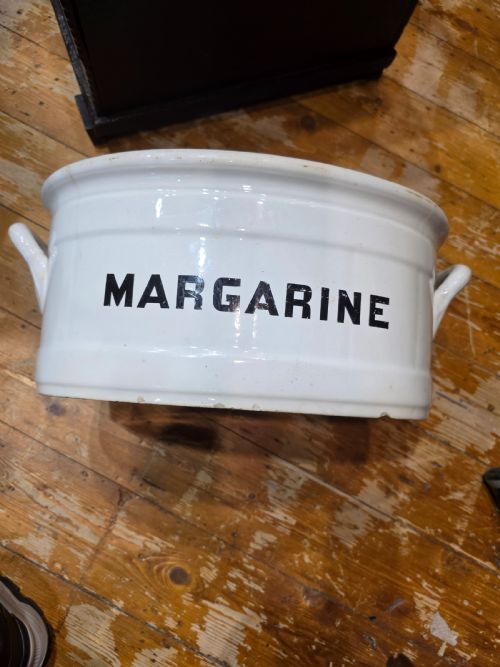
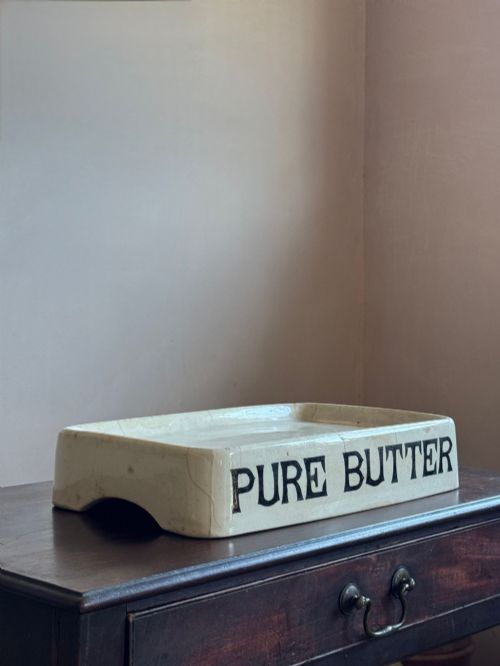
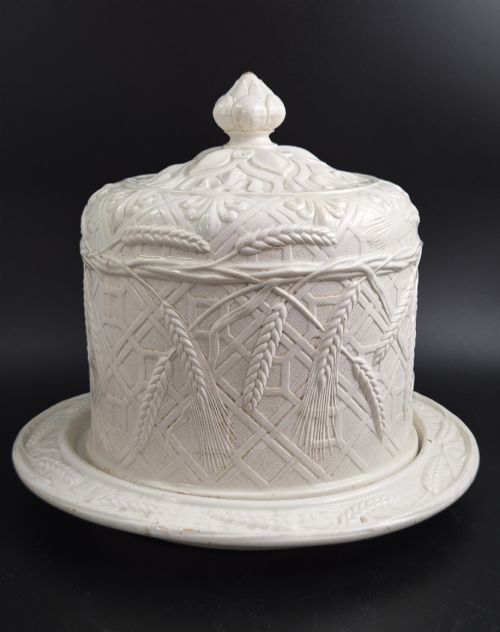
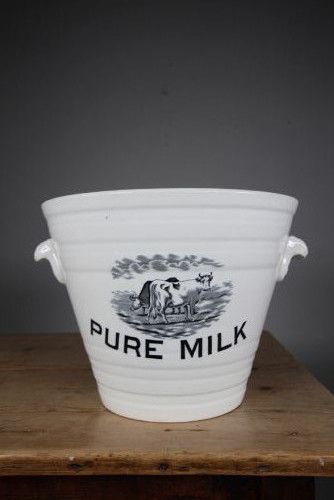
The selections span functional kitchen and dairy items like butter slabs, milk pails, and cheese domes, alongside formal dining vessels such as jugs, tureens, plates, and comports.
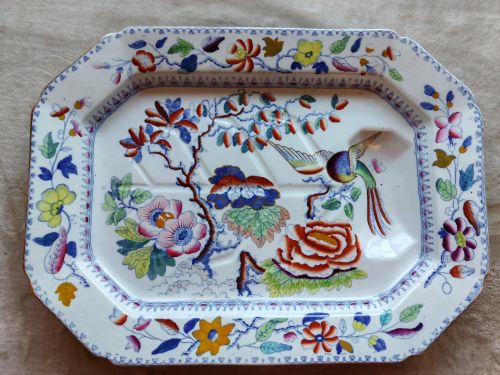
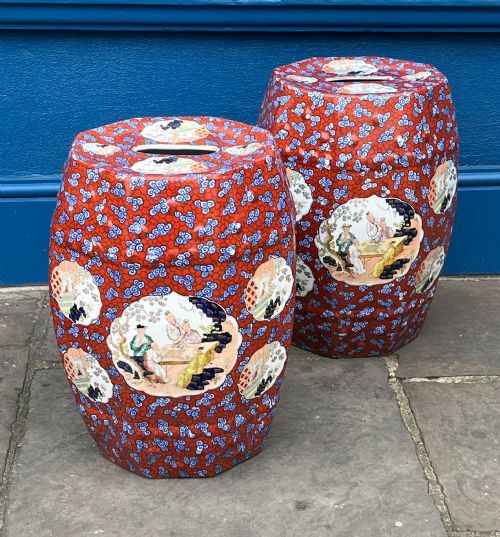
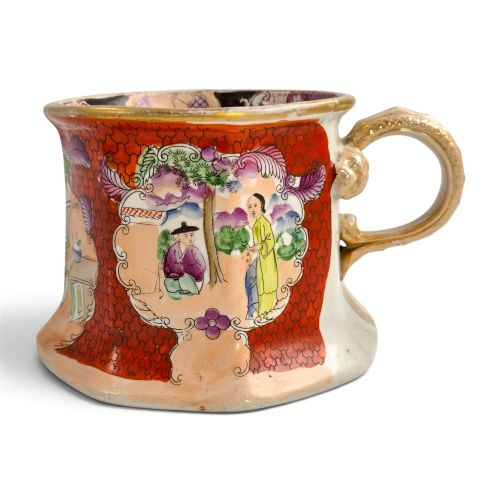
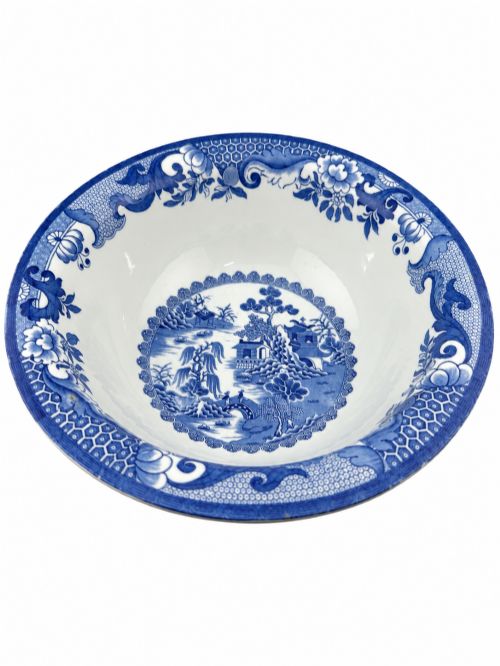
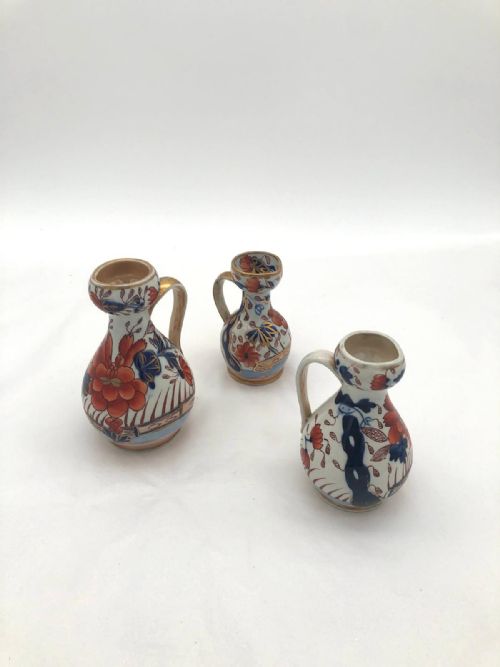
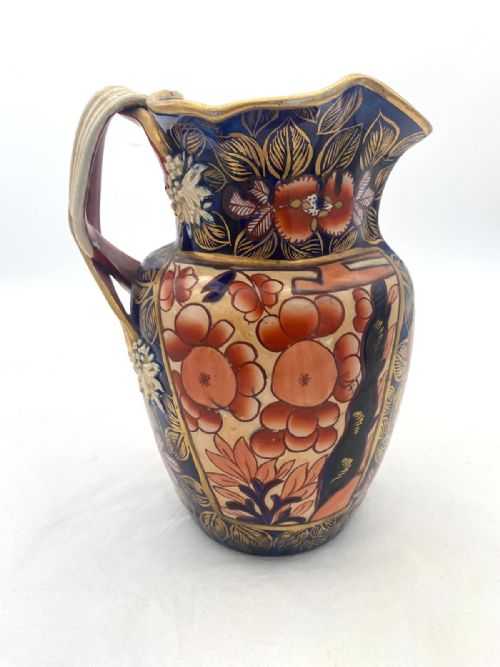
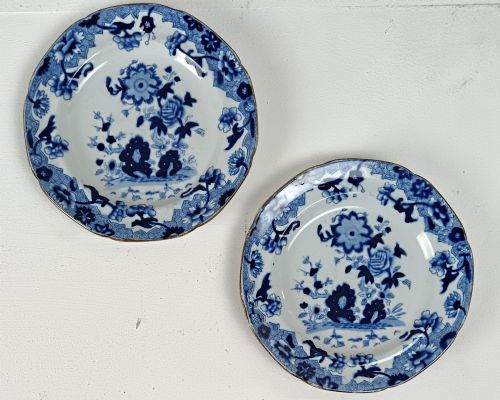
Most examples meet on this page hail from English potteries, often decorated with transfer-printed blue and white designs, Chinoiserie motifs, or Imari colour palettes.
How they were made
Potters manufactured these items using a dense earthenware body composed of refined clay, feldspar, and flint, which was then fired at high temperatures to achieve stone-like strength.
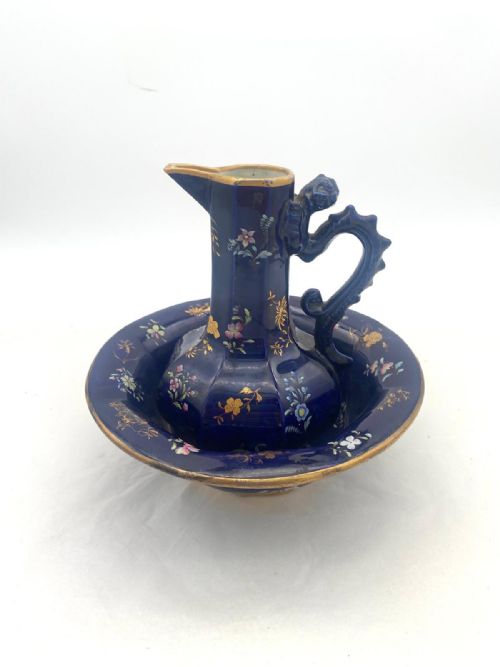
Surfaces received lead or enamel glazes, sometimes enhanced with hand-applied transfer printing or painted details in cobalt blue, gold leaf, and polychrome pigments.
Antique Ironstone Retail Price Guide 2026
Typical asking prices for ironstone among the pieces listed under this phrase on Sellingantiques today, from the lower quarter to the upper quarter. They describe what is for sale here now, not the wider market.
The listings span the nineteenth century, including Georgian, Victorian, and Edwardian eras, utilising materials like earthenware, glaze, and gold leaf.
What varies in quality
The distinction between ordinary utility wares and exceptional pieces lies in the crispness of the transfer print, the complexity of the hand-painted enamels, and the inclusion of gilding.
Form dictates value as well, with sculptural elements like grotesque handles, octagonal profiles, and complete matching sets commanding greater attention than plain domestic plates.
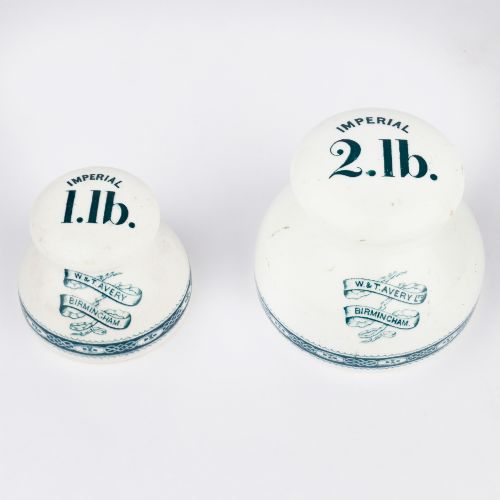
Mason's Ironstone·Spode New Stone·Hicks and Meigh·John Davenport·Keeling and Co·W and T Avery·Day and Millward
The Antique Ironstone Glossary
- Ironstone
- A patented ceramic body invented in the nineteenth century to provide a durable, vitreous alternative to porcelain.
- Chinoiserie
- European artistic interpretations of Chinese and East Asian design motifs, frequently seen in blue and white transfer prints.
- Comport
- A raised serving dish or pedestal bowl used for fruit and desserts during formal nineteenth-century dining.
- Tureen
- A deep covered vessel designed for serving soups, sauces, or gravies at the table, often accompanied by a matching ladle.
- Gaudy Welsh
- A style of brightly coloured, hand-painted pottery featuring cobalt blue, copper lustre, and iron-red accents.
- Flow blue
- A transfer-printing technique where the cobalt blue pigment intentionally bleeds into the surrounding white glaze during the kiln firing.
Antique Ironstone: Frequently Asked Questions
How do I clean antique ironstone?
Wash pieces gently by hand using mild soap and warm water. Avoid harsh scouring pads or modern dishwashers, which can damage the glaze and any delicate gilt details.
Dry thoroughly with a soft cloth to preserve the surface condition over time.
Can I use antique ironstone daily?
Many items were originally made for robust kitchen or dairy work and remain sturdy enough for careful modern use. However, pieces with surface crazing or painted enamel decorations benefit from gentle handling.
Displaying them or reserving them for special occasions helps protect fragile handles and transfer-printed surfaces.
What is the difference between ironstone and porcelain?
Ironstone is a heavy, opaque earthenware developed for strength and everyday utility. Porcelain is a finer, vitrified ceramic that transmits light when held up to a bulb.
While ironstone mimics the utility of china, its thick body feels significantly heavier in the hand.
How do I date antique ironstone?
Examine the maker's stamp on the underside, style of decoration, and overall potting technique. Pieces from the early nineteenth century often feature rich cobalt transfer prints and octagonal shapes.
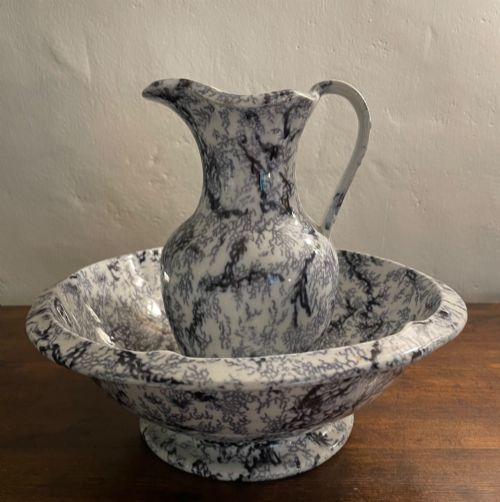
Later Victorian and Edwardian examples frequently introduce broader functional forms like dairy slabs and wash basin sets.