
Antique Ironing Tools
These antique ironing tools and hearth implements bring heavy metalwork and domestic function into the sitting room.
Antique Ironing Tools
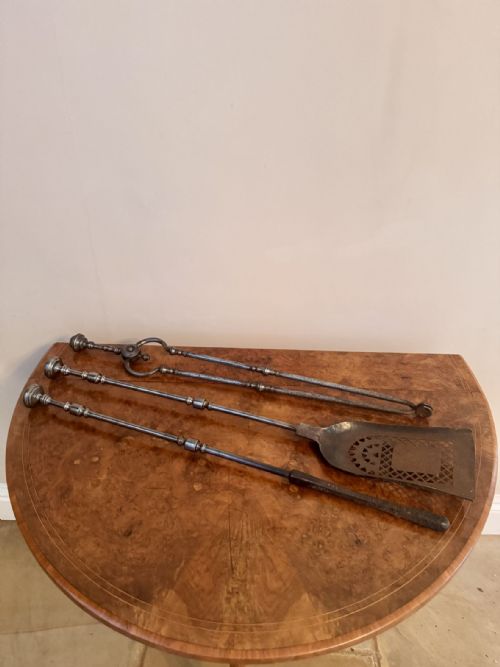
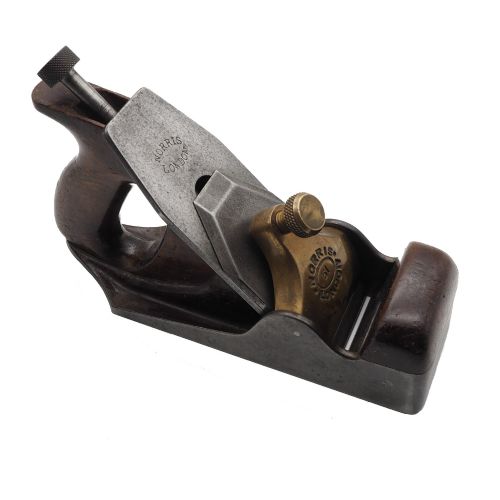
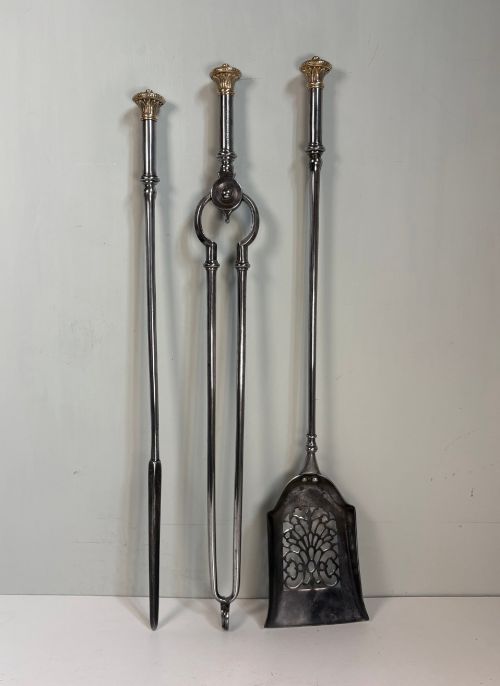
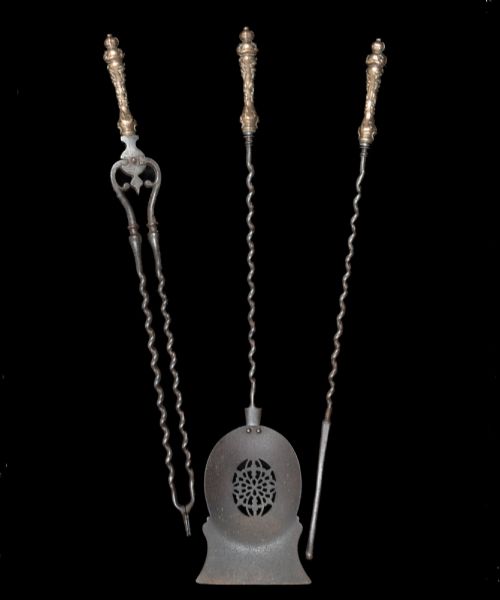
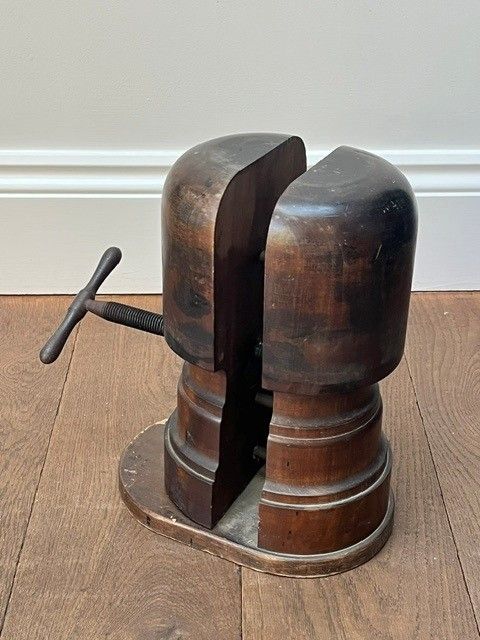
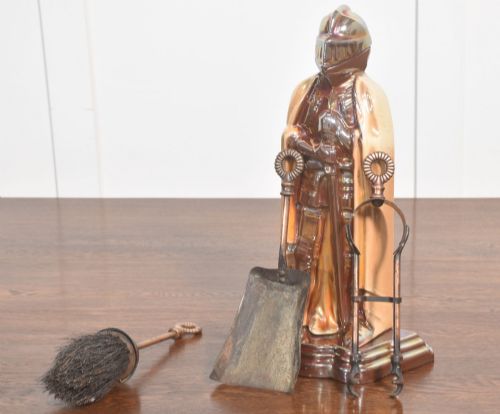
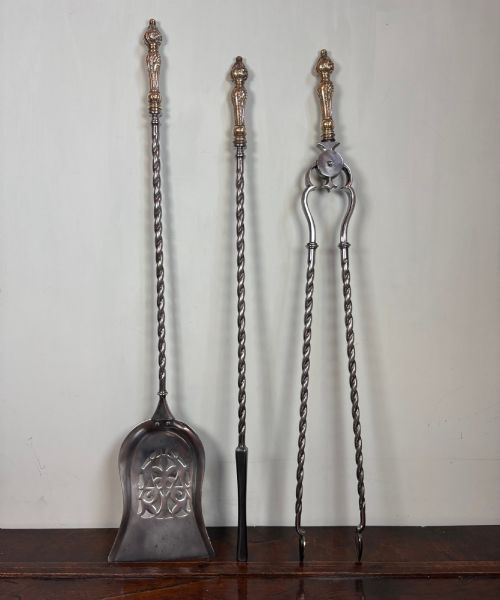
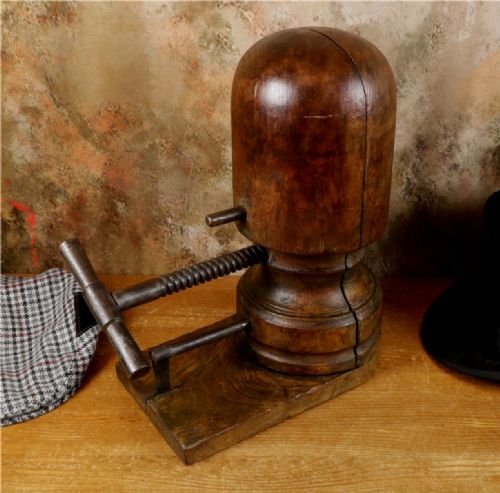
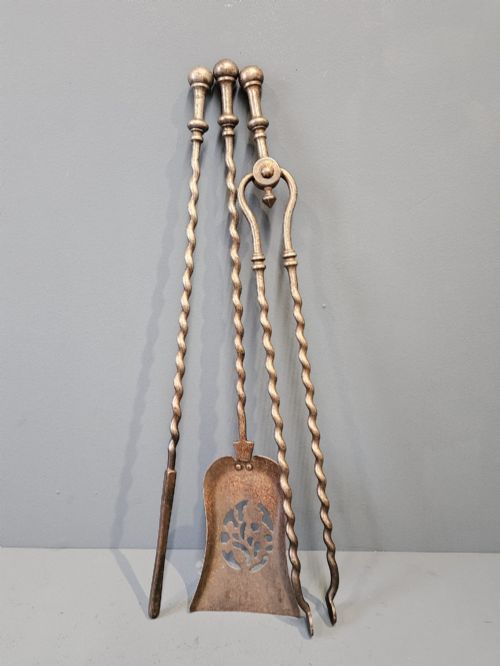
When searching for antique ironing tools, buyers often encounter fireplace companion sets, fire irons, and grates rather than laundry implements, owing to how past collections categorise heavy metal hardware. The selection leans heavily toward nineteenth-century steel and brass pokers, tongs, and shovels, alongside occasional specialised items like smoothing planes or hat stretchers.
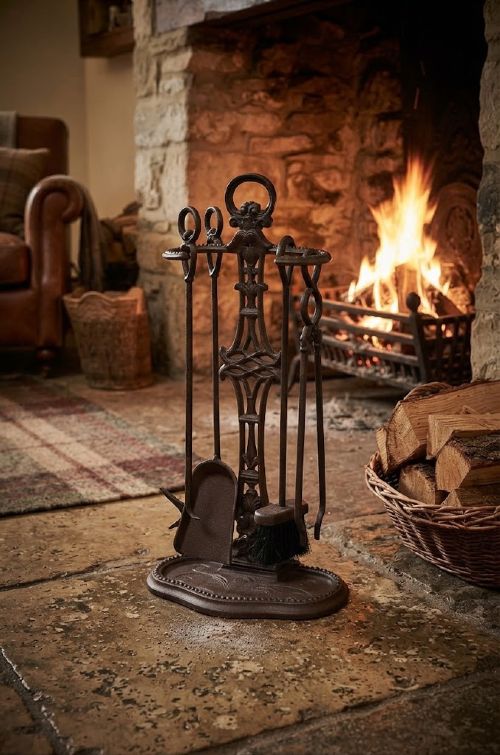
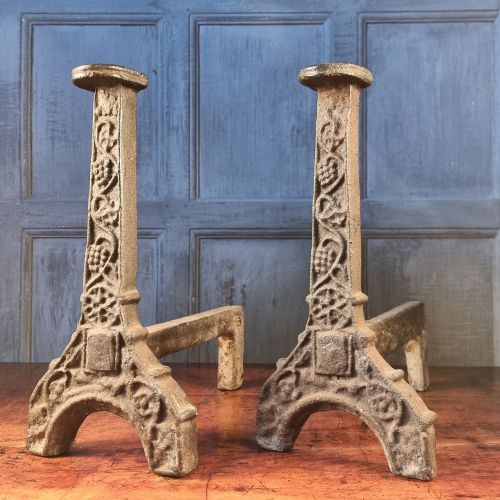
Makers utilise robust materials suited to daily utility, translating simple utilitarian forms into decorative accessories for the home. A buyer finds everything from polished steel companion sets to cast iron stands designed to hold working implements.
How they were made
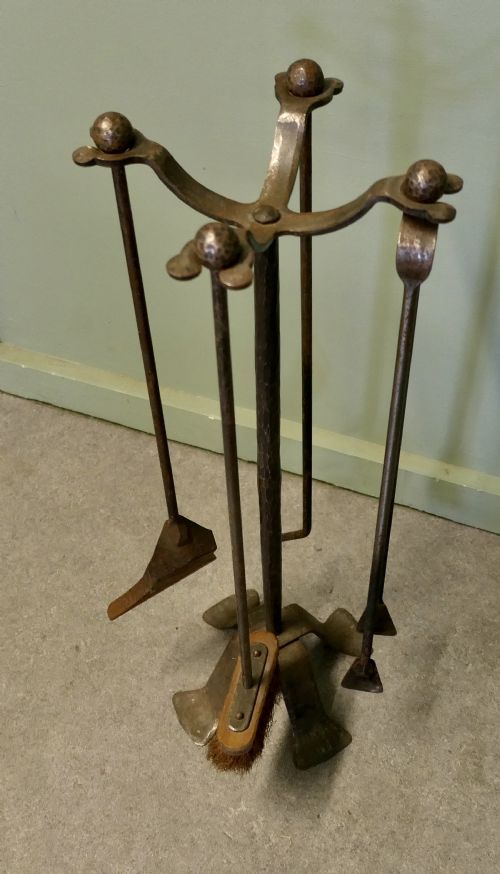
Smiths shape the primary metal components using iron, cast iron, and steel, often combining them with solid brass fittings for handles and decorative accents. Wrought iron elements show the marks of hand-forging, while nineteenth-century production methods introduce more uniform cast forms.
Some nineteenth-century metalwork includes heavy smoothing irons and hat stretchers that share shelf space with fireside pokers.
What varies in quality
The integrity of the metalwork defines the upper tier of these pieces, where balanced weight and crisp casting distinguish superior companion sets from utilitarian foundry output. Matching sets that retain their original poker, tongs, and shovel together command greater regard than assembled groups.
Refinement in the brass mounts and the tactile finish of the steel indicate the hand of a skilled maker. Pieces that combine functional durability with deliberate aesthetic design during the Victorian and Edwardian eras show superior craftsmanship.
The Antique Ironing Tools Glossary
- Companion set
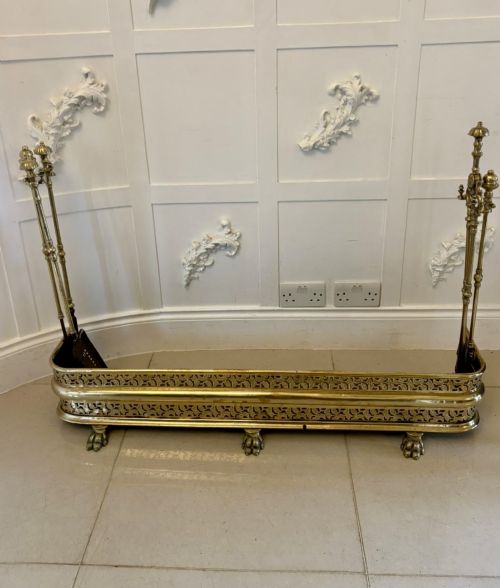
- A collection of fireplace tools, typically comprising a poker, tongs, and shovel, suspended from a matching stand or resting on firedogs.
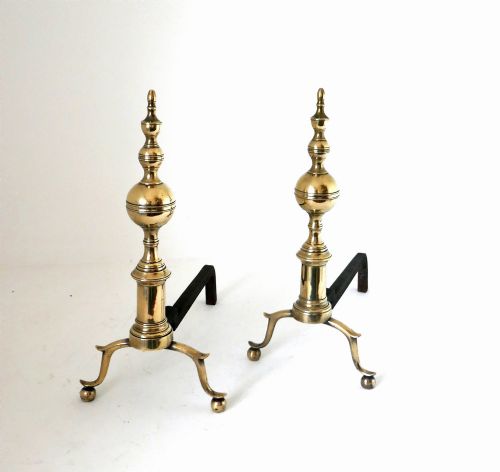
- Andirons
- Supporting horizontal iron bars raised on short legs, placed in a fireplace to hold logs above the hearth for better air circulation.
- Smoothing plane
- A woodworking tool used for flattening and smoothing timber surfaces, featuring an annealed iron blade fitted into a wooden or metal body.
- Brass
- An alloy of copper and zinc utilised for its bright golden appearance and resistance to corrosion in decorative hardware.
- Wrought iron
- Iron that has been heated and shaped with tools by a blacksmith, characterised by its fibrous texture and strength.
Antique Ironing Tools: Frequently Asked Questions
What is included in a companion set?
A standard companion set brings together several essential hearth implements, usually featuring a poker, tongs, and a shovel for managing coal or wood fires.
These tools sit together on a dedicated stand or rest horizontally on specific brackets near the fireplace.
How do I date a set of fire tools?
Stylistic details such as brass urn finials, twist stems, and the transition from hand-wrought iron to cast steel help place pieces within the Georgian, Victorian, or Edwardian periods.
Makers often integrated prevailing architectural fashions into the handles and stands of these domestic metal objects.
Are these tools meant for daily use?
Many of these robust iron and brass implements remain entirely functional for tending an open hearth in a modern home.
Buyers frequently choose to place nineteenth-century companion sets beside working fireplaces to combine historical character with practical utility.
What metals are most common?
Iron and steel provide the strong, heat-resistant core needed for active hearth tools that manipulate burning logs and hot ash.
Brass appears frequently in the handles, stands, and decorative mounts to provide a bright contrast against the darker ironwork.