

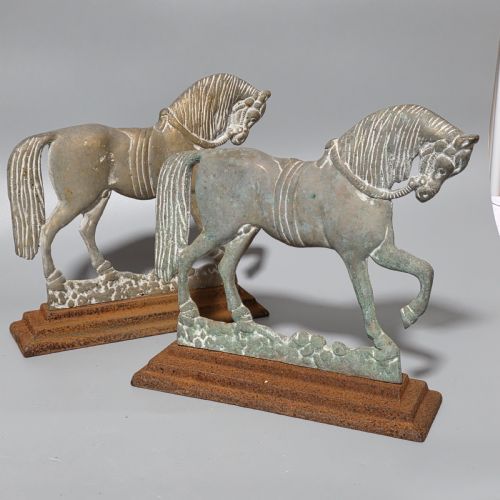


Antique Iron Weight
An antique iron weight anchors a door or sits upon papers, bringing solid utility and sculptural form into a room.
Antique Iron Weight
When you search for an antique iron weight, you find heavy utilitarian objects reimagined as functional doorstops, paperweights and scale counterweights. These pieces range from domestic items like door porters to trade tools and desk accessories.
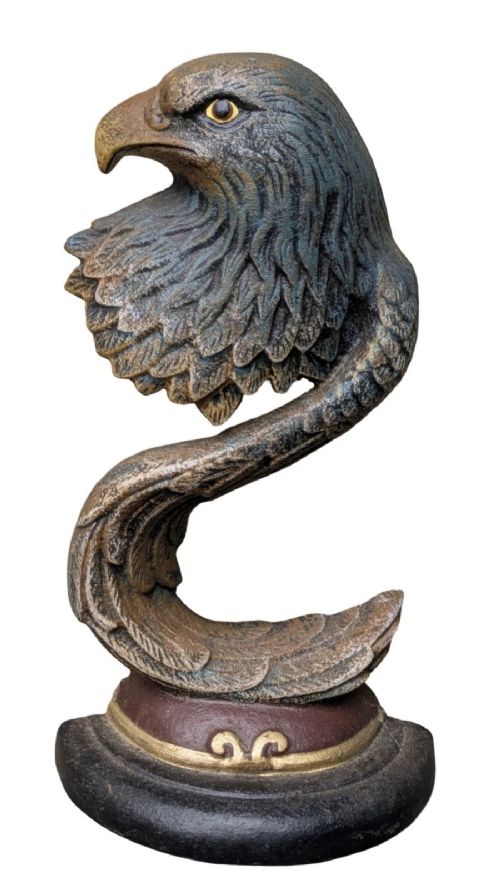
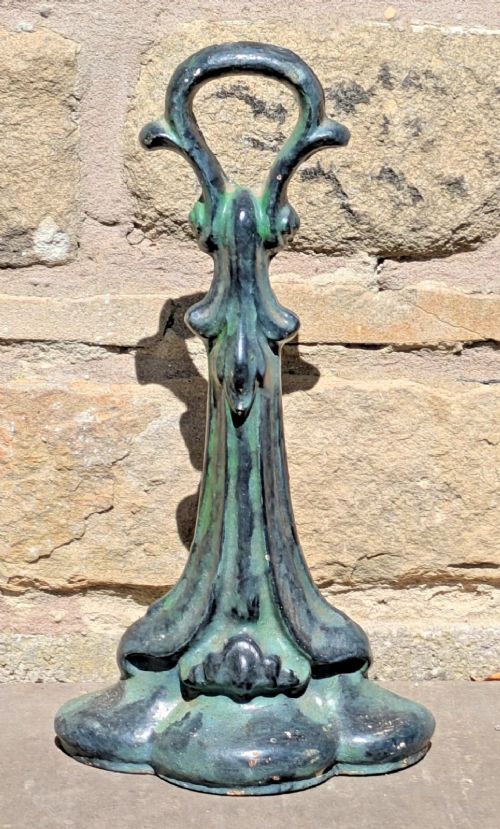
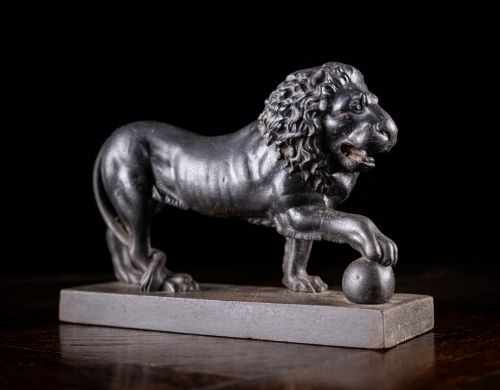
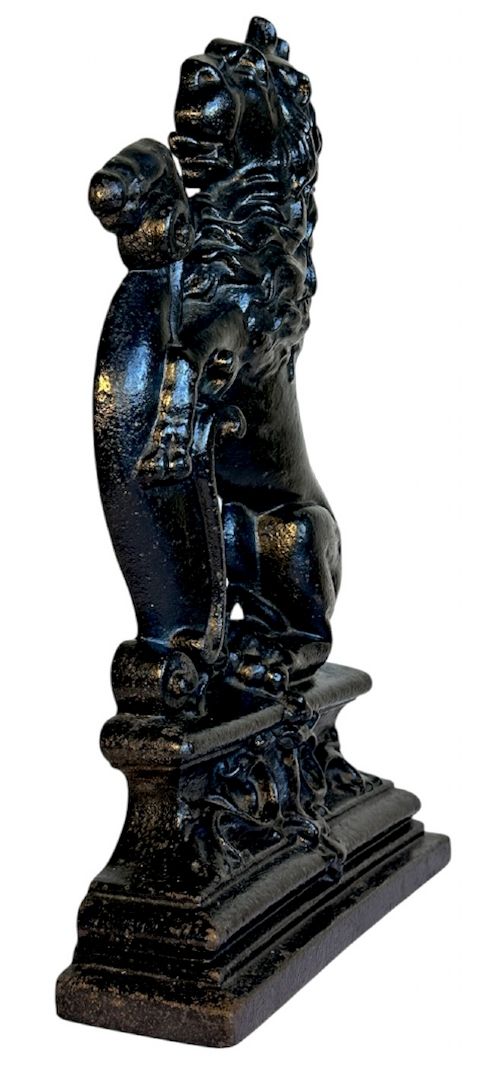
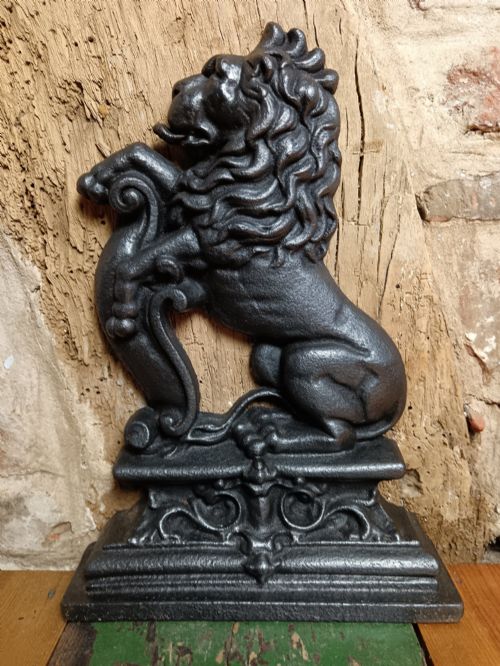
The most common examples on this page take the form of heavy cast iron doorstops shaped as lions, figures such as Lord Nelson and Mr Punch, animals, and architectural motifs. They date principally from the Victorian period through to the Edwardian era, spanning the nineteenth and early twentieth centuries.
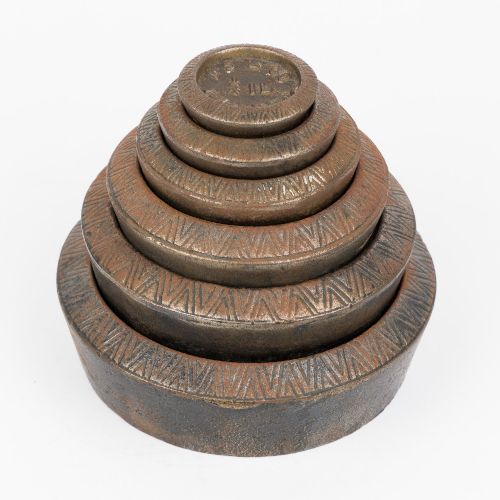
Beyond doorstops, the selection includes desk paperweights, stacking scale sets and balance scales incorporating brass and wrought iron components. These functional objects reflect the heavy industrial output and domestic requirements of nineteenth-century Britain.
Cast iron and mixed metals
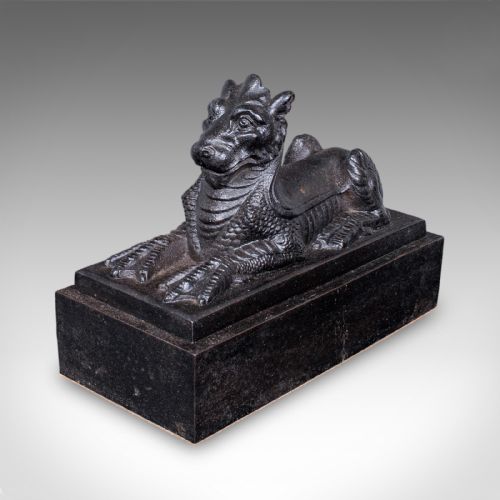
Most pieces rely on cast iron, poured into sand moulds to create crisp figurative details and heavy solid forms. This technique allows for complex sculptural shapes like rampant lions, sphinxes, dolphins and historical figures.
Antique Iron Weight Retail Price Guide 2026
Typical asking prices for iron weight among the pieces listed under this phrase on Sellingantiques today, from the lower quarter to the upper quarter. They describe what is for sale here now, not the wider market.
Mr Punch and Lord Nelson stand shoulder-to-shoulder with cast iron bulldogs, dolphins, and butchers' scales.
Casting crispness and surface preservation
The condition of the surface also separates examples, as pieces retaining honest patination, intact structural junctions, and original paint surfaces hold greater integrity than heavily stripped or over-painted items.
Archibald Kenrick & Sons·Palethorpes
The Antique Iron Weight Glossary
- Door porter
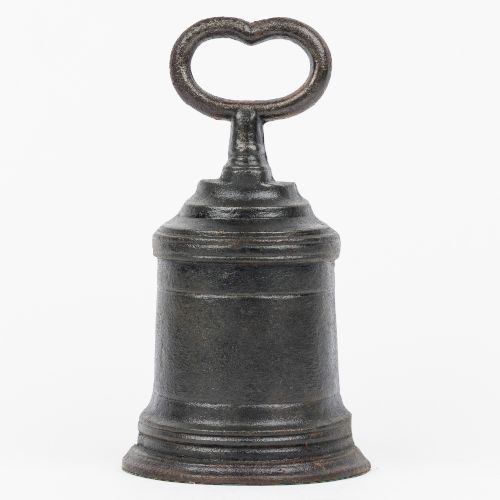
- A heavy portable stop used to keep interior doors open against drafts. These often feature an integrated handle at the top for lifting.
- Cast iron
- An iron-carbon alloy poured into moulds to produce rigid, heavy objects. It forms the primary structural material for these doorstops and weights.
- Imperial stacking weights
- A calibrated set of metal blocks designed to nest or stack within a balance scale. They measure mass under traditional British standards.
- Egyptian Revival
- A nineteenth-century design style drawing on motifs from ancient Egypt, such as sphinxes. This aesthetic appears on select doorstops from the Regency period onward.
- Patina
- The surface sheen and oxidation developed through age and handling. This natural layer distinguishes older metalwork from recent reproductions.
Antique Iron Weight: Frequently Asked Questions
How heavy are these doorstops?
Most cast iron doorstops weigh several kilograms, providing sufficient mass to hold heavy interior doors firmly in place.
Their substantial heft reflects their original working function as utilitarian door porters and heavy desk accessories.
How do I care for cast iron?
Keep cast iron dry and dust it gently with a soft cloth to protect the metal and any surviving surface finishes.
Avoid using water or harsh chemical cleaners, which can cause oxidation or strip historic patination from the iron.
How can I tell the period?
Dating relies on stylistic clues like Regency Egyptian motifs, Victorian Gothic revival details, and Edwardian proportions.
Manufacturing traits, such as the texture of early sand-cast iron and the style of fixings, also help indicate the era.