

Antique Iron Trunk
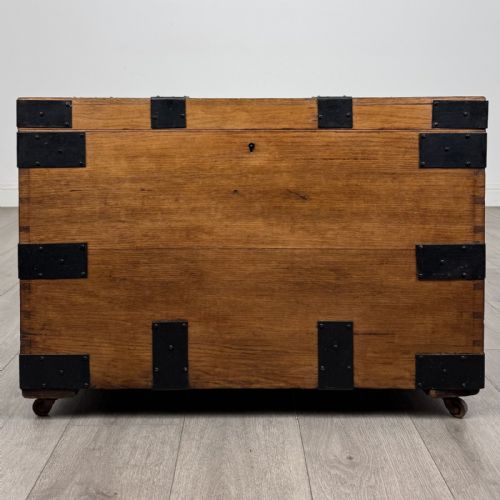
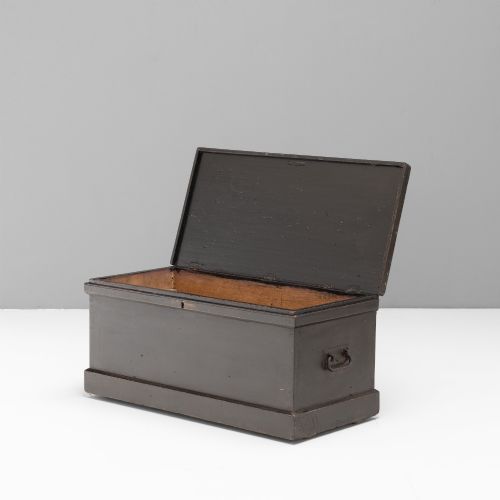
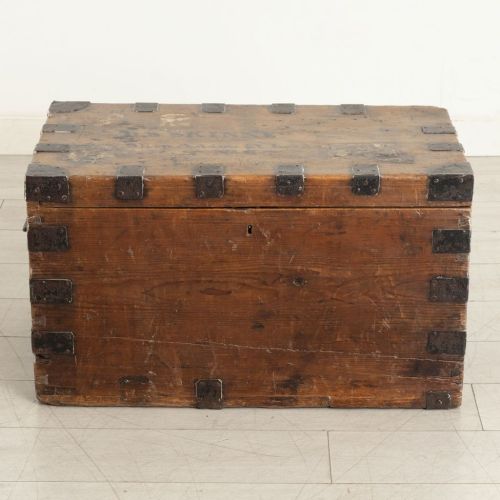
An antique iron trunk provides robust storage, bringing forged metal strapwork and heavy timber into modern rooms.
Antique Iron Trunk
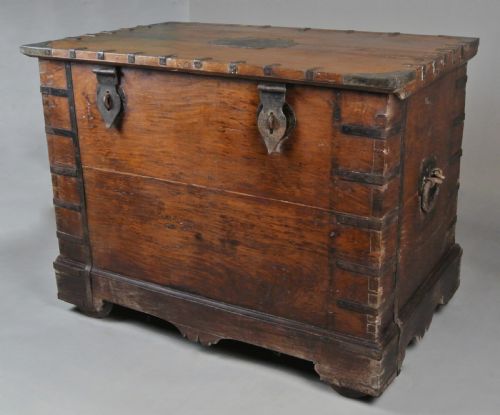
An antique iron trunk is a heavy storage container reinforced with metal straps, bands, or corner plates, often constructed from timber such as pine, oak, or teak. These pieces originate from various historical eras, including the seventeenth, eighteenth, and nineteenth centuries, reflecting domestic, military, and maritime travel uses.
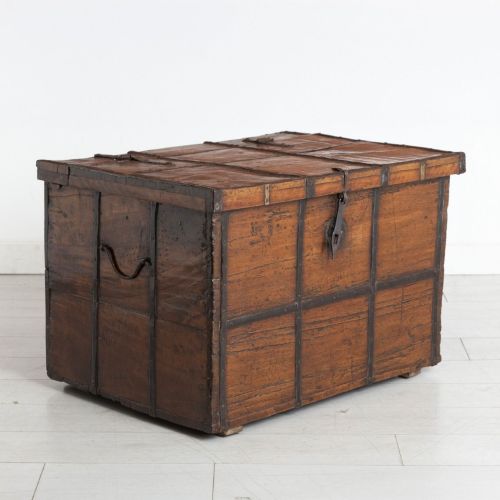
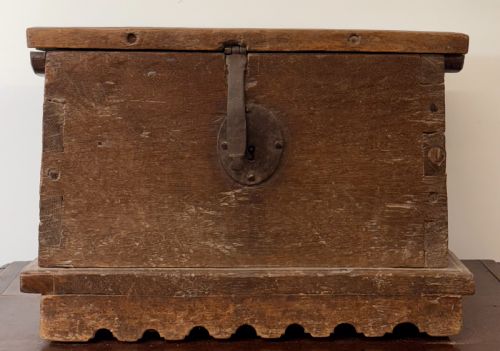
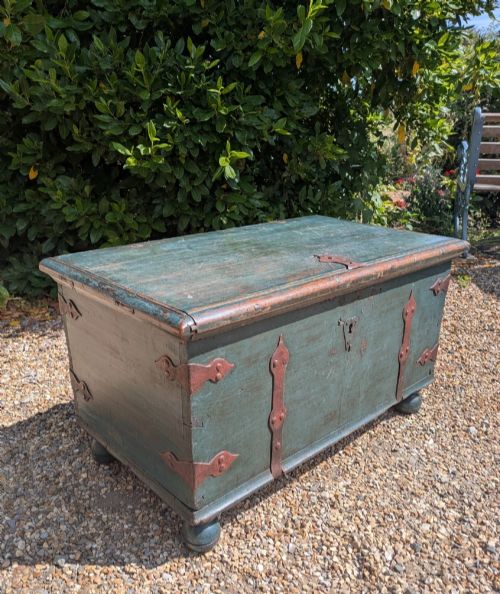
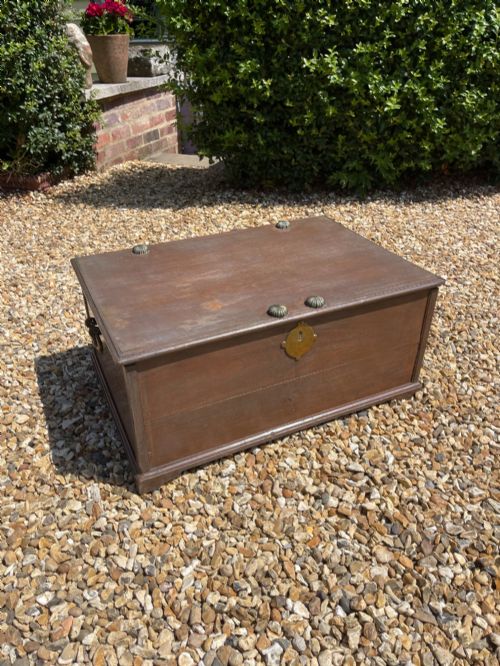
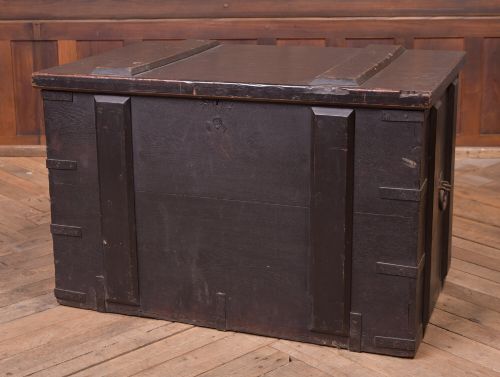
The versions most commonly met on this page are nineteenth-century pine or teak chests fitted with iron bindings and carrying handles, alongside earlier oak coffers and campaign boxes. Buyers encounter domestic blanket chests, dome-top travelling trunks, and heavily reinforced strongboxes designed for security and transport.
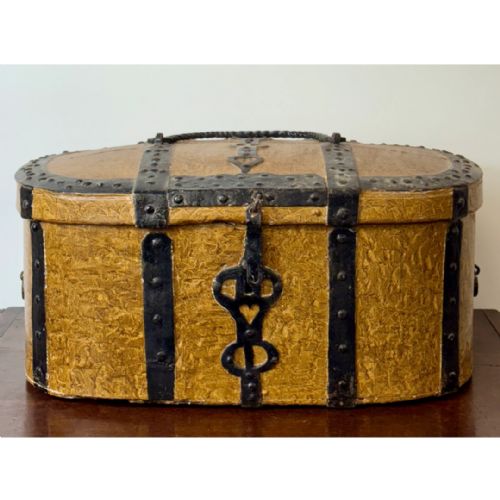
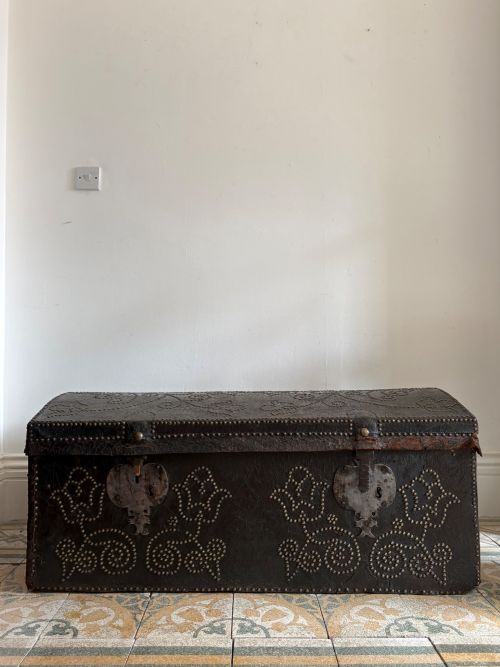
Regional variations appear frequently, ranging from Scandinavian folk art painted pine boxes to colonial hardwood trunks and Dutch leather-studded dome-top examples. Each piece displays utilitarian construction methods adapted for specific storage tasks, whether holding silver, military equipment, or dowry items.
How they were made
Makers constructed the primary bodies of these trunks using solid timber boards of oak, pine, elm, or teak, frequently joined with dovetail, plank, or panel techniques. Iron strapwork, bands, and corner brackets were then hot-forged and applied across the exterior to reinforce the wooden structure against heavy travel and impact.
Security mechanisms formed an integral part of the manufacturing process, incorporating complex steel locks, intricate internal locking plates, and brass or iron drop handles. Surface finishes varied from natural waxed hardwoods to hand-painted folk art schemes, green or faux-wood paint, and protective leather coverings studded with brass pins.
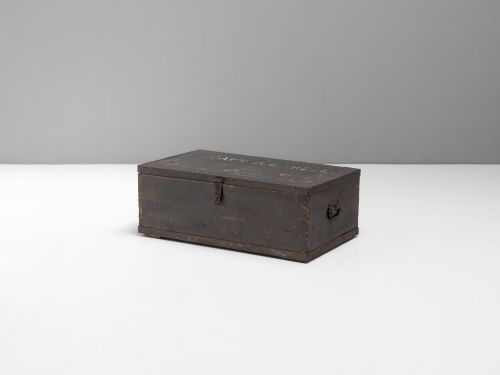
Several trunks retain their original military deployment labels, recording long journeys across colonial territories and battlefields.
What varies in quality
Quality in these pieces rests on the integrity of the original construction and the survival of secondary elements like locks, hinges, and paint surfaces. Trunks retaining their complex original steel locking mechanisms and untouched hand-forged strapwork sit at the higher end of the range.
The choice of primary timber also dictates the character and build standard, with dense hardwoods like teak and early figured oak representing superior cabinet-making compared to utilitarian pine boxes. Furthermore, the presence of documented provenance, historical campaign history, or untouched folk art decoration elevates the significance of an individual piece.
The Antique Iron Trunk Glossary
- Dome top
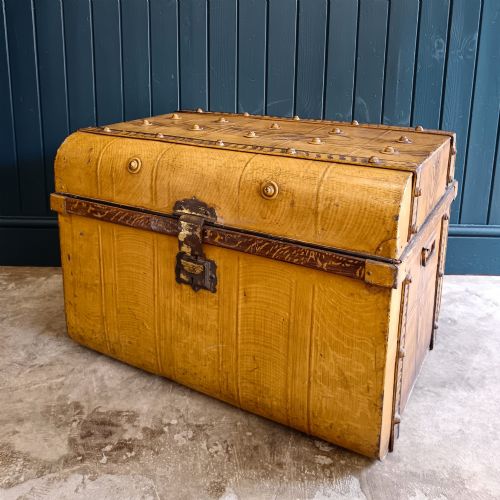
- A rounded lid profile designed to shed water during travel on the roofs of carriages or coaches. This shape also provided extra vertical storage space inside the chest.
- Campaign chest
- Portable furniture built in sections with recessed brass handles, designed for dismantling and transport by military officers on active service. These pieces prioritised sturdy construction and modular packing.
- Strongbox
- A heavily secured small chest or box constructed with thick timbers and complex internal locking systems for valuables. They frequently feature intricate steel mechanisms mounted inside the lid.
- Dowry chest
- A large storage box commissioned or acquired to hold household linens, clothing, and valuables for a marriage. These pieces often display regional decorative carving, paintwork, or elaborate metal banding.
- Six-plank coffer
- An early form of storage chest constructed from six simple boards joined at the edges with pegs or dovetails. It represents a primitive and robust method of domestic container building.
Antique Iron Trunk: Frequently Asked Questions
How were antique iron trunks used?
These trunks served primarily for secure transport and storage of personal belongings, valuables, military equipment, and household silver during travel by ship, coach, or rail. Their heavy timber walls and iron strapwork protected contents against rough handling, moisture, and theft.
In domestic settings, smaller versions functioned as strongboxes or blanket boxes, while larger examples remained in hallways or bedchambers for heavy textiles. Their sturdy construction allowed them to double as tables or benches during transit.
What is an Armada chest?
An Armada chest is a heavy iron-banded storage box produced in continental Europe, particularly Germany, during the sixteenth and seventeenth centuries. They are characterised by complex internal locking mechanisms that operate multiple spring bolts simultaneously with a single key.
Despite the traditional folk name linking them to the Spanish fleet, these containers were actually commercial strongboxes used by merchants, banks, and governments for securing currency and documents.
How do I care for an antique iron trunk?
Maintenance involves keeping the timber and metal surfaces in a stable environment away from direct heat sources and excessive moisture. Applying a light microcrystalline wax to the wood helps nourish the grain without attracting dust, while dry brushing keeps iron strapwork clean.
Avoid using harsh chemical polishes or water on painted surfaces or exposed metal, as these can damage original patination and accelerate corrosion. Inspect hinges and lock plates periodically to ensure moving parts remain free of friction.
How can I tell the age of a trunk?
Dating relies on examining construction marks, timber species, hinge types, and lock technology. Earlier pieces from the sixteenth and seventeenth centuries typically feature hand-riven oak, forged iron strapwork held by handmade nails, and simple butt or dovetail joints.
Nineteenth-century examples introduce machine-sawn timber, standardised screws, cast iron components, and broader use of pine or exotic hardwoods like teak. Original painted decoration, hardware styles, and historical labels or inscriptions also provide direct clues to the period of manufacture.