
Antique Iron Table
An antique iron table brings industrial strength and enduring utility into a room, spanning garden bistro pieces and heavy marble-topped console surfaces.
Antique Iron Table
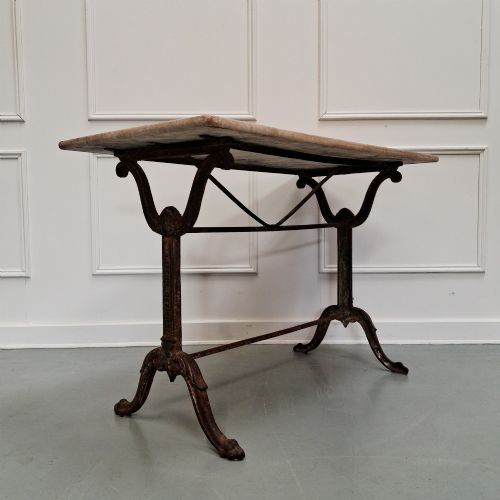
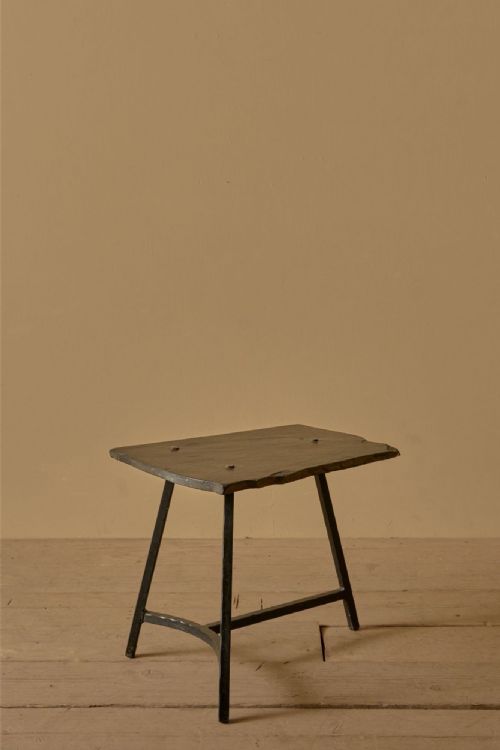
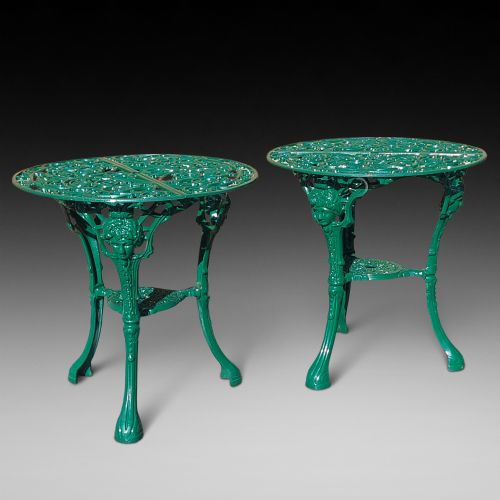
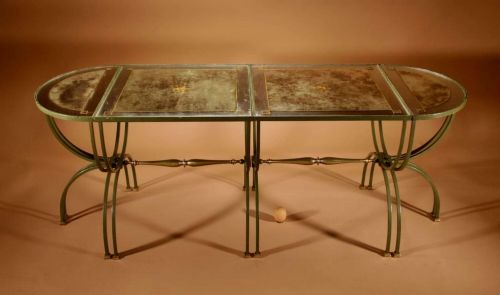
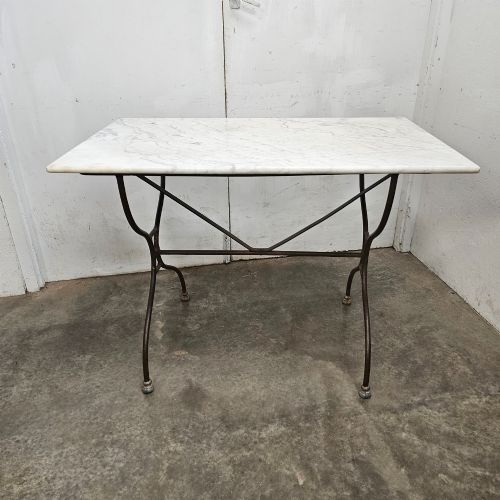
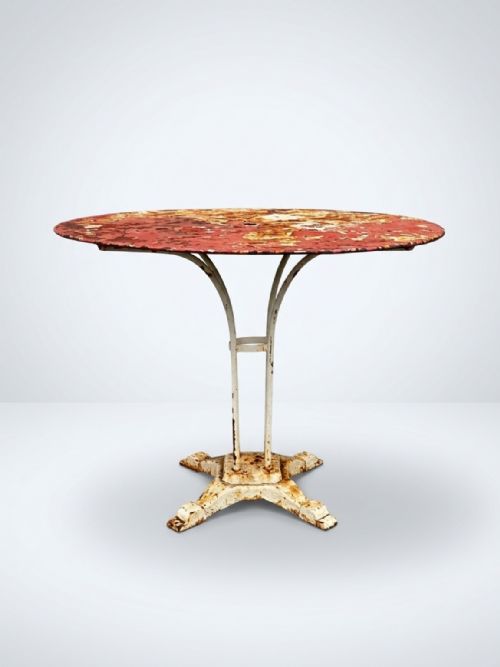
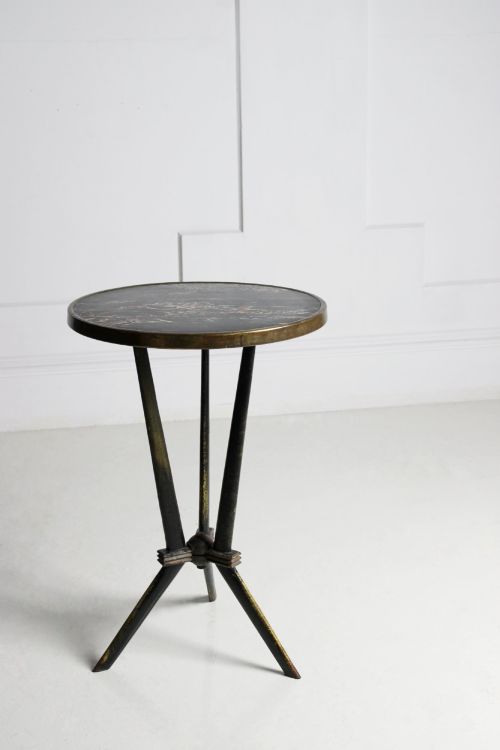
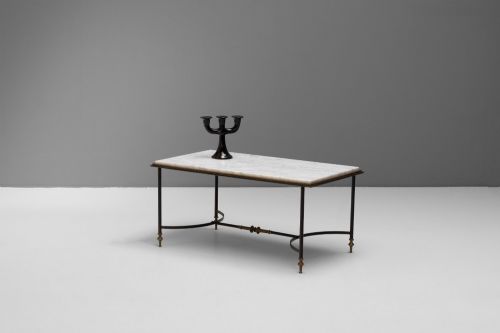
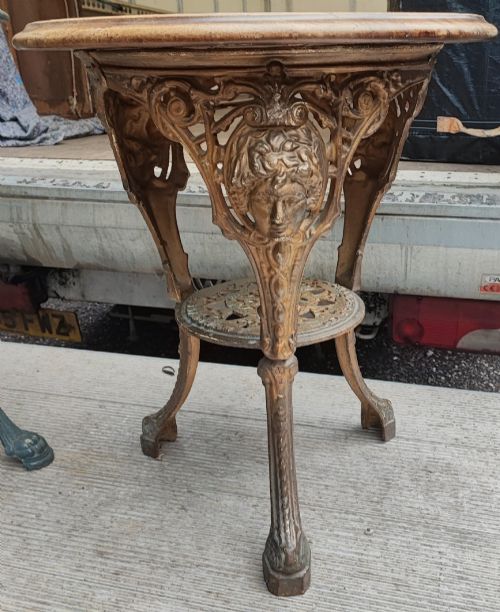
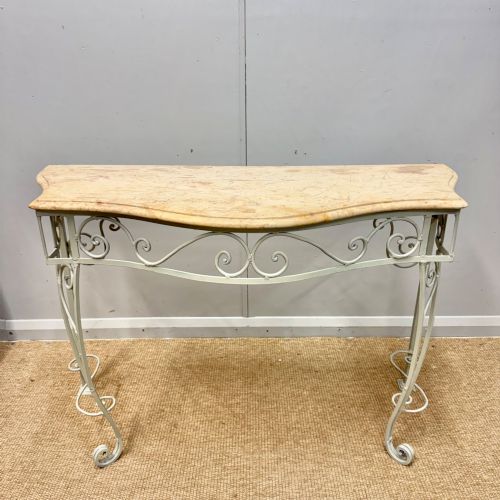
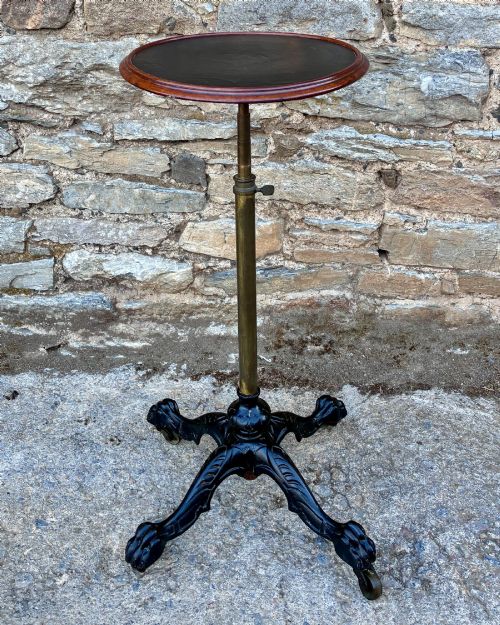
An antique iron table covers a broad spectrum of domestic and garden forms, most frequently appearing as a cast iron bistro table, a pub table, or a marble-topped console. These objects emerge from periods ranging from the nineteenth century through the art deco era, incorporating French country designs and robust industrial bases such as sewing machine frames.
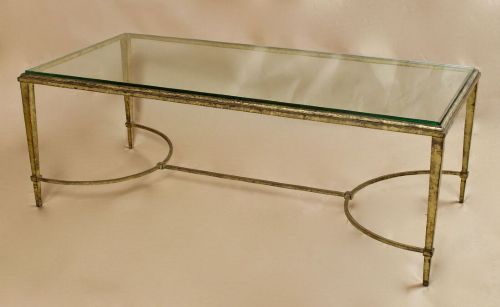
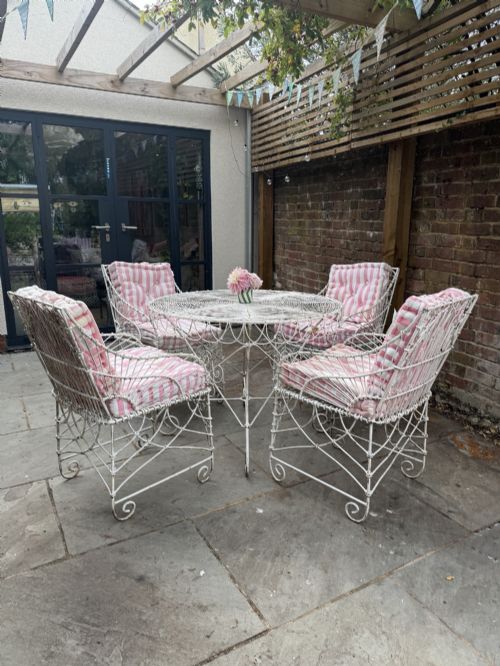
The materials paired with the metal define the specific utility of each piece, uniting heavy cast or wrought iron frames with surfaces of marble, wood, glass, or brass. Buyers encounter garden sets complete with matching chairs, alongside refined console tables intended for interior halls and cafes.
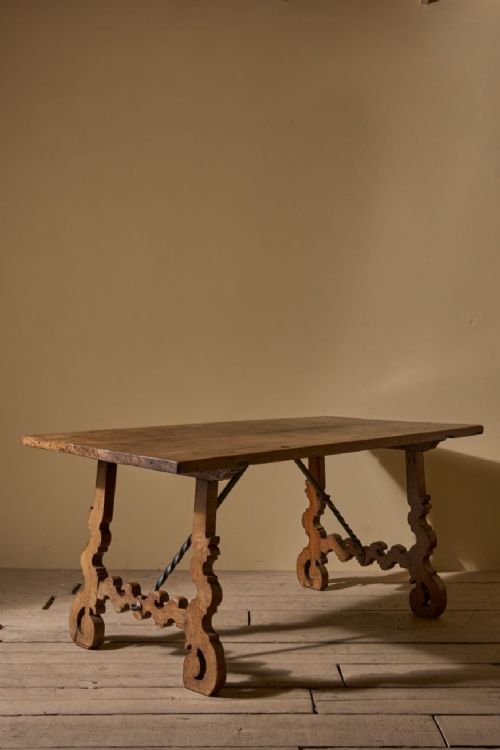
Origins stretch from English Victorian workshops to French provincial settings, encompassing Spanish walnut combinations and estate-made garden racks. Each iteration serves a distinct spatial function, whether supporting a morning coffee outdoors or anchoring a hallway with a serpentine marble top.
How they were made
Makers utilised molten casting techniques for ornate table bases, pouring iron into sand moulds to create intricate Victorian scrollwork, animal motifs, and structural pedestals. Wrought iron elements required manual heating and hammering at the forge, yielding flexible structural braces and decorative scrolls for console and coffee tables.
Surface integration relied on combining metal frames with heavy stone slabs, notably marble and elm or walnut wood, secured through precise joinery or resting securely within iron galleries. Paint finishes, brass accents, and hand-hammered copper details completed the fabrication process, balancing raw industrial durability with decorative refinement.
Some nineteenth-century garden tables carry the weight of an entire neighbourhood's gossip, having survived decades outside village pubs.
What varies in quality
The distinction between standard utility furniture and superior examples lies in the crispness of the iron casting and the integrity of the secondary materials. Pieces produced from identifiable design traditions or attributed to specific makers display sharper relief in floral or geometric motifs and superior alignment in multi-part bases.
Originality of components dictates the standing of a piece, particularly where marble tops, glass inserts, or wooden surfaces meet the iron frame without later modification. Heavier gauge metalwork and untouched patinas on both the cast elements and the accompanying paint surfaces denote higher grade manufacture.
Christopher Dresser·Jones Sewing·Singer Sewing Machine·Tanns Defiance
The Antique Iron Table Glossary
- Cast iron
- Iron poured into a mould while molten to form rigid, highly detailed structural and decorative components. This technique allows for complex patterns and sturdy pedestals found on bistro and garden tables.
- Wrought iron
- Iron heated and shaped by hand with a hammer and anvil, producing fibrous, resilient structures. It provides the slender, strong framework for console tables and decorative bases.
- Console table
- A table designed to stand against a wall, frequently featuring a marble or wood top supported by an iron bracket or base. These pieces often serve entryways and hallways.
- Bistro table
- A small café or garden table featuring a central iron pedestal and a round marble or wooden top. They originated for use in tight commercial spaces and outdoor seating.
- Marble top
- A polished stone surface fitted to iron bases, offering a cool, durable working area resistant to heat and moisture. It is a defining feature of French cafe and console furniture.
Antique Iron Table: Frequently Asked Questions
How do I clean a marble top iron table?
Wipe the stone surface gently using a damp cloth with mild soap, avoiding acidic cleaners that etch the polish. Dry thoroughly to protect both the stone and the adjacent metal frame.
Keep the iron base free of moisture accumulation by dusting with a dry cloth. Preventative maintenance preserves the original patina without stripping historical finishes.
Can these garden tables stay outside year-round?
Cast and wrought iron withstand outdoor conditions well, though prolonged exposure to winter moisture encourages oxidation. Storing pieces under cover during harsh weather protects painted surfaces and joined elements.
Indoor use requires no special precautions beyond standard furniture care. Placing felt pads beneath iron feet protects delicate flooring from heavy weight and potential scratching.
How can I tell a Victorian iron table from a later piece?
Victorian examples typically feature heavier sand-cast components with deep relief patterns and traditional assembly methods such as threaded bolts and hand-cut nuts. The weight and density of the metal often exceed twentieth-century reproductions.
Later pieces from the art deco or mid-century periods introduce cleaner geometric lines, alternative glass and brass combinations, or lighter tubular iron construction. Examining the casting seams and hardware provides clear indicators of age.
Were these tables originally used indoors or outdoors?
Usage depends entirely on the specific form, with lighter cast iron bistro and garden sets built specifically for open-air hospitality. Console tables, coffee tables, and display stands served domestic interior rooms.
Many cafe pieces transitioned fluidly between indoor dining rooms and pavement terraces. Today, owners adapt both categories freely to modern interior layouts and garden spaces.