


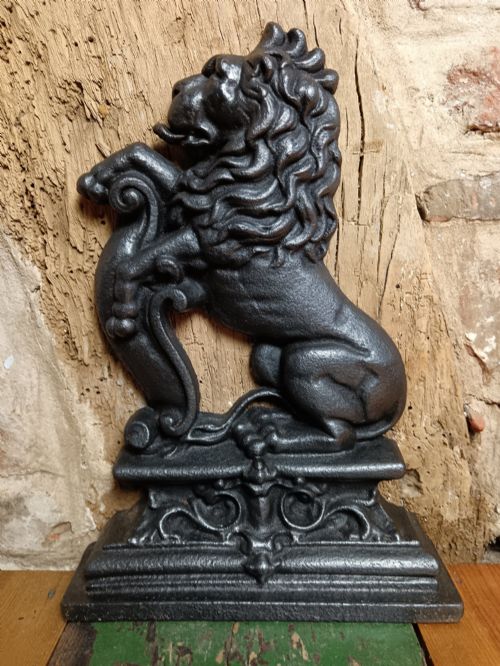


Antique Iron Sculpture
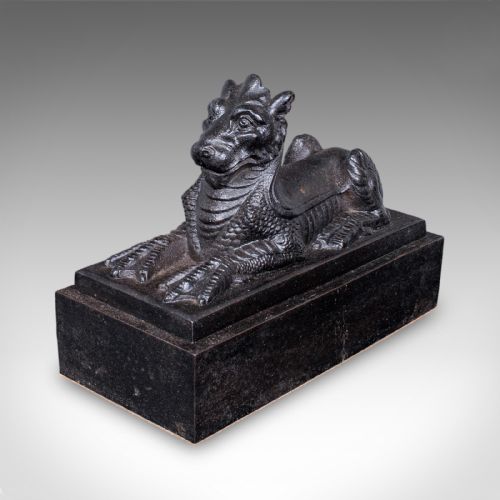
These antique iron sculpture pieces bring heavy substance and industrial weight to a room, ranging from utilitarian animals to architectural figures.
Antique Iron Sculpture
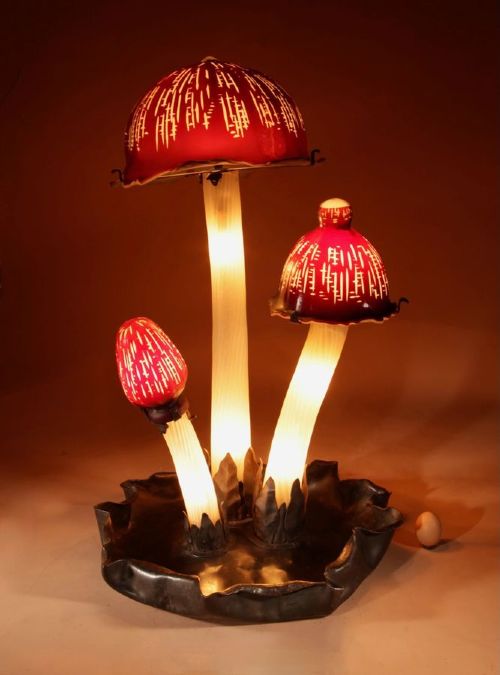
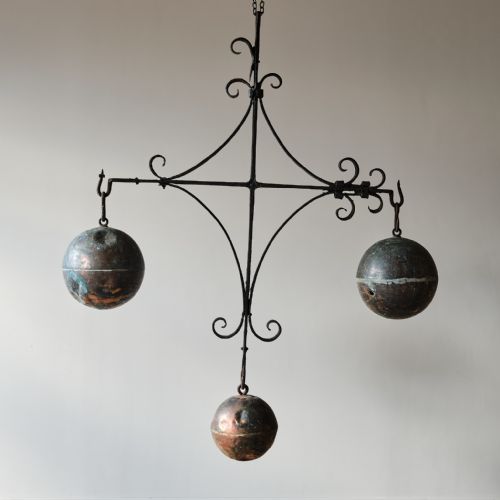
When you search for antique iron sculpture, you encounter a robust mix of utilitarian objects transformed into decorative figures, architectural salvage, and standalone statues. The selection spans the eighteenth, nineteenth, and early twentieth centuries, capturing domestic animals, heraldic beasts, and trade pieces.
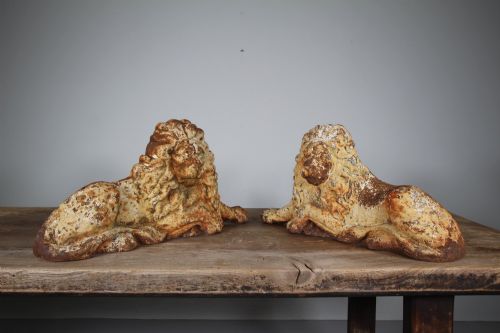
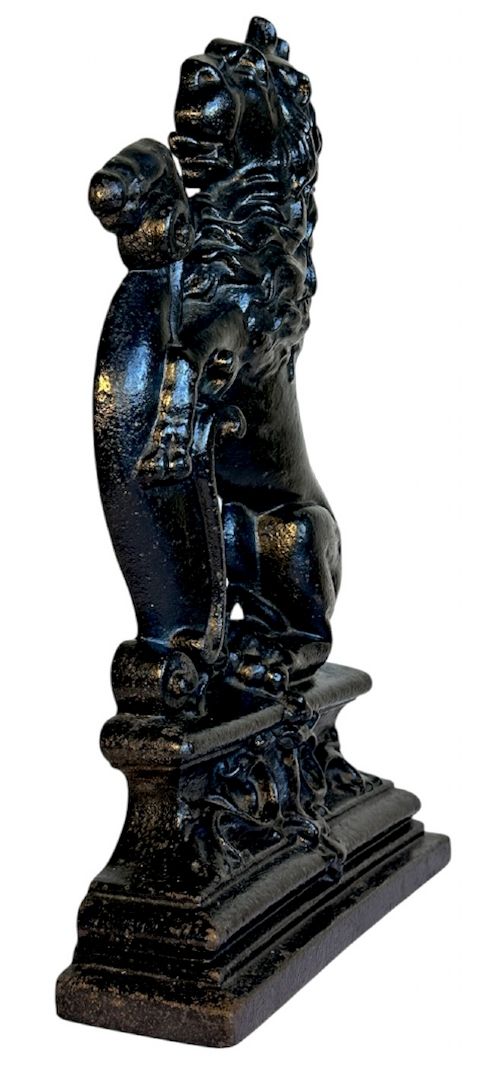
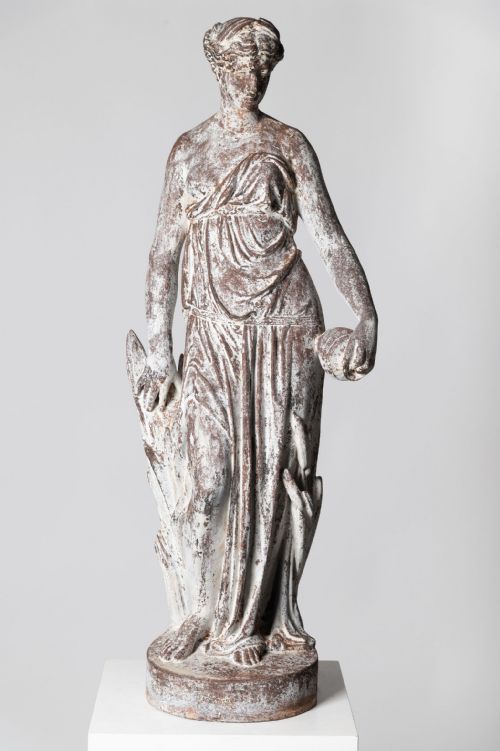
You frequently meet cast iron doorstops shaped as lions or elephants, alongside garden statues, weathervanes, and trade signs. These forms cross paths with folk art, rustic farmhouse styles, and occasional neoclassical details originating from English, French, and Asian makers.
How they were made
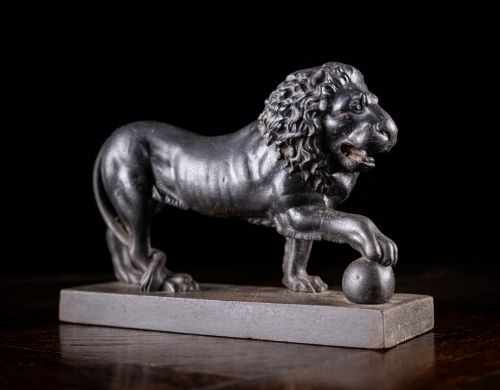
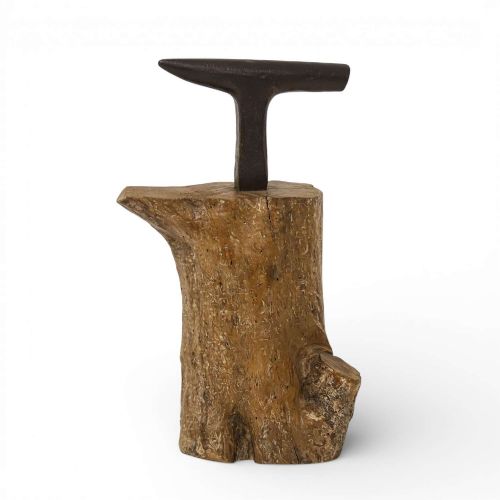
Foundries produced many of these pieces using cast iron poured into moulds, capturing crisp details for lions, dogs, and heraldic crests. Wrought iron elements relied on hot forging, shaping anchors and hardware by hand.
Makers often applied paint surfaces or bronze finish patinas to the metal, while some sculptures integrated wood, stone, or sheet metal components into the final design.
Antique Iron Sculpture Retail Price Guide 2026
Typical asking prices for iron sculpture among the pieces listed under this phrase on Sellingantiques today, from the lower quarter to the upper quarter. They describe what is for sale here now, not the wider market.
The listings feature nineteenth-century cast iron alongside eighteenth-century wrought iron anchors and sheet metal folk art.
What varies in quality
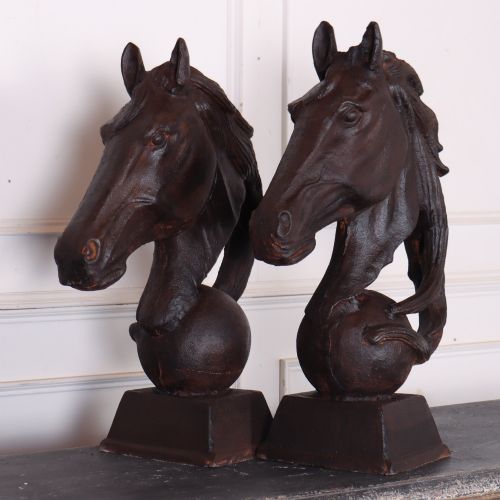
The precision of the casting distinguishes superior iron sculptures from plain production pieces, evident in the crispness of a lion's mane or the clean lines of a horse head. Clean, well-defined forms without surface pitting show greater sculptural intent.
Original painted surfaces and historic patinas add depth to the material, while later overpainting or heavy corrosion can obscure the underlying handwork and detail.
Val d’Osne foundry·Unno Shomin
The Antique Iron Sculpture Glossary
- Cast iron
- A hard, brittle alloy poured into moulds to create solid figures and decorative objects. It forms the backbone of heavy nineteenth-century doorstops and garden statues.
- Wrought iron
- Iron beaten and forged by hand while hot, yielding flexible, fibrous structures. This material appears in anchors, hardware, and structural mounts.
- Patina
- The surface sheen and colour acquired by metal through age, handling, and exposure. A stable patina preserves the historic character of the iron.
- Weathervane
- A kinetic sculpture mounted on a roof to show wind direction, often fashioned from sheet metal or iron in folk art traditions. These pieces combine utility with silhouette design.
- Okimono
- A Japanese display item carved or cast in metal, designed for interior placement on a shelf or table. These sculptures display meticulous attention to biological detail and subject matter.
Antique Iron Sculpture: Frequently Asked Questions
Where should I place a heavy iron sculpture?
Heavy cast iron pieces sit securely on sturdy wooden floors, stone hearths, or garden terraces where their substantial weight requires no additional anchoring.
Smaller items like doorstops or desk ornaments function well on floorboards, heavy sideboards, or deep windowsills.
How do I clean an old iron surface?
Dust the surface regularly with a dry, soft brush to remove loose dirt without disturbing the historic skin or paint. Avoid using water or harsh chemical solvents that might encourage rust formation on exposed metal.
Apply a light coat of microcrystalline wax if the dry metal needs protection against atmospheric moisture.
Can I leave cast iron statues outside?
Many cast iron figures, such as garden statues, urns, and architectural elements, were designed to withstand outdoor conditions. Over time, outdoor placement develops a weathered surface patina.
Painted or delicate folk art pieces fare better indoors away from persistent dampness and freezing rain.
How do I date an iron sculpture?
Examine the casting seams, tool marks, and fastening methods to understand the manufacturing technology used. Rough sand-cast textures often point towards nineteenth-century production.
Compare the stylistic motifs, such as Victorian heraldry or Edwardian proportions, with documented foundry catalogues and period examples.