


Antique Iron Hanger
An antique iron hanger brings robust utility and dark, forged texture into a room, offering functional hanging pieces shaped by centuries of heavy domestic use.
Antique Iron Hanger
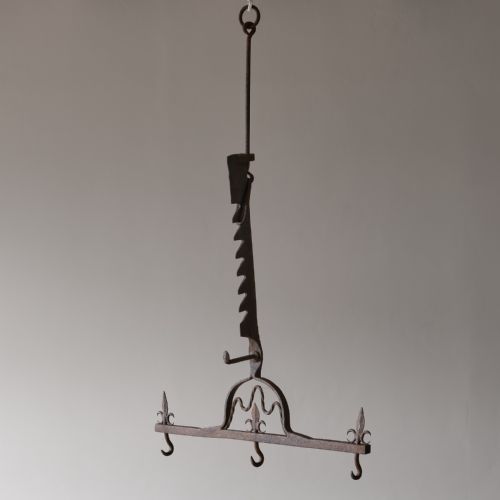
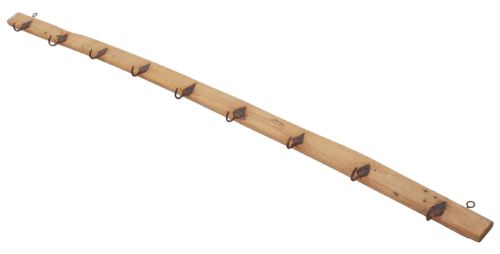
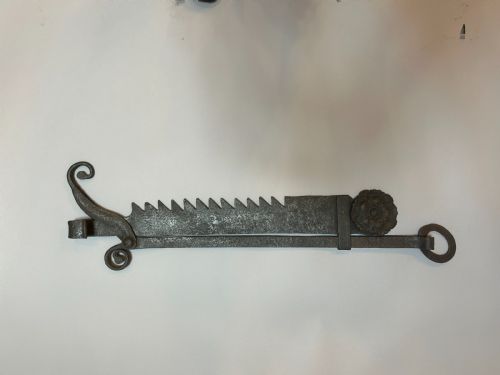
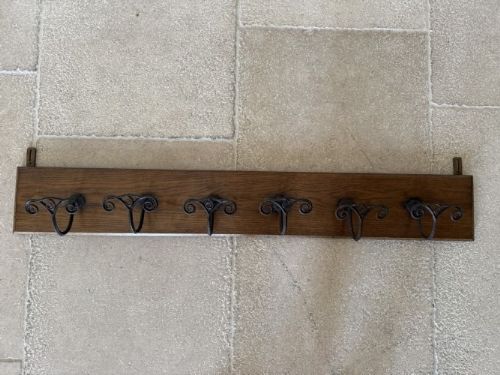
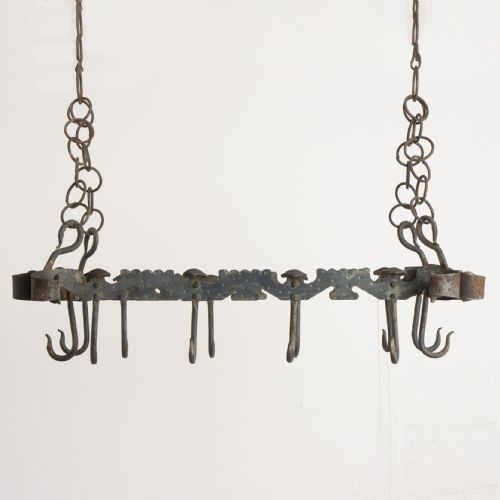
When you search for an antique iron hanger, you encounter a robust range of utilitarian domestic items primarily rooted in the eighteenth and nineteenth centuries. These pieces encompass everything from kitchen game hook racks and trammel pot hangers to wall-mounted coat hooks and sturdy hearth cranes.
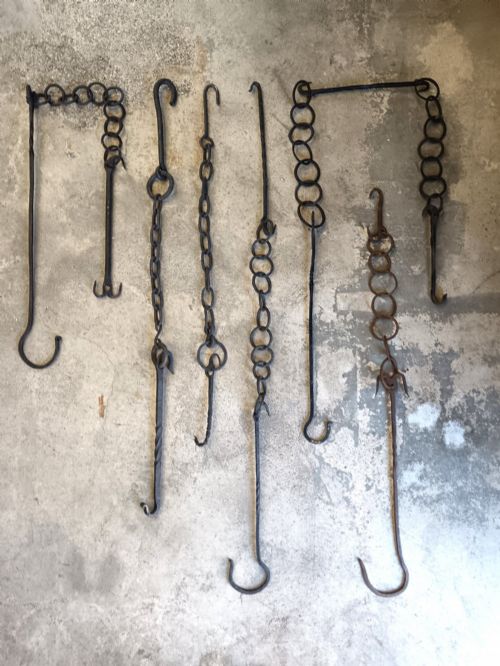
The versions you are most likely to meet on this page lean heavily toward utilitarian country house and vernacular forms. Examples span from simple hand-forged wrought iron chimney hooks to more elaborate Welsh hearth cranes and multi-tiered saucepan racks incorporating brass or wooden elements.
Origins stretch across vernacular styles such as Georgian Country, Victorian Country, and Rustic Country, alongside specific regional pieces from Wales. They capture the raw, honest graft of earlier domestic interiors where ironwork held up pots, meat, and lanterns above the fire.
How they were made
The construction relies fundamentally on hand-forging techniques applied to wrought iron and cast iron. Blacksmiths shaped the metal while hot over an anvil, beating and twisting bars to form hooks, trammels, and brackets designed to bear substantial weight.
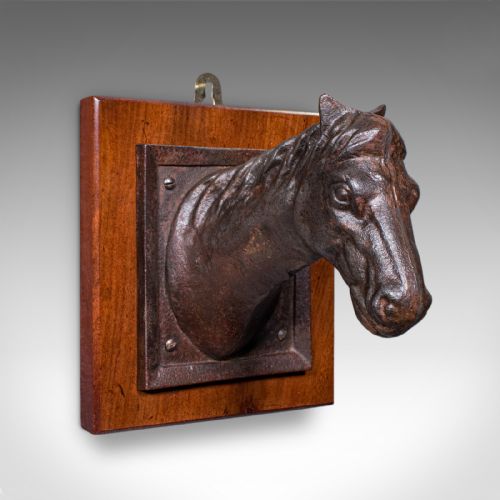
Many items incorporate mixed media, combining the cold, dark metal with natural woods like pine and oak, or mounting them on wooden boards for wall suspension. Brass components occasionally appear on adjustable mechanisms, adding subtle contrast to the heavy ironwork.
Some game hook racks still whisper faint tales of centuries-old kitchen dinners caught by hand and hung by the hearth.
What varies in quality
Quality rests in the fluidity of the blacksmith's hand-forging and the integrity of the surviving metal. Finer examples show deliberate taper, clean twists, and clever functional articulation, such as the ratchet adjustments on roasting trammels.
The presence of untouched original surfaces and patination separates superior pieces from heavily restored or later fabrications. Items retaining their original mounting boards, brass pins, or authentic structural wear carry a greater integrity of age.
The Antique Iron Hanger Glossary
- Wrought iron
- A tough, malleable form of iron containing slag inclusions, beaten into shape by a blacksmith while hot. This material yields the characteristic fibrous texture and dark surface found on early hooks and trammels.
- Trammel
- An adjustable mechanical hanger used in hearths to alter the height of cooking pots over an open fire. They often feature notched bars or sliding links.
- Chimney jack
- A specialised hanging device fitted inside a chimney flue to suspend meat for roasting over the hearth. They demonstrate the ingenious mechanical side of early kitchen ironwork.
- Vernacular
- Objects designed and made by local craftsmen for everyday use rather than high-style polite society. Welsh vernacular ironwork represents a distinct regional tradition within hearth equipment.
- Game hook rack
- A horizontal bar fitted with multiple hooks designed for hanging game birds or meats in larders and kitchens. They highlight the utilitarian storage methods of earlier rural homes.
Antique Iron Hanger: Frequently Asked Questions
How were iron hangers used?
These items served heavy domestic and culinary duties in historical kitchens and hearths. They suspended pots, kettles, and roasting meat directly over open fires.
Other forms acted as storage for coats, hats, game, and lanterns in hallways and larders. Their design prioritized sheer load-bearing strength and adjustable utility.
How do I date an iron hanger?
Dating relies heavily on manufacturing marks, tool traces, and the specific form of the ironwork. Hand-forging irregularities and assembly methods point towards eighteenth and early nineteenth-century origins.
Later Victorian and Edwardian examples often display more uniform machine-rolled iron or decorative flourishes. Associated wood backing boards and mounting hardware also help anchor the period.
Can I mount these on modern walls?
Most wall-mounted hooks and racks require secure fixing into solid masonry or studwork due to the heavy weight of the iron. Proper wall anchors ensure the piece safely bears load without pulling away from the plaster.
Freestanding hearth pieces and trammels are generally suited for display as decorative objects rather than active weight-bearing use in modern settings.
What is a chimney crane?
A chimney crane is a pivoting iron arm mounted inside a large open fireplace to swing heavy pots on and off the fire safely. They allowed cooks to manage fires without lifting dangerous boiling liquids.
More elaborate Welsh examples showcase regional blacksmithing artistry combined with massive structural scale. They formed the central operating machinery of the historic hearth.