

Antique Iron Fire Grate
An antique iron fire grate brings architectural weight and functional warmth to a hearth, anchoring a room with period metalwork.
Antique Iron Fire Grate
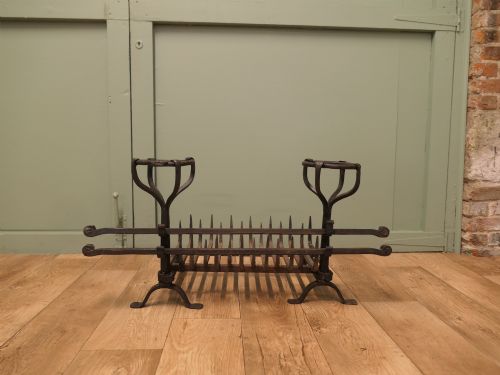
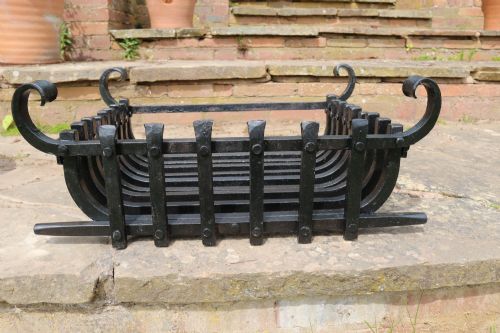
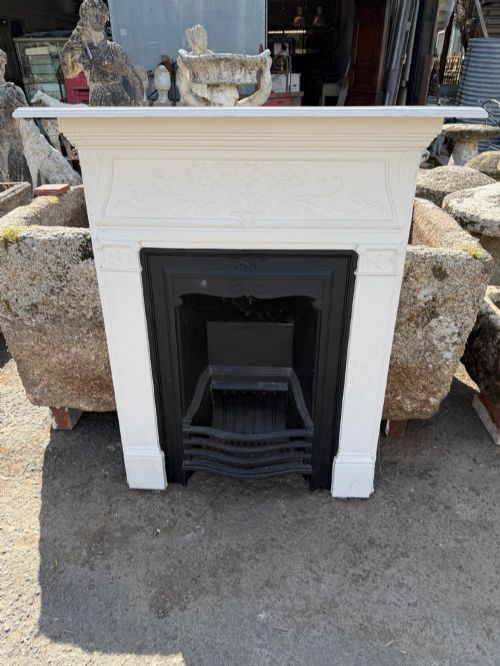
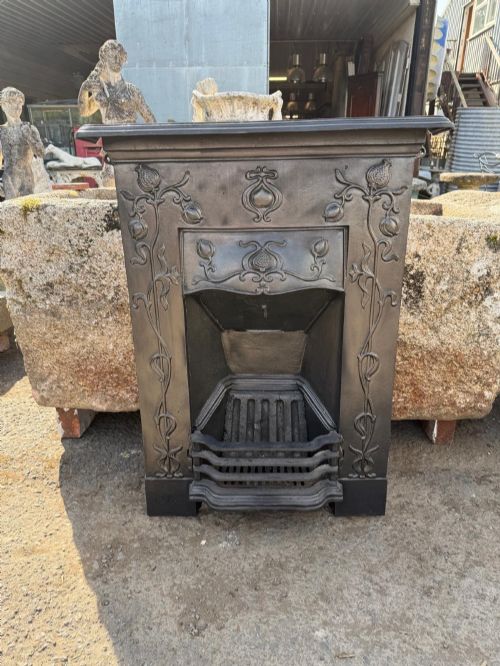
When searching for an antique iron fire grate, a buyer examines heavy hearth furniture designed to hold burning fuel safely within an open fireplace. These items span functional register grates, basket forms on andirons, and combination fireplaces originating from Georgian, Victorian, and Edwardian eras.
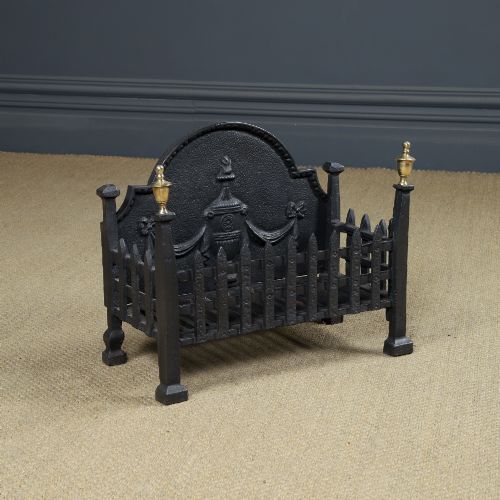
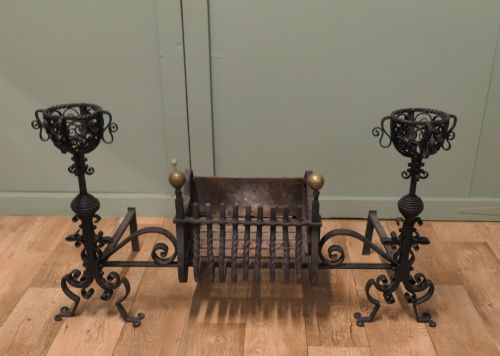
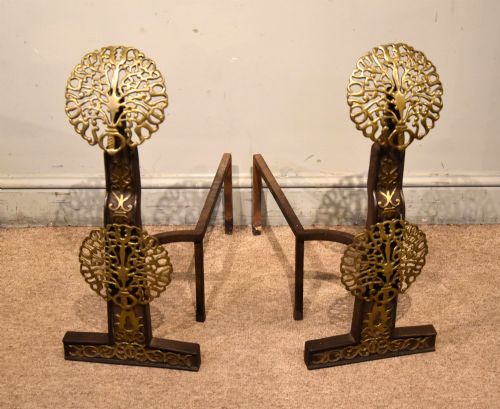
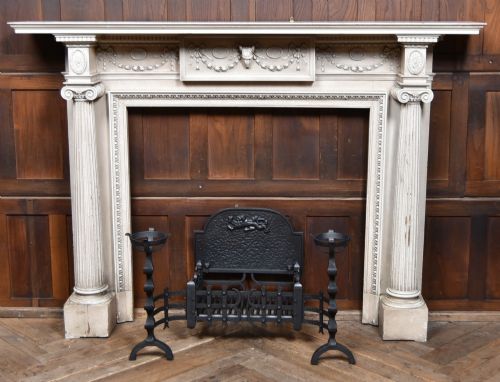
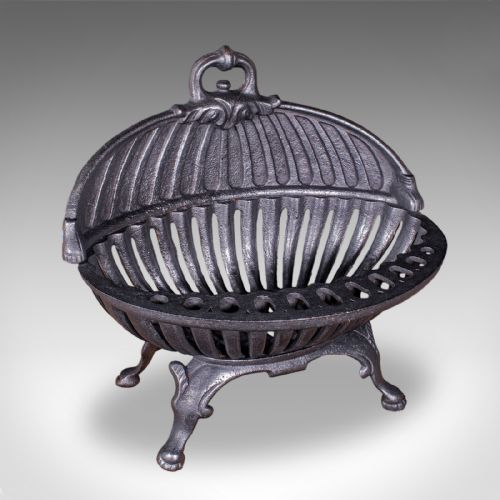
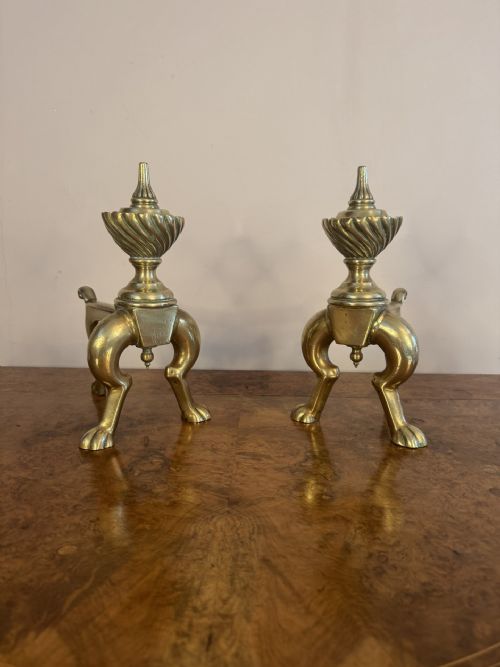
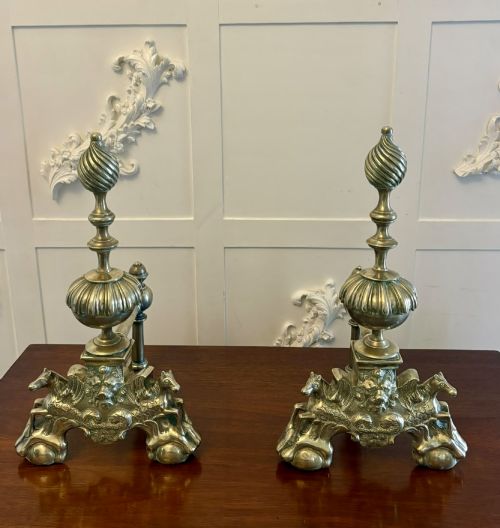
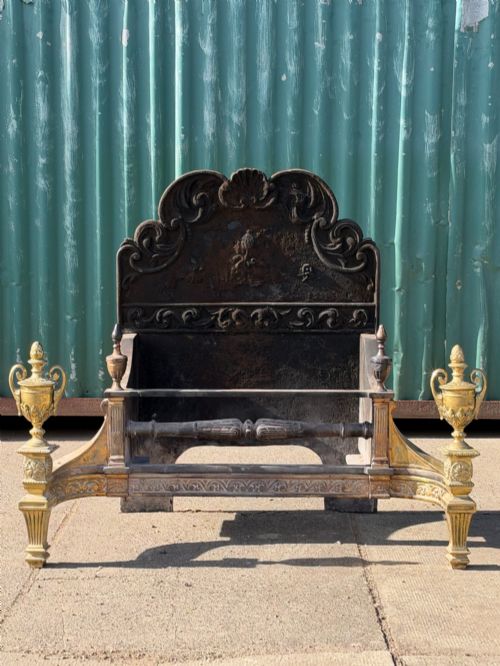
The most common examples on this page are freestanding fire baskets and hob grates forged or cast during the nineteenth century. Many incorporate integral firebacks, brass detailing, and matching fire dogs for complete hearth arrangements.
Materials and construction methods
Makers utilised durable cast iron for main structural basket frames and decorated firebacks, taking advantage of the metal's ability to withstand intense hearth temperatures without warping. Wrought iron was hammered into shape for lighter fire baskets, adding fibrous tensile strength to slender fire bars.
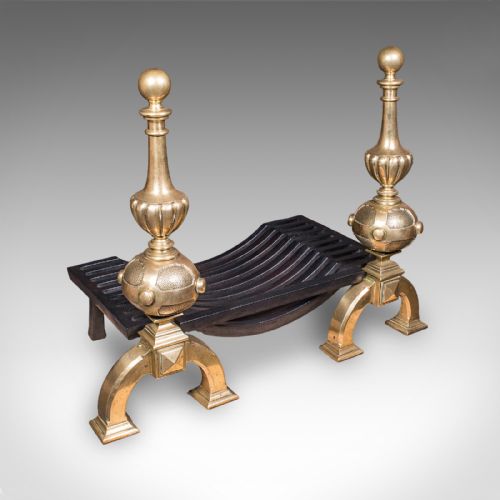
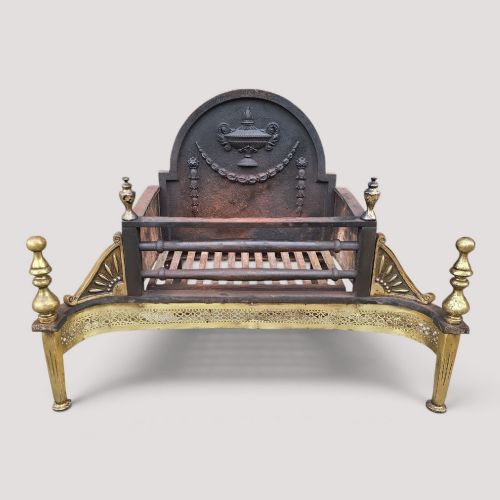
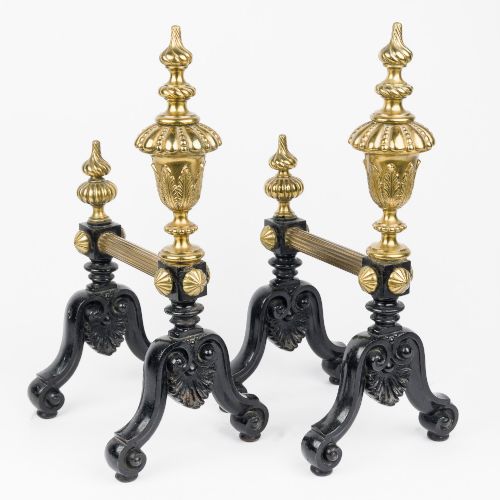
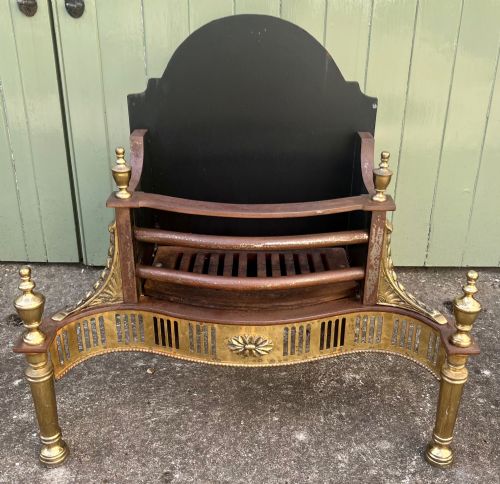
Brass and steel components were frequently added for decorative contrast on classical Regency and Adam style grates, providing polished highlights against dark cast iron. Firebrick linings were built into internal chambers to insulate the masonry and reflect thermal energy back into the room.
Antique Iron Fire Grate Retail Price Guide 2026
Typical asking prices for iron fire grate among the pieces listed under this phrase on Sellingantiques today, from the lower quarter to the upper quarter. They describe what is for sale here now, not the wider market.
A tiny Victorian salesman's sample allows a grand hearth design to fit comfortably on a tabletop.
Distinctions in manufacture and design
Quality rests in the precision of the casting and the depth of decorative relief work on elements such as firebacks and brass finials. Superior examples display crisp neoclassical motifs, well-proportioned iron bars, and integrated assemblies that remain structurally rigid under repeated thermal expansion.
Simpler utilitarian grates contrast with elaborate country house sets featuring matched andirons, parcel-gilt bronze mounts, and intricate Gothic or Renaissance detailing. The presence of secondary metals like heavy brass and structural steel signals higher expenditure during the original period of production.
The Antique Iron Fire Grate Glossary
- Fire grate
- An iron basket or frame built to hold coal, logs, or other solid fuel inside a fireplace. It sits directly on the hearth or elevates on legs and andirons.
- Andirons
- A pair of horizontal metal supports placed in a fireplace to hold burning logs above the hearth floor. They often accompany open fire baskets.
- Hob grate
- A type of fireplace grate featuring raised metal side shelves used for heating kettles or food. These units became popular during the Georgian period.
- Fireback
- A heavy cast iron plate placed at the back of a fireplace to protect the masonry wall and reflect heat forward. Many feature raised historical or heraldic motifs.
- Register grate
- A fitted fireplace unit equipped with a movable metal flap or damper to control the draught and smoke exit up the chimney. They emerged during the late eighteenth century.
Antique Iron Fire Grate: Frequently Asked Questions
Will an antique iron fire grate fit a modern hearth?
Dimensions vary widely among antique iron fire grates, particularly between large inglenook models and small bedroom grates. Measuring the exact depth, width, and height of your fireplace opening is essential before selection.
Many period grates are freestanding or sit upon andirons, allowing for flexible placement within existing chimney openings. Professional installation ensures proper clearance and draught safety.
Can I burn real wood in an antique fire grate?
Most antique iron fire grates were constructed to handle solid fuel such as coal or wood, though internal firebrick linings should be checked for soundness. Burning dry hardwood is standard practice for open baskets and log grates.
Care must be taken not to overload heavy baskets with oversized logs that strain the vintage iron bars. Regular cleaning of ash prevents moisture retention and subsequent corrosion of the metal.
How do I clean and maintain cast iron fire furniture?
Maintenance involves removing residual ash promptly to prevent dampness from forming acidic compounds against the iron. A soft brush and dry cloth usually suffice for routine dusting of decorative surfaces.
Specialist grate polish or black lead can be applied sparingly to restore the dark finish of cast iron components. Brass and steel elements require specific metal cleaners to preserve their reflective polish without scratching the surrounding iron.
How do I identify the period of a fire grate?
Stylistic clues such as classical urn motifs point towards Georgian or Regency origins, while heavier, highly ornamented pieces often align with Victorian or Edwardian Gothic Revival tastes. Examining the manufacturing technique, from hand-wrought bars to machine-moulded castings, helps narrow down the production era.
Proportions also shift over time, with eighteenth-century examples favouring refined hob designs and later nineteenth-century pieces tending towards massive combination fireplaces.