





Antique Iron Cherubs
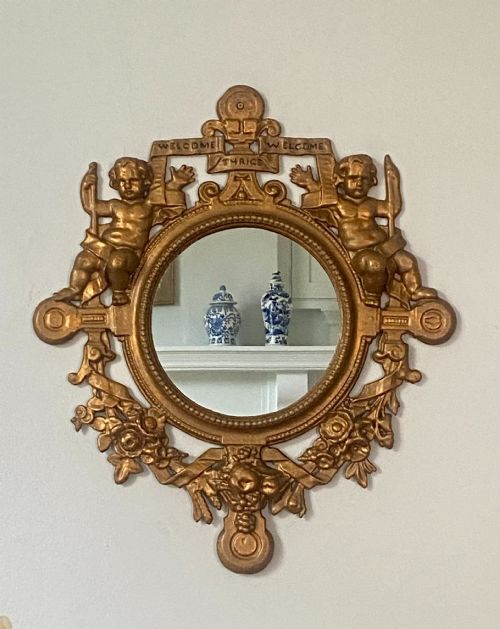
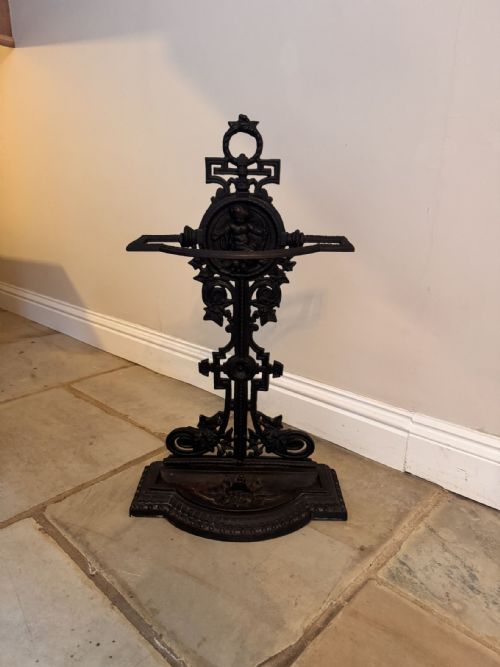
These antique iron cherubs bring robust metalwork and classical figures together into umbrella stands, firebacks, and mirrors.
Antique Iron Cherubs
When you search for antique iron cherubs, you encounter solid metal figures integrated into functional and decorative household items. The listings combine heavy utilitarian objects like umbrella stands and firebacks with sculptural elements derived from classical motifs.
You meet Victorian umbrella stands, garden ornaments, and fireplace accessories most frequently on this page. These pieces date from the seventeenth century through to the Edwardian period, though the nineteenth century provides the bulk of the domestic items.
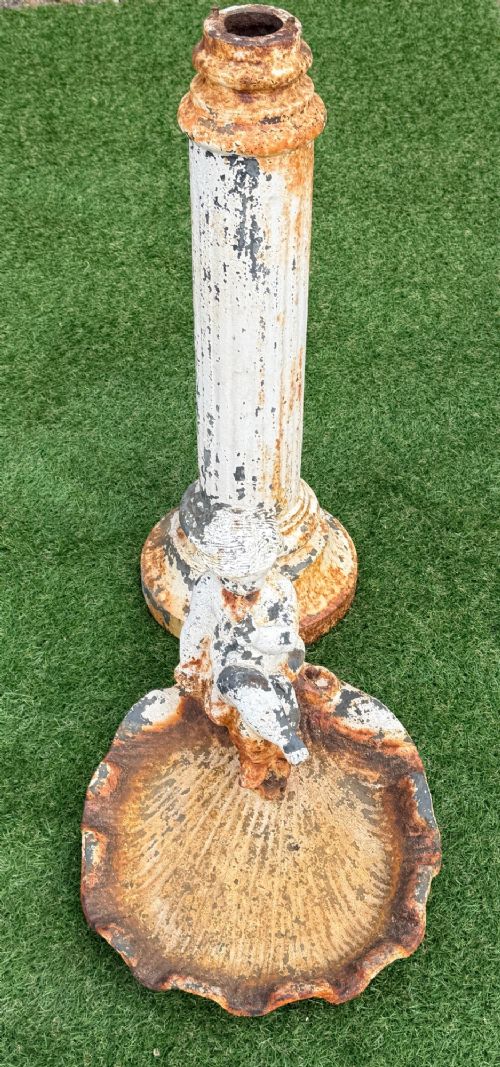
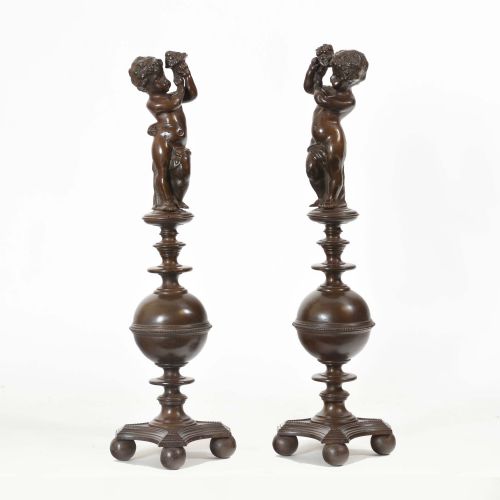
The forms range from wall mirrors and bird baths to heavy planters and firedogs. Iron and bronze dominate the construction, often paired with parcel gilt or ormolu mounts to highlight the cherubic figures.
How they were made
Foundries utilised cast iron and bronze to shape these substantial objects, pouring molten metal into moulds to capture the intricate details of the figures and foliage. Cast iron provided the structural weight needed for umbrella stands and firebacks, while bronze allowed for finer surface definition on chenets and mountings.
Many items received applied surface treatments such as paint, bronze finish, or parcel gilding to enhance their visual depth. Mirror glass and felt also appear as secondary materials in specific functional forms like frames and stands.
Antique Iron Cherubs Retail Price Guide 2026
Typical asking prices for iron cherubs among the pieces listed under this phrase on Sellingantiques today, from the lower quarter to the upper quarter. They describe what is for sale here now, not the wider market.
The listings span from the seventeenth century through to nineteen-ten, utilising cast iron, bronze, mirror glass, and felt.
What varies in quality
The definition in the casting separates the ordinary from the exceptional. Sharp relief on the cherubs and crisp edges on the surrounding scrollwork indicate careful pattern-making and skilled foundry work.
The integrity of the material and the preservation of original surface finishes determine the standing of each piece. Heavier castings designed for practical use, such as firebacks and umbrella stands, demand robust structural survival alongside clean surface detail.
Coalbrookdale
The Antique Iron Cherubs Glossary
- Cast iron
- A hard, relatively brittle alloy of iron and carbon that can be cast in a mould. It provides the heavy foundation for many Victorian umbrella stands and firebacks.
- Chenet
- An alternative term for an andiron used to support logs in an open fireplace. French examples frequently incorporate cast cherubs and parcel gilt surfaces.
- Fireback
- A heavy iron plate placed at the back of an open fireplace to reflect heat and protect the masonry. Early examples feature moulded figures and heraldic motifs.
- Ormolu
- Gilt bronze ornamentation applied to furniture and metalwork. It adds a bright metallic contrast to darker iron and bronze surfaces.
- Stick stand
- A piece of hallway furniture designed to hold walking sticks and umbrellas. They are commonly constructed from cast iron with integral drip trays.
Antique Iron Cherubs: Frequently Asked Questions
What were antique iron cherubs used for?
These pieces served practical roles around the home and garden, functioning as umbrella stands, firebacks, and garden ornaments. The cherubs themselves provided decorative sculptural relief derived from classical styles.
Heavier items managed daily household tasks like holding wet walking sticks or protecting fireplace walls from intense heat. Decorative frames and mirrors brought the same metalwork and figural motifs into reception rooms.
How do I identify a Victorian iron cherub piece?
Victorian pieces often combine utilitarian cast iron forms with Revival styles such as Classical, Baroque, or French Rococo. Look for hallway stands, fire furniture, and garden items bearing nineteenth-century characteristics.
Maker marks and registration numbers can occasionally confirm the period of manufacture. The presence of heavy cast iron combined with figurative ornamentation points directly to this era.
Where should I place an iron umbrella stand?
An iron umbrella stand belongs in a hallway or entrance lobby where its weight provides stability for heavy walking sticks and wet umbrellas. The robust nature of cast iron handles daily domestic traffic easily.
Ensure the floor surface can support a heavy metal object and check that any internal drip tray is managed properly. The piece works best as a functional anchor for an entryway.
Are these pieces made of solid bronze or iron?
The listings include objects made from cast iron, bronze, and bronzed cast iron. Some items feature mixed metals, combining iron structures with bronze or ormolu mounts.
Surface treatments such as paint or bronze finish are also common on iron pieces to alter their appearance. Each material contributes specific weight and colour properties to the finished object.