



Antique Iron Cannon
These antique iron cannon pieces bring historic ordnance into domestic and garden settings, offering solid cast metal construction and period maritime or military character.
Antique Iron Cannon
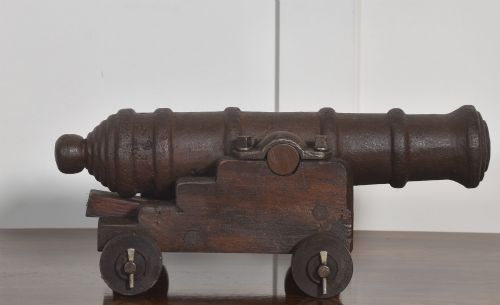
When you search for antique iron cannon, you encounter scale models, signal cannons, mortars, and garden ornaments spanning from pre-sixteenth century relics to early twentieth century productions. These objects range from heavy garden pieces and desktop ornaments to detailed field gun models complete with timber carriages.
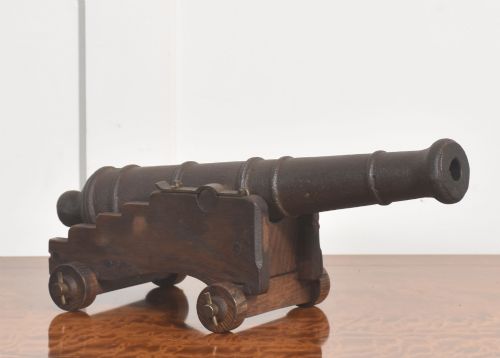
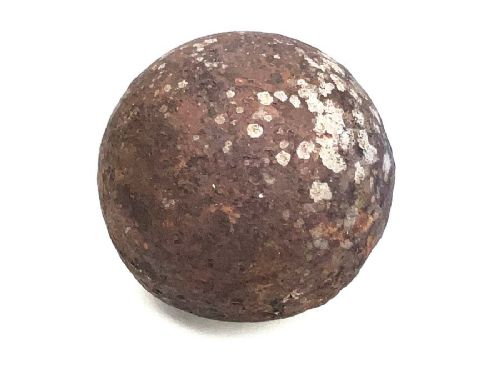
You are most likely to meet nineteenth century cast iron signal cannons mounted on oak carriages, alongside decorative French and English models incorporating brass and bronze components. The inventory also includes specialised items such as commemorative Crimean war pieces and historical cannon balls.
How they were made
The primary material across these pieces is cast iron, frequently paired with wooden elements such as oak for the mounting carriages. Metalwork often combines iron barrels with brass or bronze fittings, particularly on detailed scale models and ornamental field guns.
Construction techniques rely heavily on metal casting for the ordnance barrels and hardware, joined with fitted timber for carriages and bases. Surface finishes and markings reflect their operational or commemorative origins, from ordnance stamps to decorative renderings.
Antique Iron Cannon Retail Price Guide 2026
Typical asking prices for iron cannon among the pieces listed under this phrase on Sellingantiques today, from the lower quarter to the upper quarter. They describe what is for sale here now, not the wider market.
Listings span multiple eras including pre sixteenth century artefacts, Victorian pieces, and early twentieth century garden ornaments.
What varies in quality
Quality depends upon the precision of the casting work and the fidelity of the scale model proportions relative to historical artillery. Superior examples display crisp detailing in the metal barrel and robust, well-fitted carriage construction using traditional timbers like oak.
The distinction between ordinary decorative objects and higher grade pieces rests on whether the materials reflect genuine period ordnance specifications or simply serve as generic ornamental castings. Complete assemblies featuring matched carriages elevate the piece above loose barrels or basic desk ornaments.
The Antique Iron Cannon Glossary
- Signal cannon
- A small piece used to fire blank charges for starting yacht races, sounding alarms, or marking ceremonial occasions. These often sit on wooden carriages suitable for deck or lawn placement.
- Signal mortar
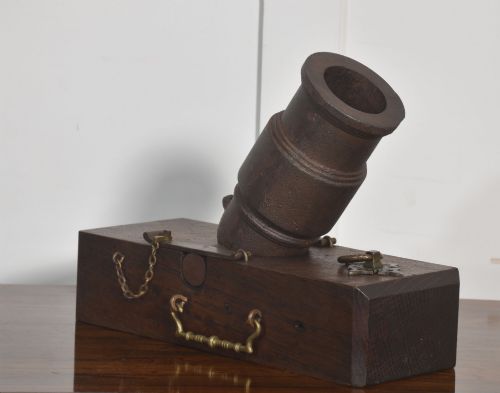
- A short, thick-walled piece designed to project noise straight upward rather than firing a flat projectile across a field. They share similar framing to standard signal cannons.
- Gribeauval field gun model
- A scale representation of the standardised artillery system introduced by French military reformer Jean-Baptiste de Gribeauval. These models replicate the specific carriage design and barrel proportions of the period.
- Militaria
- Collectable items connected with military forces, history, or warfare. This category covers functional scale models, commemorative pieces, and historical ordnance fragments.
Antique Iron Cannon: Frequently Asked Questions
Were these cannons actually fired?
Many signal cannons and mortars were engineered to discharge powder charges to create loud noises for maritime signalling or estate celebrations. Some decorative garden pieces and small desk models remain strictly non-functional ornaments.
Examination of the bore and vent hole usually reveals whether a specific piece saw actual use or served purely as a display model.
How do I identify a signal cannon?
Signal cannons typically feature shorter, thicker barrels relative to their overall length and lack the complex sighting mechanisms found on combat artillery. They frequently mount directly onto sturdy wooden carriages designed for static placement on decks or lawns.
Many examples include markings on the metal or associated brass plaques noting their specific ceremonial or maritime purpose.
What wood was used for carriages?
Oak is the primary timber found supporting nineteenth century cast iron barrels and ordnance models. This dense hardwood provided the necessary strength and weight to absorb the recoil of signal charges.
Carriages constructed from other woods are less common across the available inventory.
How should I clean a cast iron barrel?
Maintenance requires gentle removal of surface dust and application of appropriate metal conservation oils to stabilize the cast iron. Avoid aggressive scrubbing or modern chemical treatments that might strip historic patination from the metal.
Wooden carriages benefit from simple dry dusting and occasional treatment appropriate for period timber.