



Antique Iron Candlestick
An antique iron candlestick brings genuine tactile history to a room, offering robust construction and enduring utility.
Antique Iron Candlestick
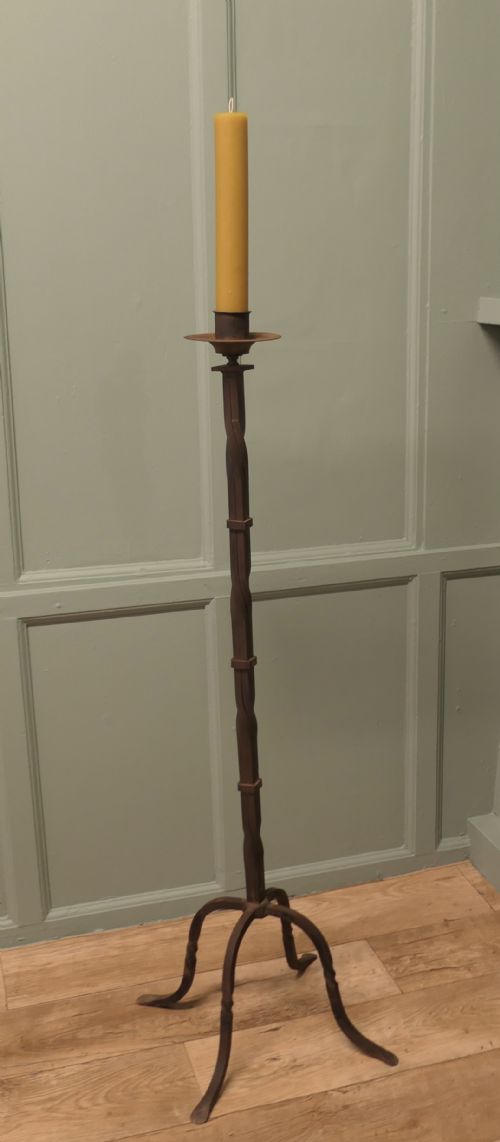
An antique iron candlestick is a functional lighting object shaped from forged, cast, or sheet metal over centuries of metalworking tradition. When you search for an antique iron candlestick, you encounter forms ranging from simple domestic rushlights to grand architectural floor candelabra and Continental altar sticks.
The pieces appearing on this page span the seventeenth century through to the 1930s, encompassing domestic table implements and heavy floor-standing lighting. Wrought iron and cast metal dominate the selections, often paired with brass, steel, or polychrome paint to add decorative contrast.
Buyers meet diverse stylistic expressions within these listings, including Gothic Revival, Amsterdam School, Art Nouveau, and Victorian Country Folk Art. Whether seeking a single chamberstick or a matched pair of multi-branch candelabra, the variety reflects both humble utilitarian origins and deliberate artistic design.
Materials and Working Methods
Makers utilised wrought iron and cast metal as the primary structural substances, shaping them through hot forging, hammering, and foundry casting. The inherent malleability of iron allowed blacksmiths to twist stems, beat sheet metal into hogscraper bodies, and hammer out sturdy drip pans.
Secondary materials such as brass, bronze patination, and gilt metal appear alongside the ironwork to highlight collars, sockets, and decorative mounts. Artisans also integrated wood and polychrome paint on specific pieces, combining disparate textures to achieve distinct visual finishes.
Antique Iron Candlestick Retail Price Guide 2026
Typical asking prices for iron candlestick among the pieces listed under this phrase on Sellingantiques today, from the lower quarter to the upper quarter. They describe what is for sale here now, not the wider market.
Listings feature items spanning the seventeenth century through to the 1930s, encompassing wrought iron, brass, steel, and polychrome paint.
Distinctions in Quality
The distinction between standard domestic items and superior pieces rests in the deliberate execution of the forging or casting process. Clean hammer marks, balanced proportions, and sophisticated architectural elements elevate certain candlesticks far above basic utilitarian ware.
Design attribution and material combination also dictate the standing of a piece within the range. Items bearing identifiable artistic movements like the Amsterdam School or Art Nouveau demonstrate higher design ambition than generic regional examples.
Hugo Berger Goberg
The Antique Iron Candlestick Glossary
- Pricket candlestick
- A candlestick featuring a sharp metal spike at the top designed to impale the base of a candle rather than drop it into a socket.
- Rushlight
- A simple holder designed to grip a dried rush dipped in animal fat, providing economical illumination in early domestic settings.
- Hogscraper candlestick
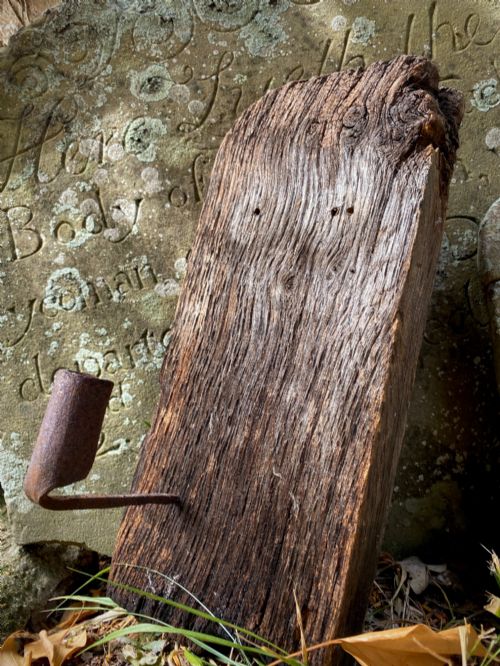
- A tubular sheet iron lighting device with an internal spring mechanism to push the candle upward as it burns down.
- Chamberstick
- A low-profile candleholder equipped with a looped side handle and a wide drip pan, traditionally carried around a house.
- Candelabra
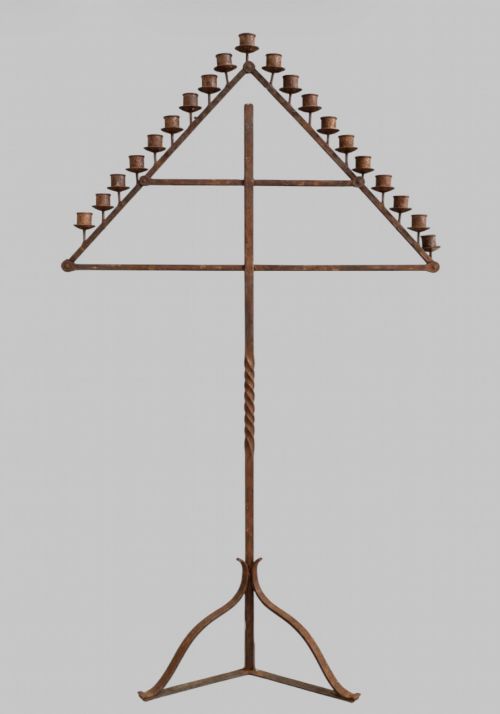
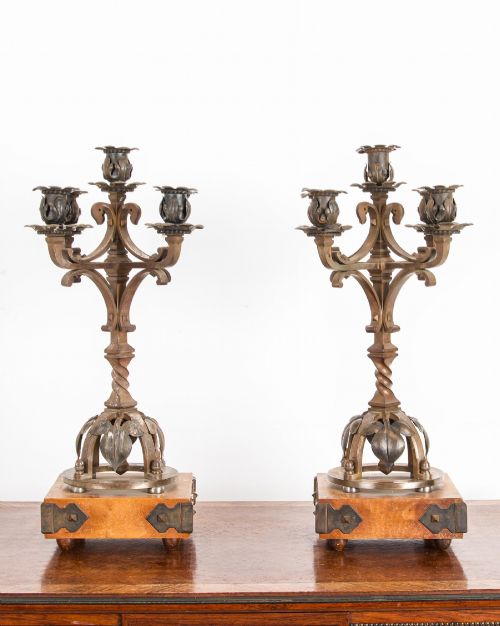
- A branched lighting fixture holding multiple candles upon a single central stem and base.
- Torchère
- A tall ornamental stand or candlestick originally intended to support a torch or large candle.
Antique Iron Candlestick: Frequently Asked Questions
How do I date an iron candlestick?
Dating relies heavily on observing manufacturing techniques, tool marks, and stylistic indicators such as Gothic Revival or Art Nouveau motifs. Hand-forged wrought iron with irregular surfaces typically points to earlier periods, while machine-assisted casting and distinct design movements emerge in the nineteenth and twentieth centuries.
Examining construction methods like assembly joints and the integration of secondary metals such as brass helps narrow the timeframe. Comparing the form against documented examples in historical archives confirms the likely era of production.
What is a pricket candlestick used for?
A pricket candlestick uses an upright metal spike to secure the base of a candle in place. This design was common in ecclesiastical settings and larger architectural pieces where heavy wax candles required steady support.
Unlike socket candlesticks that cradle the wax cylinder, pricket styles require candles with a pre-drilled base or rely on the spike piercing the wax directly. They offer a distinct silhouette often seen in altar sticks and large floor candelabra.
How were iron candlesticks cleaned safely?
Maintenance requires gentle removal of surface dust and loose debris using a soft, dry cloth without harsh chemical polishes. Preserving the dark oxidized surface or original patina maintains the historical integrity and visual depth of the metal.
Applying a microcrystalline wax can protect exposed iron from active moisture in the environment. Avoid water washing or abrasive scrubbing that might strip away centuries of accumulated finish.
Where were chambersticks used in a home?
Chambersticks served as portable lighting implements carried by individuals navigating dark corridors and stairwells in large homes before electric illumination. The wide saucer base caught dripping wax, protecting hands and floors during movement.
Their low-profile design made them practical items kept in hallways or bedrooms for evening use. The looped handle allowed the holder to be gripped securely while walking.