




Antique Iron Back Seating
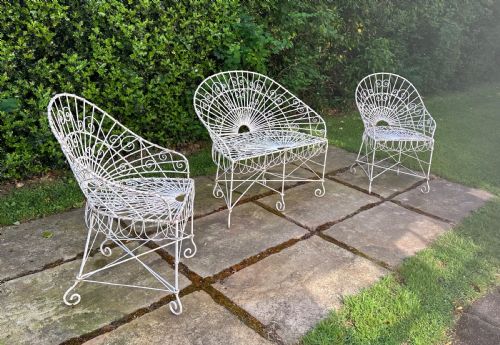
Antique iron back seating brings robust metal framing and enduring comfort together in garden benches, armchairs and office chairs.
Antique Iron Back Seating
Antique iron back seating covers a practical mix of sturdy garden benches, utilitarian office chairs and upholstered armchairs built around metal frames. Buyers searching for antique iron back seating generally encounter pieces spanning the Regency period, the Victorian era, and early twentieth century workshops.
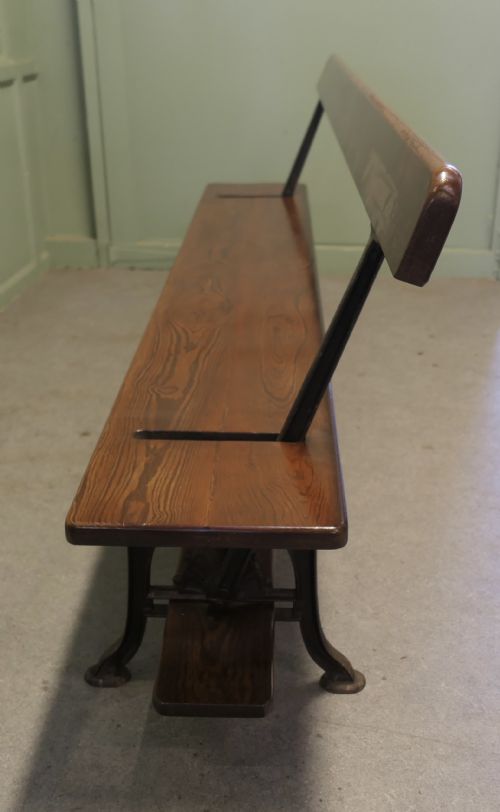
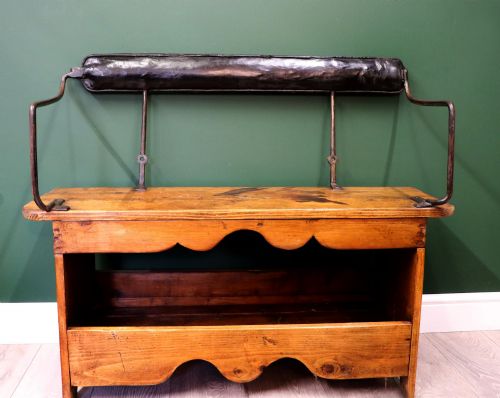
The selection ranges from elaborate strapwork garden seats intended for nineteenth century lawns to heavy swivel chairs designed for offices and ships. These items combine rigid metal support with wooden seats, leather upholstery or slatted pitch pine.
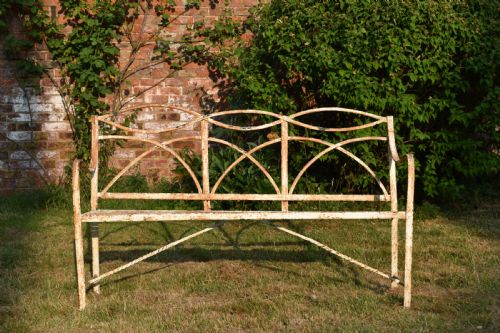
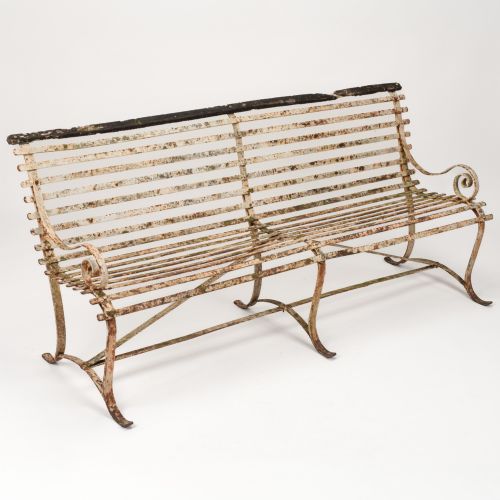
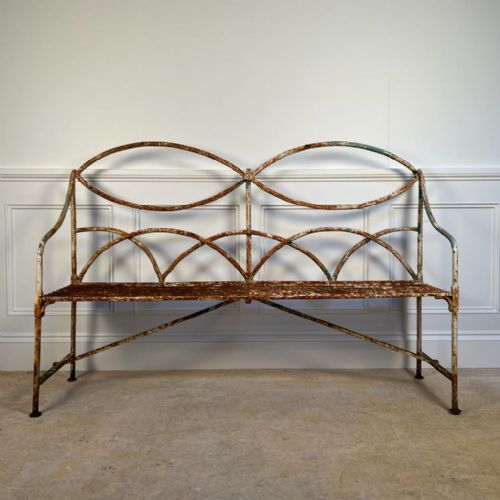
Victorian examples often take the form of heavy cast iron garden settees and transport seating, while Regency makers favoured precise wrought iron strapwork. Later pieces include revolving office furniture and oak armchairs resting on iron supports.
How these pieces were made
Makers utilised durable cast and wrought iron to form rigid structural backs, combining the metal with traditional timbers such as oak and pitch pine. Structural components were bolted or forged together to withstand heavy everyday use in gardens, offices and public transport.
Surface treatments commonly involved protective coats of paint or polished finishes on exposed timber seats and brass fittings. Upholstered variants integrated button back padding supported by internal iron frames.
The listings span the Regency period, Victorian era, and the early twentieth century up to nineteen thirty.
What varies in quality
The refinement of the metalwork largely dictates the distinction between standard utility items and finer decorative examples. Regency strapwork demonstrates intricate hand forging, whereas later industrial pieces prioritise mass-produced robustness over ornament.
The integrity of the timber components and surviving original paint finishes also shape the character of each piece. Retaining untouched surfaces and matching wooden seats elevates the overall distinction of surviving seating.
The Antique Iron Back Seating Glossary
- Strapwork
- Flat bands of metal arranged in geometric or interlaced patterns. This technique appeared frequently on Regency garden benches.
- Cast iron
- Molten metal poured into a mould to create rigid decorative or structural forms. It provided heavy support for Victorian garden seats.
- Wrought iron
- Iron heated and hammered into shape by hand before assembly. This material offered strength and flexibility for early nineteenth century frames.
- Pitch pine
- A resinous softwood utilised for durable seating slats and benches. It offered natural resistance to wear and moisture.
- Revolving office desk chair
- A swivelling seat designed for commercial workspaces, often mounted on an adjustable iron column.
Antique Iron Back Seating: Frequently Asked Questions
Where were iron back garden benches placed?
These benches sat principally upon lawns, gravel terraces and within sheltered garden alcoves.
Their heavy metal construction ensured they remained stable outdoors throughout changing weather seasons.
Are iron framed armchairs suitable for indoor use?
Victorian and nineteenth century iron framed armchairs functioned effectively as both office and domestic seating.
Upholstered variants brought substantial structural support to studies and reception rooms.
How do I identify a Regency iron bench?
Regency examples typically display characteristic wrought iron strapwork patterns across the backrest.
They date from the early nineteenth century and rely on precise hand forging rather than heavy casting.
What timber was used for office desk chairs?
Makers frequently selected solid oak for revolving office and desk seating.
The dense wood provided a hardwearing surface paired with iron swivel mechanisms.