




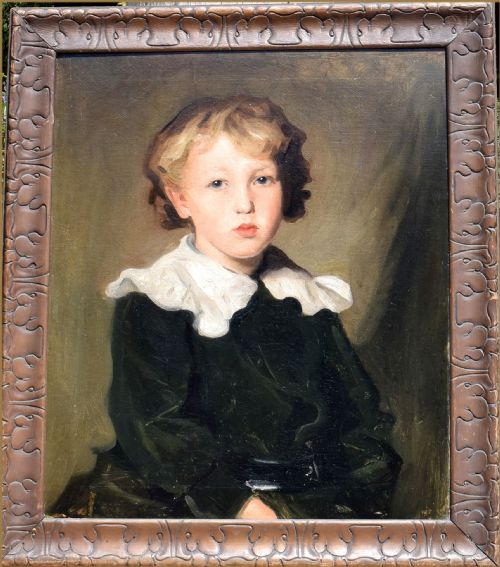


Antique Irish Oil Painting
An antique irish oil painting brings centuries of island life, portraiture and landscape into a room through pigment and canvas.
Antique Irish Oil Painting
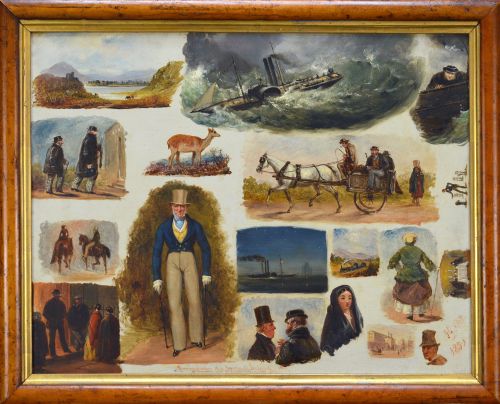
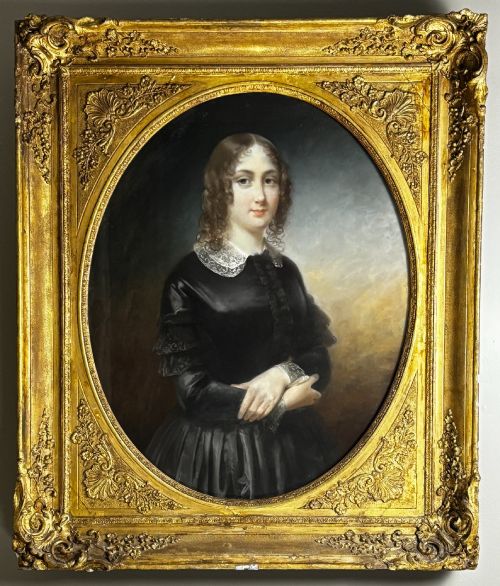
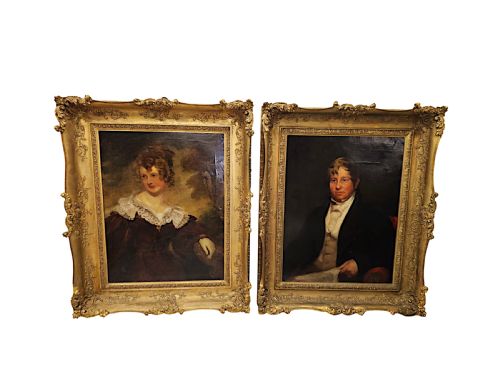
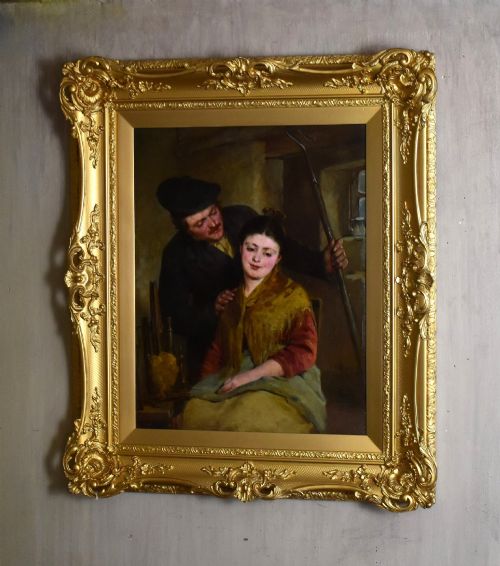
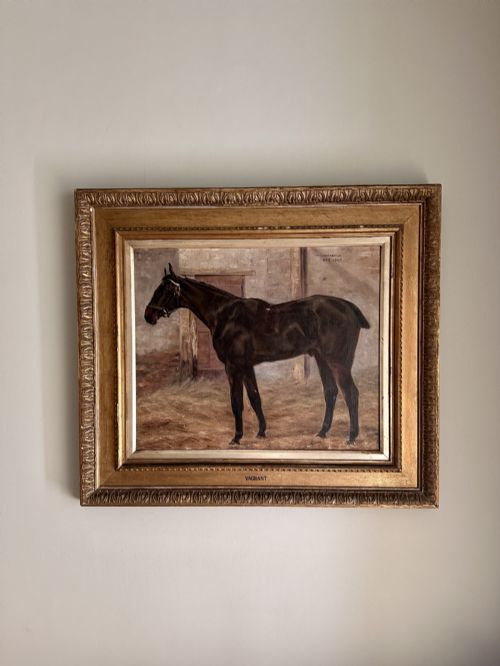
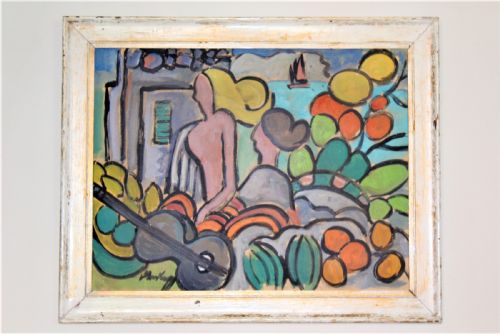
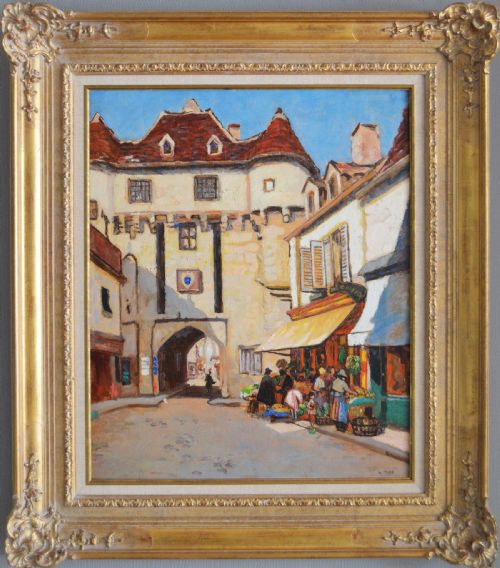
Every antique irish oil painting on this page represents a distinct chapter of visual history, spanning from seventeenth-century portraits to mid-twentieth-century rural scenes and townscapes. A buyer searches for these works to secure tangible links to heritage, whether through grand country house portraits or smaller depictions of Connemara hills and village life.
The most common examples encountered here include nineteenth-century portraits and landscapes rendered in oil on canvas or panel. These pieces reflect the shifting artistic movements of their respective eras, moving from traditional realism and baroque formality toward impressionism and regional landscape painting.
Materials and Construction
Painters applied oil paint directly onto stretched canvas, wood panels, or oil sketches, building up layers of pigment to achieve depth and texture. Canvas supports often required wooden stretchers, while panel works utilised solid timber foundations.
Antique Irish Oil Painting Retail Price Guide 2026
Typical asking prices for irish oil painting among the pieces listed under this phrase on Sellingantiques today, from the lower quarter to the upper quarter. They describe what is for sale here now, not the wider market.
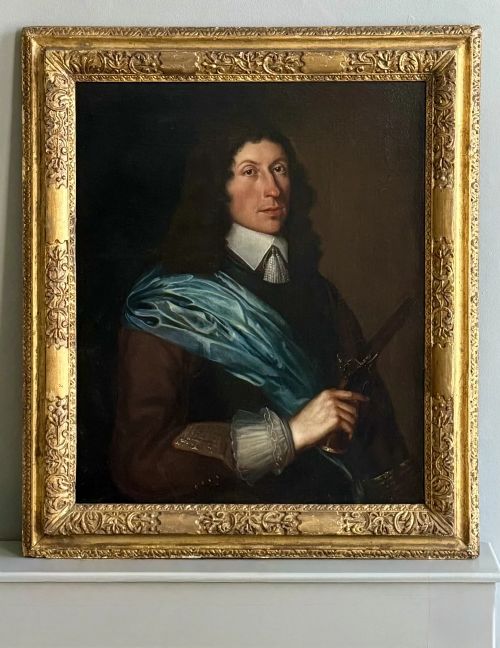
At least one gentleman in the collection insists on brandishing a pistol while posing for posterity.
Distinctions in Quality
The standard of execution in figure drawing, brushwork handling, and psychological depth separates accomplished works from ordinary output. Superior portraits capture character and likeness with precision, while landscapes demonstrate a confident command of light and atmosphere.
The preservation of the original pigment layer and the integrity of the support dictate the overall calibre of a piece. Works retaining their initial giltwood frames and untouched paint surfaces hold greater historical cohesion.
Howard Helmick·Fred Fitzpatrick·C Caldwell·Sir Thomas Lawrence·Charles McAuley·William Orpen·James Latham·Thomas Hickey·Letitia Marion Hamilton
The Antique Irish Oil Painting Glossary
- Oil on Canvas
- A traditional painting medium where pigmented oil is applied to a woven fabric support stretched over a wooden frame. This combination allows for rich colour blending and lasting flexibility.
- Giltwood
- Wood that has been coated with a thin layer of gold leaf or gold paint. It frequently forms the ornate borders of historical picture frames.
- Gesso
- A plaster-like mixture used as a smooth base on wooden panels or frame mouldings before gilding or painting. It provides a stable surface for fine decorative work.
- Genre Painting
- Artwork depicting scenes from everyday life, ordinary people, and domestic interiors rather than grand historical or mythological subjects.
- Oil Sketch
- A preliminary study painted quickly in oil colours to capture light, composition, or colour harmonies before executing a larger finished canvas.
Antique Irish Oil Painting: Frequently Asked Questions
How do I identify the period of an oil painting?
Dating relies on examining the stretcher construction, canvas type, pigment composition, and the stylistic conventions of the brushwork. Costume details and sitter identification also provide reliable clues to the era.
Secondary indicators include the framing methods and any inscriptions, labels, or signatures recorded on the reverse of the panel or canvas.
Where were these paintings typically displayed?
Portraits and landscapes of this scale hung primarily in country houses, civic chambers, and formal drawing rooms. They served as expressions of lineage, status, and regional pride for their original owners.
Smaller oil sketches and panels were often kept in private studies or used by artists as preparatory records of rural topography.
How should I care for an antique oil painting?
Keep the artwork away from direct sunlight, high humidity, and radical temperature fluctuations that can cause the canvas to slacken or the wood to warp. Stable indoor environments preserve both the pigment and the support.
Dust the surface and the accompanying gilt frame gently with a dry, soft brush without applying pressure to the paint layer.
What distinguishes a portrait from a genre painting?
A portrait focuses on the specific likeness and identity of an individual, often recording their social standing or profession. Figures are rendered as distinct personalities rather than anonymous participants.
Genre paintings depict everyday scenes and narrative moments involving ordinary people engaged in rural labour, domestic tasks, or social gatherings.