





Antique Irish Landscape Art
Antique irish landscape art brings rural scenes and coastal views into a room, capturing the character of the countryside through oil and watercolour.
Antique Irish Landscape Art
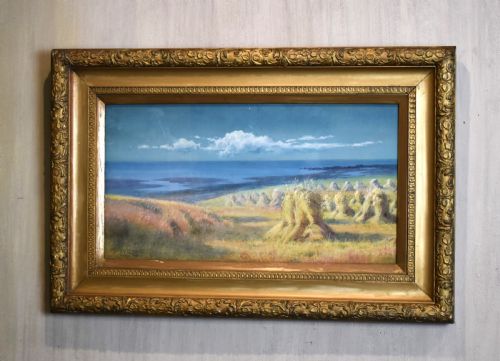
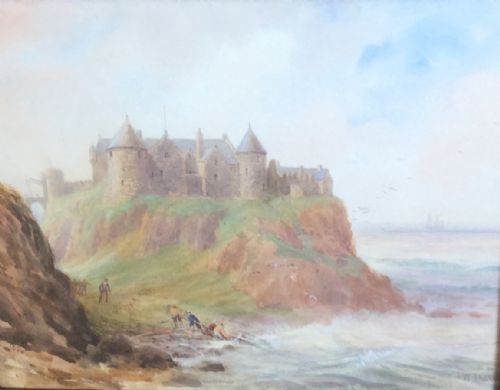
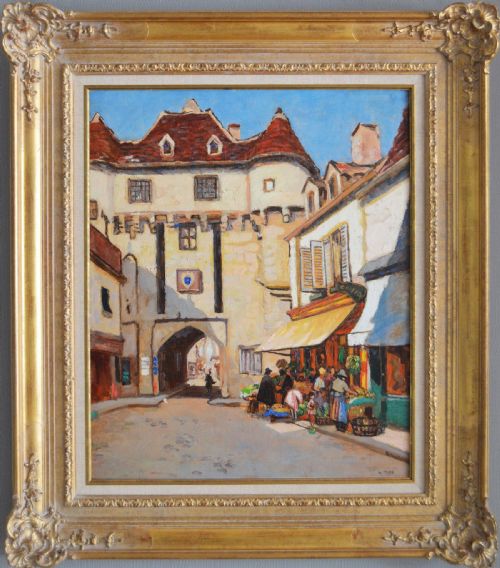
When you search for antique irish landscape art, you encounter a variety of paintings spanning the Georgian era through to the mid-twentieth century. These works depict rural life, village scenes, coastal bays, and mountain ranges across Ireland, rendered by named artists and regional painters.
How They Were Made
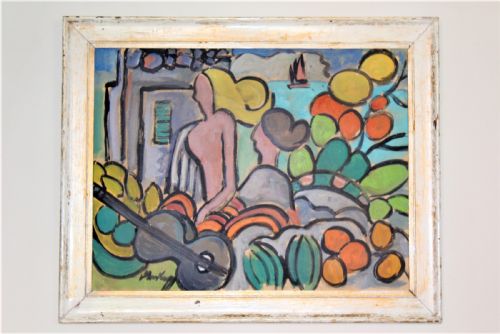
Techniques range from detailed nineteenth-century realism to looser impressionist brushwork developed in the early twentieth century. Pencil sketches also appear, showing preliminary architectural and topographical studies.
Materials recorded in this category include paper, wood, gilt, watercolour, oil on canvas, glass, and gilt wood.
What Varies in Quality
Quality rests on the skill of the brushwork, the depth of the composition, and the condition of the pigment and paper or canvas. A stronger piece demonstrates confident handling of light and atmosphere in the landscape.
The preservation of the original medium and frame also defines the piece. Works retaining their early gilt wood frames and clear artist signatures hold greater visual clarity.
Sir Thomas Newenham Dean RHA·C Caldwell·Alfred Grey RHA·Sidney James Beer·Sir Francis Leggatt Chantrey·Peter Ghent·Charles McAuley·Joseph William Carey·Letitia Marion Hamilton·James Arthur O'Connor
The Antique Irish Landscape Art Glossary
- Watercolour
- A paint consisting of colour pigments suspended in a water-based solution, typically applied to paper.
- Oil on canvas
- A painting technique using pigments bound with a drying oil, applied to stretched fabric.
- Gilt wood
- Wood that has been coated with a thin layer of gold leaf or gold paint, commonly used for traditional picture frames.
- Realism
- An artistic style that portrays subject matter truthfully without artificiality, avoiding artistic implausibility.
Antique Irish Landscape Art: Frequently Asked Questions
How do I hang antique landscape watercolours?
Keep watercolours away from direct sunlight to prevent the pigment from fading over time. Use acid-free mounts and ensure the glass does not touch the paper surface.
Position them on interior walls with stable humidity and temperature levels. Proper hanging protects both the paper and the original frame.
What periods do these paintings cover?
The works span from the Georgian era and the nineteenth century through to the mid-twentieth century. You will find pieces reflecting Victorian realism and later impressionist movements.
Each period brings distinct framing choices and painting techniques. Examining the materials helps place the work in its historical context.
Are oil paintings on wood panel common?
Oil paintings on wood panel appear alongside works executed on stretched canvas. Panels offer a rigid support that painters utilised during the nineteenth century.
Check the reverse of the panel for stamps or signatures left by the artist or framer. Wood supports require stable room conditions to prevent warping.
How do I identify signature styles?
Style shifts from the precise detail of early nineteenth-century topographical studies to the looser brushwork of twentieth-century impressionism. Examining how the artist handles light and distance reveals the period approach.
Signatures, stamps, and inscriptions on the reverse often confirm the painter or the specific location depicted.