






Antique Irish Glass
These antique irish glass pieces bring heavy lead crystal and deep cutting to the table, offering a tangible connection to Georgian and Victorian Dublin houses.
Antique Irish Glass
When you search for antique irish glass, you are looking at heavy lead crystal vessels, tableware, and mirrors produced across the eighteenth and nineteenth centuries.
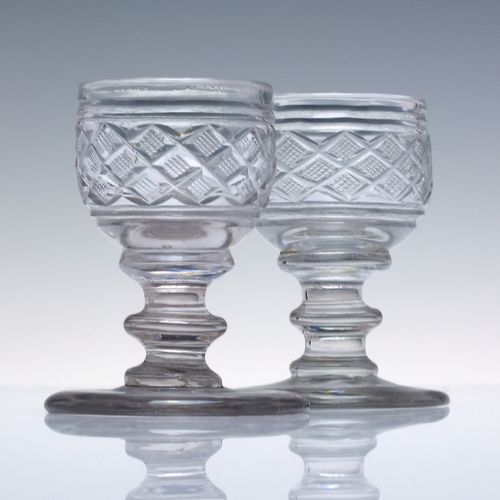
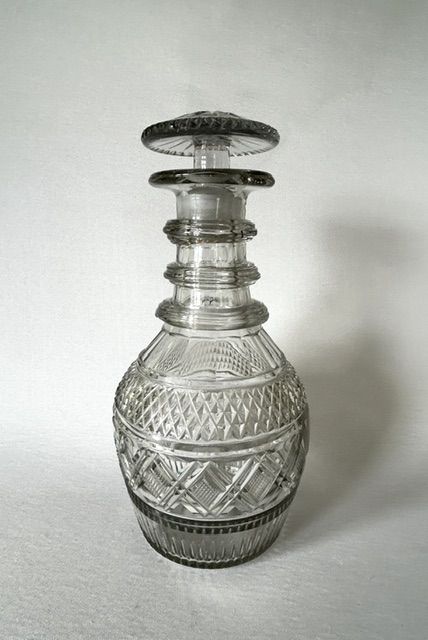
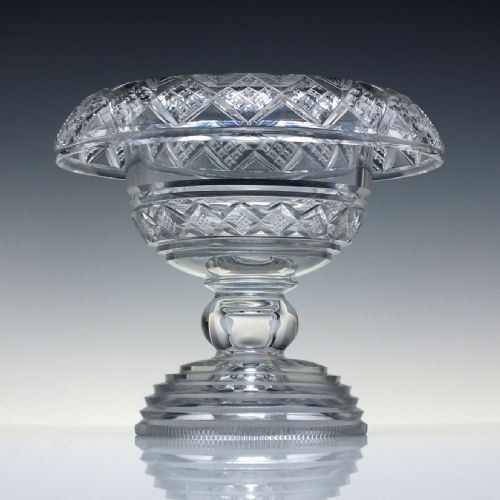
The most common forms on this page include decanters, rummers, salt cellars, and large centrepiece bowls bearing distinctive deep prismatic cutting.
Pieces span periods from the Georgian era through to Victorian and Edwardian times, often showing strong regional characteristics distinct from English manufacture.
How they were made
Maker operations relied heavily on lead crystal composition, which gave the metal a high refractive index and significant physical weight.
Cuts were applied by hand on wheel-cutting lathes, creating deep flutes, diamonds, and thumbprints that catch the light sharply.
Mounts and fittings sometimes incorporated sterling silver, brass, or giltwood, particularly on decanters, mirrors, and inkstands.
Antique Irish Glass Retail Price Guide 2026
Typical asking prices for irish glass among the pieces listed under this phrase on Sellingantiques today, from the lower quarter to the upper quarter. They describe what is for sale here now, not the wider market.
A carved bog oak inkstand takes the form of an owl with bright glass eyes.
What varies in quality
Quality rests primarily in the crispness of the cutting and the clarity of the metal rather than mere age alone.
Superior examples display sharp, well-defined facets with minimal surface wear, whereas lesser pieces show rounded edges and duller metal.
Waterford
The Antique Irish Glass Glossary
- Rummer
- A large drinking glass used for wine, ale, or punch during the Georgian and Victorian periods. They typically feature heavy stems and deep cut bowls.
- Mell decanter
- A specific bottle form with a heavy base and tapered body, commonly used for serving spirits like whiskey.
- Bucket bowl
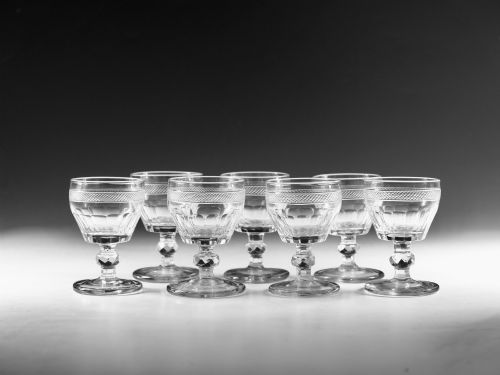
- A drinking vessel profile shaped like an inverted bell or bucket, frequently found on early nineteenth-century rummers.
- Lead crystal
- Glass containing lead oxide, which increases brilliance, weight, and workability for deep cutting.
Antique Irish Glass: Frequently Asked Questions
How do I spot Irish glass?
Irish glass from the Georgian and Victorian periods usually feels heavier than its English equivalent due to high lead content. The metal often has a slight blue or grey tinge and deep, sharp wheel-cuttings.
Look closely at the form and weight of pieces like decanters and rummers. Regional traits include bold prismatic cutting and distinctive bowl shapes.
Can I use these glasses daily?
These lead crystal pieces are robust enough for occasional dining use, provided you wash them entirely by hand in tepid water. Avoid sudden temperature changes to protect the old metal.
Storing them securely away from vibration keeps delicate rims and cut facets safe from chips during everyday life.
What periods are represented here?
The selection covers Georgian, Regency, Victorian, and Edwardian eras, stretching from the eighteenth century into the early twentieth century. Most glassware dates from the late eighteenth to mid-nineteenth centuries.
Stylistic cues like heavy bases and specific facet patterns help distinguish Georgian pieces from later Victorian iterations.
Are decanters marked with names?
Most antique Irish decanters and tableware remain unmarked, as factories rarely signed their everyday output during the Georgian and Regency periods. Attribution relies instead on weight, metal colour, and cutting style.
Occasional later pieces carry silver mounts with hallmarks, but unmarked lead crystal requires stylistic comparison to confirm origin.