





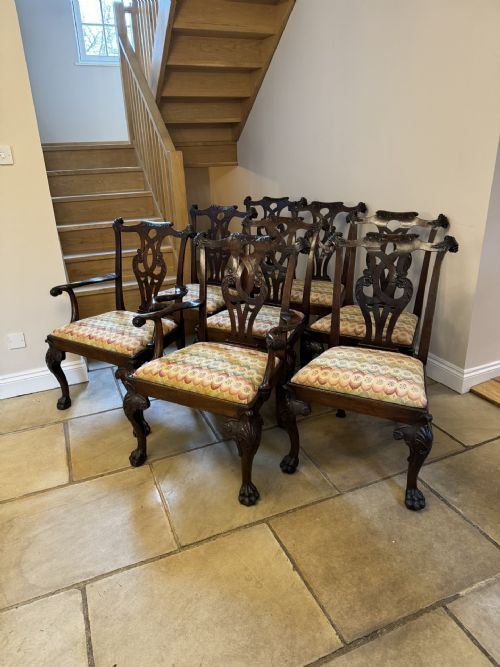


Antique Irish Armchair
An antique irish armchair brings robust timber and vernacular warmth into a room, offering both substantial seating and deep historical character.
Antique Irish Armchair
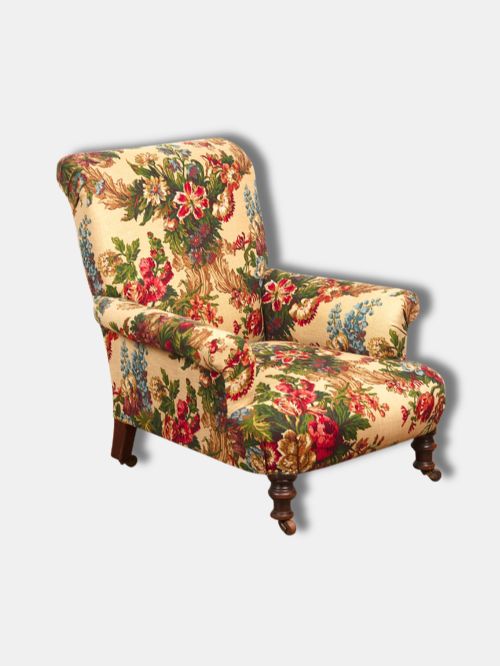
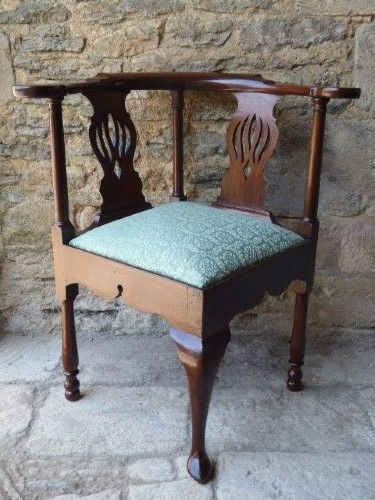
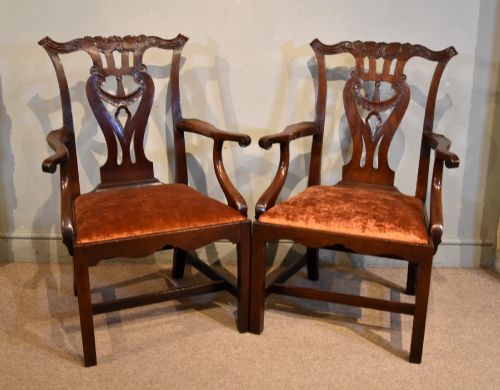
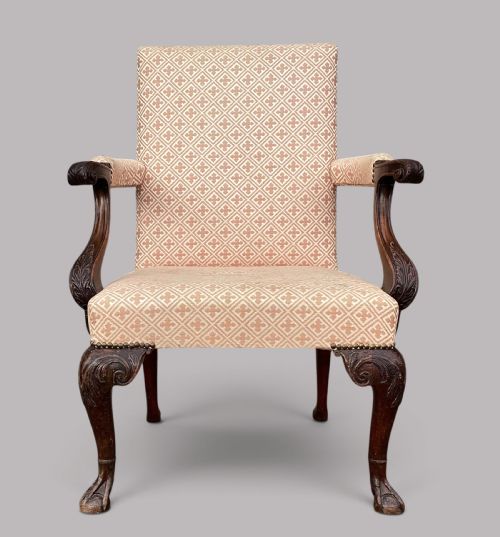
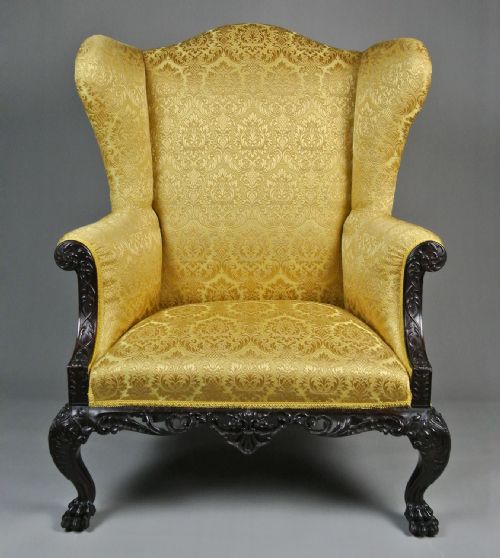
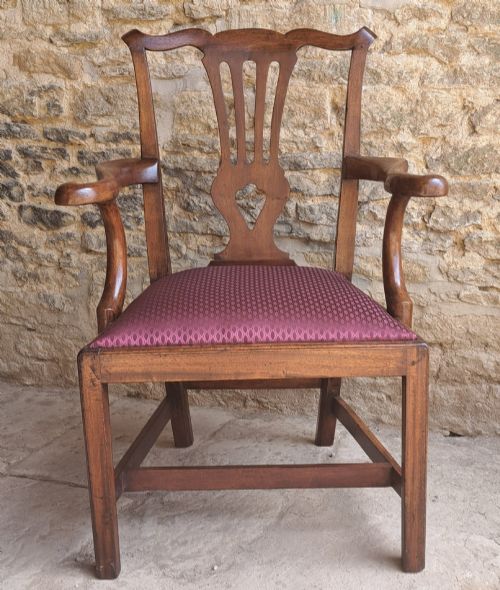
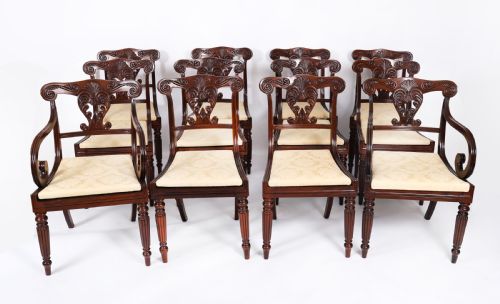
When you search for an antique irish armchair, you encounter seating ranging from rustic country primitives to formal mahogany library chairs. The examples on this page span the eighteenth and nineteenth centuries, including Georgian pieces, Victorian iterations, and vernacular stick-back or sugan forms.
How they were made
Makers utilised timber such as mahogany, walnut, oak, and other hardwoods to build sturdy frames. Upholstery materials included leather, velvet, fabric, and painted finishes, often secured with brass details.
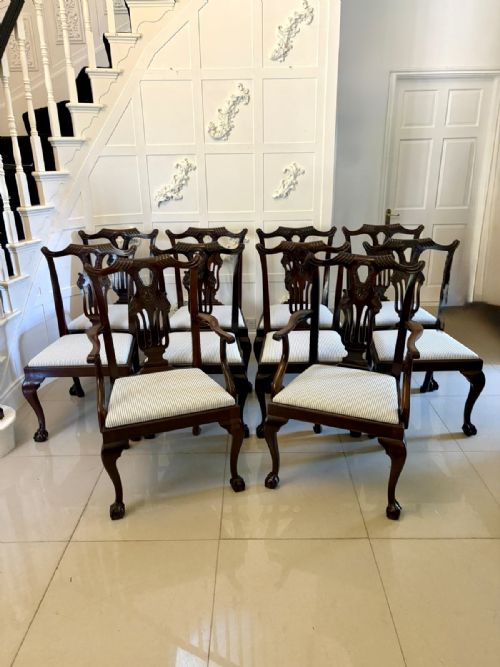
Joinery techniques varied from fine cabinet-making with ball and claw feet to simpler stick-back and vernacular framing for country use.
Antique Irish Armchair Retail Price Guide 2026
Typical asking prices for irish armchair among the pieces listed under this phrase on Sellingantiques today, from the lower quarter to the upper quarter. They describe what is for sale here now, not the wider market.
One cheerful primitive example comes complete with sugan seating and a coat of old paint.
What varies in quality
The standard of carving and timber selection dictates the distinction between standard country seating and grand salon furniture. Refinement in the mahogany joinery and the survival of original upholstery materials also set pieces apart.
Proportion and the integrity of the frame define the better examples, whether dealing with a vernacular sugan chair or a formal Georgian wing chair.
Robert Strahan Dublin·N.A.Campbell & Co
The Antique Irish Armchair Glossary
- Sugan chair
- A traditional vernacular chair featuring a seat woven from straw, cord, or sugan. These pieces represent the country tradition in Irish seating.
- Stick-back
- A chair construction where turned spindles are inserted directly into a solid wooden seat or rail. This method is common in primitive and folk art pieces.
- Gainsborough chair
- A wide, open-armed armchair with a padded back and seat, typically standing on short legs. They often appear in mid-eighteenth-century styles.
- Chippendale style
- A decorative style characterised by carved mahogany frames, often featuring ball and claw feet and intricate splats. It draws upon mid-eighteenth-century design vocabulary.
- Bar-back
- A chair design featuring a horizontal wooden slat across the backrest resembling the top rail of a bar. This form frequently appears in nineteenth-century dining sets.
Antique Irish Armchair: Frequently Asked Questions
What is an antique irish armchair?
An antique irish armchair is a wooden seat dating from the eighteenth or nineteenth century, originating from Ireland. They range from formal mahogany library chairs to simple painted primitive stick-back and sugan chairs.
These chairs reflect both urban cabinet-making traditions and rural vernacular craftsmanship. Buyers select them for their distinctive regional character and historical timber.
How do I identify a georgian irish armchair?
Georgian pieces typically utilise dense mahogany or walnut timber with carved details such as ball and claw feet. They often follow formal design idioms like the George II style.
Look for robust proportions and traditional joinery methods. Many pieces demonstrate craftsmanship associated with Dublin workshops of the period.
What is a sugan armchair?
A sugan armchair is a traditional country chair featuring a woven seat made from straw or cord. They belong to the primitive vernacular tradition of Irish seating.
These chairs prioritize sturdy utility and regional folk craftsmanship over formal decorative carving. They often retain painted finishes from their period of use.
How do I live with an antique armchair?
Living with these chairs involves placing them in studies, libraries, or living spaces where their timber frames can be appreciated. They function well as reading chairs or occasional seating.
Regular care for the timber and upholstery preserves their condition. Their varied styles allow them to complement both traditional and modern interiors.