



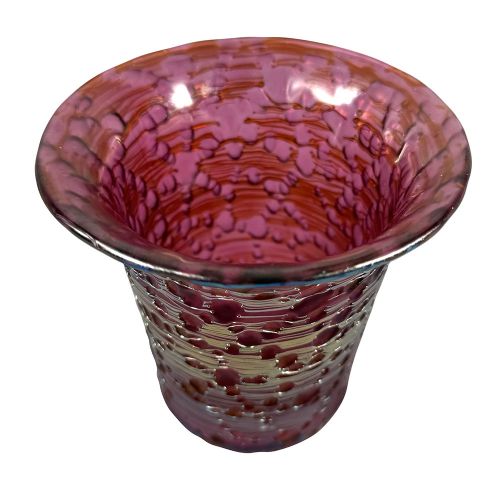


Antique Iridescent Urn
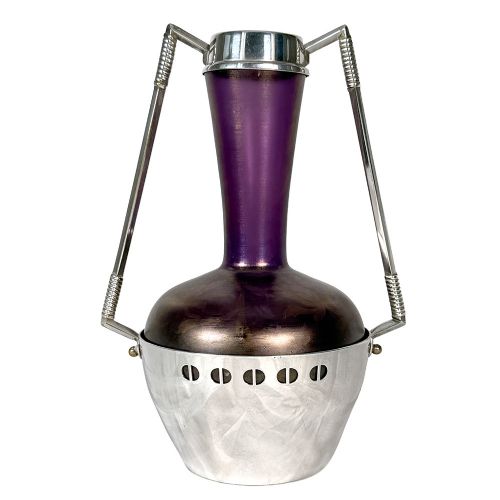
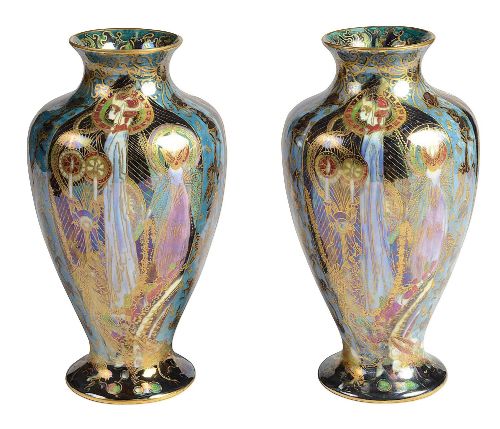
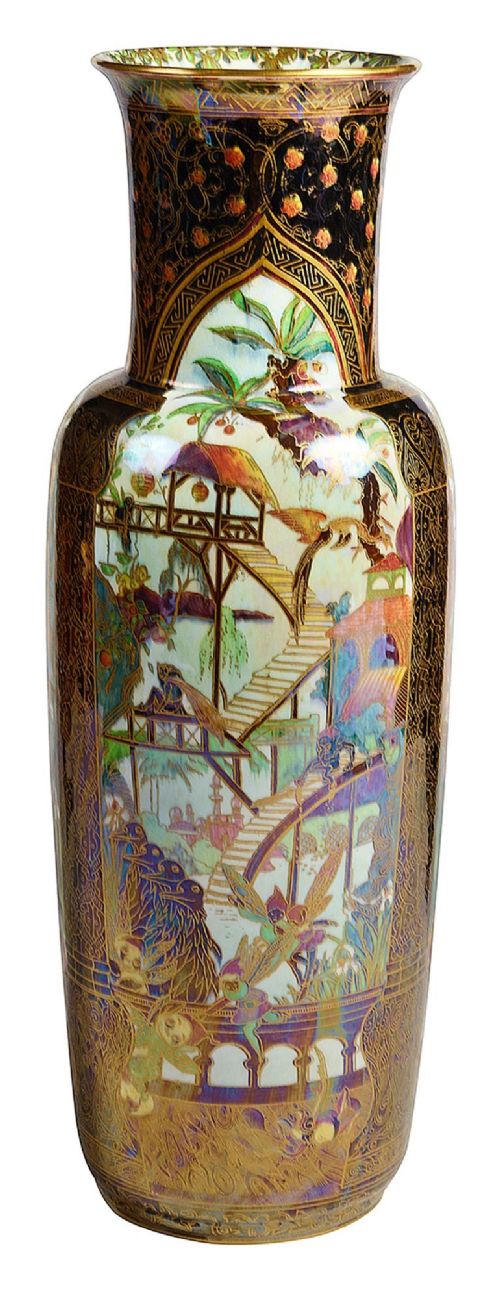
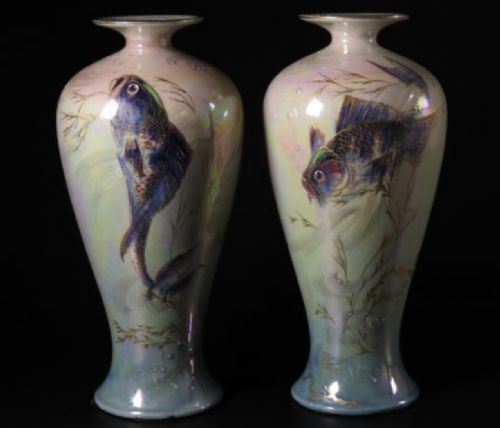
An antique iridescent urn catches the light with shifting metallic sheens, bringing tactile depth and colour to a mantelpiece or side table.
Antique Iridescent Urn
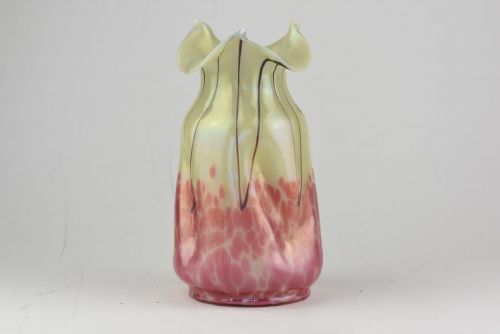
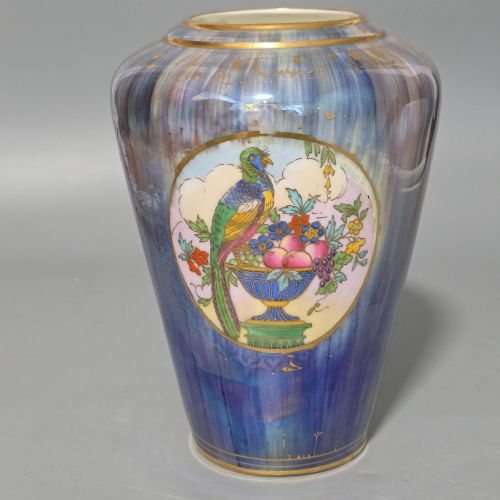
An antique iridescent urn represents a striking intersection of decorative glass and ceramic craftsmanship, predominantly originating from the early twentieth century alongside select nineteenth-century examples. When searching for this phrase, buyers encounter distinctive vessels shaped primarily as vases and balusters, which span the Art Nouveau, Art Deco, and Victorian styles.
How they were made
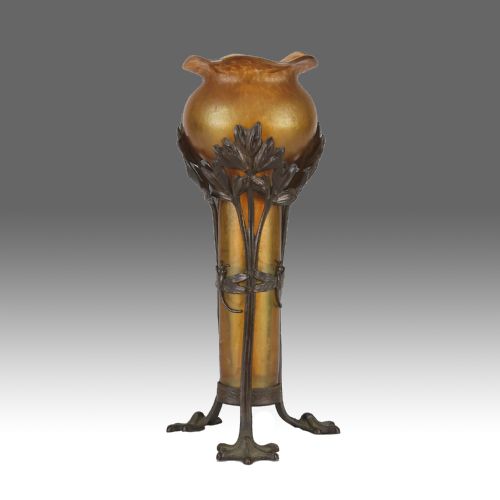
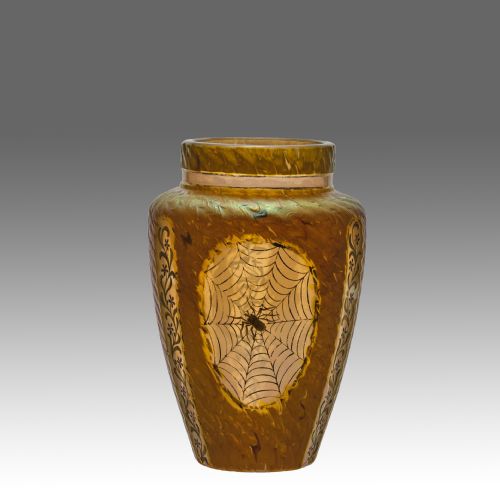
Makers achieved the signature metallic sheen on glass by exposing molten surfaces to metallic vapours during blowing, producing optical effects seen in Favrile and Phänomen finishes. Bronze mounts and applied glass threads were frequently added to shape organic profiles.
Ceramic examples relied on specialised lustre glazes and hand enamelling, often incorporating gold leaf to catch ambient light across earthenware and bone china bodies.
Antique Iridescent Urn Retail Price Guide 2026
Typical asking prices for iridescent urn among the pieces listed under this phrase on Sellingantiques today, from the lower quarter to the upper quarter. They describe what is for sale here now, not the wider market.
Materials range from simple earthenware and bone china to specialised lustre glazes, gold leaf, and iridescent glass.
What varies in quality
The visual success of an iridescent surface depends on the depth and complexity of its refraction, where superior examples display a shifting spectrum of multiple hues rather than a flat sheen. Fineness of form and the precision of hand-painted enamelling or applied decorative elements separate standard production from masterworks.
The integration of secondary materials, such as finely cast bronze mounts or complex layered glass décors, marks the distinction between simpler cabinet pieces and ambitious studio output.
Daisy Makeig-jones·Pallme Konig·Walter Slater·Loetz·Kralik Glass·Richard Joyce·LCT Tiffany
The Antique Iridescent Urn Glossary
- Iridescent glass
- Glass treated with metallic salts to produce a rainbow-like sheen on the surface. This technique was widely developed during the Art Nouveau period.
- Lustre glaze
- A ceramic glaze containing metallic oxides that creates a pearlescent or metallic finish upon firing. It requires careful kiln temperature control.
- Favrile glass
- A type of iridescent glass patented by Louis Comfort Tiffany. The term derives from an old English word for handcrafted.
- Baluster vase
- A vase with a rounded body that tapers upwards into a narrow neck, resembling an architectural baluster. This form supports complex surface decoration.
- Bone china
- A type of porcelain composed of bone ash, feldspar material, and kaolin. It provides a bright white body suitable for detailed enamel work.
Antique Iridescent Urn: Frequently Asked Questions
How do I display an iridescent vase?
Place the piece near a natural light source to activate the reflective metallic qualities of the surface glaze.
Ensure it sits away from high-traffic edges where accidental knocks might damage delicate applied glass elements or bronze mounts.
What is the difference between lustre and iridescent glass?
Iridescence refers primarily to an optical phenomenon achieved on glass through metallic vapours, creating a rainbow sheen.
Lustre describes a ceramic technique where metallic oxides are fired onto earthenware or china to produce a reflective, metallic surface.
Are these pieces suitable for holding water?
While many ceramic and glass urns were originally designed as decorative vessels, porous bodies or fragile applied details require caution.
Many collectors prefer to keep them dry to preserve fragile interior surfaces and historical enamel work.
How can I tell Art Nouveau pieces apart from Art Deco?
Art Nouveau examples typically feature fluid, asymmetrical lines inspired by organic forms such as plant stems and insect wings.
Art Deco pieces favour geometric precision, stylised motifs, and structured symmetry in their design and glaze patterns.