




Antique Inn Painting
An antique inn painting brings the character of historic taverns, coaching stops, and village watering holes straight onto your wall.
Antique Inn Painting
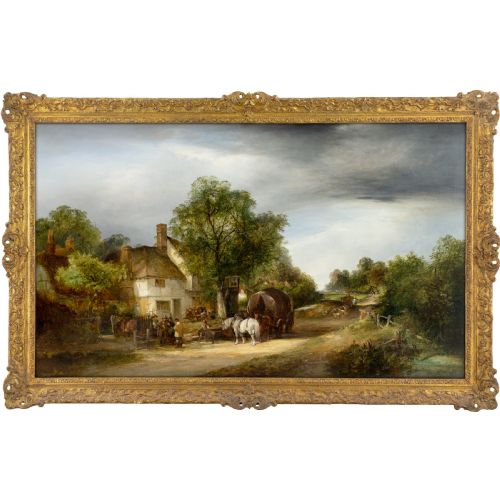
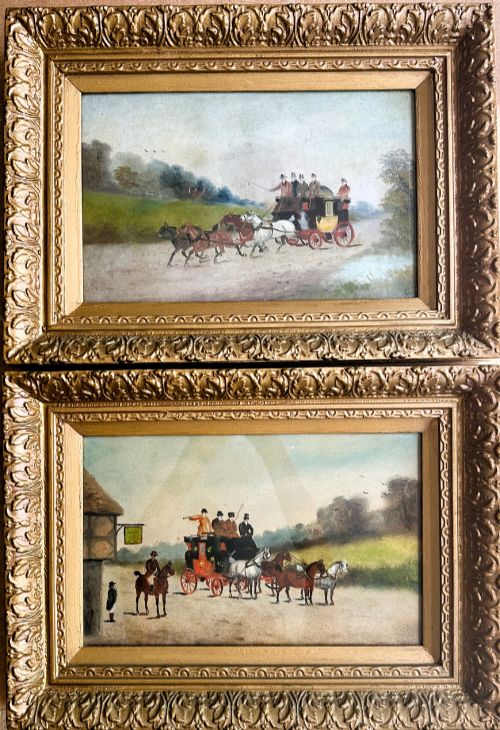
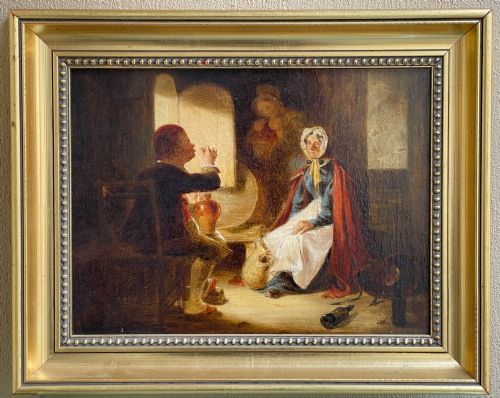
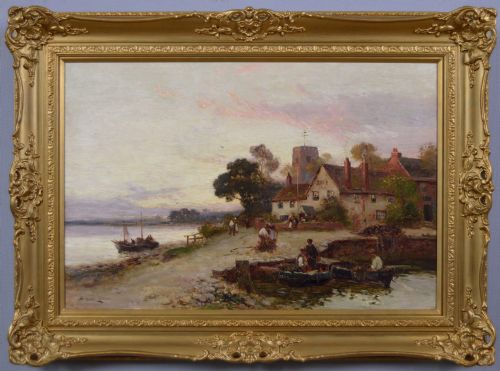
An antique inn painting captures the social life and architecture of historic coaching houses, village taverns, and rural watering holes. When you search for this phrase, you find works ranging from lively exterior coaching scenes to quiet tavern interiors.
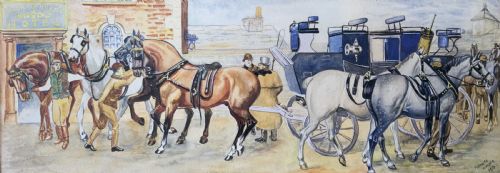
The pieces on this page span from the eighteenth century through the Edwardian period and into the nineteen thirties. You encounter both framed watercolours on paper and oil paintings on canvas.
Subjects include named establishments like the Mermaid Inn and the Ship Inn, alongside generic village taverns and Dutch school landscapes. Works appear in traditional materials such as wood, glass, and giltwood frames.
What varies in quality
Quality rests on the precision of the draughtsmanship and the artist's ability to render the bustle of coaching life or the quiet atmosphere of an interior. Works by listed academic artists demonstrate superior command of perspective and human anatomy compared to anonymous or provincial school pieces.
The condition of the canvas or paper surface, along with the originality of the period frame, influences the standing of an individual work. Early oil paintings on canvas and signed watercolours command greater attention from collectors.
The listings show works executed in oil paint, watercolour, and mixed media across canvas, paper, wood, and glass supports.
Philip Rideout·John R. Houston·Annie L. Lee·John Charles Maggs·Stuart Lloyd·Frank Dadd·John Atkinson·Alfred Leyman·William Shayer·Johannes Weiland
The Antique Inn Painting Glossary
- Watercolour on paper
- A painting technique using water-soluble pigments applied to a paper support, frequently used for detailed topographical inn scenes. It requires protective glass framing.
- Oil paint
- A slow-drying paint made with pigmented particles suspended in a drying oil, applied to canvas or wood panels. This medium allows for rich colour blending and textured brushwork.
- Giltwood
- Wood carved and coated with a thin layer of gold leaf or gold paint, commonly utilised for traditional picture frames during the nineteenth and early twentieth centuries.
- Genre painting
- Artwork that depicts aspects of everyday life by portraying ordinary people occupied in common scenes, such as patrons drinking outside a tavern.
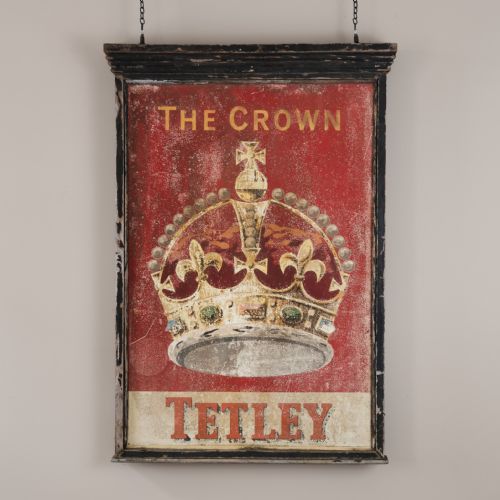
- Pub sign
- A painted board or hanging sign identifying a public house, executed on materials such as wood, iron, or glass for outdoor display.
Antique Inn Painting: Frequently Asked Questions
What subjects appear in these paintings?
These works depict coaching inns, village taverns, roadside watering holes, and interior social scenes with patrons drinking or resting.
Named locations such as the Mermaid Inn and the Ship Inn sit alongside anonymous nineteenth century landscapes and Dutch school tavern interiors.
How do I date an antique painting?
Dating relies on stylistic evidence, artist signatures, framing materials, and the physical composition of the canvas or paper support. Nineteenth century and Edwardian works often feature specific clothing styles and transport types like stagecoaches.
Records from artists active during the Victorian era and the early twentieth century provide reliable chronological markers for unsigned pieces.
Where were these paintings hung?
Period works hung in domestic parlours, country homes, and commercial establishments like public houses and coaching inns.
Framed oil paintings and watercolours suited indoor wall spaces, while robust painted boards served as exterior hanging pub signs.
How should I care for a watercolour painting?
Watercolours on paper require protection from direct sunlight to prevent fading of the pigments and discolouration of the paper support.
Keeping pieces behind glass in stable indoor environments helps preserve the integrity of both the paper and the historic frame.