
Antique Inlay Cabinet
When you search for an antique inlay cabinet, you are looking at timber furniture decorated with contrasting wood or metal set flush into the surface.
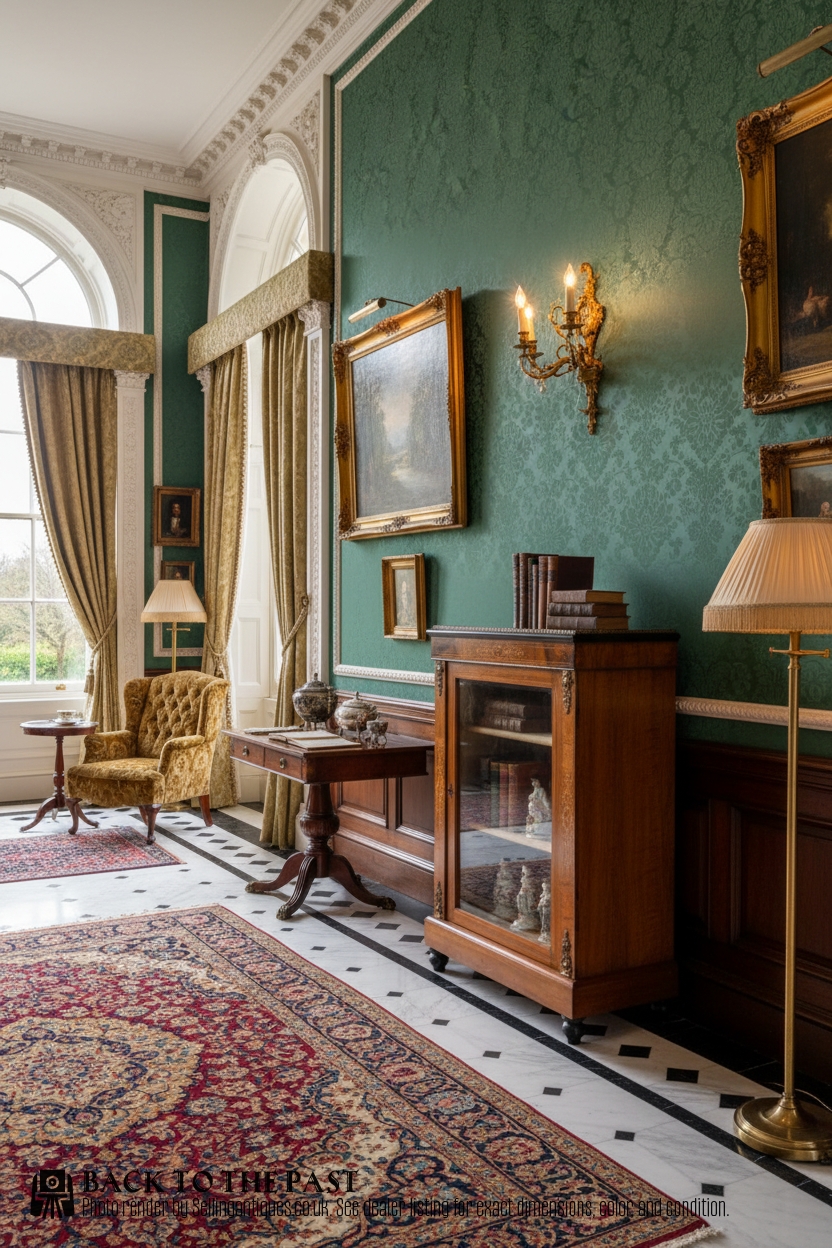
Antique Inlay Cabinet
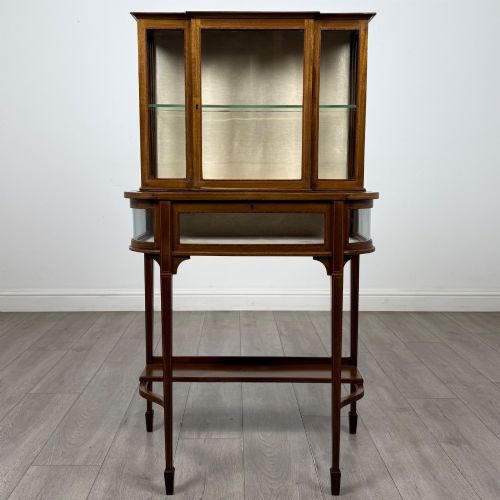
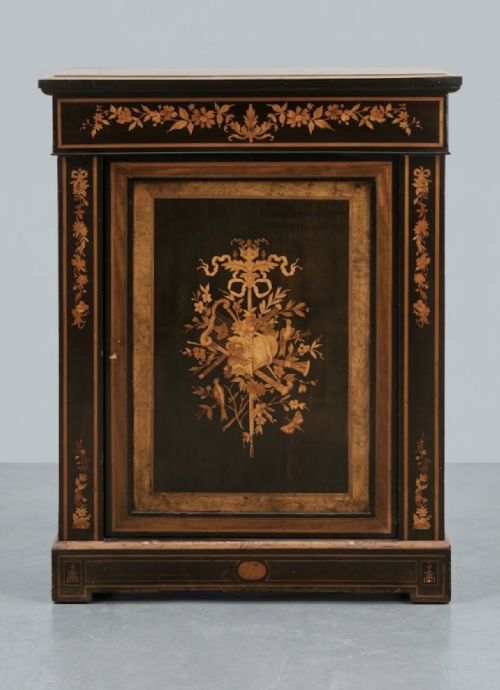
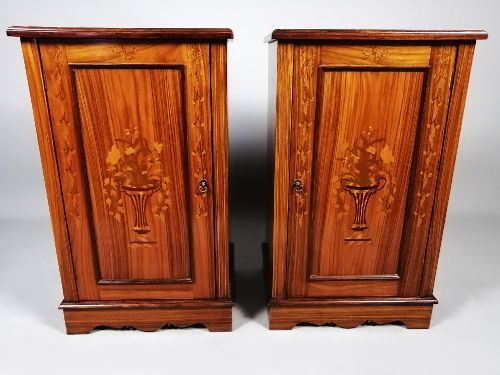
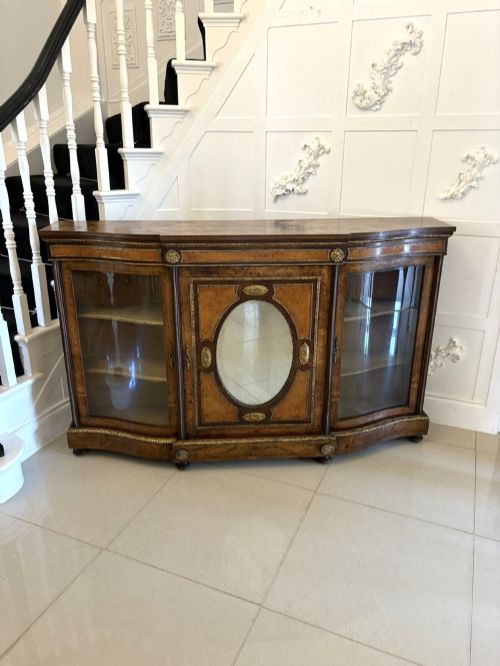
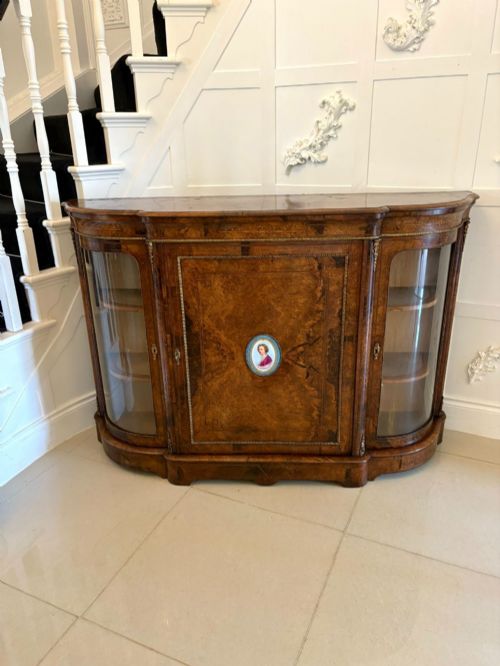
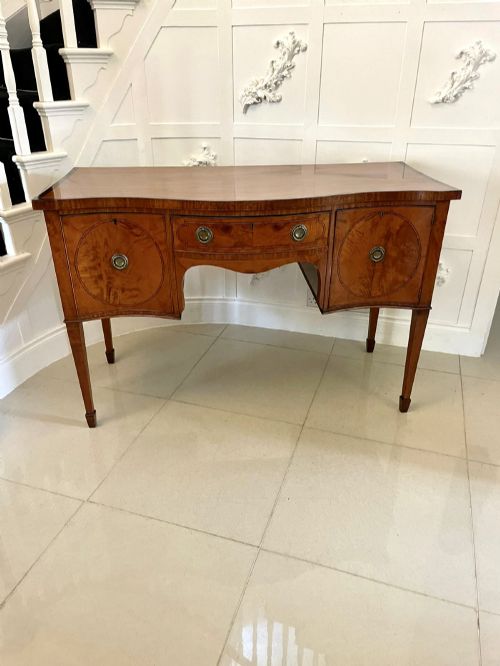
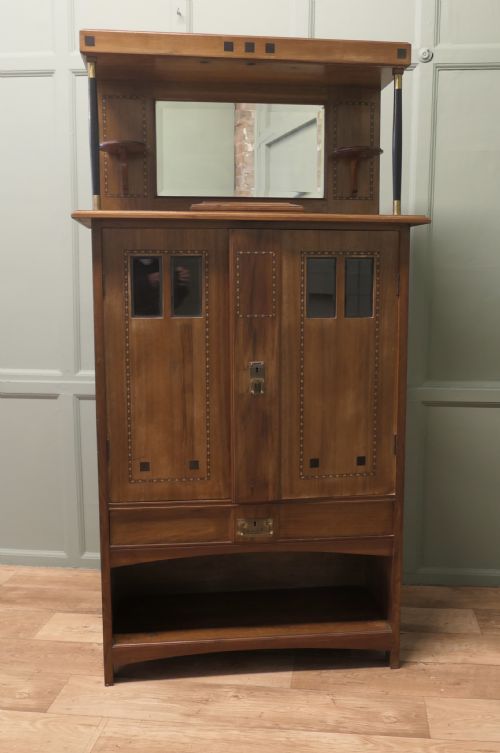
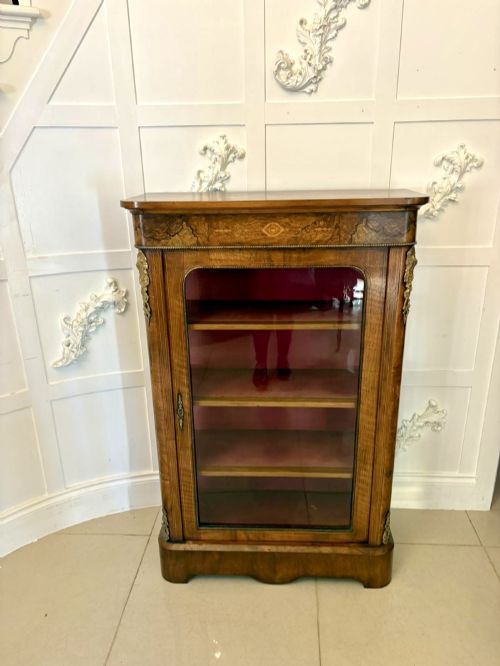
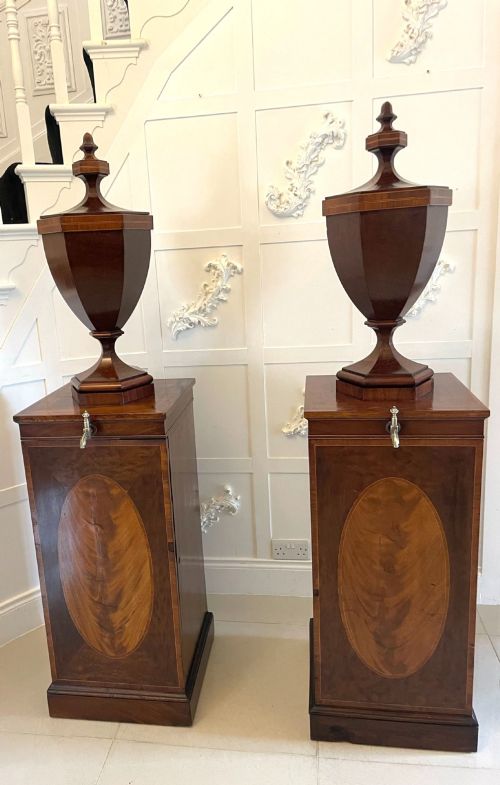
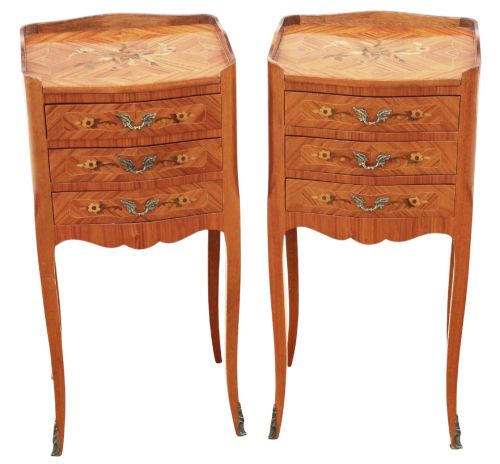
An antique inlay cabinet encompasses a wide range of storage and display forms, running from compact pier cabinets and bedside cupboards to large breakfront bookcases, credenzas, and bureau cabinets. You will frequently encounter mahogany and burr walnut pieces produced during the Victorian and Edwardian periods, alongside Dutch Baroque and Georgian examples.
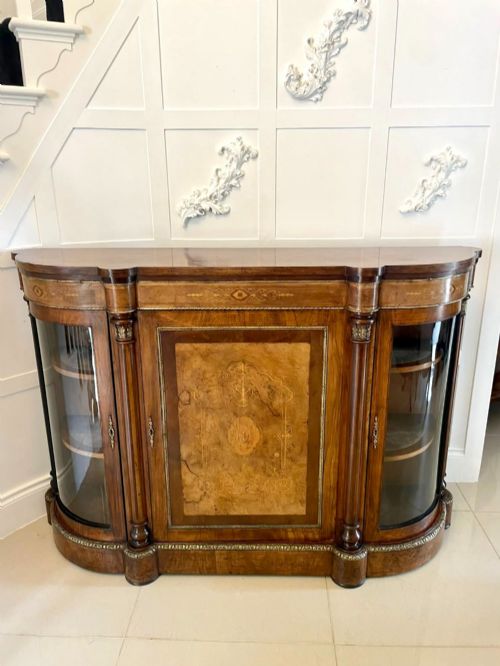
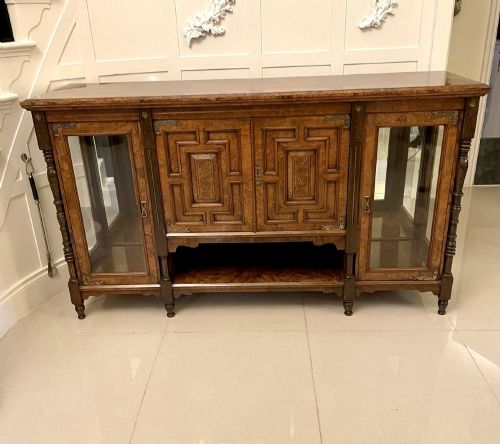
The domestic purpose of these pieces shifted according to their form, serving as display cases for porcelain, secure homes for ledgers, or repositories for household linen. Display cabinets and side cabinets dominate the selection, often incorporating glazed doors, mirror backs, or brass mounts.
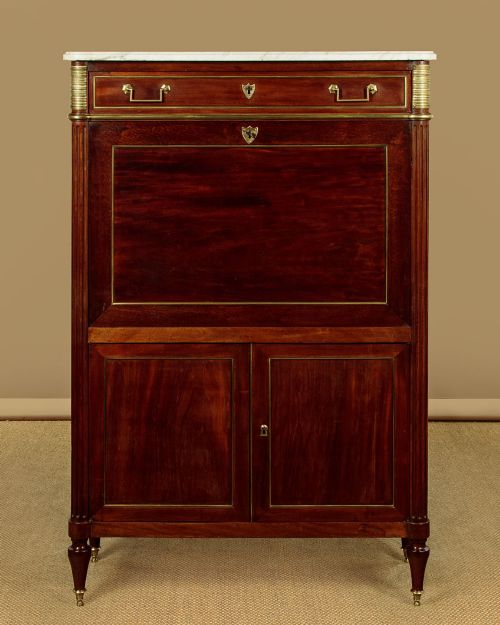
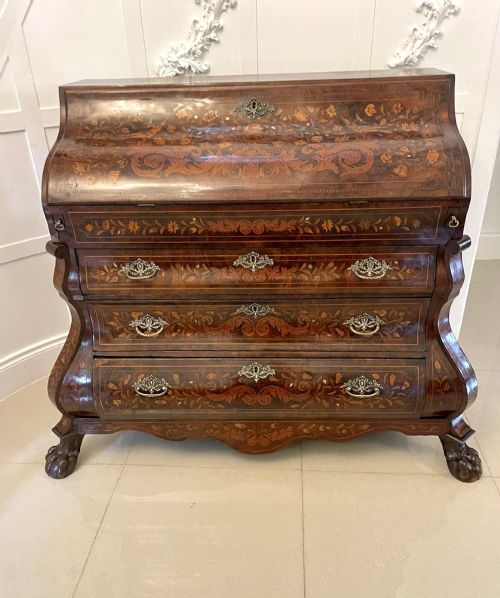
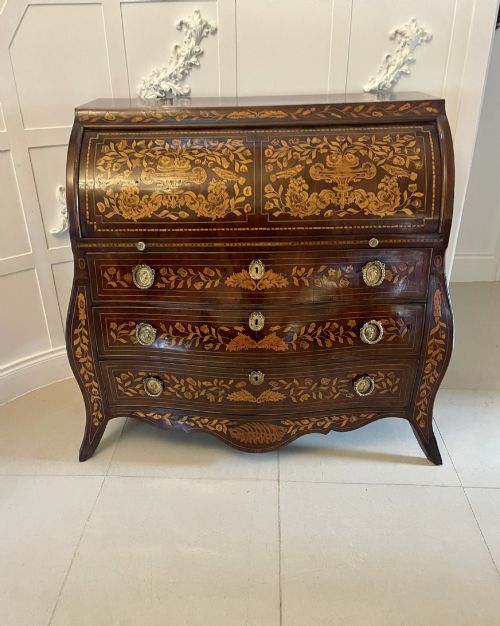
Origins span English workshops, French ateliers, and Dutch centres of cabinet making, reflecting diverse regional tastes in decorative motifs. The variety extends to secretaires and music cabinets, showing how cabinet makers adapted surface decoration to specialised internal fittings.
How they were made
Makers built these cabinets using solid timbers and supportive carcases veneered in figured woods like burr walnut, flame mahogany, satinwood, and rosewood. Surface decoration relied on contrasting materials such as boxwood, brass, and mother-of-pearl.
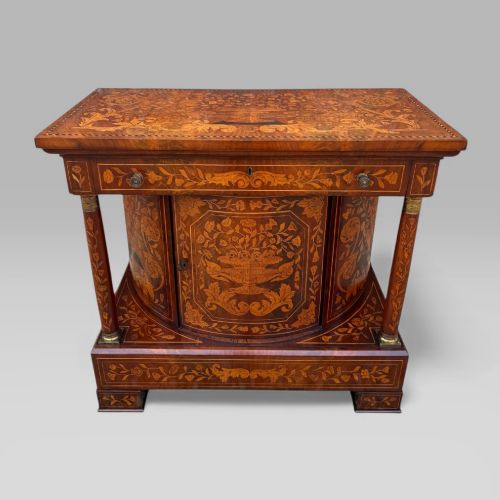
Marquetry techniques involved cutting intricate pictorial floral or geometric designs from thin sheets of veneer and fitting them into a prepared ground. Brass stringing and inlay required precise hand-chiselling into the timber surface before secure gluing and polishing.
Listings feature cabinets spanning the eighteenth, nineteenth, and twentieth centuries, incorporating Edwardian, Victorian, and Georgian revival styles.
What varies in quality
The distinction between standard production and exceptional work rests on the precision of the initial design and the depth of the cabinet maker's execution. Superior pieces demonstrate meticulous alignment in floral marquetry and well-chosen timber grains that catch the light naturally.
Secondary details such as original cast bronze or ormolu mounts, fine brass handles, and well-fitted interior drawers indicate a higher grade of manufacture. Simpler utility pieces rely on straightforward boxwood stringing over plain mahogany, whereas top tier items unite multiple exotic woods with complex serpentine or bombe carcase forms.
Hewetsons London·GM Elwood·JS Henry·Maples and Co
The Antique Inlay Cabinet Glossary
- Marquetry
- A decorative technique where thin veneers of various woods are assembled into pictorial or geometric patterns before being applied to a carcase. It differs from simple inlay by covering the entire surface with a mosaic design.
- Credenza
- A low cabinet, frequently fitted with central doors and curved glass side compartments, popular in Victorian interiors for display and storage. They often feature extensive marquetry and ormolu mounts.
- Ormolu
- Gilded bronze used for mounts, feet, and keyhole escutcheons on nineteenth-century furniture. It provides a bright metallic contrast to dark woods like walnut and ebonised timber.
- Pier cabinet
- A tall, narrow display cupboard designed to stand against the wall space between windows. These pieces often incorporate glazed doors and velvet-lined shelves.
- Stringing
- Thin lines of contrasting wood or light-coloured timber inlaid into channels cut into the furniture surface. It forms geometric borders and frames drawer fronts.
Antique Inlay Cabinet: Frequently Asked Questions
What is an antique inlay cabinet used for?
These cabinets served multiple domestic functions, from displaying porcelain and glassware in the parlour to storing sheet music or private papers. Their internal fittings often included adjustable shelves, velvet linings, or dedicated writing drawers.
Today, they function well in modern interiors as principal storage furniture or display focal points in living spaces and hallways.
How do I date an inlay cabinet?
Dating relies on examining the construction methods of the carcase, the choice of secondary timbers, and the prevailing decorative style. Georgian pieces typically display clean architectural lines with restrained boxwood stringing, while Victorian examples often embrace heavier burr walnut veneers and ornate ormolu.
Later Edwardian and Sheraton Revival pieces show a lighter touch with satinwood and delicate floral marquetry motifs.
What is the difference between inlay and marquetry?
Inlay involves cutting recesses into a solid wood surface and inserting pieces of contrasting material, such as brass or boxwood, to form lines and simple patterns. Marquetry covers the entire surface with a jigsaw-like puzzle of different wood veneers to create elaborate pictures.
Both techniques appear across eighteenth and nineteenth-century cabinets, sometimes combined on the same piece.
Where were these cabinets made?
Production centred on major cabinet-making hubs in England, France, and the Netherlands, with regional workshops developing distinct regional aesthetics. English makers favoured mahogany and rosewood with understated stringing, whereas French and Dutch makers specialised in complex floral marquetry and bombe forms.
Specialist firms in London and provincial centres supplied wealthy households with bespoke storage.