
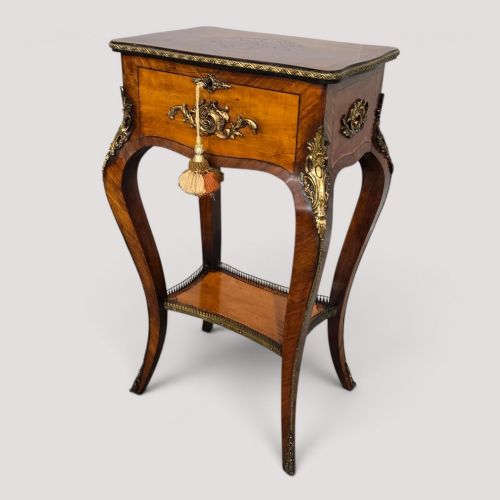
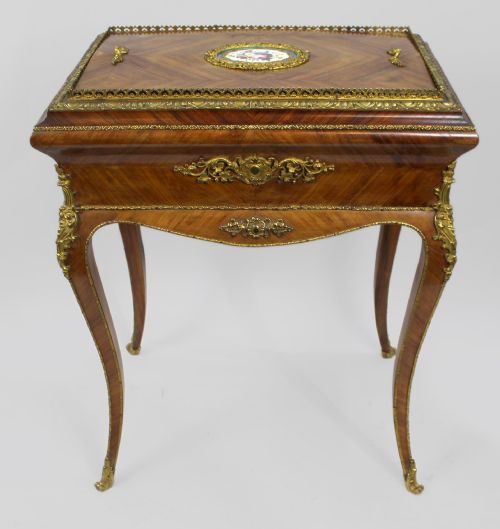
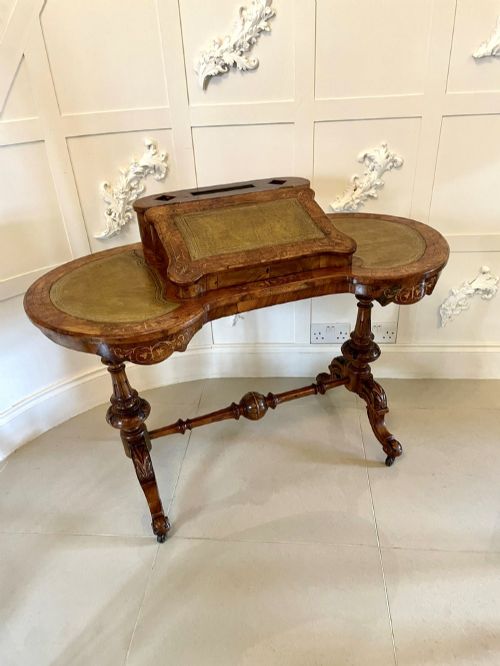
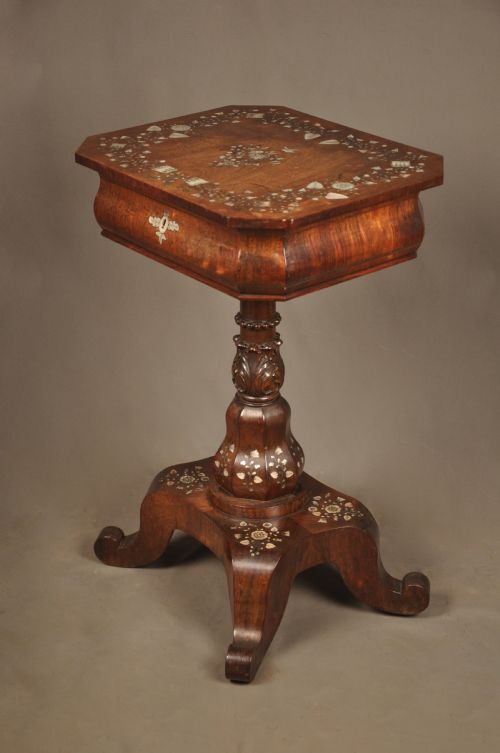
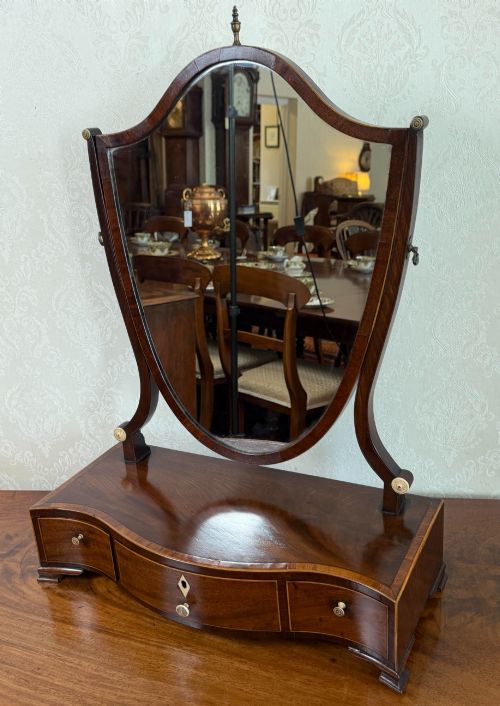
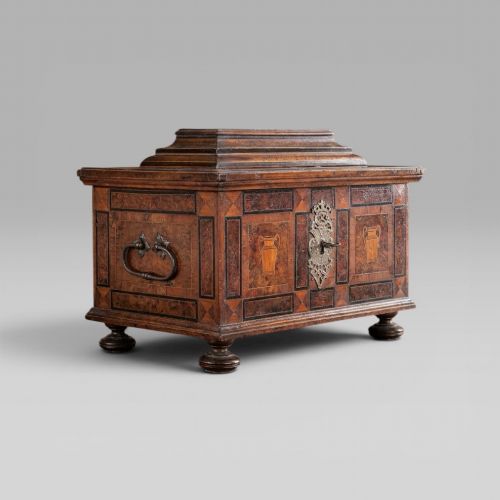
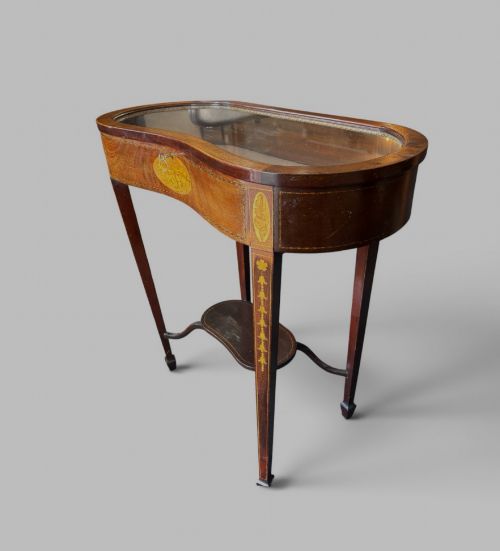
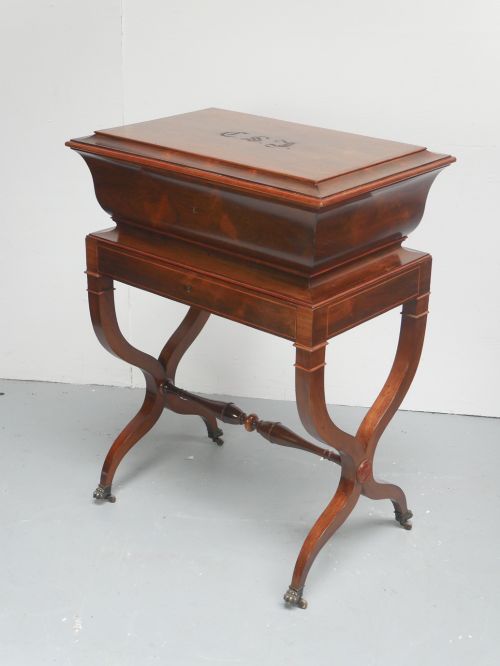

Antique Inlaid Table Box
When you search for an antique inlaid table box, you are looking at small-scale furniture and portable caskets that combine fine cabinetmaking with decorative surface work.
Antique Inlaid Table Box
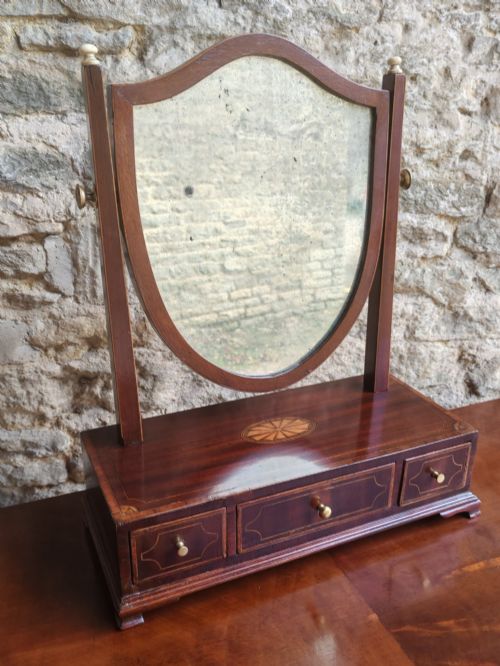
The phrase antique inlaid table box covers a diverse group of objects, ranging from tabletop caskets and desk boxes to freestanding sewing and display tables with lidded compartments. You will frequently encounter Victorian and Edwardian examples featuring fitted interiors designed for writing, needlework, or jewellery storage.
The forms span from compact walnut and rosewood desk boxes to octagonal bijouterie tables and trumpet work tables raised on pillar supports. Many pieces integrate folding mechanisms, lift-off lids, and silk baskets beneath the primary surface.
Origins stretch from English workshops to French and Italian makers, utilising periods from the Georgian era through to the early twentieth century. The unifying thread is a combination of functional storage and detailed wood or shell ornamentation.
Materials and construction
Carpenters built these boxes and tables using dense hardwoods such as mahogany, walnut, burr walnut, and rosewood as a stable foundation. Cabinetmakers then applied contrasting veneers and intricate stringing of satinwood, boxwood, and harewood.
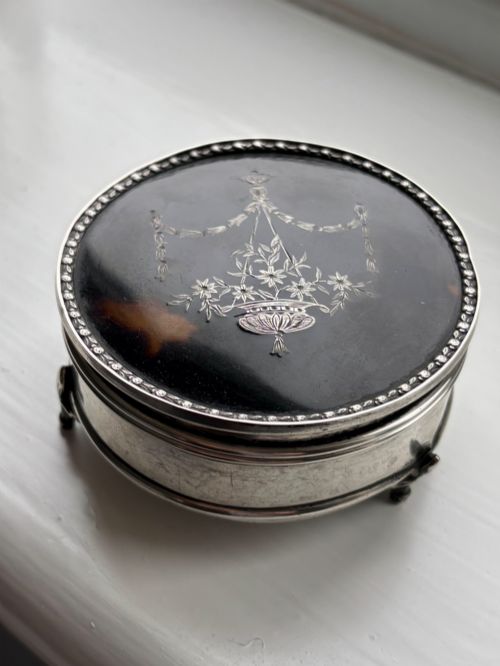
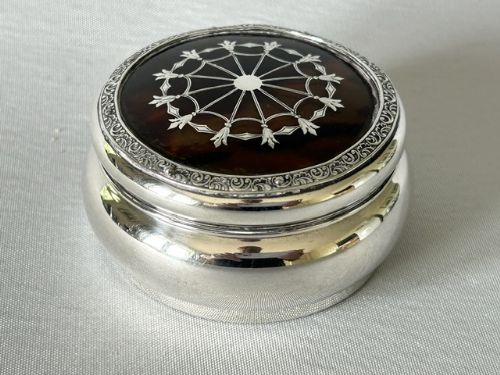
Decorative embellishments often incorporate Tunbridge mosaic work, mother-of-pearl, brass stringing, and tortoiseshell pique work set flush into the wooden surfaces. Internal compartments frequently utilise secondary softwoods alongside fitted mirrors and velvet or silk linings.
Listings feature items spanning the Georgian, Regency, Victorian, and Edwardian periods, constructed in rosewood, walnut, mahogany, and satinwood.
Assessing quality and execution
Quality reveals itself in the precision of the timber selection and the crispness of the inlay work. Finer pieces display tightly figured burr veneers matched symmetrically across the lid and sides, with delicate, evenly cut boxwood or brass stringing.
Internal architecture marks the difference between standard production and superior craftsmanship. High-grade examples contain fully fitted removable trays, secret drawers, and working locks with original keys, whilst lesser pieces show simpler interiors and glued rather than dovetailed joints.
Ollivant & Botsford·Asprey & Co.·Lesage·H Mitchell
The Antique Inlaid Table Box Glossary
- Bijouterie table
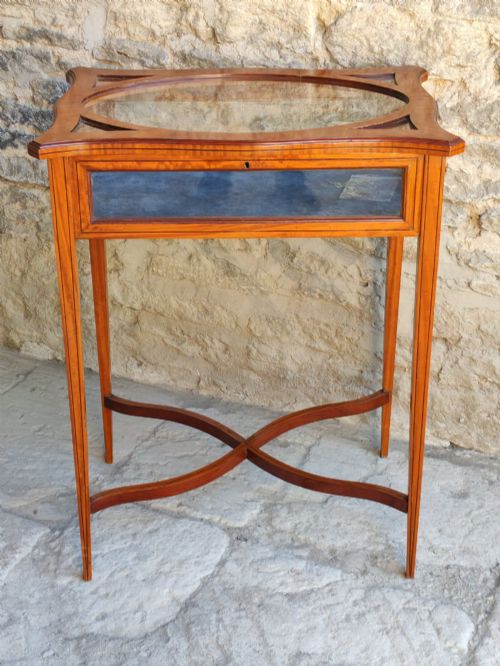
- A glass-topped display table intended for holding small decorative items or jewellery. These pieces usually feature hinged lids and velvet-lined interiors.
- Tunbridge inlay
- A meticulous mosaic technique using tiny blocks of naturally coloured woods to create pictorial or geometric mosaic designs. It is most commonly found on mid-nineteenth-century desk boxes.
- Trumpet table
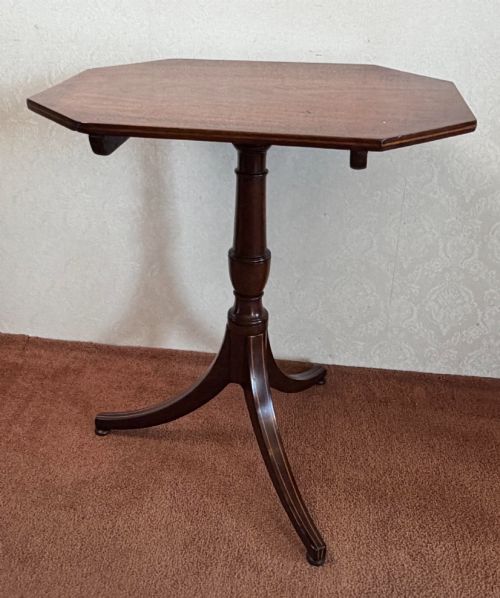
- A form of sewing or work table featuring an octagonal body that flares outward toward the base. They typically stand on a pillar with carved tripod feet.
- Marquetry
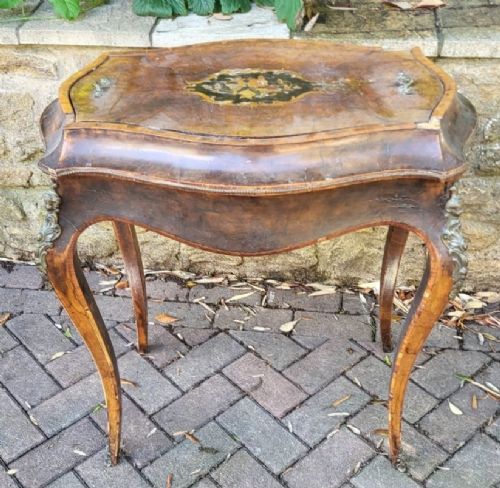
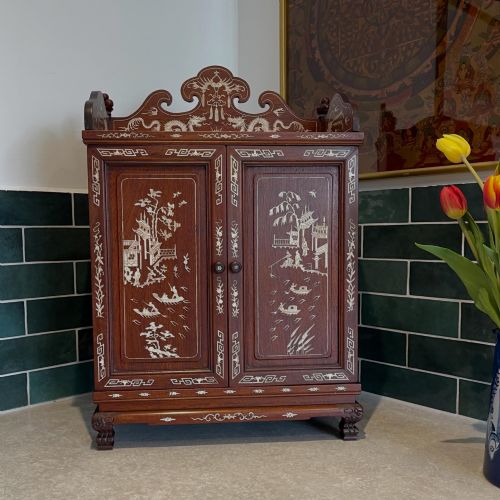
- The art of applying pieces of veneer to a structure to form decorative patterns or pictures. Craftsmen use various tinted woods, shells, and ivories.
- Pique work
- A method of decorating tortoiseshell or ivory with tiny points or pins of gold or silver. This technique appears frequently on Edwardian trinket boxes.
Antique Inlaid Table Box: Frequently Asked Questions
What is an antique inlaid table box?
An antique inlaid table box is a portable chest or small table featuring decorative wood, metal, or shell ornamentation embedded into its surface. These pieces were made to store personal valuables, writing materials, or sewing equipment.
They combine utilitarian storage with decorative cabinetwork, often designed to sit visibly on desks, side tables, or directly on the floor as freestanding occasional furniture.
How do I date an inlaid wooden box?
Dating relies on examining the timber species, construction methods, and decorative styles present on the piece. Georgian and Regency pieces often show simpler mahogany or rosewood surfaces with brass stringing, whilst Victorian examples frequently utilise burr walnut and Tunbridge mosaics.
Hardware such as hinges, locks, and escutcheons also provide chronological clues, alongside any maker marks or stamps found inside the compartments.
Were these boxes used for sewing?
Many table boxes and small work tables were specifically constructed for needlework, housing spools, pins, and fabric scraps. Interiors often include removable trays divided into small compartments, sometimes paired with suspended silk baskets.
These sewing boxes allowed ladies to keep their current embroidery projects organised and portable within the home.
How do I care for a veneered box?
Maintaining these pieces requires stable environmental conditions away from direct sunlight and strong heat sources, which can dry out delicate veneers and cause lifting. Dusting should be done gently with a dry, soft cloth without applying modern silicone polishes.
Waxing occasionally helps preserve the sheen of the timber and protects the aged polish without harming the original inlay.