


French Napoleon III Casket
These french napoleon iii casket pieces are decorative receptacles of the nineteenth century built to hold jewellery, trinkets or keepsakes on a grand drawing-room table.
French Napoleon III Casket
A french napoleon iii casket is a nineteenth-century decorative box designed for the dressing table or salon, appearing in forms such as jewellery boxes, trinket boxes and display boxes. The examples seen on this page span from the middle of the nineteenth century into the opening years of the twentieth, reflecting the opulent tastes of the Second Empire and Victorian periods.
How they were made
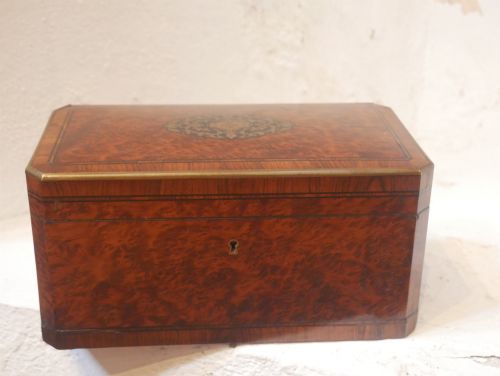
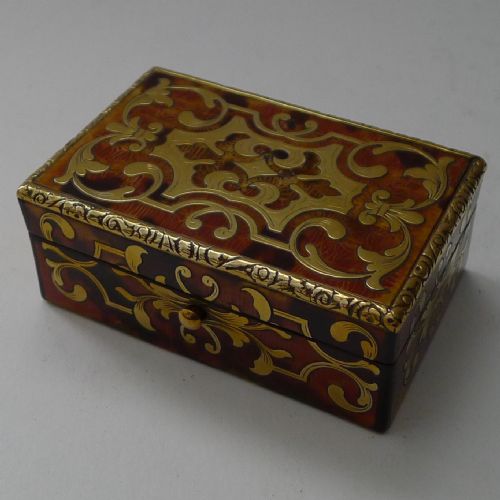
The construction of these pieces relies on a combination of exotic hardwoods and cast metal mounts. Makers utilise timber frameworks of amboyna, thuya, satinwood, kingwood, ebony and fruitwood, frequently enhanced with intricate inlay work or Boulle marquetry.
Metalwork plays a defining role in the construction, featuring mounts, frames and feet cast in ormolu, gilt bronze and silver plate. These metal elements frame panels of bevelled glass, crystal, Baccarat glass, opaline glass or Sevres porcelain, often lined internally with silk.
Some nineteenth-century boxes double as miniature houses for perfume bottles, proving that Victorian priorities were entirely correct.
What varies in quality
The standard of a piece is determined by the precision of the cabinetwork and the weight of the bronze mounts. Finer examples display meticulous joinery and deeply chased ormolu frames that fit the glass or timber panels without gaps.
Material selection dictates the upper tier of the range, where precious woods, hand-painted porcelain plaques and heavy cast bronze distinguish the work from simpler fruitwood or plain glass boxes.
Tahan Paris
The French Napoleon III Casket Glossary
- Ormolu
- A technique of applying finely ground, high-carat gold to an object of bronze. It provides a rich, warm golden finish to the metal mounts on nineteenth-century boxes.
- Boulle
- A style of marquetry using brass and tortoiseshell or alternative dark woods. It is named after the master cabinetmaker Andre-Charles Boulle and appears on select nineteenth-century pieces.
- Baccarat
- A renowned French crystal manufacturer known for producing clear and coloured glass of exceptional clarity. Pieces mounted in bronze often feature heavy Baccarat glass panels.
- Sevres
- A historic French porcelain manufactory famous for creating delicate ceramic plaques. These painted plaques are frequently set into the lids of nineteenth-century jewellery caskets.
- Thuya wood
- A coniferous wood with a highly figured, swirling grain pattern. It was favoured by Parisian cabinetmakers for luxury decorative boxes.
French Napoleon III Casket: Frequently Asked Questions
What were french napoleon iii caskets used for?
These boxes served primarily as secure or decorative receptacles for jewellery, trinkets, perfume bottles and small keepsakes. Placed upon dressing tables or salon display surfaces, they reflected the status and refined tastes of the owner.
They also functioned as presentation pieces and luxury souvenir items purchased during travels to Paris, often incorporating compartments lined in silk for delicate possessions.
How can I tell the period of a casket?
Dating relies on stylistic cues, manufacturing techniques and the combination of materials used in the construction. Pieces from the middle of the nineteenth century often exhibit heavy ormolu casting and specific exotic wood veneers characteristic of the Second Empire.
Later examples reaching towards nineteen hundred show subtle shifts in glass bevelling and joinery methods. Examining the interior linings and the construction of the hinges provides further clues to the exact decade of manufacture.
Are the glass panels usually original?
The thick bevelled glass and crystal panels found in these caskets are typically original to the nineteenth-century frame. Their heavy weight and precise edge bevelling match the structural requirements of ormolu-mounted boxes from the period.
Replacements are uncommon because the bronze mounts are custom-cast to fit each individual glass plate. Careful inspection of the seating within the metal frame confirms authenticity.
How do I care for ormolu and wood?
Maintenance requires gentle dusting with a soft, dry cloth to prevent the accumulation of dirt on the delicate gilt surfaces. Moisture and chemical polishes must be avoided entirely to protect both the gold finish and the underlying bronze.
Wood surfaces benefit from occasional light treatment appropriate for antique veneers, while silk interiors should be kept away from direct sunlight to prevent fading.