


Antique Inlaid Cupboard
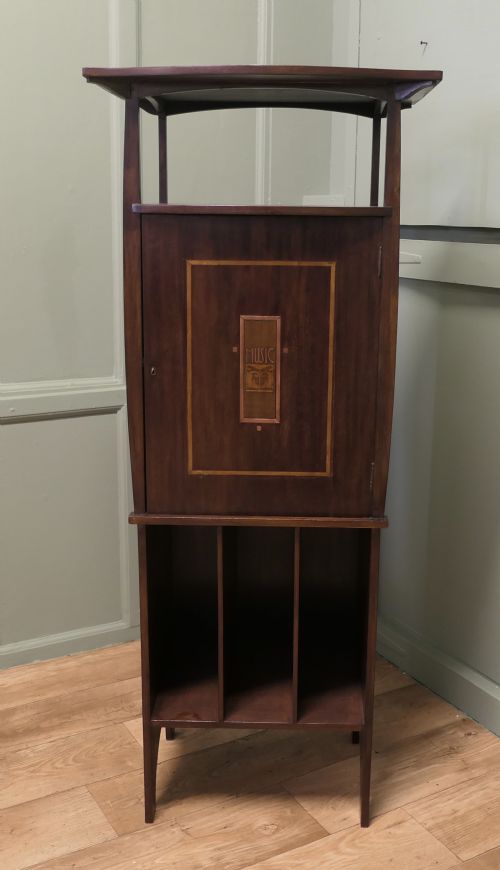
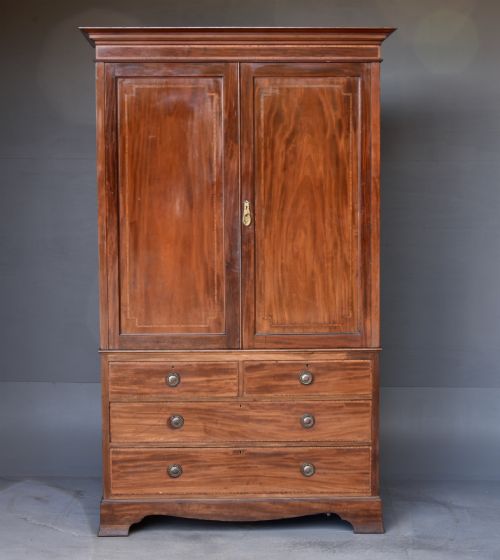
An antique inlaid cupboard brings rich timber figures and precise decorative banding into a room, offering both display and storage.
Antique Inlaid Cupboard
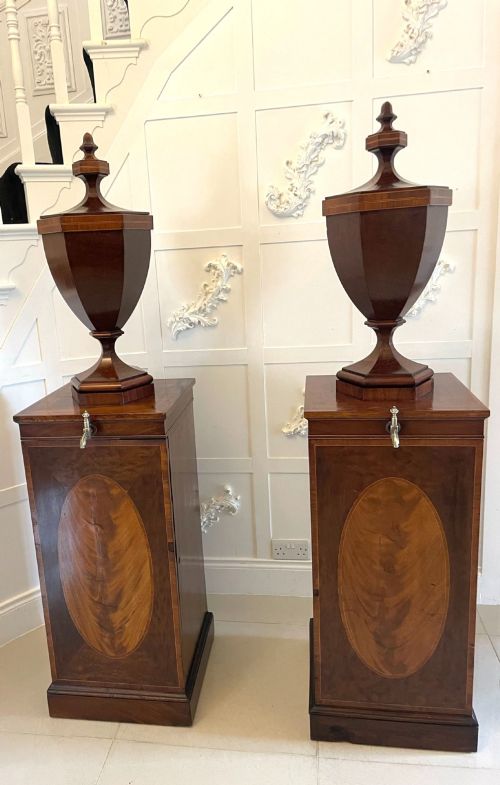
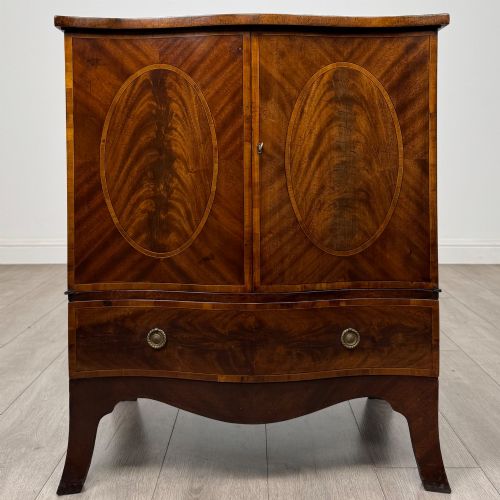
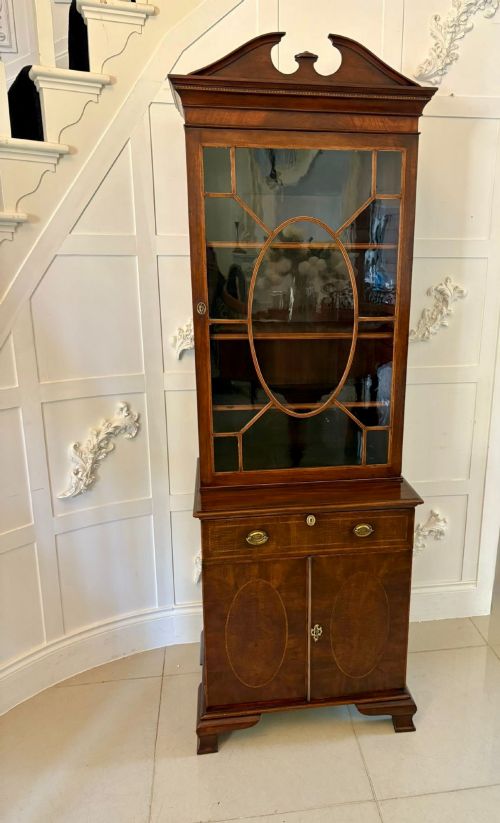
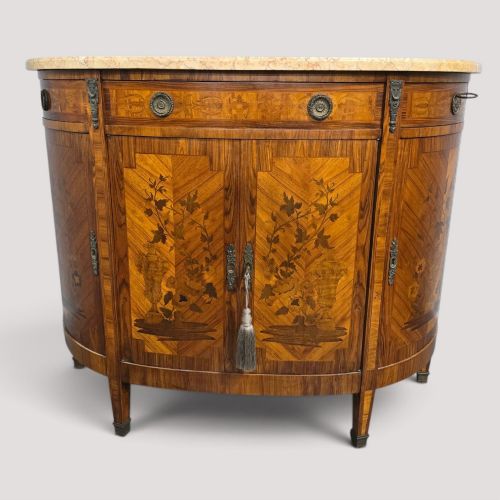
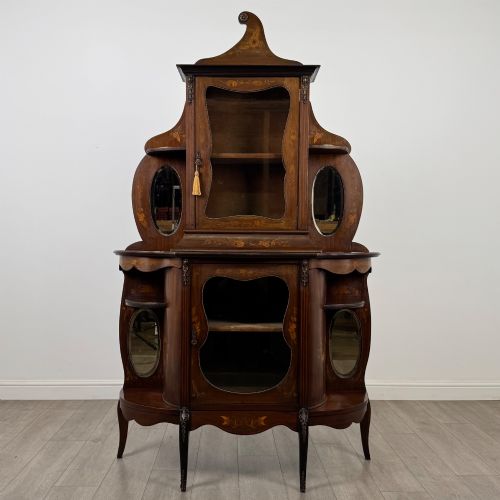
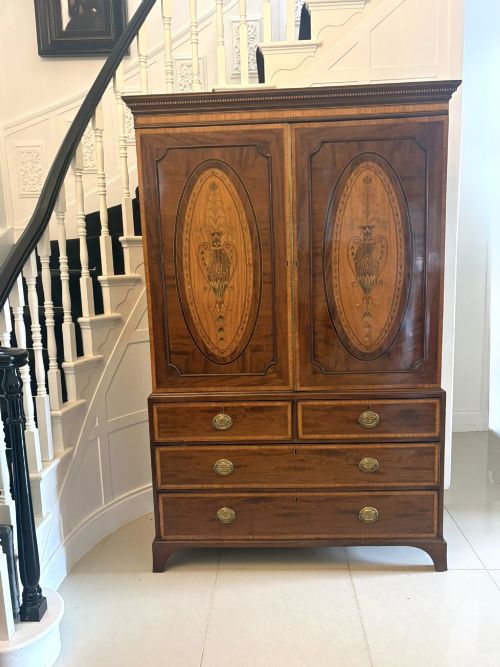
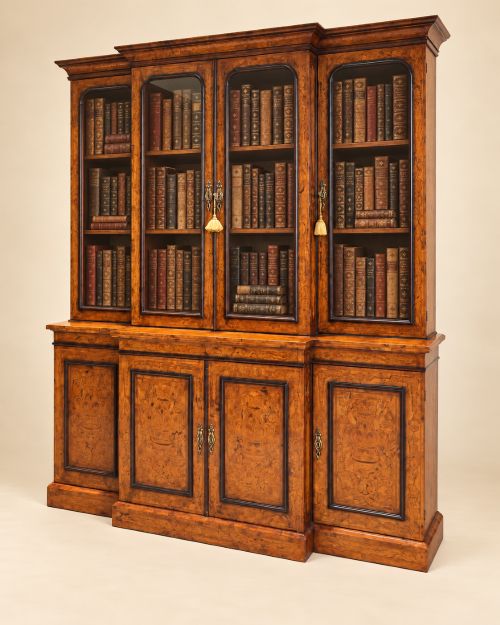
When you search for an antique inlaid cupboard, you encounter a diverse range of fitted storage furniture spanning several centuries of cabinet making. The pieces include corner cupboards, bedside cabinets, linen presses, and tall display units designed to hold porcelain, linen, or books. Georgian and Victorian examples sit alongside Edwardian satinwood pieces and robust oak court cupboards.
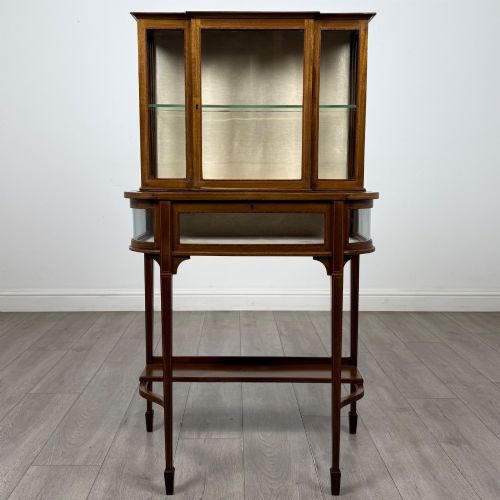
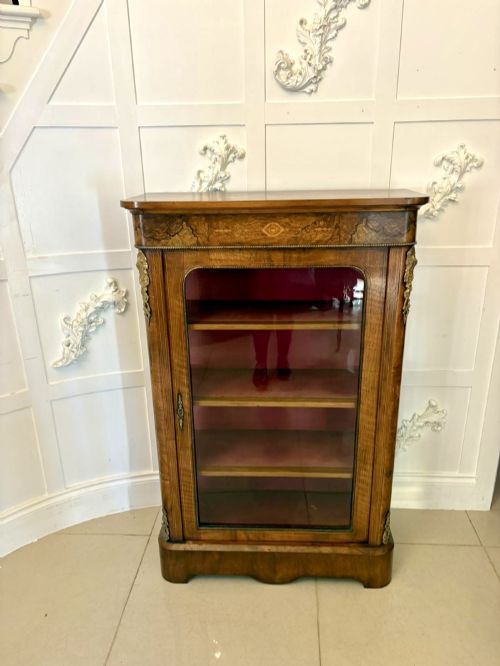
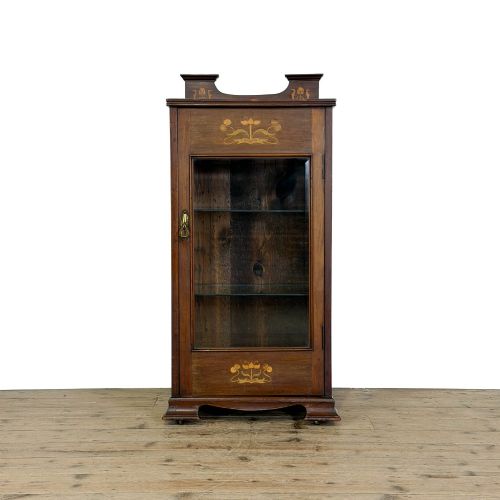
The most common variations on this page are Edwardian mahogany display cabinets and Victorian walnut pier cabinets featuring delicate contrasting stringing. Corner units, both hanging and floor-standing, also appear frequently in both oak and mahogany forms. These items served functional domestic roles in period homes, ranging from bedroom storage to formal parlour display.
Craftsmen built these cupboards to suit specific domestic spaces, leading to distinct regional forms such as Dutch marquetry pieces and Welsh bread and cheese cupboards. The integration of contrasting timber veneers defines the aesthetic across these diverse functional types. Buyers select them for their combination of practical enclosed storage and refined surface decoration.
How they were made
Cabinet makers constructed the primary carcasses from solid timbers such as mahogany, oak, and walnut, frequently applying fine veneers to large flat surfaces. They selected woods like satinwood, harewood, and ebony for contrasting visual impact in borders and central motifs. Internal construction relied on traditional joinery, including dovetail drawers and pegged frames.
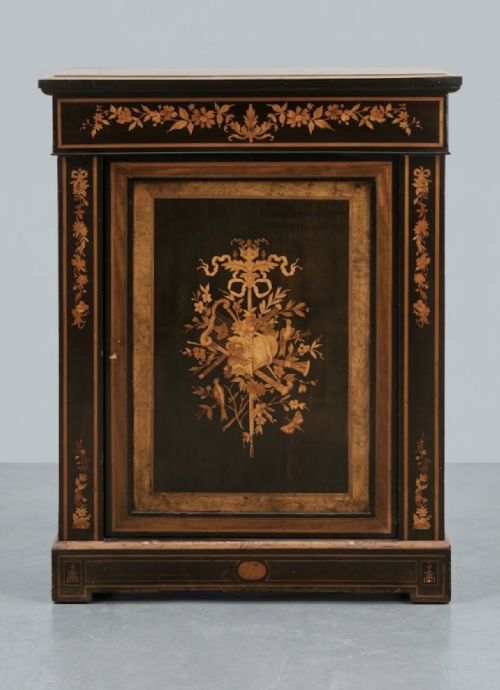
Marquetry and inlay techniques transformed plain timber panels into pictorial or geometric designs using carefully cut pieces of veneer. Craftsmen routed channels into the primary wood to insert linear stringing made from boxwood or ebony. Ormolu mounts and brass hardware provided structural reinforcement and decorative accents on higher status examples.
Early smokers' cupboards tucked tiny tobacco drawers behind locked panel doors to keep private blends safe from household guests.
What varies in quality
The sophistication of the timber selection dictates the visual hierarchy of these pieces, separating standard utilitarian storage from elite parlour furniture. Master workshops utilised highly figured burr walnut, flame mahogany, and intricate floral marquetry that required advanced bench skills. Simpler pieces relied on linear satinwood stringing around plain mahogany panels.
Structural integrity and the preservation of original surfaces distinguish superior examples from heavily restored ones. Refined execution shows in the crispness of the inlaid banding and the seamless integration of brass mounts and glass panels. The precision of the cabinet maker's dovetailing and the retention of original hardware complete the assessment.
Edwards and Roberts·Maple and Co·GM Elwood for JS Henry
The Antique Inlaid Cupboard Glossary
- Marquetry
- The art of forming decorative patterns by fitting together veneers of different timbers, shells, or ivories. This technique created elaborate floral or pictorial scenes on cabinet doors.
- Stringing
- Thin lines of contrasting wood inlaid into channels cut into the surface of a furniture piece. It outlines panels and drawers to add geometric definition.
- Linen Press
- A tall piece of furniture designed with upper sliding trays for storing textiles and lower drawers for bulkier garments. Georgian and Victorian examples often feature extensive panel inlay.
- Pier Cabinet
- A low display cabinet designed to fit against the narrow wall space between windows. Victorian examples frequently incorporate burr walnut and glazed doors.
- Court Cupboard
- An early form of enclosed storage, usually constructed from oak with upper and lower tiers. These pieces date back to the seventeenth century and display robust joined construction.
Antique Inlaid Cupboard: Frequently Asked Questions
How do I date an inlaid cupboard?
Examination of the secondary woods, construction methods, and inlay style reveals the period of manufacture. Georgian pieces often show hand-sawn oak linings, whereas Edwardian items utilise machine-cut veneers and softer coniferous internal timbers.
The evolution of design styles also guides dating, moving from geometric eighteenth-century banding to ornate Victorian marquetry and lighter Edwardian satinwood creations.
Where were corner cupboards placed?
Corner cupboards filled unused angles in dining rooms, parlours, and bedrooms to maximise storage without cluttering floor space. Wall-hanging versions were secured directly to masonry, while tall floor-standing models anchored themselves firmly in the room angle.
These units typically housed glassware, ceramics, or dining accessories, keeping everyday items close at hand yet protected from dust.
How should I clean my antique cupboard?
Maintenance requires gentle dusting with a soft, dry cloth to prevent particulate accumulation on the polished wood surface. Avoid modern silicone sprays, which degrade antique wax and varnish over time.
Application of traditional beeswax feeds the timber and preserves the natural lustre of the veneer and inlay work. Keeping the piece away from direct sunlight and heat sources prevents the wood from drying and splitting.
What is the difference between inlay and marquetry?
Inlay involves recessing pieces of contrasting material into a solid wood base, usually creating linear geometric patterns. Stringing and banding are classic examples of this technique.
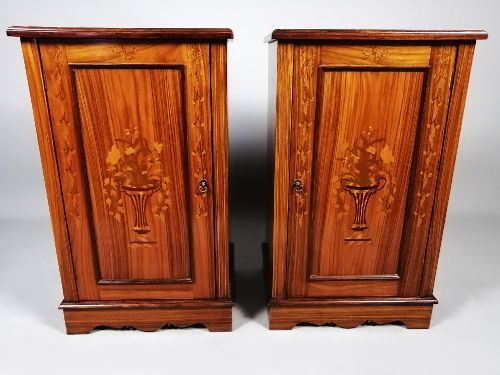
Marquetry assembles an entire pictorial mosaic of various veneers on a paper backing before gluing the complete sheet to the carcass surface. This method allowed makers to produce elaborate floral urns and landscape scenes.