

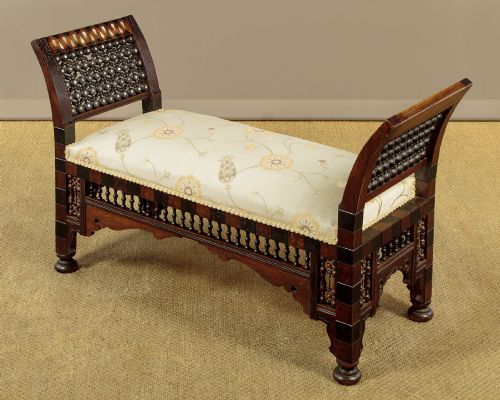


Antique Inlaid Bench Seat
When you handle an antique inlaid bench seat, you touch a tradition of fine cabinetmaking that brings distinct character to a room.
Antique Inlaid Bench Seat
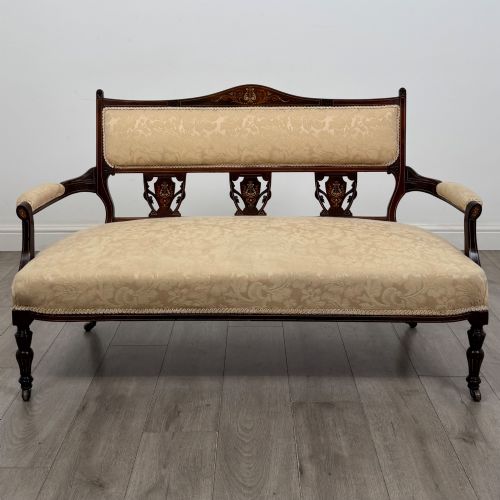
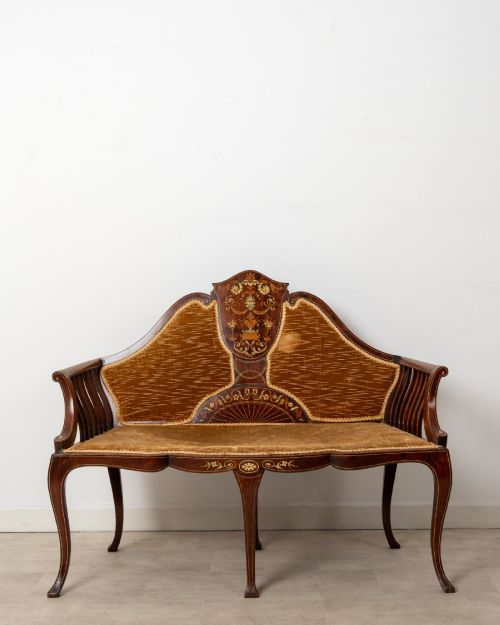
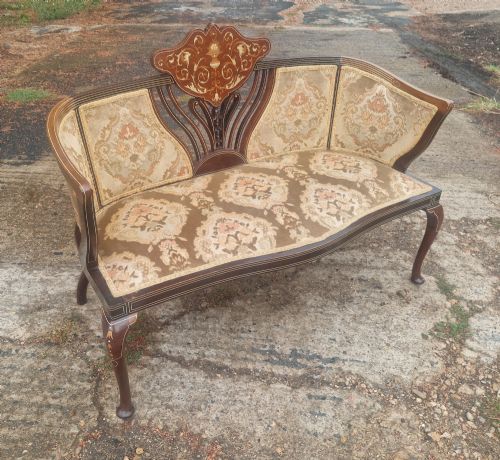
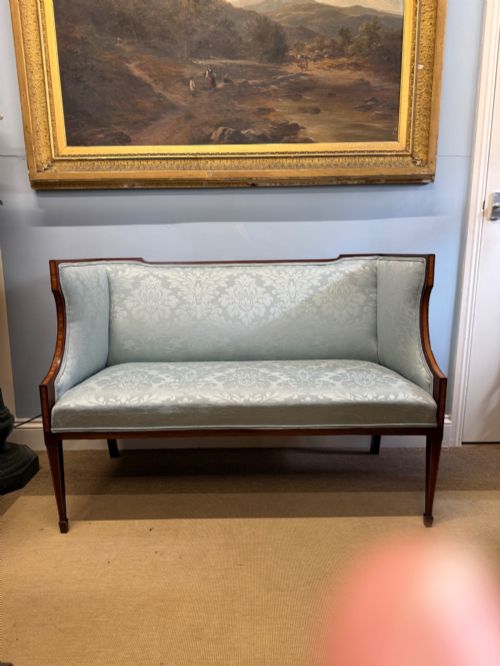
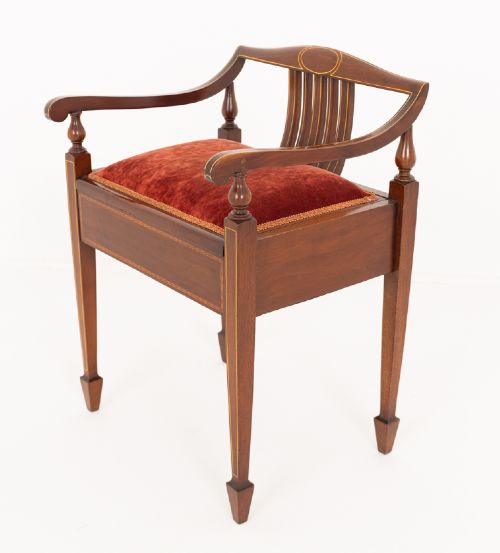
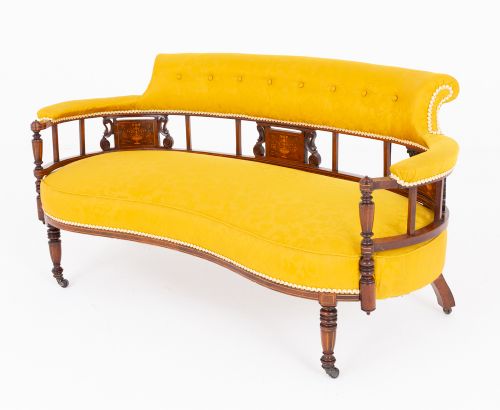
An antique inlaid bench seat encompasses various forms including settees, window seats, piano stools, and hall benches spanning from the Georgian period through the Edwardian era. You will most frequently encounter Edwardian mahogany settees and piano stools featuring delicate contrasting wood embellishments.
The pieces range from compact salon seating and bedroom benches to larger Chinese export and Anglo-Indian hardwood benches. These functional items served domestic spaces ranging from grand hallways and music rooms to intimate bedrooms.
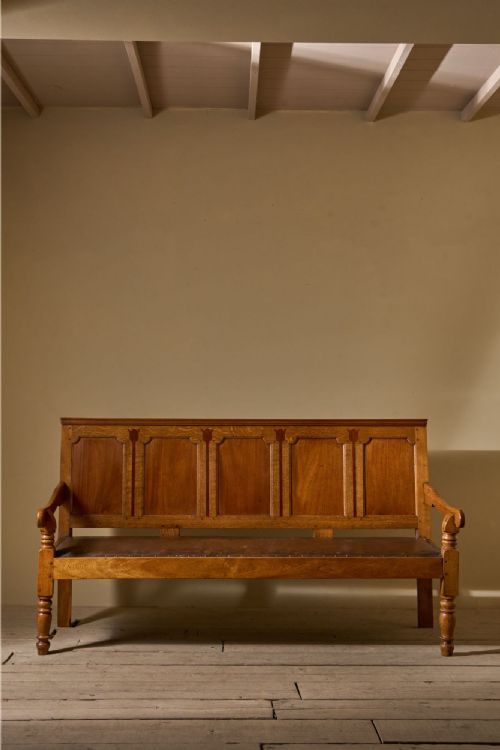
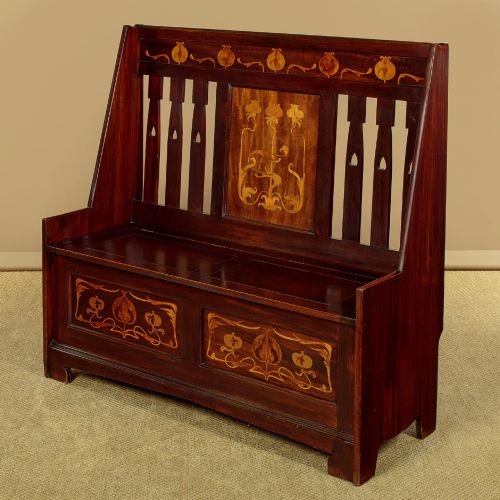
Makers utilised diverse woods like satinwood, rosewood, and oak alongside specialised forms such as the X-framed stool and the box settle. Each object reflects the prevailing taste of its decade, balancing structural timber with decorative surface work.
Materials and construction methods
Cabinetmakers built the foundational frames of these seats using sturdy hardwoods such as mahogany, oak, and rosewood, ensuring structural longevity. Surface decoration relied on contrasting veneers and detailed inlays using satinwood, boxwood, bone, and mother of pearl.
The decorative motifs were embedded directly into the timber surfaces, often complemented by brass hardware or elaborate Boulle work. Upholstered variants integrated traditional textile coverings including velvet and various patterned fabrics to provide comfortable seating.
Listings feature mahogany, satinwood, rosewood, and oak alongside decorative inlays of bone, brass, and mother of pearl.
Assessing quality and craftsmanship
The distinction between standard examples and superior pieces rests in the crispness of the inlay work and the selection of figured timbers. Finely executed satinwood or boxwood details show precise joints without gaps, whereas lesser pieces display coarser line work.
Proportion and structural integrity dictate the standing of a seat, particularly in piano stools and larger settees designed for daily use. Original upholstery framing and well-preserved surface polishes elevate the desirability of surviving items.
James Shoolbred And Co
The Antique Inlaid Bench Seat Glossary
- Satinwood
- A lustrous, yellowish-brown hardwood frequently utilised for contrasting inlay and decorative veneers.
- Boulle inlay
- The intricate practice of embedding brass and tortoiseshell or similar materials into a wooden substrate.
- X-framed
- A structural form utilising crossed timbers to support seats such as piano stools and benches.
- Box settle
- A high-backed wooden bench featuring an enclosed storage compartment beneath the seat.
- Sheraton Revival
- A late nineteenth and early twentieth century design movement drawing inspiration from eighteenth-century neoclassical furniture.
Antique Inlaid Bench Seat: Frequently Asked Questions
How do I date an inlaid bench seat?
Dating relies on identifying the underlying wood species, the style of the decorative inlay, and the overall form of the furniture piece. Edwardian examples often display lighter mahogany frames with delicate satinwood motifs, while nineteenth-century pieces tend toward darker rosewood or denser structural proportions.
Examining construction techniques and joinery hidden beneath the seat or frame provides further clues to the manufacturing decade. Comparing the piece against documented cabinetmaking trends helps narrow the period of origin.
Where were these benches placed in the home?
These versatile seats served multiple domestic functions depending on their specific form and size. Hall benches and settles furnished entranceways for putting on boots, whereas piano stools and window seats occupied music rooms and private parlours.
Smaller bedroom settees and end-of-bed sofas provided casual seating areas in private chambers. Their placement depended entirely on the spatial needs and social habits of the household.
How should I care for antique inlaid wood?
Preserving inlaid timber requires maintaining a stable indoor environment away from direct heat sources and excessive moisture. Sudden temperature fluctuations can cause the delicate veneers and boxwood or mother of pearl inlays to lift or crack.
Regular dusting with a soft, dry cloth keeps the surface clean without requiring heavy polishes. Professional conservation may be sought if any tiny inlay segments begin to loosen from the surrounding wood.