



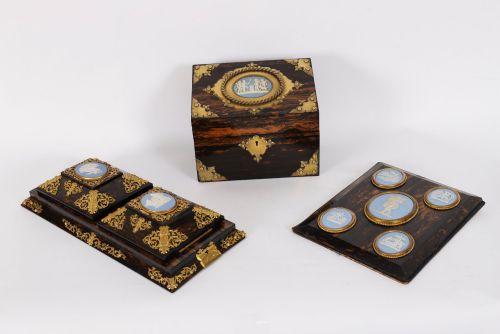
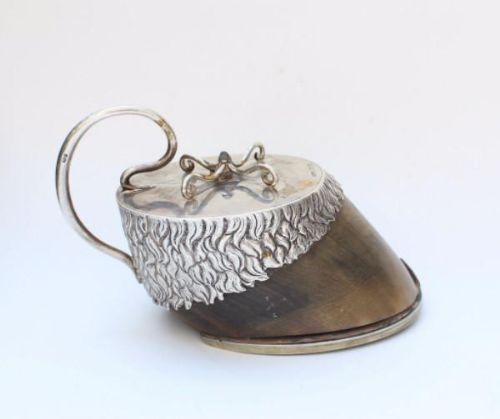
Antique Inkstand Desk Accessory
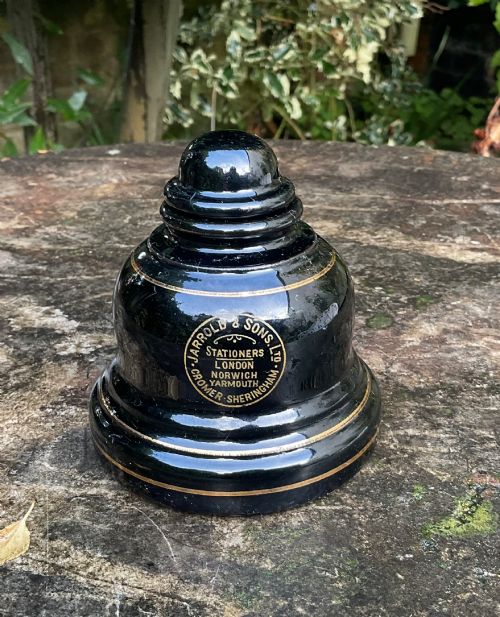
An antique inkstand desk accessory organises the writer's desk through fitted compartments, pen rests and glass or ceramic inkwells.
Antique Inkstand Desk Accessory
When you search for an antique inkstand desk accessory, you encounter desk sets, standishes, and inkwells dating from the Georgian, Regency, and Victorian periods. These pieces combine utilitarian writing functions with decorative materials like porcelain, brass, and marble.
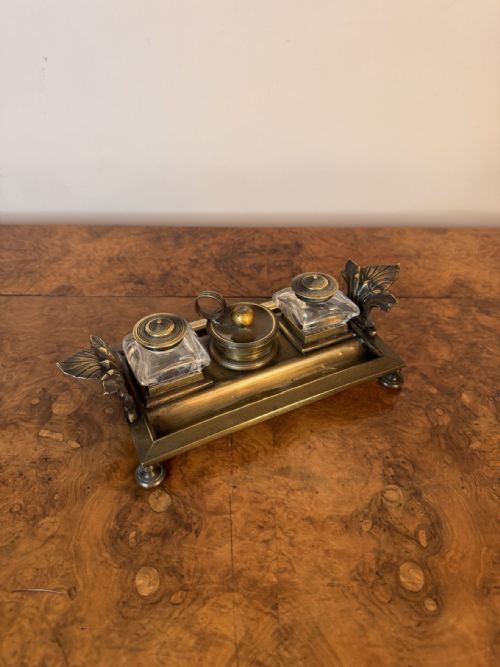
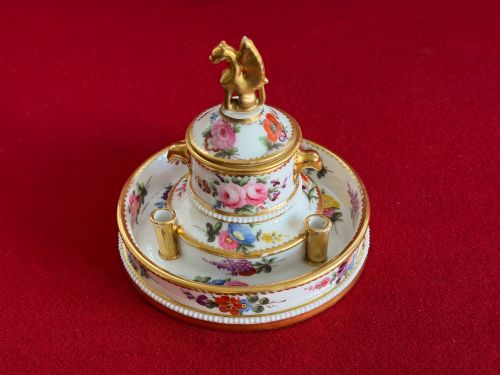
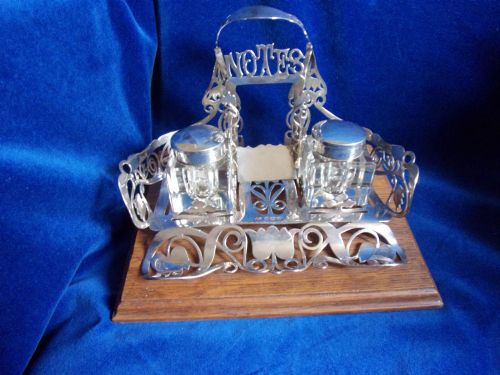
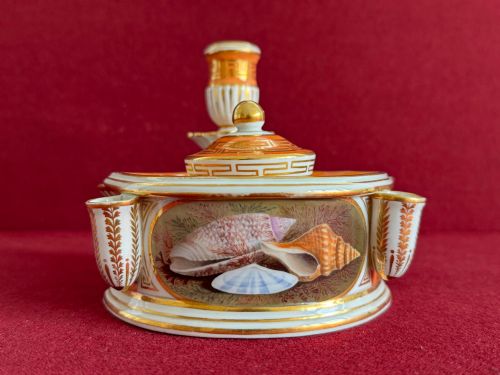
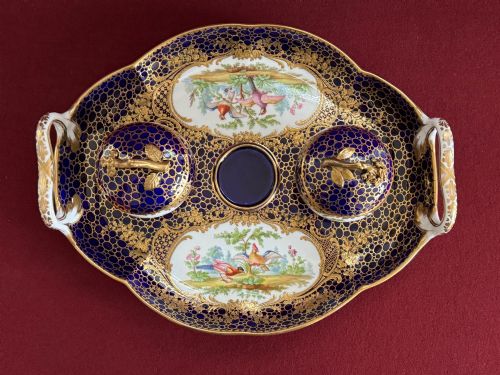
The most common forms on this page include fitted wooden trays with glass ink inserts, silver capstan inkwells, and porcelain stands from factories such as Minton and Spode. Buyers select these items to anchor a traditional desk workspace or to collect specific ceramic and metalwork types.
Materials and construction
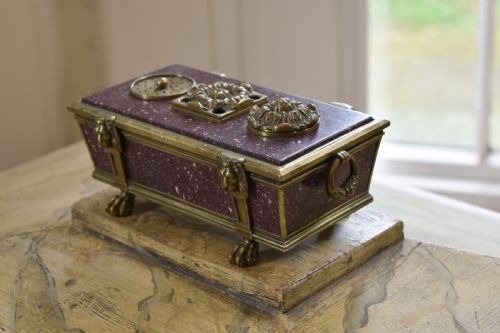
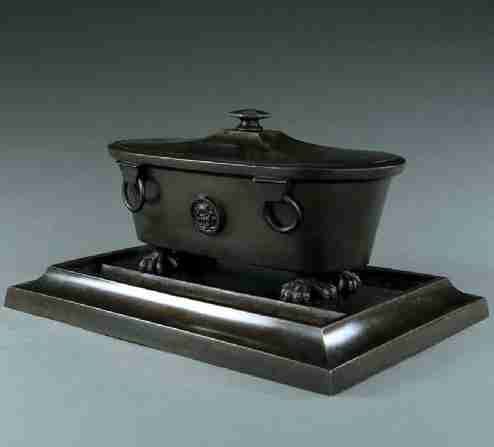
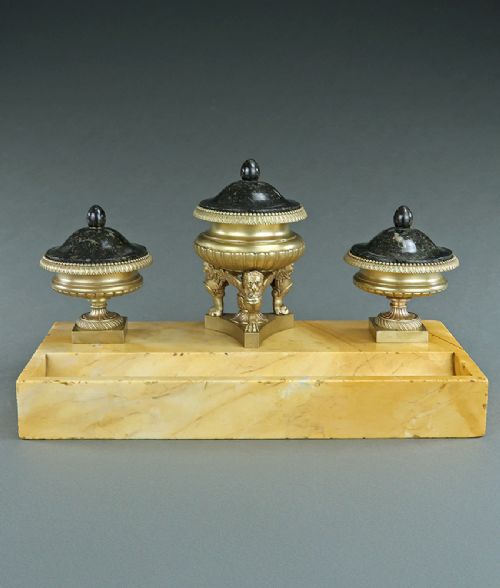
Workshops utilised cast metals, turned hardwoods, and hand-formed ceramics, pairing sterling silver and brass with glass liners for daily use. Marble bases and ormolu mounts added substantial weight and decorative presence to executive writing tables.
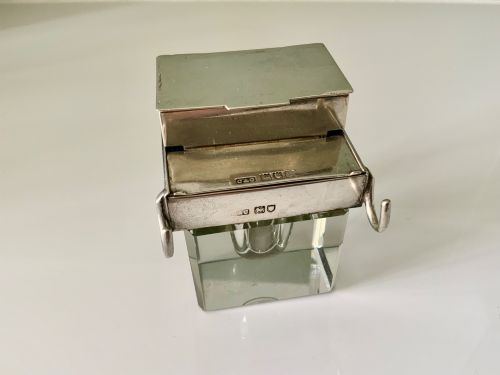
Makers integrated hinged lids, silver plate, and specialised stamp boxes into complex desk tidies using traditional joinery and metal-casting methods. Glass inkwells were heavily cut or moulded to resist tipping and hold adequate fluid.
Antique Inkstand Desk Accessory Retail Price Guide 2026
Typical asking prices for inkstand desk accessory among the pieces listed under this phrase on Sellingantiques today, from the lower quarter to the upper quarter. They describe what is for sale here now, not the wider market.
Current listings feature desk accessories in sterling silver, porcelain, brass, glass, and marble across Victorian, Regency, and Edwardian periods.
Factors determining quality
Superior examples exhibit crisp casting in ormolu and bronze, well-matched porcelain painting, and fully intact fitted interiors without replacement parts. The clarity of glass cutting and the structural integrity of silver mounts separate master workshop output from standard commercial production.
Makers' marks, such as those from recognised silver or porcelain manufacturers, elevate a piece alongside the quality of secondary materials like coromandel or tortoiseshell. Pieces that retain their original matched ink inserts and pen trays demonstrate higher desirability.
Edwards and Jones·Flight and Barr·Henry Matthews·Walker and Hall
The Antique Inkstand Desk Accessory Glossary
- Standish
- A fitted tray or stand holding inkwells, sanders, and pen compartments. It served as the primary desk accessory for correspondence in elite households.
- Capstan inkwell
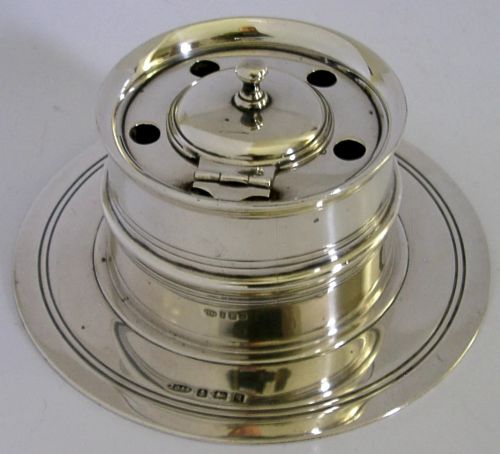
- A low, wide inkwell shaped like a ship's capstan with a sloped body and a hinged top. This form gained popularity during the Edwardian period.
- Ormolu
- Gilded bronze or brass applied to decorative objects and desk sets. French and English makers utilised this technique extensively during the nineteenth century.
- Encrier
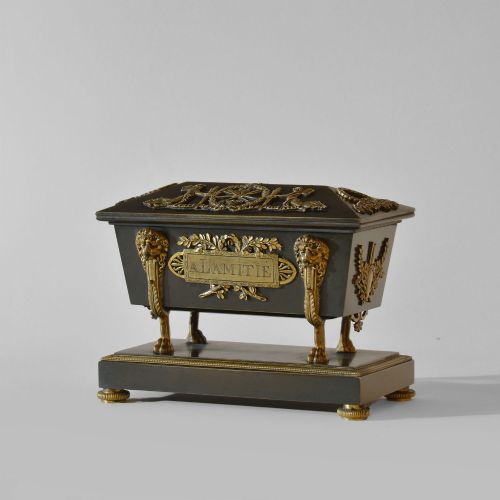
- The French term for an inkstand or inkwell. These pieces often incorporate marble bases and bronze figural elements.
Antique Inkstand Desk Accessory: Frequently Asked Questions
How do I clean antique silver inkwells?
Silver inkwells require gentle cleaning with a soft cloth and a reputable silver polish to maintain their surface without removing hallmarks. Care must be taken around glass inserts and hinges.
Harsh abrasives and chemical dips should be avoided, particularly on pieces featuring gilt interiors or delicate engraving.
Were these desk accessories used daily?
Most antique inkstands and desk sets were made for active use by writers, merchants, and households before the widespread adoption of the fountain pen. They sat permanently on desks for dipping steel or quill nibs.
Ink residue inside glass wells or slight wear on pen rests often indicates authentic period use.
How do I date a porcelain inkstand?
Porcelain inkstands are dated by factory marks, glaze characteristics, and the painting style associated with specific periods like the Regency or Victorian eras. Makers such as Minton and Spode used distinct pattern numbers and backstamps.
Stylistic cues, including Neoclassical or Rococo moulding, also help narrow down the decade of manufacture.