




Antique Indoor Planter Table
An antique indoor planter table brings living greenery indoors with architectural presence, crafted to house plants on grand salon floors.
Antique Indoor Planter Table
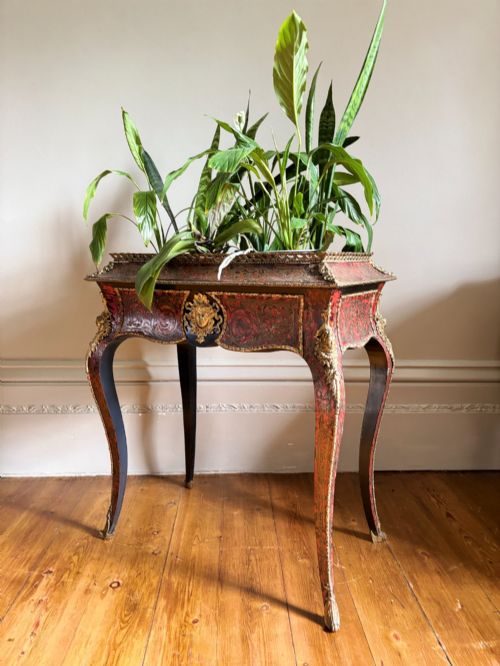
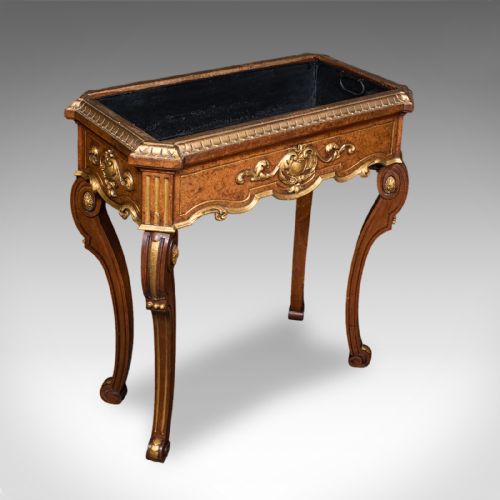
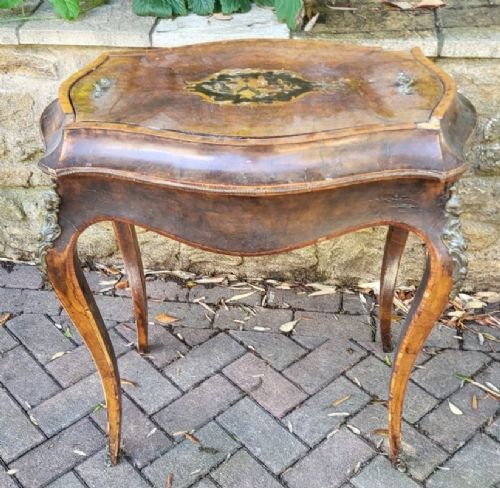
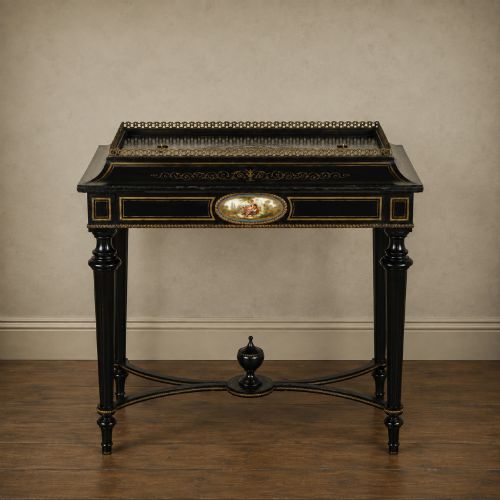
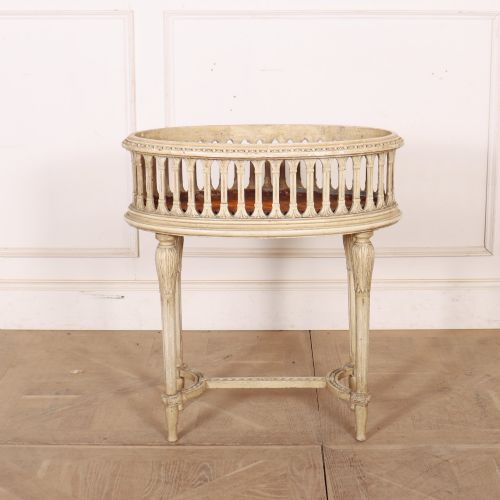
An antique indoor planter table combines domestic furniture with plant housing, appearing frequently as burr walnut, kingwood, and mahogany stands across this selection. These pieces date primarily from the nineteenth century, including Victorian, Edwardian, and Regency periods, alongside French Napoleon III and Louis XV style iterations.
The primary forms include standalone jardinieres, lift-off lid planters, and table formats with integrated reservoirs. Many incorporate marquetry, ebonised wood, or satinwood, reflecting the decorative interior tastes of French and English reception rooms.
Materials and construction
Cabinet makers utilised decorative veneers such as burr walnut, kingwood, and satinwood over secondary timbers, often embellishing surfaces with intricate marquetry and floral inlay. Ormolu mounts and gilt metal fittings provide structural framing and decorative contrast to the timber bodies.
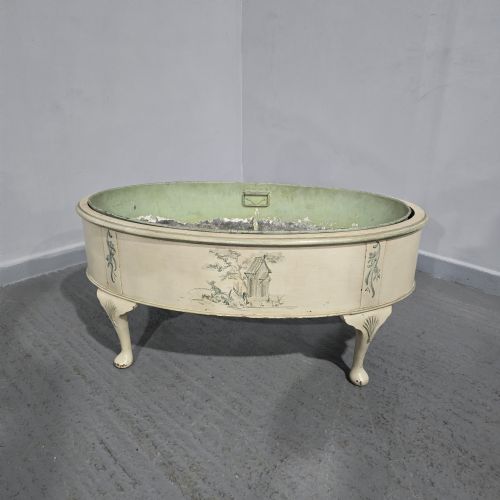
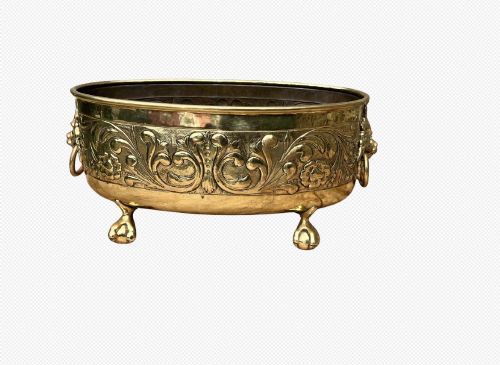
Metal liners in zinc, brass, and silver plating protect the surrounding woodwork from moisture, whilst porcelain plaques occasionally inset into the frieze add colourful detail to the French and English designs.
Antique Indoor Planter Table Retail Price Guide 2026
Typical asking prices for indoor planter table among the pieces listed under this phrase on Sellingantiques today, from the lower quarter to the upper quarter. They describe what is for sale here now, not the wider market.
The listings span the eighteenth through to the early twentieth century, with the nineteenth century and the Victorian period providing the majority of surviving examples.
Distinguishing quality across examples
Quality rests in the precision of the marquetry, the richness of the timber grain, and the crispness of the cast ormolu mounts. Finer examples display harmonious proportion between the planter box and the support stand, integrating original metal liners that fit the internal cavity precisely.
The choice of cabinet woods dictates the hierarchy of pieces, with burr walnut and kingwood veneers commanding greater decorative ambition than plain mahogany. Structural integrity in the joints and the retention of original lift-off lids separate standard production from superior craftsmanship.
The Antique Indoor Planter Table Glossary
- Jardiniere
- A decorative receptacle or stand designed to hold plants and flowers indoors. These vessels form the central function of the antique indoor planter table.
- Ormolu
- Gilded bronze or brass applied as decorative mounts onto furniture frames. This technique became prominent in French Napoleon III and revival pieces.
- Marquetry
- Inlaid patterns formed from different coloured wood veneers applied to a furniture surface. Cabinet makers used this technique to create floral and geometric motifs.
- Kingwood
- A dense, richly figured timber featuring dark violet-brown markings utilised in high-end nineteenth-century cabinet making. This material appears on several notable planter stands.
- Boulle
- A style of marquetry using brass and tortoiseshell inlaid into ebonised wood. This decorative method defines specific French Napoleon III pieces.
Antique Indoor Planter Table: Frequently Asked Questions
What is an antique indoor planter table?
An antique indoor planter table is a dedicated piece of furniture designed to display living plants inside nineteenth-century reception rooms and salons.
These pieces combine decorative stands with waterproof metal liners to protect domestic surfaces from water damage.
How were these tables used?
Victorian and Edwardian households utilised these stands to bring potted ferns, palms, and cut flowers directly into parlour and drawing room spaces.
The inclusion of lift-off lids and decanter caddies in certain designs allowed the furniture to function as a serving surface when not holding plants.
How do I care for the timber?
Protect the polished burr walnut and kingwood surfaces by avoiding direct contact with moisture and placing protective saucers beneath potted plants inside the liner.
Maintain the timber with traditional wax polish to preserve the grain and prevent the veneer from drying out.
How do I identify French and English styles?
French pieces frequently display ormolu mounts, ebonised wood, and Louis XV Revival curves, alongside Boulle marquetry and porcelain plaques.
English variants from the Victorian and Edwardian periods lean towards burr walnut and satinwood with rectilinear or inlaid aesthetic movement influences.