




Antique Indian Textile
An antique indian textile brings centuries of intricate handwork, rich colour and storytelling into a room.
Antique Indian Textile
When you search for an antique indian textile, you encounter a varied assortment of historic items ranging from embroidered garments to temple paintings and wall panels. The pieces span several centuries, with items originating from the eighteenth, nineteenth and early twentieth centuries.
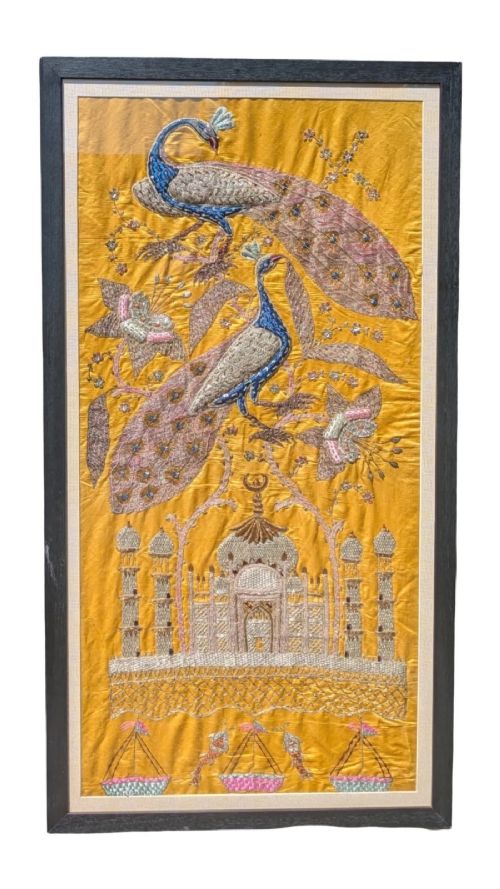
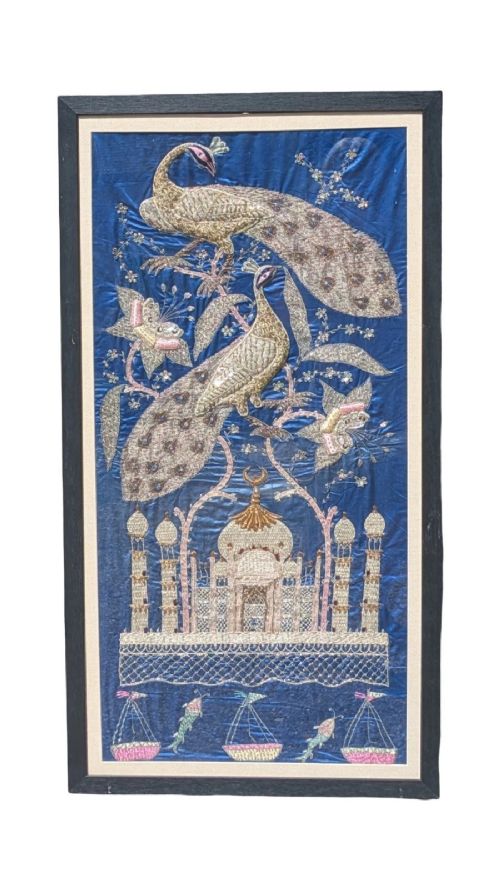
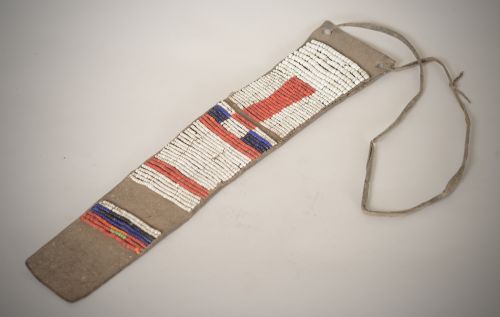
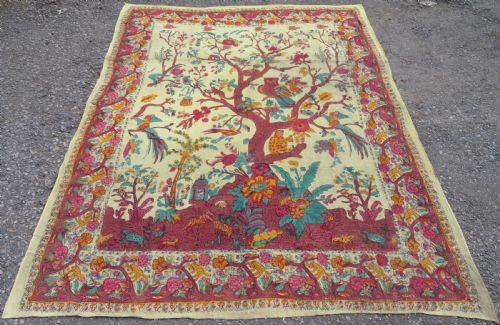
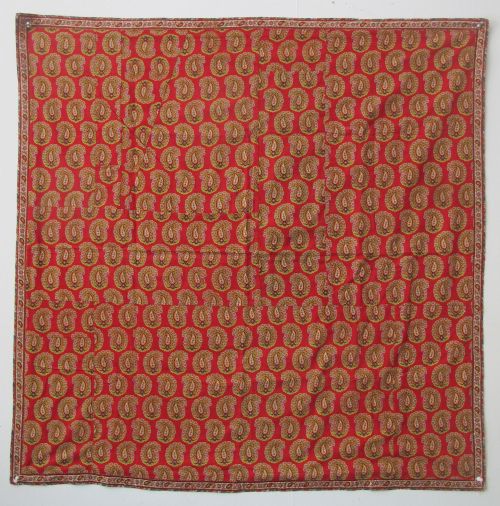
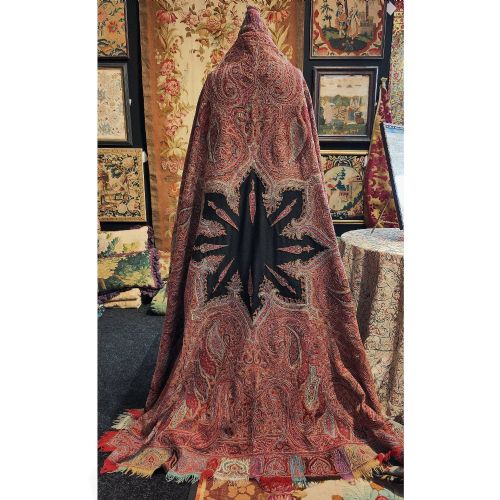
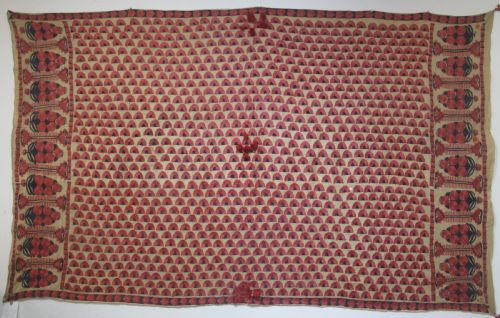
The selection on this page includes traditional shawls, kalamkari temple hangings, blockprint panels and embroidered silk screens depicting motifs such as the Taj Mahal, peacocks and Hindu stories. Buyers often find framed wall art, textile fragments and larger floor coverings alongside tribal beadwork and painted wall cloths.
Regional diversity shapes these objects, with styles stretching from Anglo-Indian and Kashmiri to traditional Kalamkari and Indian folk art. Collectors frequently encounter cotton, silk and wool grounds embellished with metallic thread, natural dyes and glass elements.
Materials and construction
Artisans built these pieces using natural fibres such as cotton, silk and wool, frequently enhancing the textiles with metallic thread, glass and natural dyes. Wooden and iron components appear in related spinning wheels and sculptural objects.
Techniques relied heavily on meticulous hand embroidery, block printing and painting on cloth as seen in traditional Kalamkari works and embroidered wedding shawls. Artisans also employed intricate weaving methods to produce patterned carpets and shawls.
Several listings include painted wall cloths depicting Krishna with his wives alongside carved wooden processional horses.
What separates the fine examples
Quality rests upon the density and precision of the handwork, particularly in embroidered shawls and detailed silk panels where needlework defines the design. Finer pieces display exceptional command of colour through natural dyes and complex pictorial narratives.
Condition and preservation dictate the upper tier of these textiles, as fragile silks and metallic threads are susceptible to age. Intact pigments on painted temple cloths and complete borders on shawls elevate certain examples above fragmentary pieces.
The Antique Indian Textile Glossary
- Kalamkari
- A traditional method of hand painting or block printing on textile, often depicting Hindu stories and temple scenes. These works utilise natural dyes on cotton cloths.
- Palampore
- A large hand-painted or printed bed cover or hanging, traditionally produced in India for export. They frequently display elaborate tree of life or floral motifs.
- Amli rumal
- An embroidered Kashmiri square shawl worked with fine needle stitches rather than traditional loom weaving. These pieces often feature intricate boteh patterns.
- Boteh
- An almond-shaped or pine-cone motif with a curved upper end, widely seen in traditional shawls and textile runners. The design originates from Persian and Indian decorative arts.
- Dochala
- A double shawl format from Kashmir, typically created by joining two finely embroidered shawls together symmetrically. These garments represent high levels of nineteenth-century needlework.
Antique Indian Textile: Frequently Asked Questions
How should I hang a textile?
Mounting requires careful support to distribute weight evenly across the fabric without causing tension. Specialists often use a padded wooden baton or conservation-grade stitching onto a backing cloth.
Keep framed or hung pieces away from direct sunlight to protect natural dyes and silk threads from fading over time.
Are these pieces cleaned easily?
Cleaning historic textiles demands professional textile conservation rather than standard washing. Water and chemical detergents can damage natural dyes, metallic threads and fragile historic silk or cotton grounds.
Dusting gently with a soft brush or vacuuming through a protective mesh screen helps maintain surface cleanliness between expert interventions.
What periods do these pieces span?
The available selection reaches from the eighteenth century through the nineteenth century and into the early twentieth century, including Edwardian examples. Nineteenth-century works form the largest group in the current evidence.
Stylistic shifts reflect traditional regional practices alongside later colonial influences in Anglo-Indian and Indo-Persian productions.
How do I identify a Kashmiri shawl?
Kashmiri shawls often feature dense needlework known as amli or traditional woven twill tapestry work. They frequently utilise wool or pashmina grounds decorated with elaborate boteh and floral motifs.
Look for fine hand-twisted fringes and exceptional detail in the wool and silk embroidery work characteristic of nineteenth-century production.