


Antique Indian Lacquer
These antique Indian lacquer pieces bring hand-painted pattern and rich colour into a room.
Antique Indian Lacquer
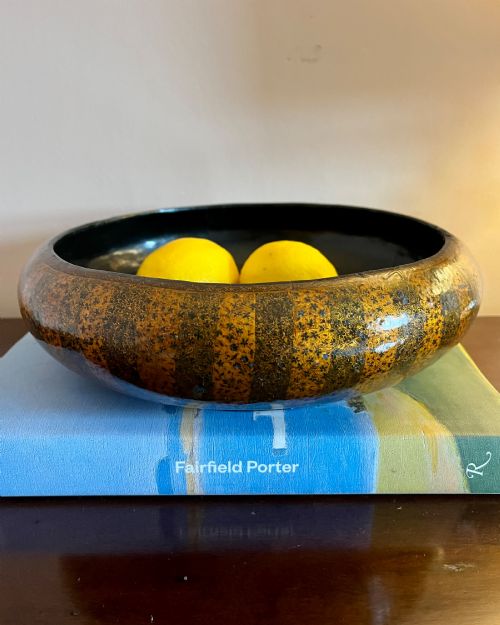
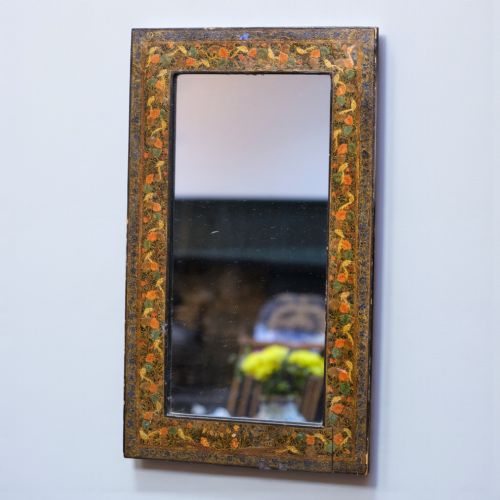
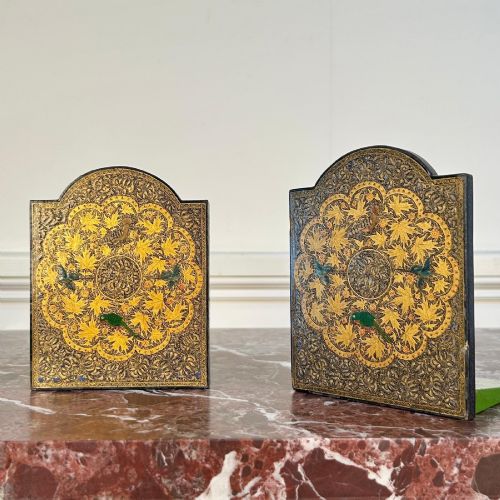
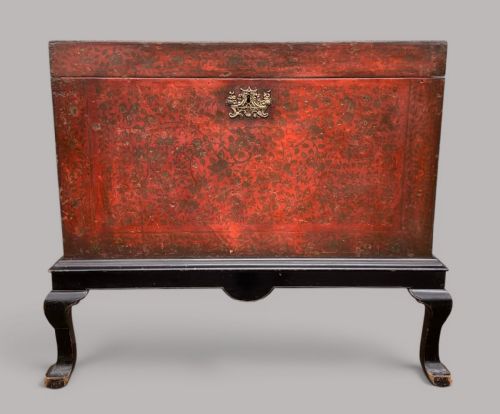
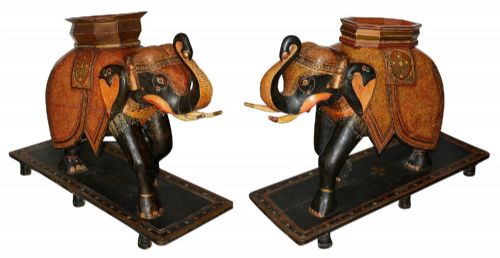
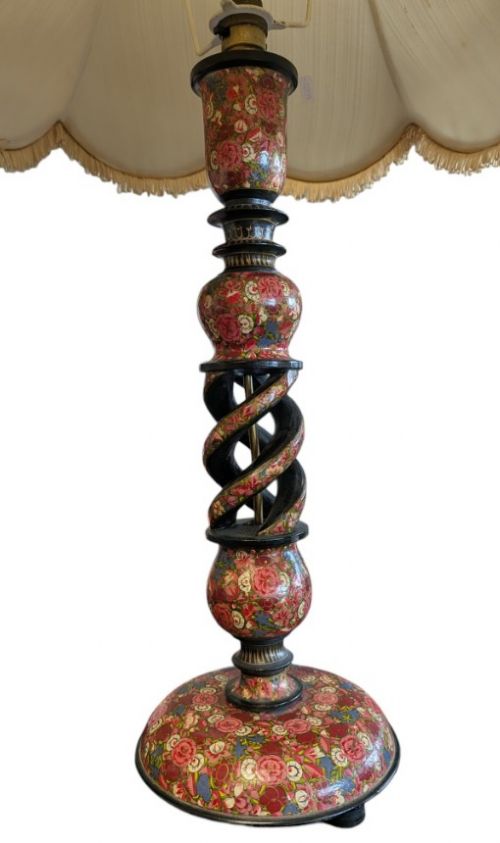
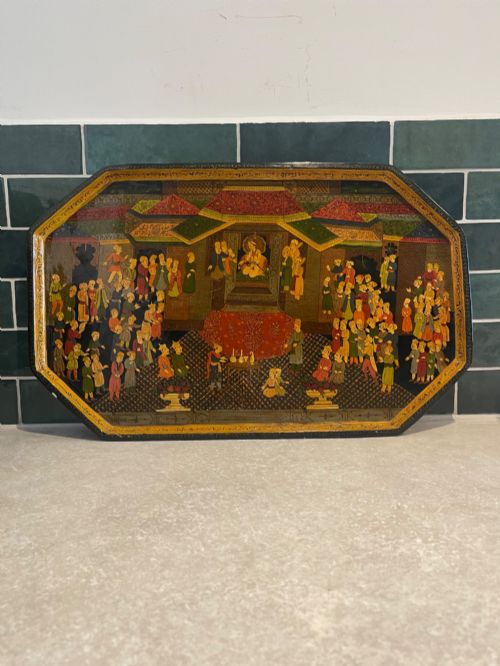
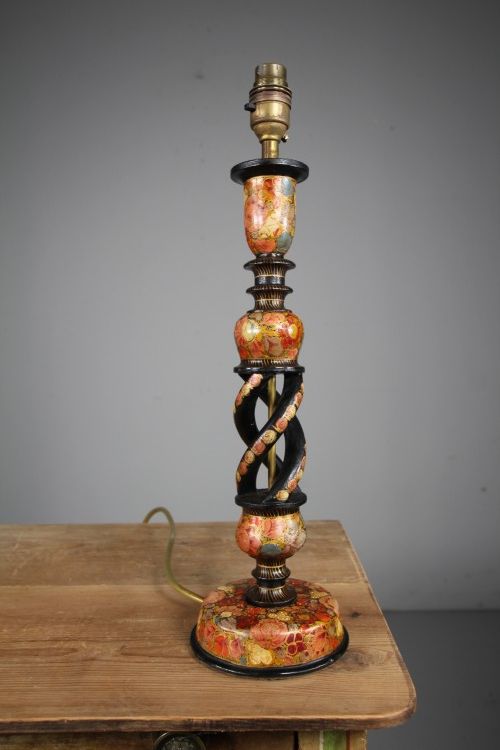
When you search for antique Indian lacquer, you encounter items predominantly originating from Kashmir, alongside Anglo-Indian and Indo-Persian examples spanning the nineteenth and early twentieth centuries. The selection ranges from practical domestic items such as trunks, tables, and desk tidies to decorative pieces including vases, lidded pots, and carved wooden elephants.
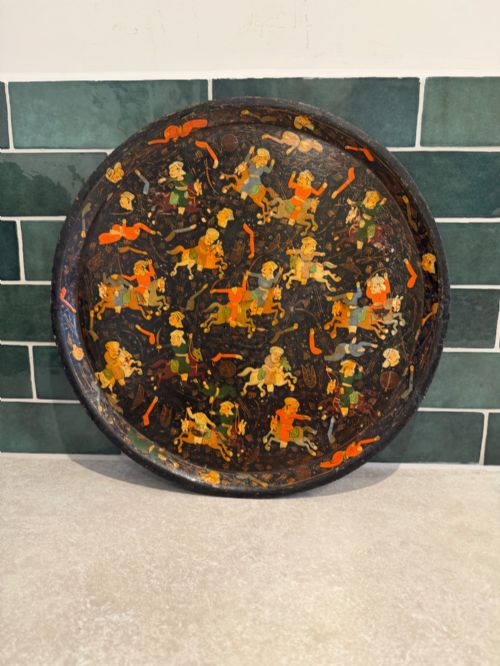
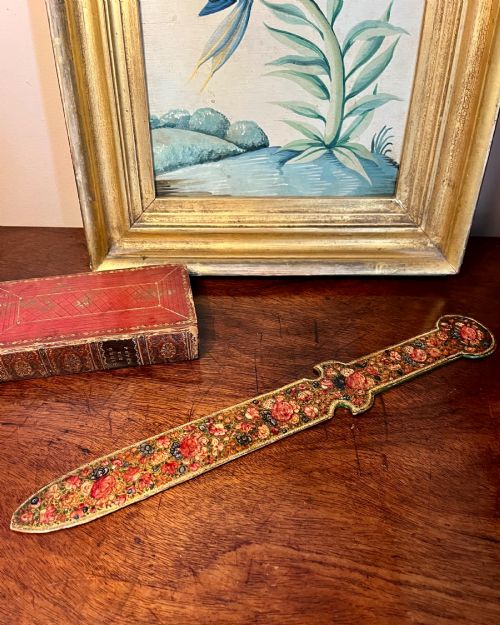
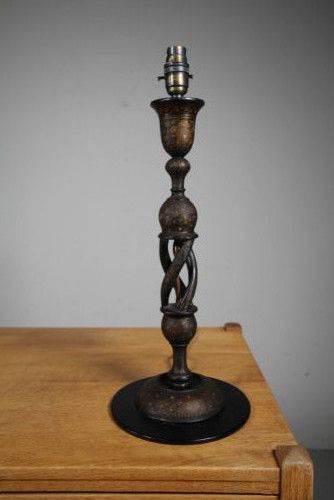
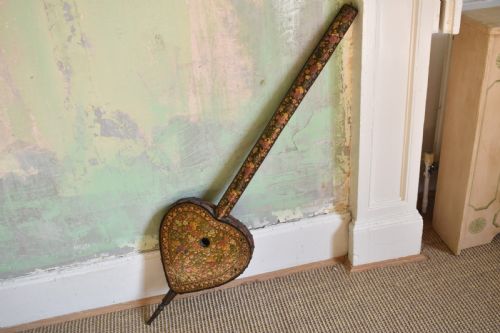
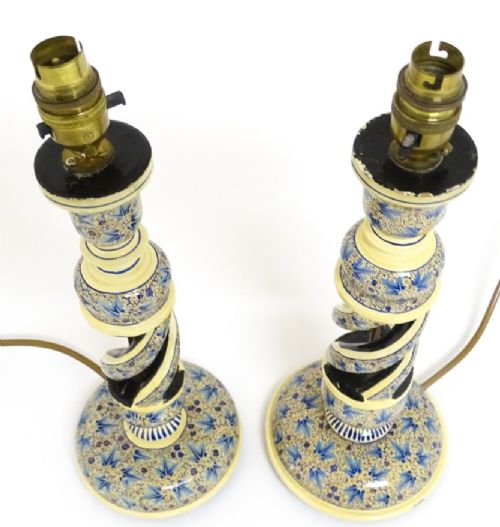
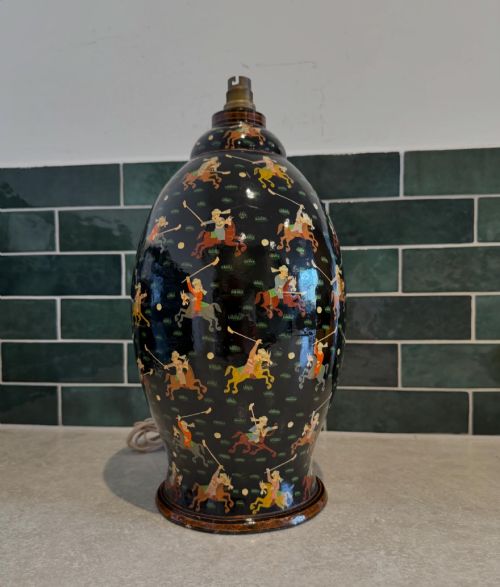
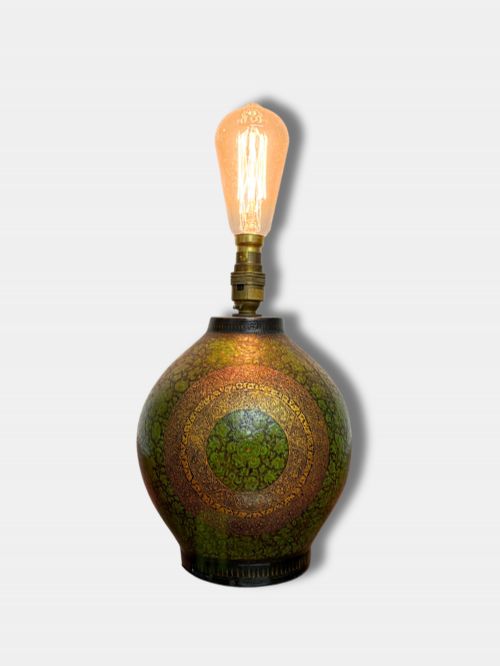
The most common forms on this page are table lamps and storage trunks or chests on stands, often dated to the Victorian and Edwardian eras. Smaller decorative objects like letter openers, pen cases, trays, and graduated boxes also frequently appear, demonstrating traditional regional craftsmanship.
Objects reflect diverse stylistic influences, grouped under labels such as Kashmiri, Anglo-Indian, and Indo-Persian. These pieces showcase a distinct history of hand-painted artistry applied to everyday and decorative furniture alike.
Materials and construction
Articles are constructed primarily from wood, carved wood, or papier-mâché, providing a stable foundation for the decorative surface. Artisans then apply lacquer, paint, and pigment, frequently incorporating gold leaf to achieve intricate detailing.
Surface ornamentation relies on meticulous hand-painted motifs executed directly onto the prepared lacquer or papier-mâché ground. Selected items incorporate secondary elements of brass or are paired with carved wooden figures.
Antique Indian Lacquer Retail Price Guide 2026
Typical asking prices for indian lacquer among the pieces listed under this phrase on Sellingantiques today, from the lower quarter to the upper quarter. They describe what is for sale here now, not the wider market.
Table lamps and storage trunks represent the most frequent object types across the current selection.
Assessing quality and craftsmanship
Quality rests upon the precision of the hand-painted detail and the preservation of the original lacquer surface. Pieces featuring fine, detailed brushwork and intact pigment or gold leaf sit at the higher end of the range.
The structural integrity of the underlying papier-mâché or wood base also dictates value. Items retaining their original stands, handles, or fitted components display superior completeness.
The Antique Indian Lacquer Glossary
- Papier-mâché
- A composite material consisting of paper pieces or pulp, sometimes reinforced with textile, bound with glue, and painted once dry. It forms the lightweight core for many traditional Kashmiri vessels and desk accessories.
- Lacquer
- A clear or coloured varnish applied in multiple coats to wood or papier-mâché to produce a hard, durable, and glossy finish. It protects the delicate pigments underneath.
- Anglo-Indian
- A term describing furniture and decorative objects made in India during the British period, combining British forms with traditional Indian craftsmanship and ornamentation.
- Indo-Persian
- A cultural and artistic synthesis visible in decorative arts, blending Indian craftsmanship with Persian miniature painting styles and motifs.
- Gilt gold
- The application of thin gold leaf or powder to highlight specific decorative elements on painted surfaces.
Antique Indian Lacquer: Frequently Asked Questions
What are these lacquer objects made from?
These pieces are constructed primarily from wood, papier-mâché, and carved timber. Artisans apply layers of lacquer, paint, and pigment over these bases, often finishing the surface with fine gold leaf details.
Secondary materials such as brass also appear on specific items like lamp holders and table lamps, combining utility with traditional decorative techniques.
How do I date an antique Indian lacquer piece?
Dating relies on stylistic clues, construction methods, and materials recorded across nineteenth and early twentieth-century examples. Victorian and Edwardian pieces often exhibit specific paint palettes and regional Kashmiri motifs.
Documentation and physical examination of the lacquer, wood, or papier-mâché core help narrow the period of manufacture between the mid-nineteenth century and the 1930s.
Where were these items originally made?
The majority of the pieces originate from Kashmir, renowned for its papier-mâché and hand-painted wooden craft traditions. Other items reflect Anglo-Indian and Indo-Persian stylistic influences.
Production spans regional workshops creating domestic furnishings, lighting, and small decorative accessories for both local use and export during the British colonial era.
How should I care for antique lacquer furniture?
Keep pieces out of direct sunlight to prevent the pigments, paint, and gold leaf from fading. Dust gently with a dry, soft cloth and avoid chemical cleaning products that could damage the lacquer surface.
Maintain stable humidity levels in the room to protect the underlying wood and papier-mâché from expanding, contracting, or cracking over time.