

Antique Indian Brass
Antique Indian brass brings heavy engraved trays, inlaid tables, and ritual vessels from the nineteenth and early twentieth centuries into modern rooms.
Antique Indian Brass
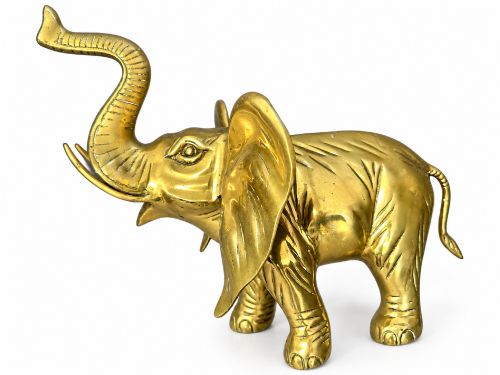
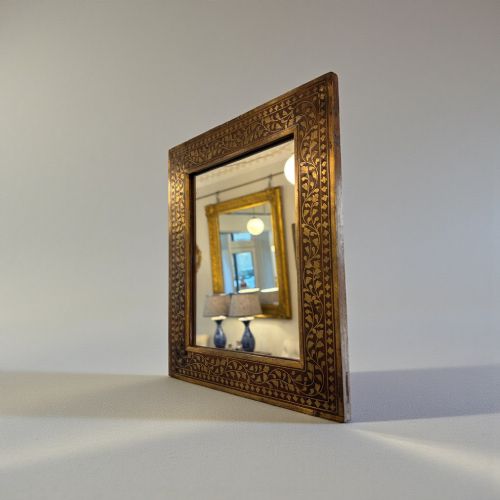
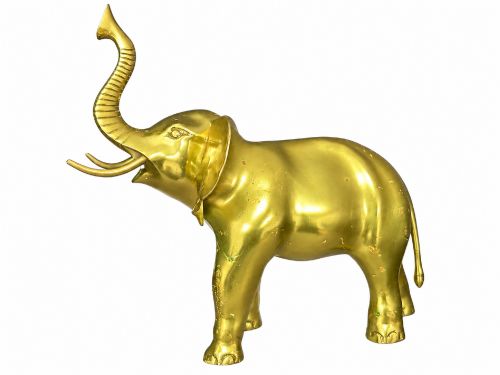
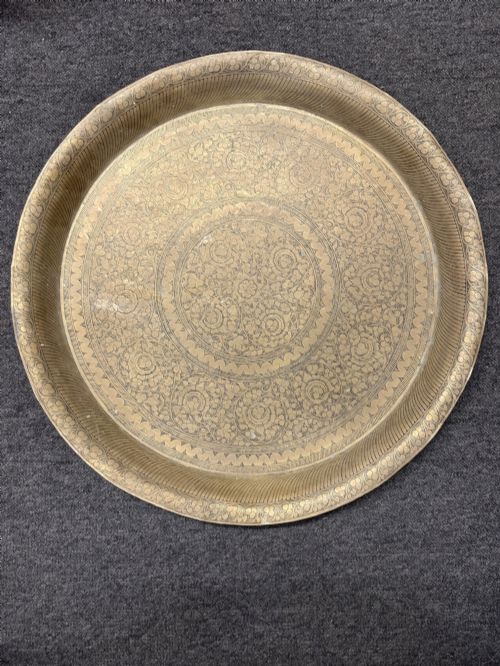
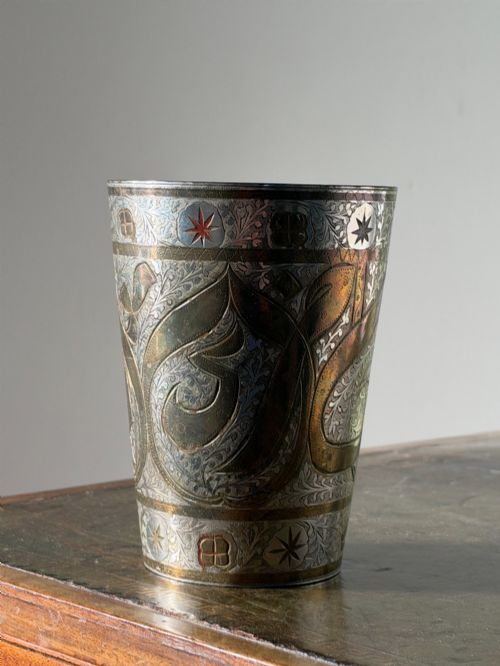
When you search for antique indian brass, you encounter items ranging from engraved cachepots and large circular trays to tall lamps and side tables. These objects originate from regional centres such as Benares and Hoshiarpur, often reflecting Victorian or Anglo-Indian tastes.
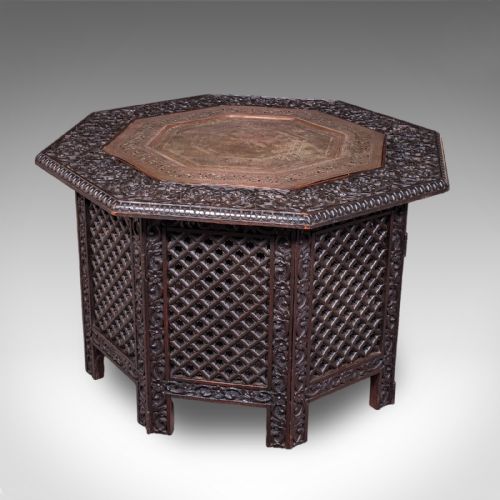
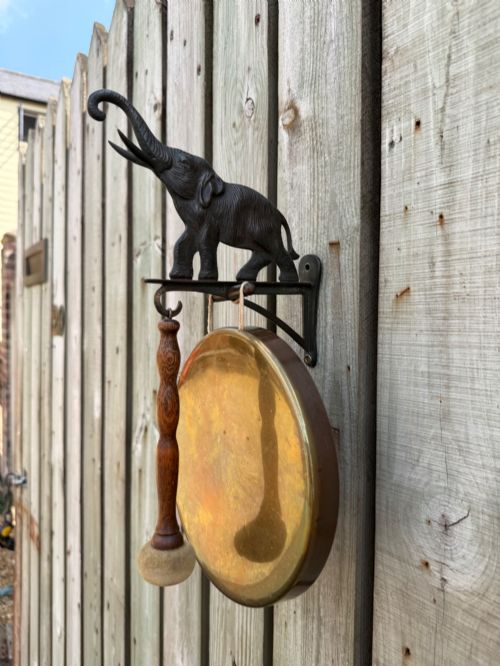
The domestic forms include brass-inlaid occasional tables and tray top tables alongside ritual objects like water carriers and gongs. You also find larger mixed-metal pieces and smaller decorative items that combine brass with native hardwoods.
Materials and Techniques
Makers shaped sheet and cast brass through hammering, engraving, and intricate piercing, frequently laying metal over timber structures. Trays and tables often combine brass with dense regional woods such as teak, padouk, and camphor wood.
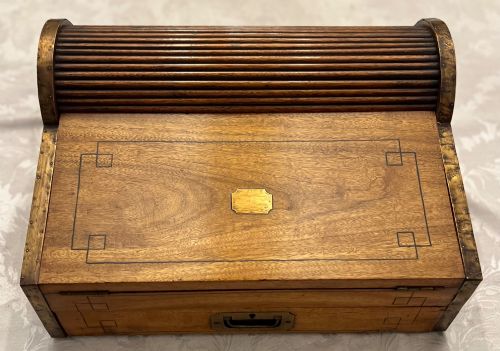
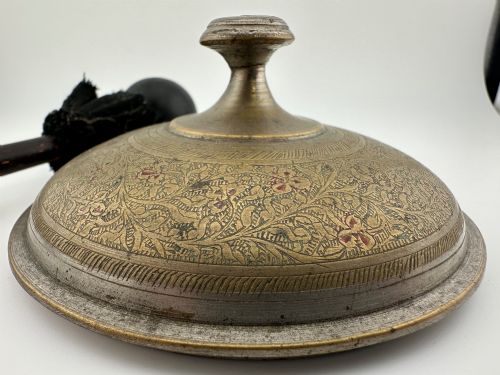
Inlaid pieces rely on precise wood-cutting to seat brass wire and sheet into the surface, creating dense foliate and geometric patterns. Hand-engraved motifs utilise simple punches and chisels to build up textured backgrounds and crisp foreground lines.
Antique Indian Brass Retail Price Guide 2026
Typical asking prices for indian brass among the pieces listed under this phrase on Sellingantiques today, from the lower quarter to the upper quarter. They describe what is for sale here now, not the wider market.
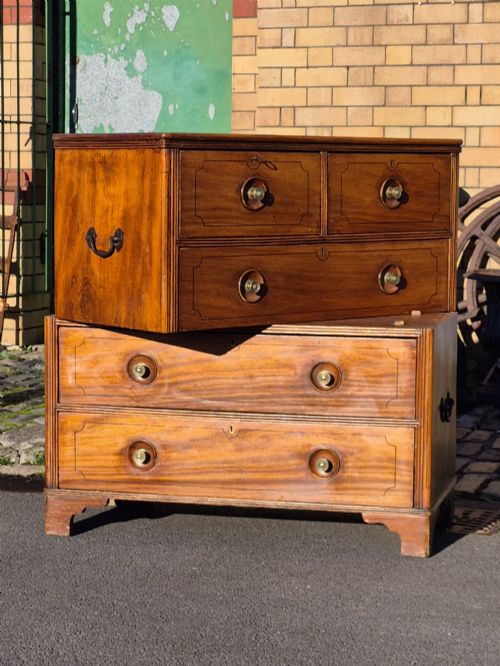
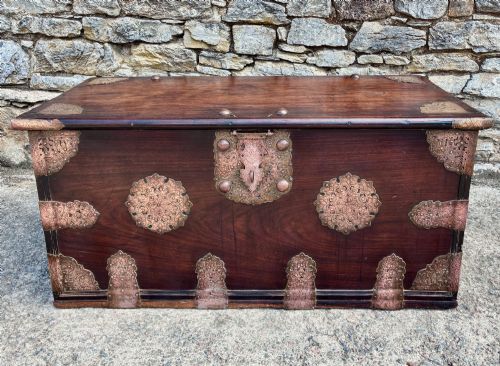
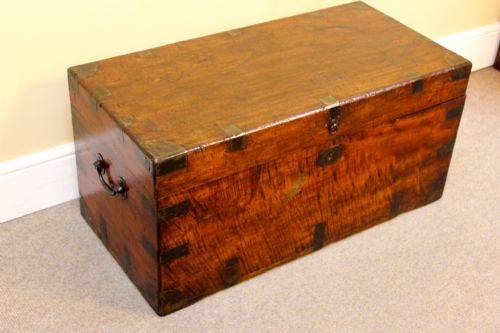
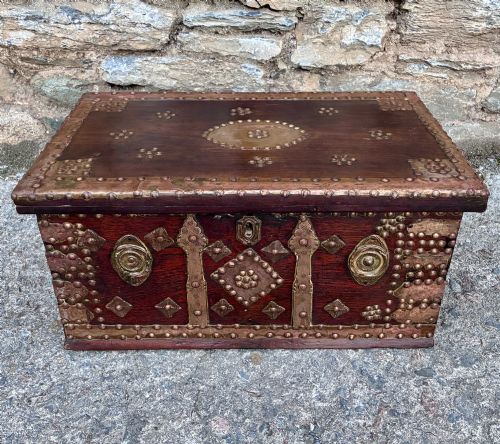
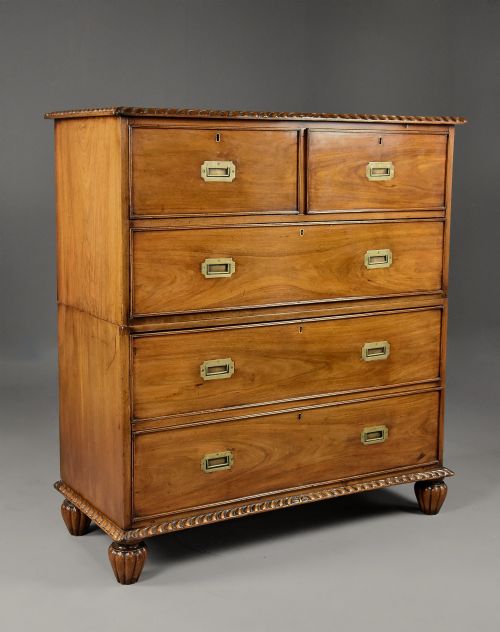
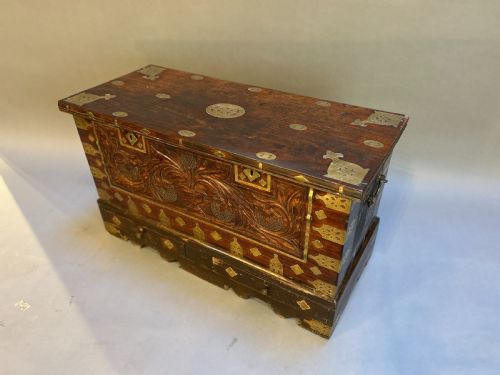
Listings feature nineteen-century camphor wood chests, teak furniture, and brass-inlaid tables from Anglo-Indian and Victorian periods.
Craft and Detail
The distinction between ordinary and exceptional pieces lies in the crispness of the hand-engraving and the density of the metalwork. Superior examples display deeply chased details that remain sharp across the entire surface without blurred lines or hasty finishing.
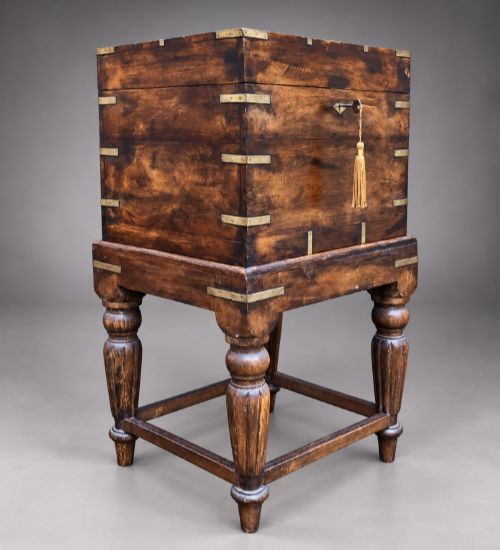
Construction methods also set standards, particularly in how brass inlays sit flush with the surrounding hardwood or how structural joints are pegged and fitted. Tables and boxes with robust timber frames and intact metal bindings represent the higher tier of production.
P. Orr, Madras
The Antique Indian Brass Glossary
- Anglo-Indian
- A style of furniture and decorative art made in India during the British colonial period, often combining European forms with local materials and ornamentation.
- Cachepot
- An ornamental container designed to hold a flower pot, frequently rendered in heavy engraved brass during the nineteenth century.
- Hoshiarpur
- A region in Punjab known for intricate woodwork featuring inlaid brass, bone, or shisham wire in dense geometric and floral patterns.
- Kamandal
- A traditional spherical water vessel used by ascetics or in Hindu rituals, sometimes produced in brass or mixed metals.
- Repoussé
- A metalworking technique where the design is hammered into relief from the reverse side, frequently seen on trays and shields.
Antique Indian Brass: Frequently Asked Questions
Where were these brass items made?
Production centres varied across the subcontinent, with cities like Benares specialising in cast and engraved vessels while northern towns like Hoshiarpur focused on inlaid woodwork. Workshops also operated within institutional settings such as regional art schools.
Traders exported these domestic and ceremonial goods to Britain to satisfy the Victorian appetite for colonial craftsmanship. Each region utilised distinct techniques that identify the origin of the piece.
Are these pieces purely decorative?
While many items served ceremonial or decorative functions, domestic pieces fulfilled practical roles in colonial households. Trays, tables, and boxes were built for daily use in campaign settings or colonial homes.
Today, side tables, cachepots, and small chests adapt easily to contemporary interiors as functional surfaces and storage. Their sturdy timber construction and durable metal elements suit modern living spaces.
How do I date nineteenth-century brass?
Dating relies on stylistic markers, construction methods, and material combinations typical of the Victorian and Edwardian eras. Hand-forged joins and older tool marks indicate earlier nineteenth-century production.
Makers often marked pieces with regional workshop names or specific retailer details by the late nineteenth century. Comparing the density of the engraving and the framing timbers helps narrow down the period.