

Antique Indian Art
These diverse pieces of antique indian art bring historic textile works, carved figures, and traditional paintings into contemporary interiors.
Antique Indian Art
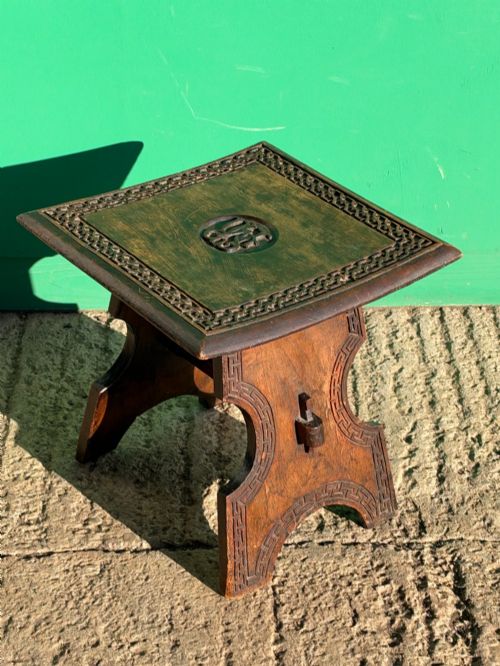
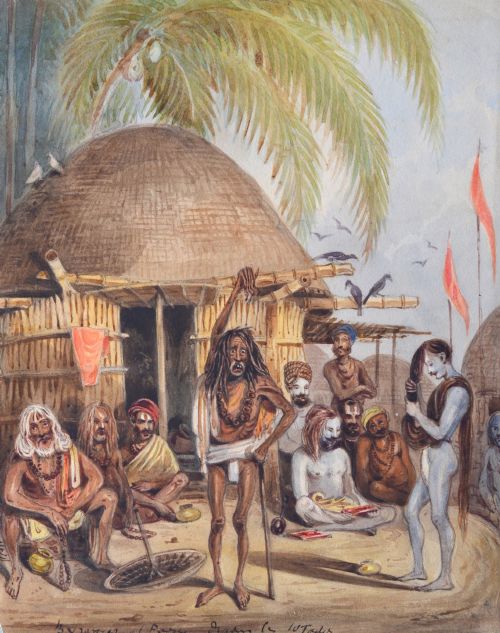
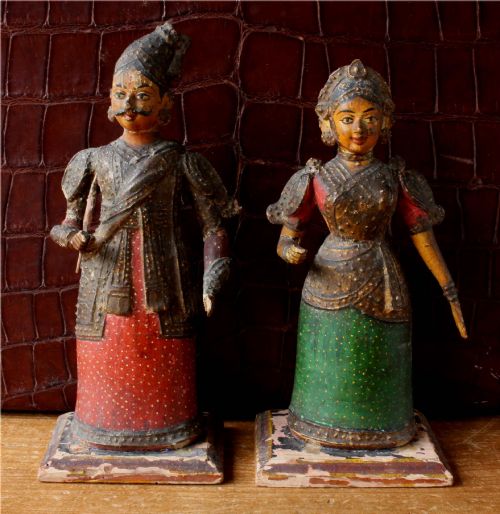
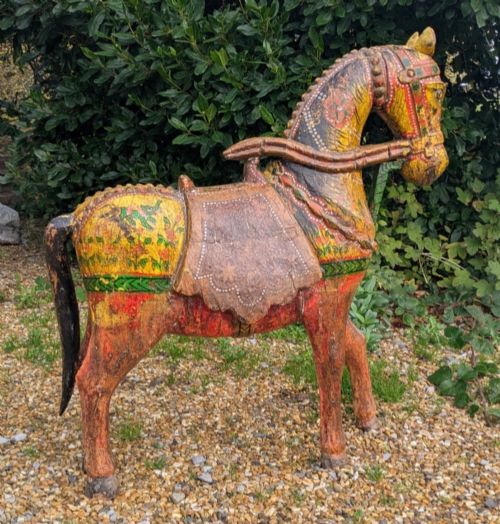
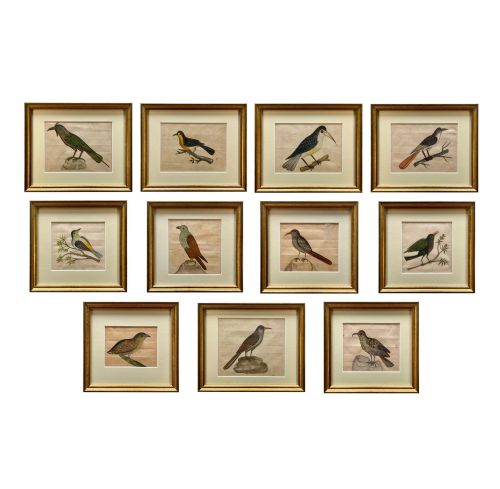
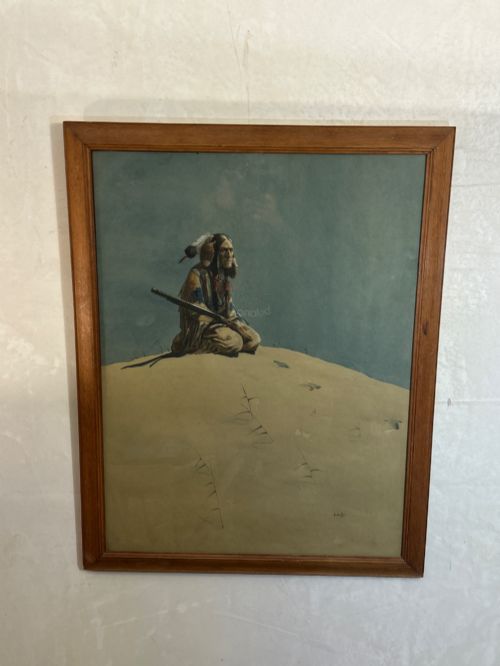
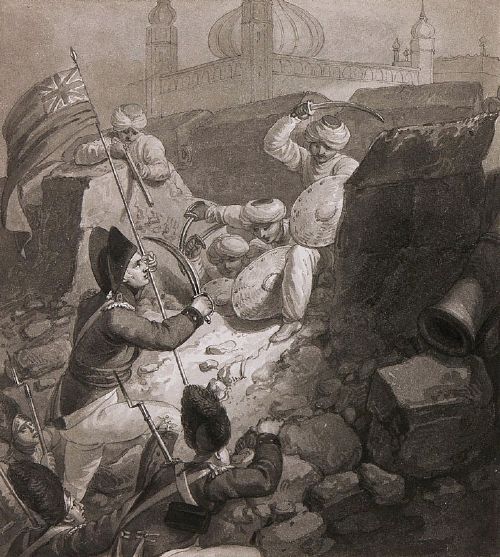
When you search for antique indian art, you encounter a varied selection of objects spanning traditional paintings, textiles, architectural elements, and carved wooden figures. The inventory on this page ranges from framed watercolours and gouache miniatures to dowry chests and temple wall art.
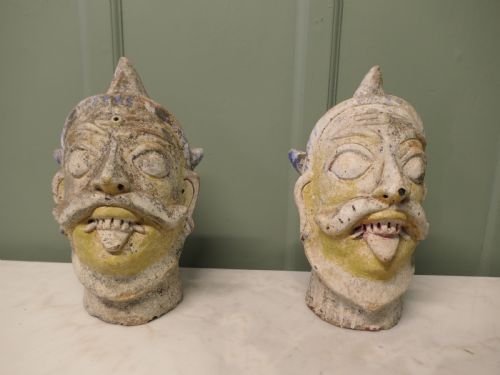
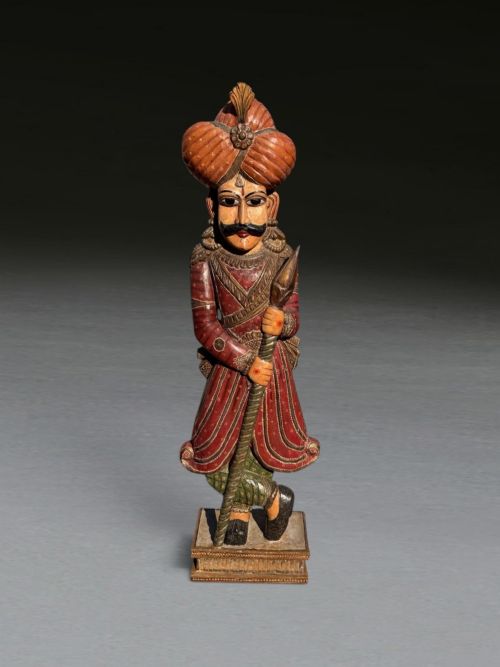
The objects originate primarily from nineteenth and early twentieth century workshops, reflecting diverse regional aesthetics such as Mughal, Kashmiri, and Bengali schools. Buyers frequently discover utilitarian items transformed into decorative pieces, including spice powder boxes, brass chargers, and carved wooden tent pole tops.
Materials and construction methods
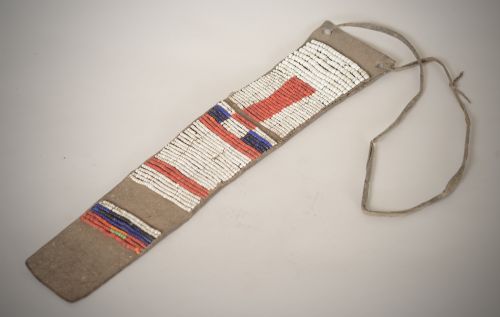
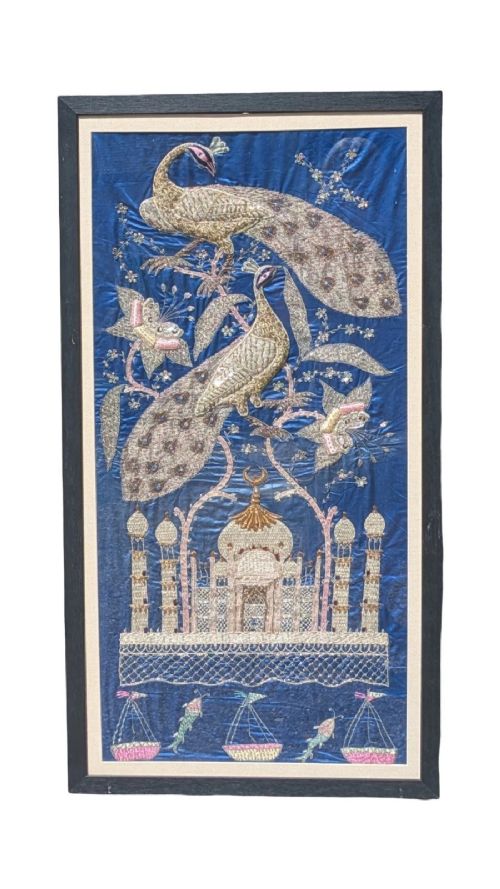
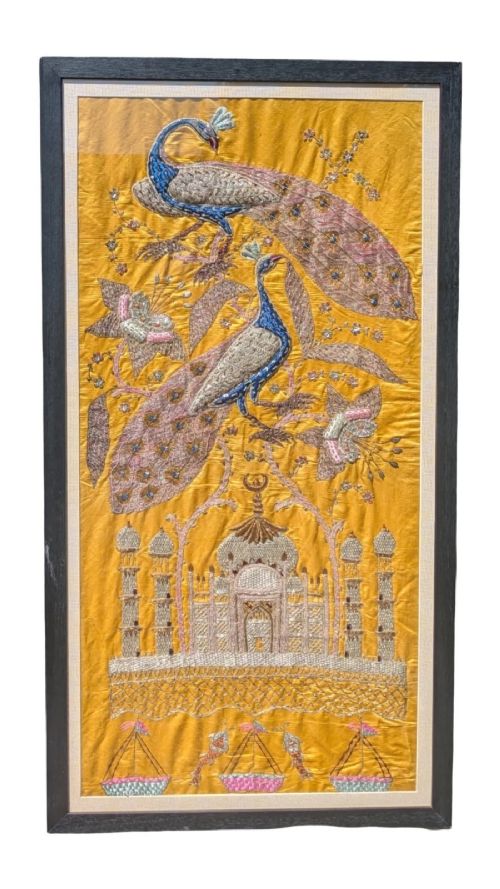
Maker materials rely heavily on native hardwoods such as teak, shisham, and hardwood, often shaped through intricate hand carving, deep relief work, and marquetry inlay. Metalwork utilises brass for vessels and chargers, whilst textiles combine silk embroidery, Kalamkari painting, and detailed beadwork.
Pigments, watercolours, and gouache appear across paper and fabric supports, frequently accompanied by traditional lacquer finishes on wood. Structural integrity depends on regional joinery techniques suited to dowry chests, architectural finials, and spinning wheels.
Antique Indian Art Retail Price Guide 2026
Typical asking prices for indian art among the pieces listed under this phrase on Sellingantiques today, from the lower quarter to the upper quarter. They describe what is for sale here now, not the wider market.
Among the historical items sits a mounted Indian silk spinning wheel ready for domestic textile production.
Factors influencing quality
Quality rests upon the precision of the hand carving, the preservation of original pigments and surface patination, and the complexity of the design composition. Pieces retaining their original frames, pigments, or structural fittings command greater appreciation from collectors.
Fine miniatures and textiles demonstrate superior brushwork control and intricate needlework density, distinguishing master workshop output from simpler vernacular productions.
The Antique Indian Art Glossary
- Gouache
- An opaque watercolour medium used extensively in traditional miniature paintings. It creates rich, flat areas of colour with matte finishes.
- Kalamkari
- A traditional type of hand-painted or block-printed cotton textile produced in India. These works often depict narrative scenes from Hindu epics.
- Marquetry
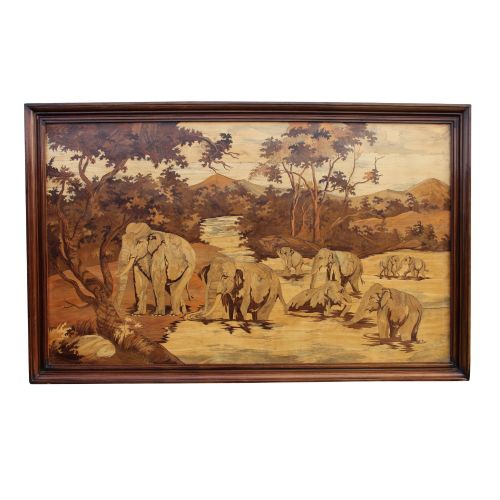
- The art of applying pieces of veneer to a structure to form decorative patterns. Elephant and figural motifs frequently employ this technique on panels.
- Shisham
- A durable Indian rosewood utilised in traditional furniture and household objects. It accepts detailed hand carving and develops a deep natural sheen.
- Dowry chest
- A traditional storage container created for a bride's household goods and textiles. These boxes typically feature robust wooden construction and regional decorative ironwork.
Antique Indian Art: Frequently Asked Questions
How do I date antique Indian paintings?
Dating relies on examining the paper stock, pigment types, and stylistic conventions associated with specific periods like the Mughal or British Raj eras.
Frame construction and signature analysis also assist in establishing the approximate decade of creation.
What is a Kalamkari textile?
Kalamkari refers to traditional hand-drawn or block-printed cotton fabrics created using natural dyes. These textiles frequently illustrate intricate narrative scenes and botanical motifs.
Collectors prize them for their elaborate storytelling compositions and natural pigment usage.
How were dowry chests used?
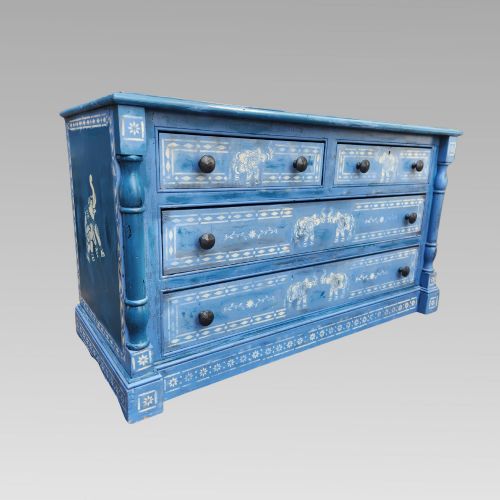
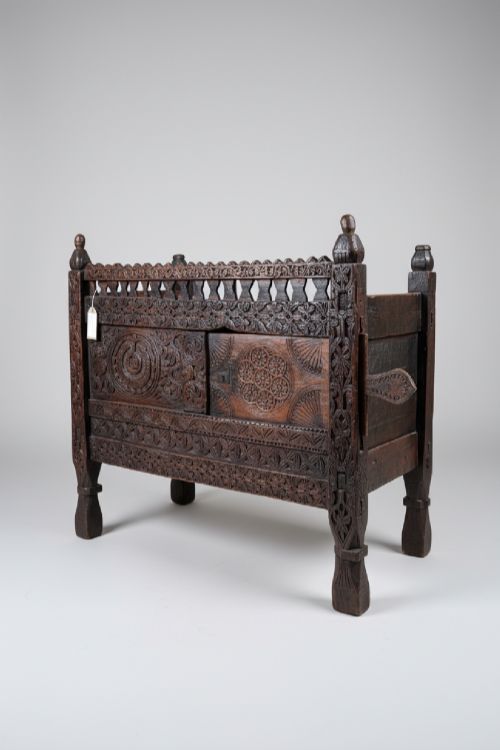
Dowry chests served as functional storage units for household linens, garments, and valuables given upon a marriage. Families placed them centrally within the home as practical furniture.
Over time, these robust wooden trunks transitioned into decorative statement pieces.
Are carved wooden panels structural?
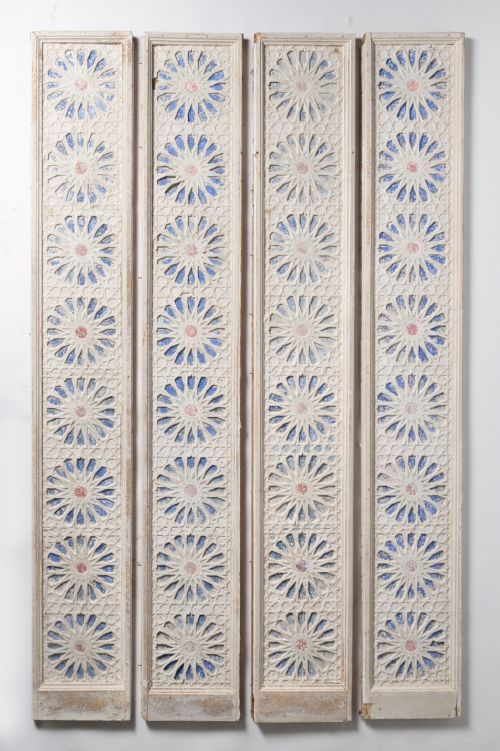
Many carved panels originated as architectural elements from buildings, doorways, or temples before becoming wall art. They demonstrate regional carpentry skills and deep relief carving.
Displaying them today preserves historical craftsmanship within modern living spaces.