


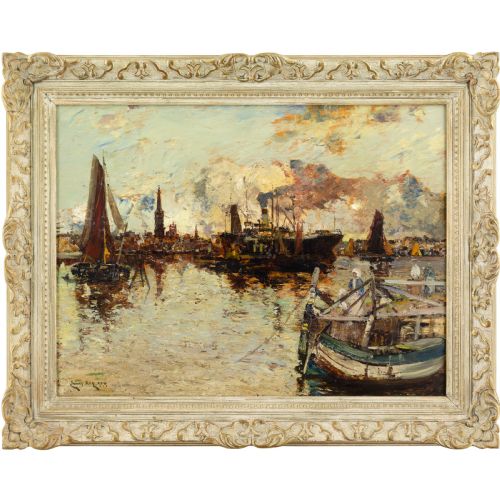
Antique Impressionist Canvas
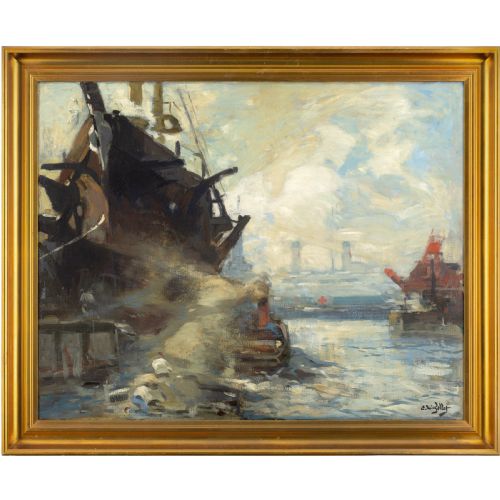
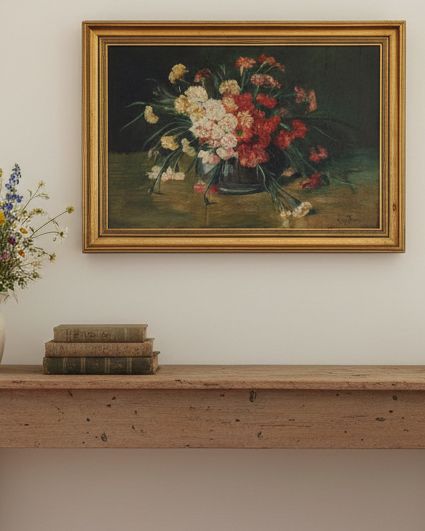
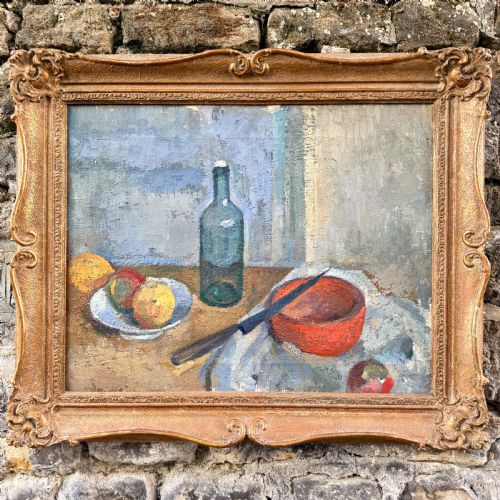
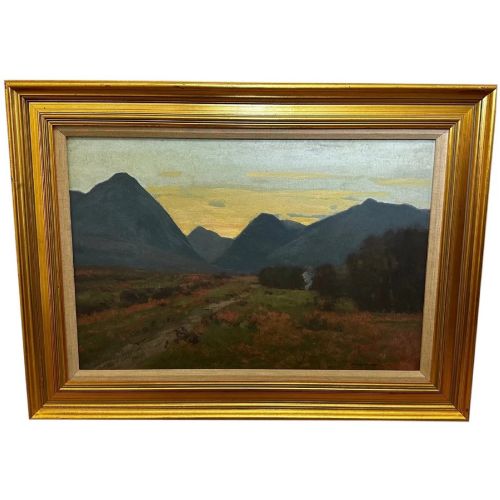
An antique impressionist canvas captures fleeting light and atmosphere through textured oil paint on stretched fabric.
Antique Impressionist Canvas
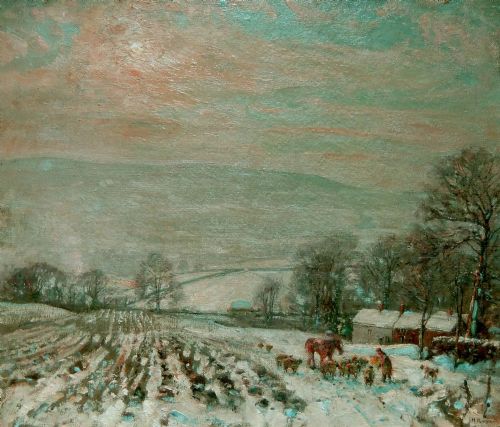
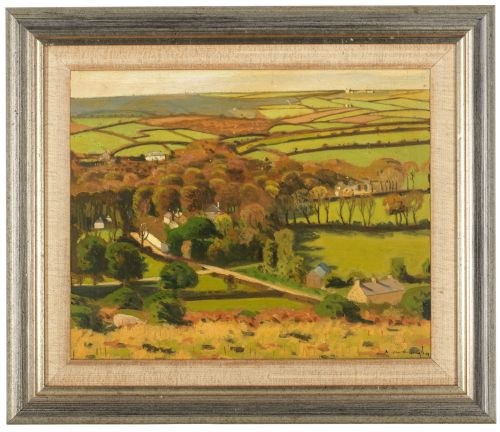
When you search for an antique impressionist canvas, you encounter oil paintings on canvas created from the nineteenth century through the mid-twentieth century.
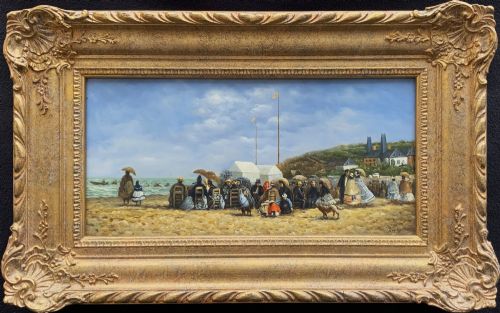
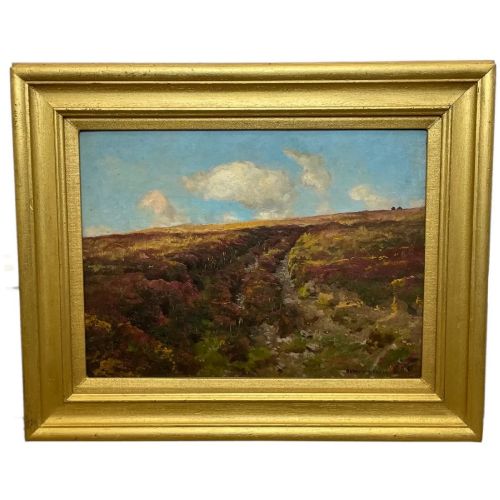
The selections span British Impressionism, Post-Impressionism, and continental European works featuring coastal landscapes, urban scenes, and quiet domestic interiors.
Most pieces date from the Victorian era up to the nineteen-thirties, reflecting plein air observation and expressive brushwork.
How They Were Made
Artists applied oil paint directly onto stretched canvas, frequently mounted within original wood or gilt wood picture frames.
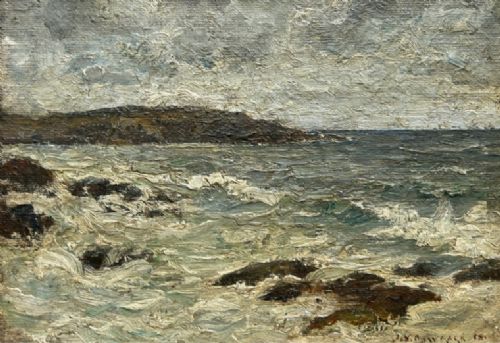
Makers utilised impasto techniques to build thick surface textures that catch light and emphasise individual brushstrokes.
Several canvases preserve the actual coastal winds and orchard dust of European landscapes painted outdoors over a century ago.
What Varies in Quality
The strength of a composition and the confidence of the brushwork separate casual sketches from fully realised gallery pieces.
Condition varies according to the stability of the canvas and the preservation of the original paint layer over decades.
George Graham·Arthur Wardle·Eugène-Louis Gillot·George Houston·Herbert Royle·James Kay·Augusto Alberici·Gabriel Mathieu·Arthur Gué·John Lübschitz·Konstantin Stoitzner·Herbert Ashwin Budd·Charles Stuart Forbes·Alfred Wolmark·Eric Brown·Willem Bos·Henri Ottmann·Ernest Higgins Rigg·Else Preußner·John Hodgson Lobley·Harry Kluge·Sir Alfred East·Cecil Allan Mould·Rene Levrel
The Antique Impressionist Canvas Glossary
- Impasto
- Paint applied thickly to a canvas, standing out in relief from the surface so that the marks of the brush or palette knife remain visible.
- Plein air
- Painting outdoors to capture the actual light and atmosphere of a particular landscape directly onto the canvas.
- Gilt wood
- Wood carved and coated with gold leaf or metallic paint, commonly used for traditional picture frames.
- Post-Impressionism
- An artistic movement following impressionism that explored emotional depth and structural form through varied brushwork.
Antique Impressionist Canvas: Frequently Asked Questions
What subjects appear on these canvases?
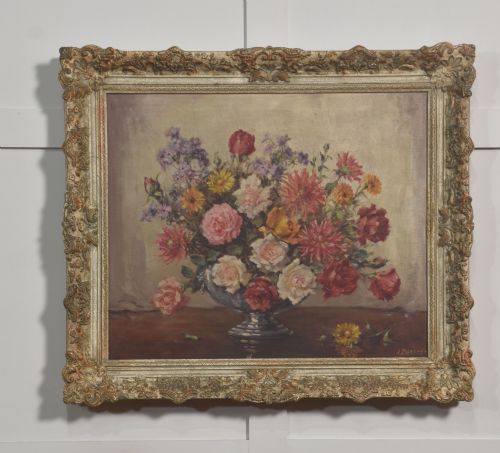
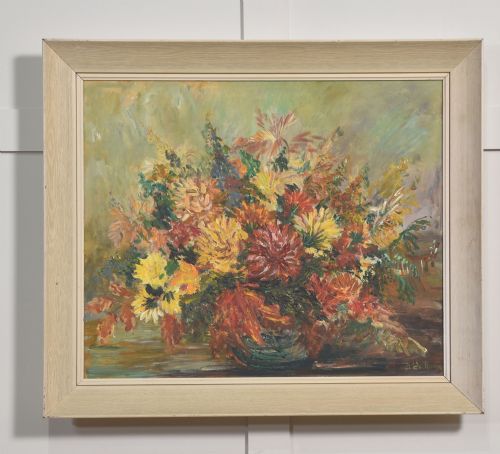
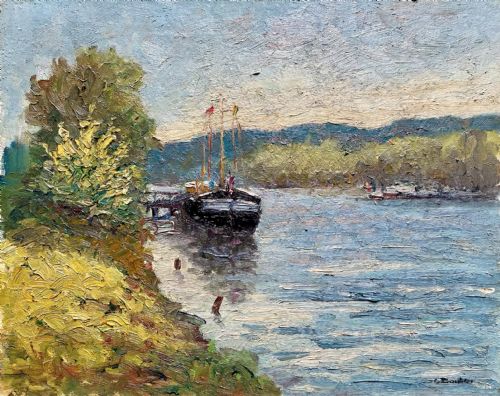
The works depict coastal seascapes, urban street scenes, quiet river banks, and traditional still life compositions of flowers and fruit.
Many examples record specific locations across Britain, France, Italy, and Austria during the nineteenth and twentieth centuries.
How do I care for an oil painting on canvas?
Keep the canvas away from direct sunlight, damp environments, and sudden temperature shifts to prevent the oil paint from cracking or warping.
Dust the surface gently with a soft, dry brush and avoid using chemical cleaning agents on either the canvas or the frame.
Are these paintings signed by the artists?
Many canvases feature artist signatures, monograms, or studio inscriptions inscribed directly into the wet paint or noted on the stretcher frames.
Other works remain unattributed or indistinctly signed, representing the wider output of established nineteenth and twentieth century schools.
What is the difference between impressionism and post-impressionism?
Impressionism focuses primarily on the shifting effects of natural light and spontaneous plein air brushwork captured outdoors.
Post-impressionism builds upon those techniques while introducing greater emphasis on symbolic content, geometric structure, and expressive colour.