

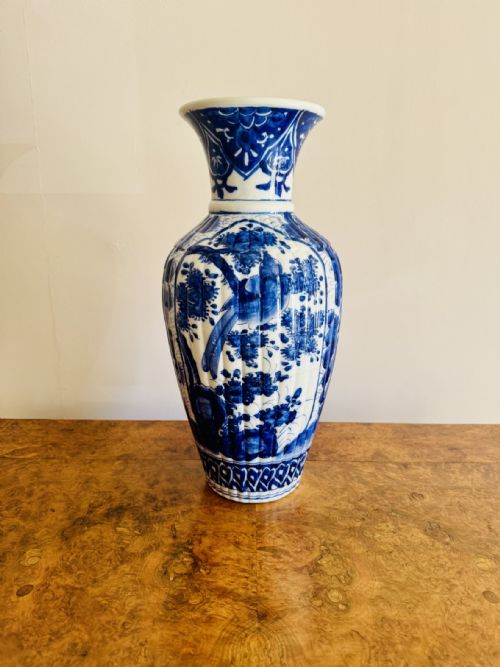
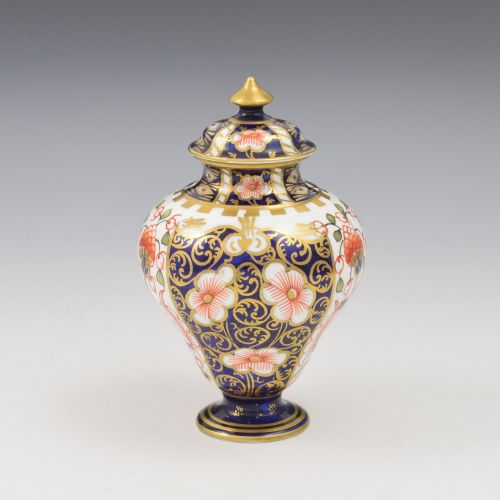
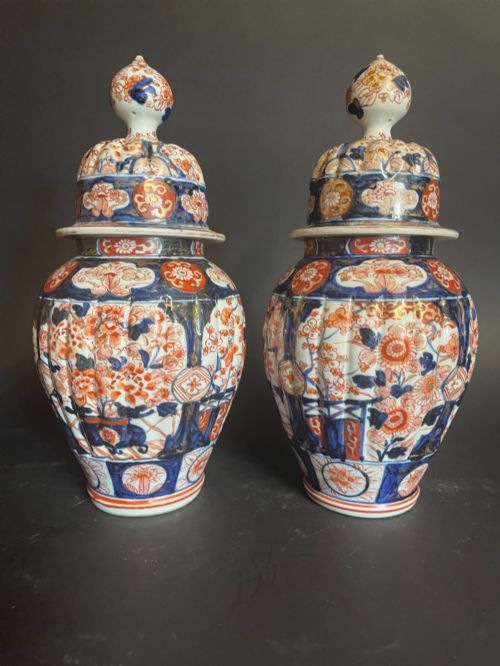
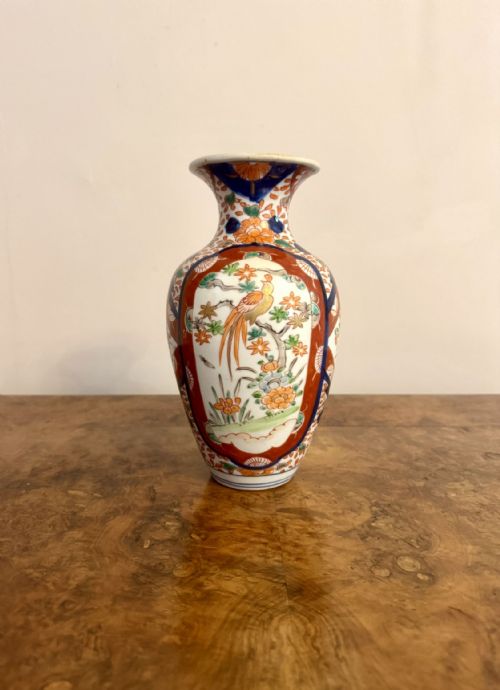


Antique Imari Decorative Jars
These antique imari decorative jars bring the vibrant palette of Japanese and British ceramic traditions straight into your interior.
Antique Imari Decorative Jars
When you search for antique imari decorative jars, you encounter a striking mix of covered ginger jars, lidded vessels and potpourri containers from both Japanese workshops and British factories. The pieces on this page span the nineteenth century, the Edwardian era and the early twentieth century, reflecting a global taste for these distinct wares.
Japanese examples include Arita porcelain productions from the Edo and Meiji periods alongside British interpretations by makers such as Mason's and Royal Crown Derby. You will frequently find matching pairs and lidded forms designed specifically for display on mantelpieces and side tables.
What varies in quality
The standard of an imari piece rests upon the crispness of the hand-painted brushwork and the richness of the enamel and gilding combination. Superior examples display precise registration between the cobalt blue outlines and the secondary enamel infills.
Proportion and the survival of matching covers also dictate the distinction between everyday domestic wares and higher-tier decorative display pieces.
Antique Imari Decorative Jars Retail Price Guide 2026
Typical asking prices for imari decorative jars among the pieces listed under this phrase on Sellingantiques today, from the lower quarter to the upper quarter. They describe what is for sale here now, not the wider market.
Listings feature both porcelain and ironstone bodies decorated in the imari palette, spanning the Georgian period to the Edwardian era.
The Antique Imari Decorative Jars Glossary
- Imari palette
- A distinctive colour scheme typically dominated by cobalt blue, iron red and supplemented by gold. This palette originated in Japan before being widely adopted by European potteries.
- Ginger jar
- A ceramic vessel originally used for storing spices, featuring a wide body and a fitted lid. These jars became popular decorative objects in nineteenth-century interiors.
- Ironstone
- A type of durable heavy earthenware patented in Britain that mimicked porcelain. It provided a strong ground for colourful imari decoration.
- Pot pourri
- A lidded jar or vase pierced with holes to release the scent of dried flowers and spices kept within. These vessels combined domestic utility with formal decoration.
- Meiji period
- A historic era of Japanese art and manufacturing spanning the late nineteenth and early twentieth centuries. Pieces from this time often show exceptional technical control.
Antique Imari Decorative Jars: Frequently Asked Questions
Are these jars Japanese or British?
The selection includes both authentic Japanese porcelain pieces from Arita and Meiji workshops, alongside British interpretations produced by factories like Mason's and Royal Crown Derby.
British versions often utilise ironstone bodies, while Japanese examples typically employ fine porcelain decorated in the traditional imari palette.
How do I date an imari jar?
Dating relies on body material, decorative style and factory marks where present. Nineteenth-century pieces often display hand-painted cobalt and iron red with thick gilding.
Later Edwardian and early twentieth-century examples frequently feature refined moulding like fluted or hexagonal bodies.
What were lidded jars used for?
Originally intended for storage, by the nineteenth century these lidded vessels served primarily as decorative garnitures for mantelpieces and sideboards.
Potpourri variants included pierced covers designed to diffuse fragrance throughout a room.
Do imari jars come in pairs?
Pairs and matching trios appear frequently among these listings, as nineteenth-century interior display often required symmetrical arrangements.
Single jars and ginger jars are also common, usually intended as standalone focal points.
How should I clean my jar?
Dusting gently with a soft dry cloth is usually sufficient for maintaining the surface glaze and gilt details.
Avoid immersing antique ceramics in water or using chemical cleaners that might damage delicate overglaze enamels and gold leaf.