

Antique Imari China
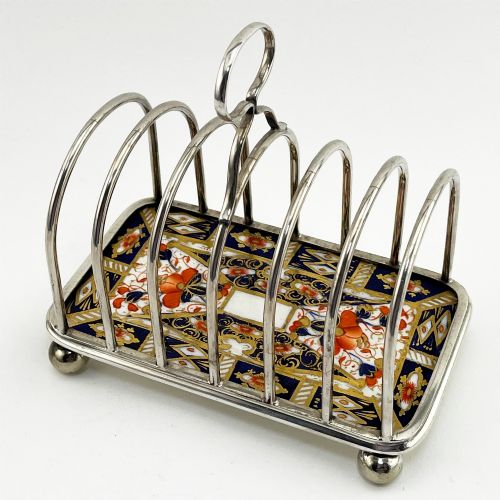
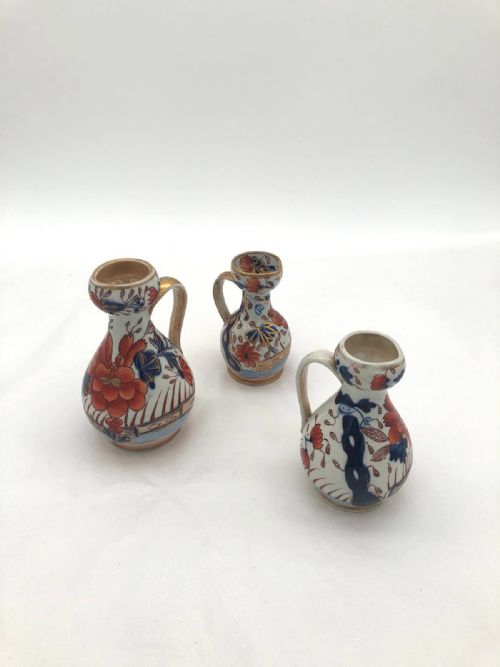
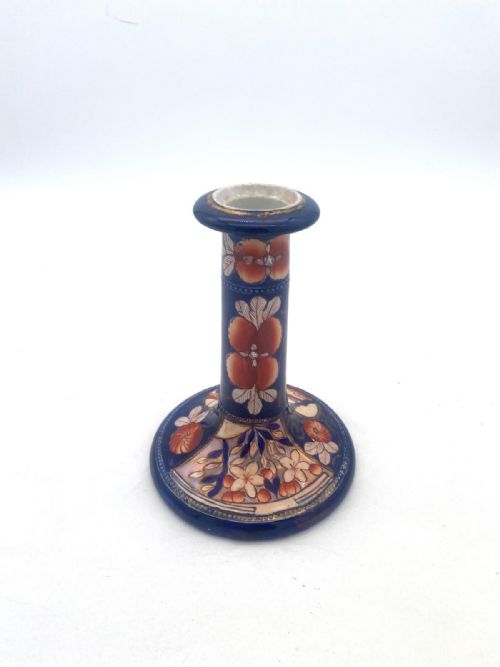
These pieces of antique imari china bring together vivid enamel palettes and crisp porcelain forms for the display cabinet or tea table.
Antique Imari China
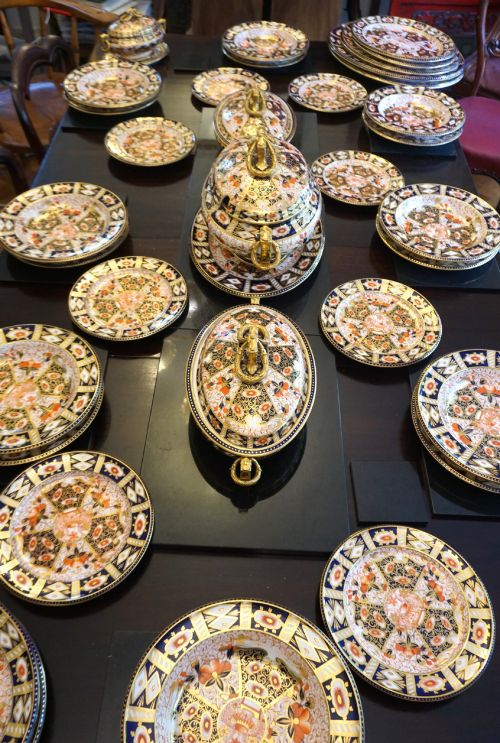
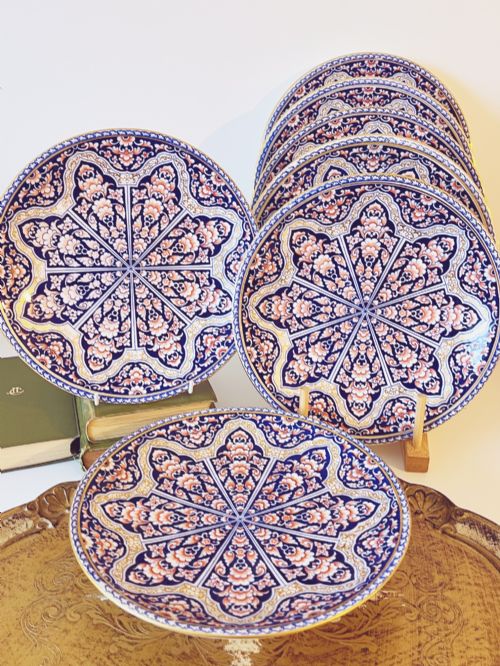
When searching for antique imari china, buyers encounter both imported Japanese wares and domestic English interpretations spanning the Georgian, Victorian, and Edwardian eras. The selection comprises decorative plates, bowls, vases, and complete service sets designed for both visual impact and practical use.
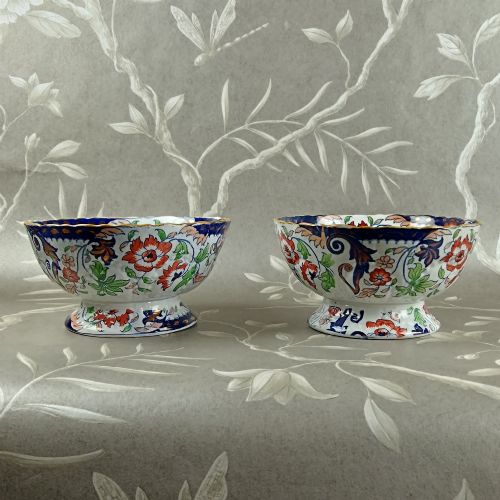
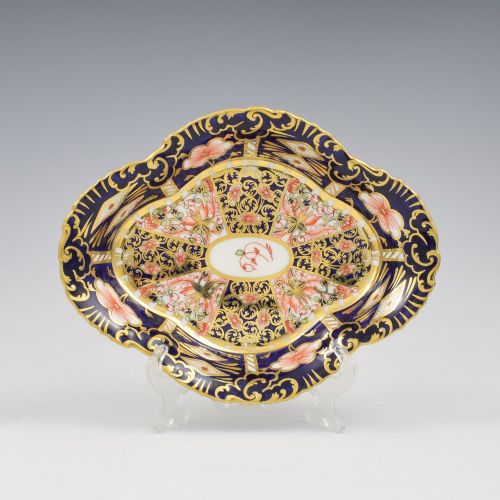
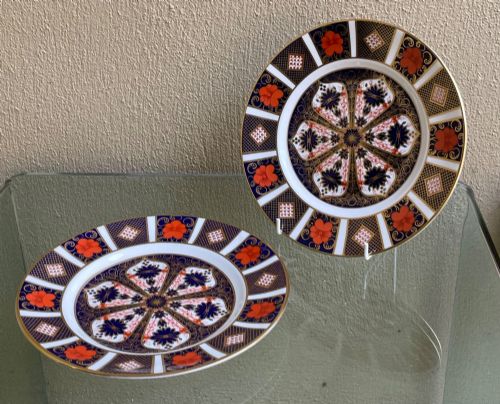
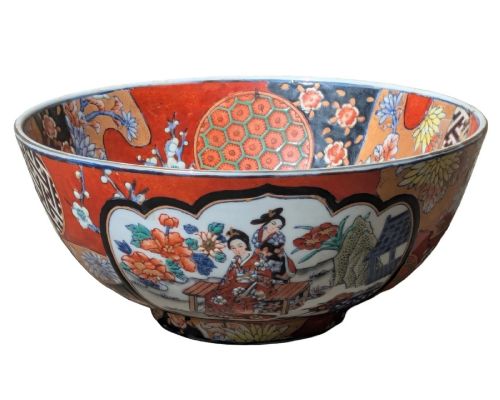
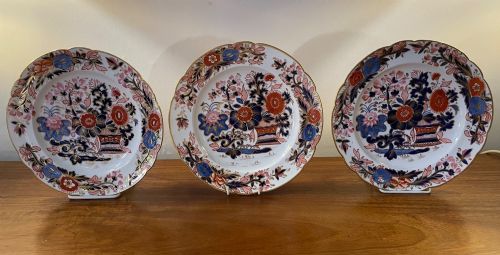
The English examples rely heavily on ironstone, porcelain, and bone china, echoing the characteristic palette through domestic pottery traditions. Japanese pieces from the nineteenth and early twentieth centuries offer traditional forms with scalloped edges and intricate underglaze blue and iron-red designs.
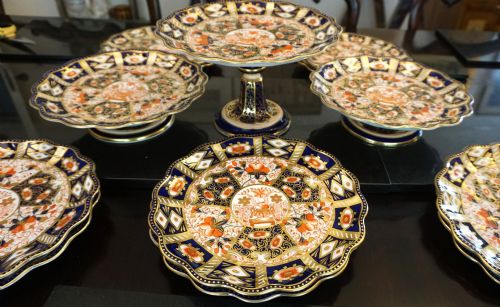
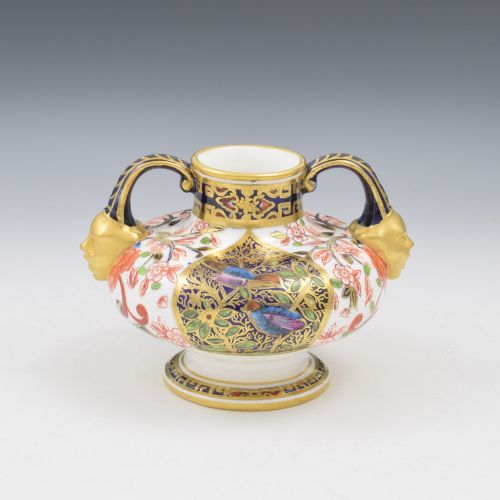
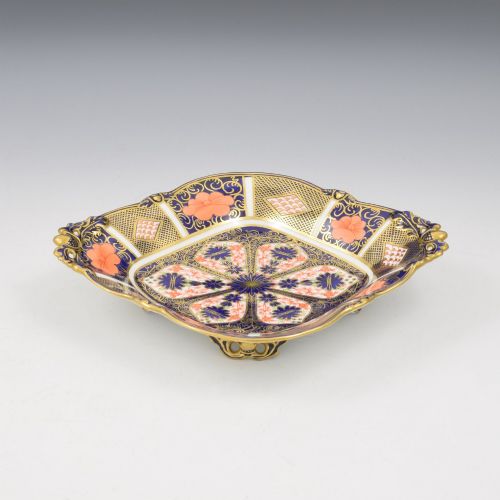
Comports, tureens, and coffee sets appear frequently across the listings, showing the broad domestic adoption of the aesthetic in the nineteenth century. Miniature vessels and twin-handled vases represent smaller decorative outputs from both English and Japanese kilns.
How They Were Made
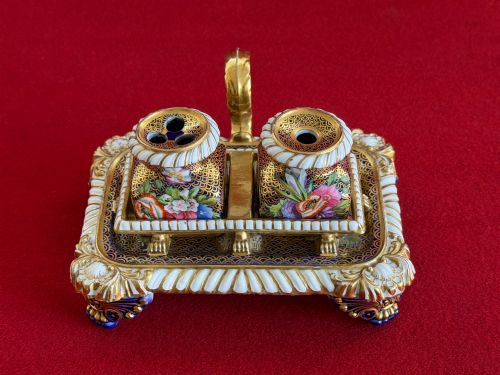
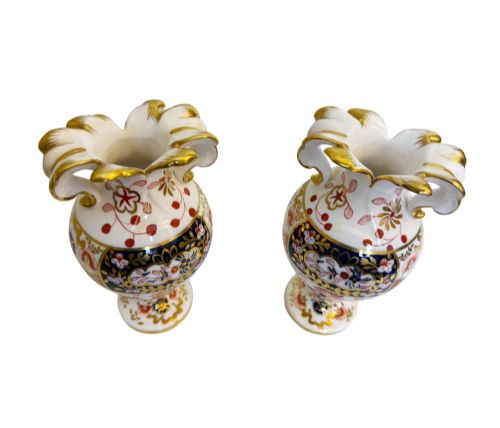
Potters combined porcelain, ironstone, and earthenware bodies with underglaze cobalt blue and hand-applied overglaze enamels. Gold leaf highlights frequently complete the design scheme on finer English and Japanese pieces.
Kiln firing set the base blue and glaze before skilled decorators added the iron-red, green, and gilt details in subsequent lower-temperature firings.
Even a tiny porcelain bud vase can pack enough gold leaf and cobalt blue to outshine the tea service.
What Varies in Quality
The precision of the hand-painted enamels and the crispness of the underglaze blue define the upper tier of production. Rich application of gold leaf and well-defined pattern registration indicate superior factory standards.
Thick, heavy ironstone bodies and robust earthenware demonstrate functional durability, whereas delicate porcelain and bone china showcase refined potting skill.
Royal Crown Derby·Mason·Spode·Wedgwood·John Davenport of Longport·Stevenson and Hancock
The Antique Imari China Glossary
- Imari
- A decorative style characterised by a palette of cobalt blue, iron-red, and gold. This aesthetic originated in Japan and heavily influenced European porcelain factories.
- Ironstone
- A durable type of earthenware patented in the nineteenth century. It provided a strong ceramic body for heavy use items like jugs and tureens.
- Comport
- A raised dish or bowl used for serving fruit or sweets at the dining table. These pieces often feature decorative footed bases.
- Enamel
- Opaque glass used to paint colours over the glazed ceramic surface. Artisans applied these pigments by hand before a final low-temperature firing.
- Bone china
- A porcelain variety containing bone ash for added strength and whiteness. English makers utilised this material for delicate teaware.
Antique Imari China: Frequently Asked Questions
How do I spot English Imari?
English imari uses materials like ironstone, porcelain, and bone china alongside typical Japanese-inspired motifs.
Look for maker marks on the underside from factories such as Royal Crown Derby or Spode to confirm domestic origin.
Were these pieces used daily?
Many items, including plates, jugs, and tea services, were produced for regular dining and entertaining.
Service sets and dinner wares saw active use in Georgian and Victorian households before entering the collector market.
What is Gaudy Welsh?
Gaudy Welsh pottery represents a nineteenth-century earthenware tradition that adopted bright imari-style palettes.
These pieces feature distinct patterns like grape and pagoda on sturdy pottery jugs and bowls.
How are dates identified?
Makers often applied specific factory ciphers, pattern numbers, and date marks to the base of the ceramic.
Stylistic shifts across the Georgian, Victorian, and Edwardian periods also help narrow down the production era.