



Antique Icon on Wood
An antique icon on wood carries centuries of devotion, appearing as panel paintings and carved wooden figures spanning from the sixteenth to the early twentieth century.
Antique Icon on Wood
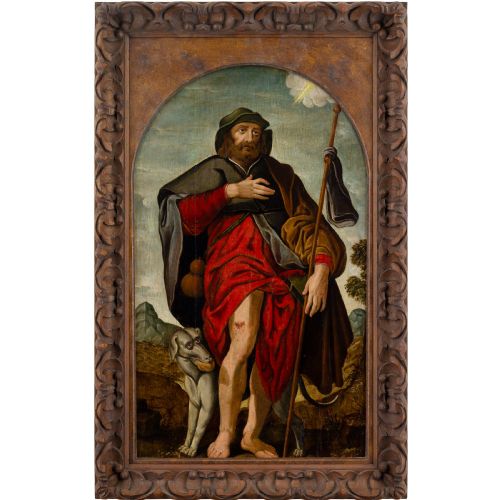
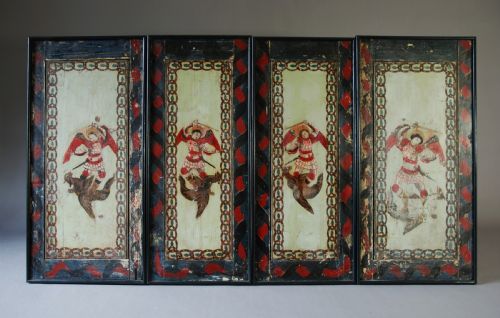
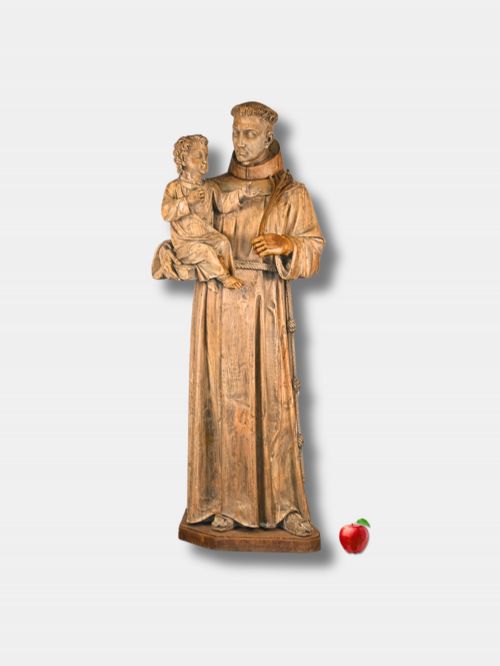
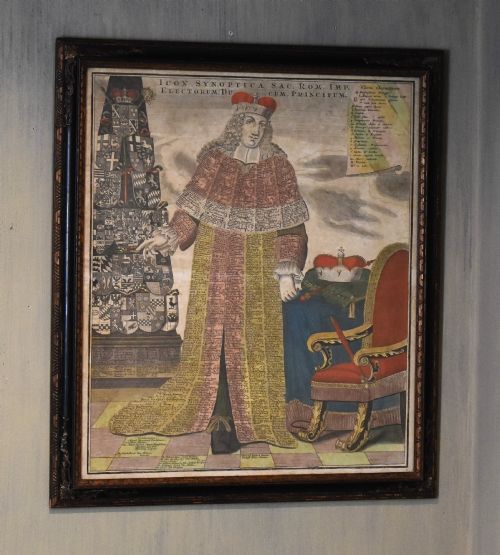
When you search for an antique icon on wood, you encounter devotional objects ranging from Russian Orthodox panel paintings to European carved saints and religious figures. The pieces on this page draw from centuries including the seventeenth, eighteenth, and nineteenth periods, reflecting diverse cultural traditions from Russia, Spain, France, and Germany. You find flat panel paintings alongside three-dimensional wooden sculptures and framed devotional works.
The most common examples you meet here are eighteenth and nineteenth-century items, particularly Russian icons executed on wood panels and carved wooden statues of saints. These forms serve both domestic shrines and ecclesiastical spaces, utilising traditional imagery such as the Virgin Mary, Christ, and various saints. The physical format varies from single arched panels to multi-figure groups and home altars.
Materials and construction methods
The foundation of these pieces relies primarily on timber such as pine, oak, applewood, and general carved wood, providing a stable support for subsequent decoration. Artisans applied gesso over the wooden base to create a smooth surface for painting or gilding. Polychrome paint brought subjects to life with colour, while gold leaf and giltwood added luminous backgrounds and highlights.
Antique Icon on Wood Retail Price Guide 2026
Typical asking prices for icon on wood among the pieces listed under this phrase on Sellingantiques today, from the lower quarter to the upper quarter. They describe what is for sale here now, not the wider market.
Regional styles represented on this page include Russian Orthodox, Spanish Baroque, French nineteenth-century, and folk art traditions.
Distinctions in craftsmanship
The integrity of the original wood surface and the preservation of early paint layers dictate the visual impact of each piece. Superior execution involves harmonious balance between the carved form and surface decoration, whereas lesser works may exhibit heavy later overpainting or crude structural repairs that obscure the original hand.
Volga Masters
The Antique Icon on Wood Glossary
- Polychrome paint
- Decoration applied using multiple colours of paint upon wood or gesso surfaces. This technique brings depth and realism to carved figures and panel paintings.
- Gesso
- A plaster mixture applied to wood panels as a smooth base for gilding and painting. It creates a durable ground that holds fine detail.
- Giltwood
- Wood that has been coated with a thin layer of gold leaf or gold paint. It provides a rich, reflective frame or background for sacred imagery.
- Tempera
- A permanent, fast-drying painting medium consisting of coloured pigment mixed with a water-binder such as egg yolk. This medium defines traditional Russian icon painting.
- Santos figure
- A carved wooden representation of a saint or religious figure used in devotional practices. These figures often originate from Spanish or Latin traditions.
Antique Icon on Wood: Frequently Asked Questions
What is an antique icon on wood?
These pieces comprise sacred images and carved figures created on wooden supports for private prayer or church use. They encompass painted wooden panels and sculptural saints from various European traditions.
Materials typically include timber, gesso, polychrome paint, and gold leaf, reflecting the devotional art of past centuries.
How do I date a wooden religious icon?
Dating relies on stylistic markers, the type of wood preparation, and the specific pigments or gilding techniques used in the construction. Examining the joinery and panel thickness provides additional clues regarding the period.
Early pieces often feature hand-split boards and traditional tempera formulas, while later nineteenth-century examples display distinct handling of oil and panel preparation.
How were these icons used?
Devotees utilised these objects for personal prayer within home altars, travelling shrines, or larger ecclesiastical settings. They served as focal points for spiritual meditation and religious observance.
Three-dimensional statues often stood in domestic niches, while flat panels hung on walls or rested on icon corners in homes.
How should I care for wooden religious artifacts?
Maintaining stable indoor humidity and temperature prevents the wood from warping or cracking over time. Keep pieces away from direct sunlight and heat sources to protect delicate paint and gold leaf.
Dust gently with a soft, dry brush and avoid applying liquid cleaners or polishes to the historic surfaces.