


Antique Hutch
An antique hutch brings centuries of practical storage and regional character into a room, spanning rustic pine country furniture to polished oak pieces.
Antique Hutch
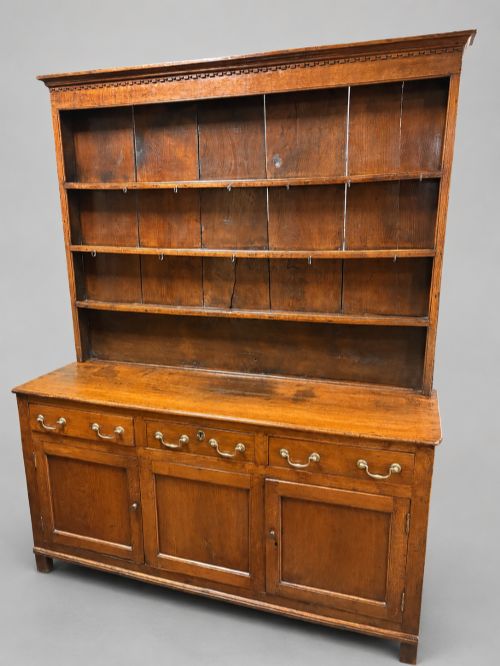
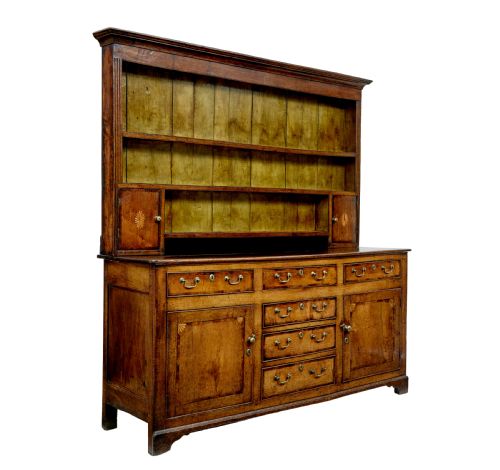
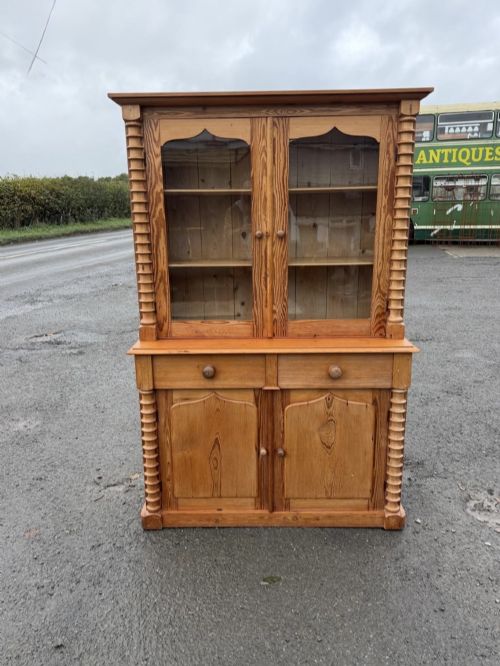
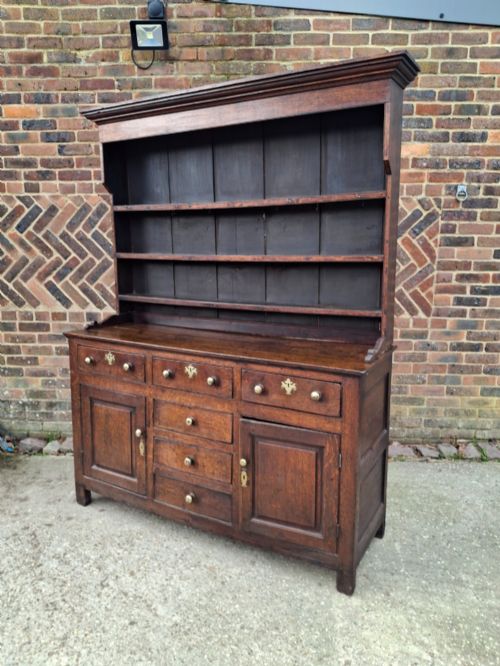
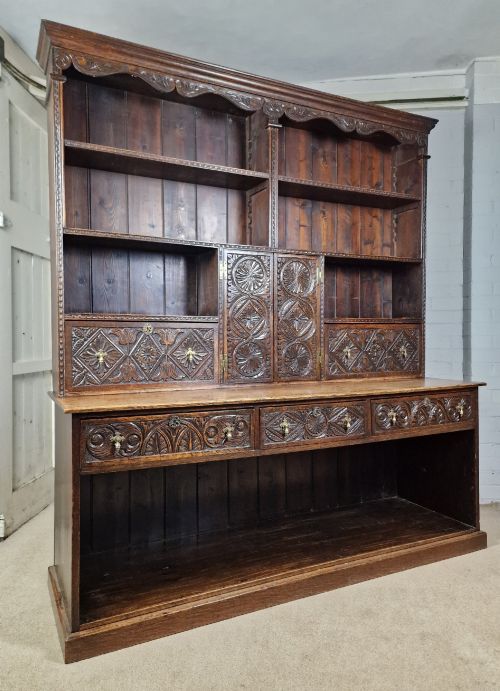
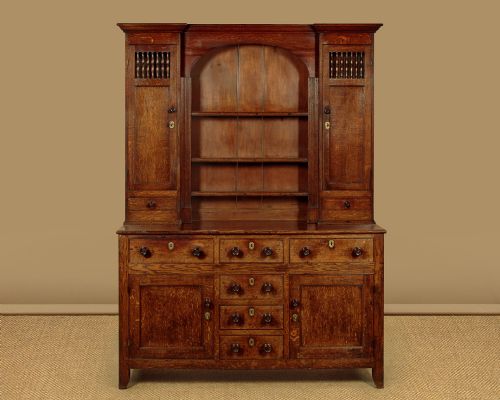
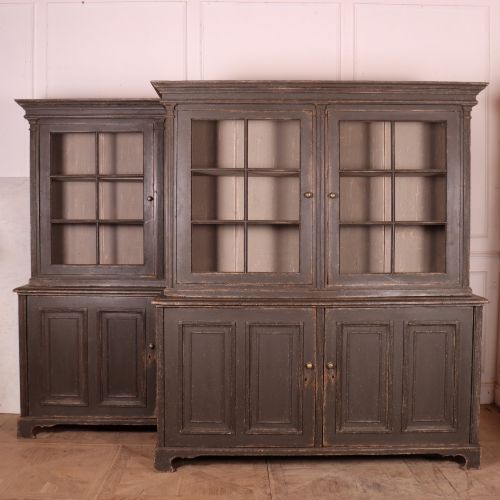
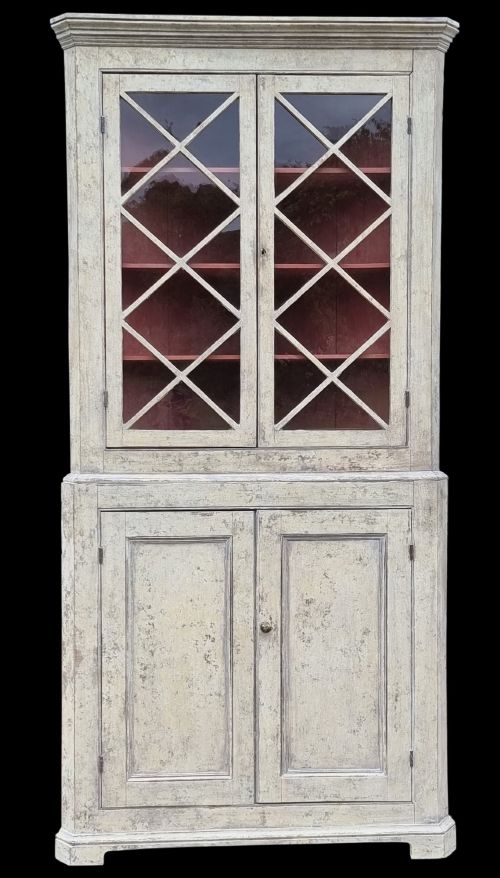
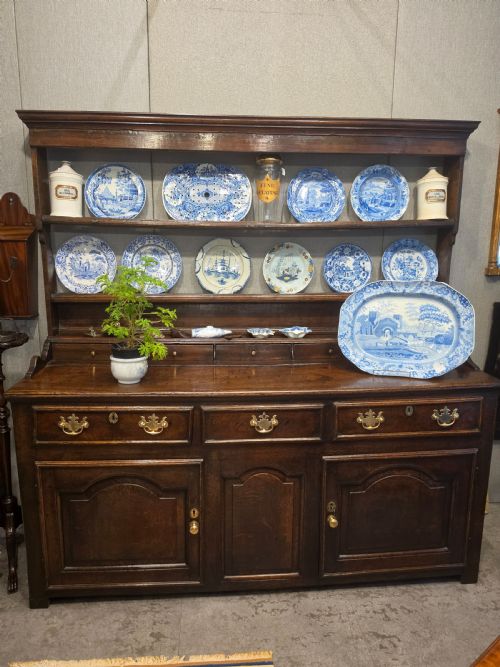
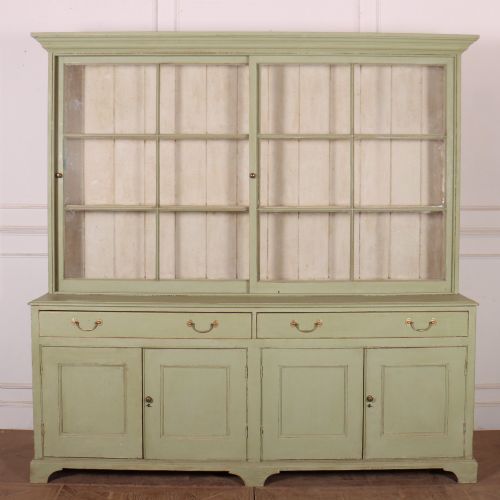
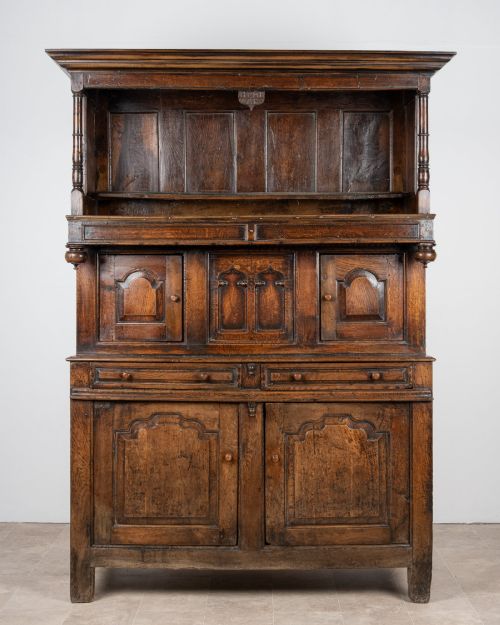
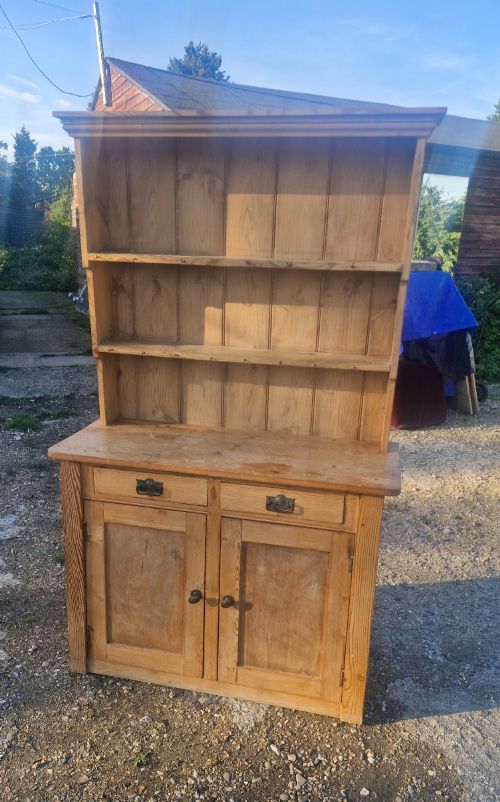
An antique hutch encompasses a varied group of storage furniture, most commonly appearing in listings as kitchen dressers, plate racks, sideboards, and food cupboards. Buyers searching for an antique hutch encounter domestic utility pieces ranging from seventeenth-century English food hutches to Edwardian and Victorian oak or pine dressers.
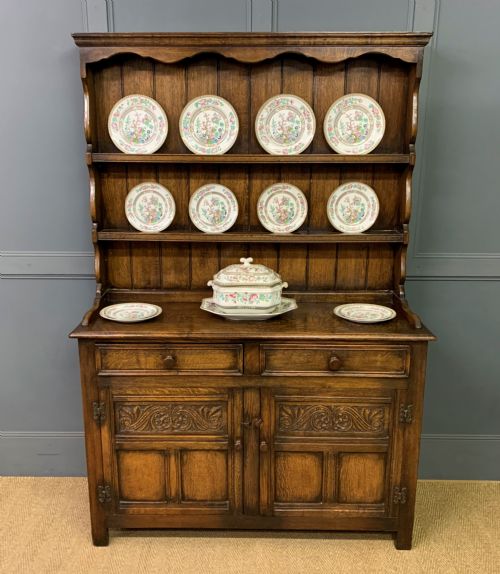
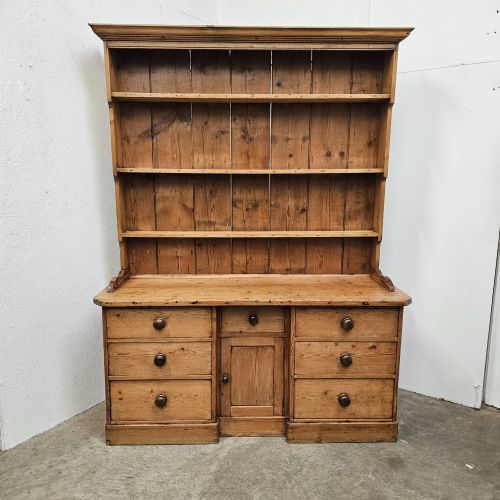
The selection leans heavily toward sturdy oak and pine forms originating from regional workshops, including Welsh, Lancashire, and French provincial examples. These pieces typically combine lower enclosed cupboards or drawers with open upper shelving designed for displaying ceramics and tableware.
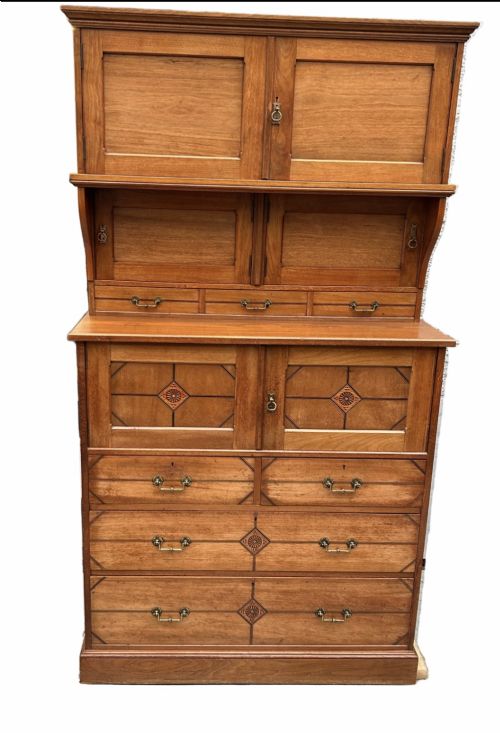
Earlier centuries contribute joined oak and walnut construction, while later nineteenth and early twentieth-century examples introduce softer pine, mahogany, and lighter Arts and Crafts styling. Regional vernacular traditions shape the proportions and decorative carving found across these domestic storage items.
Materials and construction
Solid timbers dominate construction, with native oak and pine forming the structural carcasses of regional dressers and country furniture. Cabinetmakers utilised traditional joinery techniques such as mortise and tenon joints to ensure durability in everyday household use.
Secondary decorative elements incorporate brass hardware, glass panels for glazed display cabinets, and occasional marquetry or inlaid details in walnut and mahogany pieces. Surface finishes range from waxed patinas on scrubbed pine to painted surfaces and carved wood details typical of folk art and period styles.
Antique Hutch Retail Price Guide 2026
Typical asking prices for hutch among the pieces listed under this phrase on Sellingantiques today, from the lower quarter to the upper quarter. They describe what is for sale here now, not the wider market.
Listings feature oak, pine, mahogany, and walnut across periods spanning the seventeenth century to the 1920s.
Distinguishing the pieces
Quality separates through the integrity of the timber, the crispness of hand-carved details, and the preservation of original patinas and hardware. Pieces retaining their original backing boards, uncompromised plate racks, and period brasses hold greater historical coherence.
Proportion and regional vernacular style dictate visual appeal, where balanced drawer arrangements and clean joinery distinguish provincial cabinet work from utilitarian utility items. The presence of maker labels or distinct school characteristics, such as Arts and Crafts designs, further differentiates standard production from notable workshop output.
Heal And Son·Ambrose Heal
The Antique Hutch Glossary
- Plate rack
- An open set of shelves mounted to the upper section of a dresser designed to display ceramic plates and platters upright. This element defines the traditional Welsh dresser format.
- Patina
- The surface sheen and colour acquired by wood through age, handling, and regular waxing over decades or centuries. Original patinas are valued for showing genuine historical wear.
- Astragal glazed
- A glass cabinet door divided into smaller panes by wooden glazing bars, commonly seen on Victorian and Edwardian display cabinets and bookcases.
- Marquetry
- Decorative woodwork where small pieces of veneer are fitted together to form pictorial patterns or geometric designs on surfaces like walnut bureaus.
Antique Hutch: Frequently Asked Questions
What is an antique hutch used for?
An antique hutch served historically for storing food, linens, and everyday tableware while displaying prized ceramics on upper shelves. Today, these pieces function as prominent dining room or kitchen storage for crockery and decorative objects.
Their substantial storage capacity accommodates modern tableware while adding distinct period character to contemporary domestic interiors.
How do I date an antique hutch?
Dating relies on examining construction methods, timber choice, hardware, and stylistic indicators such as carved motifs or leg shapes. Seventeenth and eighteenth-century examples typically feature heavy oak construction with pegged joinery, while later Victorian and Edwardian pieces utilise pine or mahogany with machine-cut elements.
Regional styles and secondary wood usage also provide clues to the manufacturing era and geographical origin of the cabinet.
How do I care for an antique wood hutch?
Maintaining an antique hutch involves applying traditional beeswax periodically to nourish the wood and preserve the surface patina. Direct sunlight and extreme humidity fluctuations should be avoided to prevent timber warping or cracking.
Gentle dusting with a soft, dry cloth protects the finish without stripping the historical surface layers accumulated over decades.