

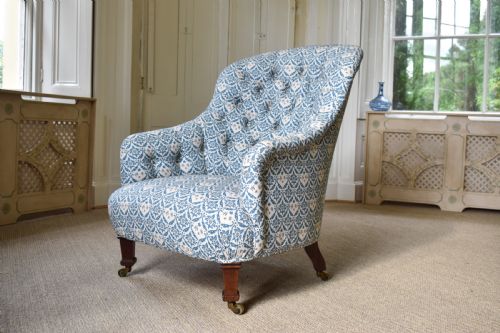

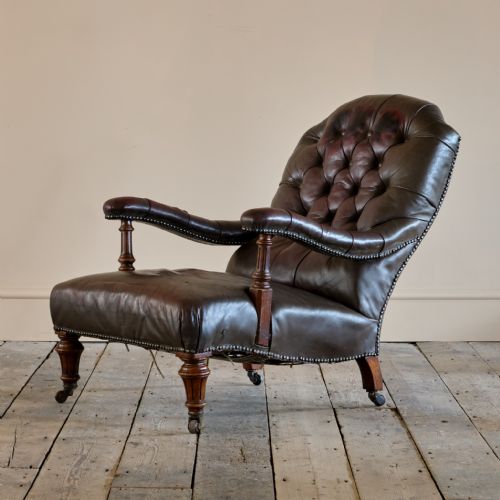
Antique Howard Easy Chair
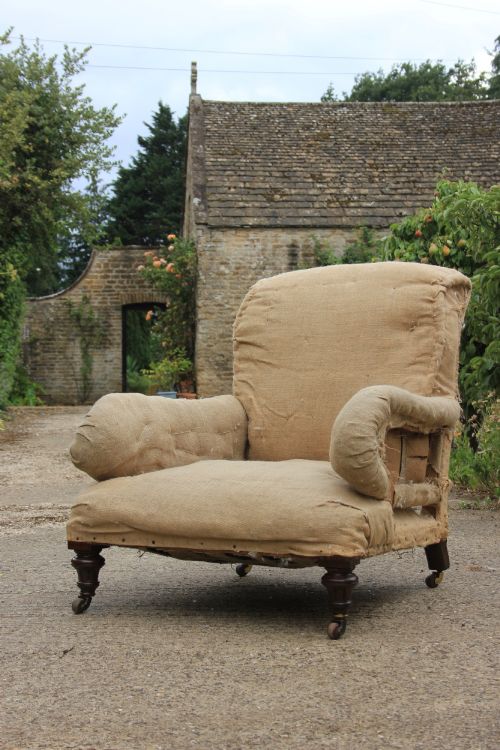
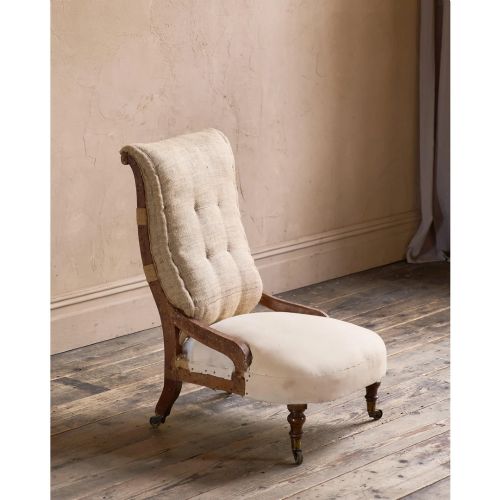
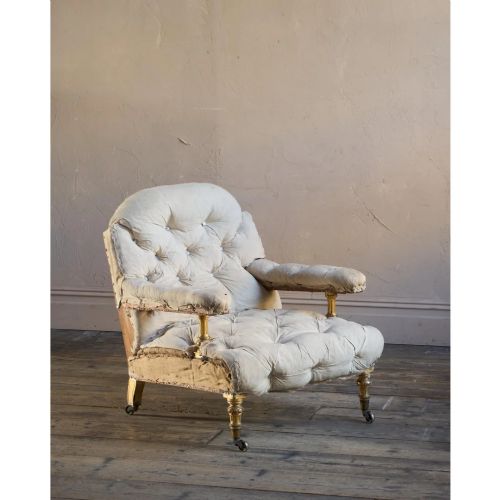
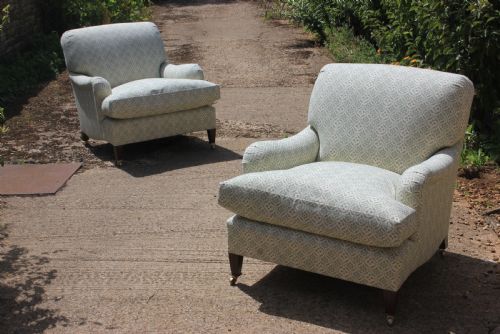
An antique howard easy chair represents the absolute height of Victorian and Edwardian lounging comfort, prized for its deep seat and sprung back.
Antique Howard Easy Chair
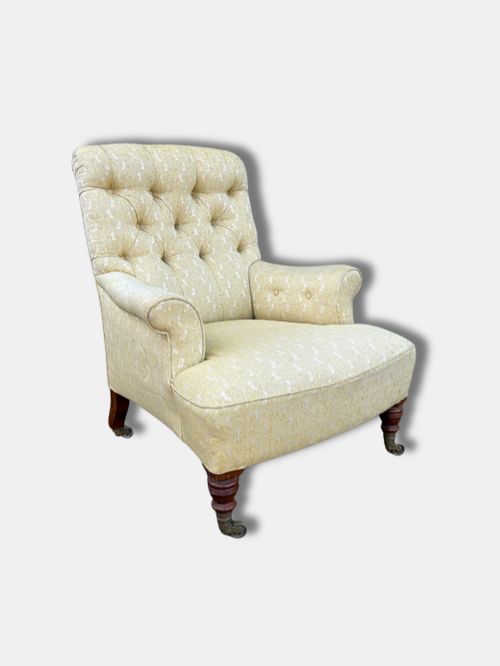
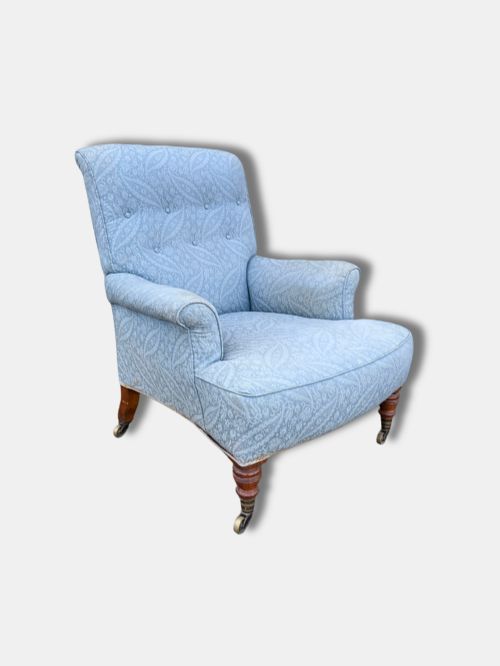
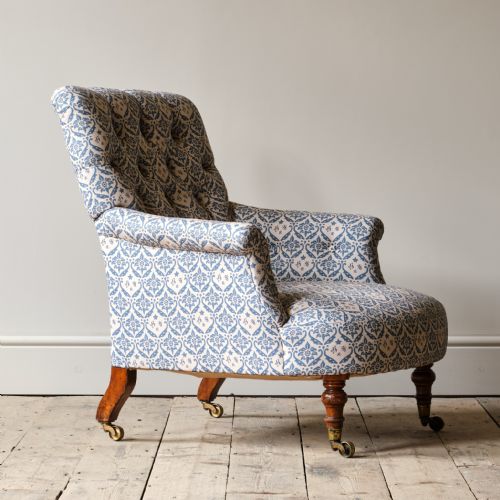
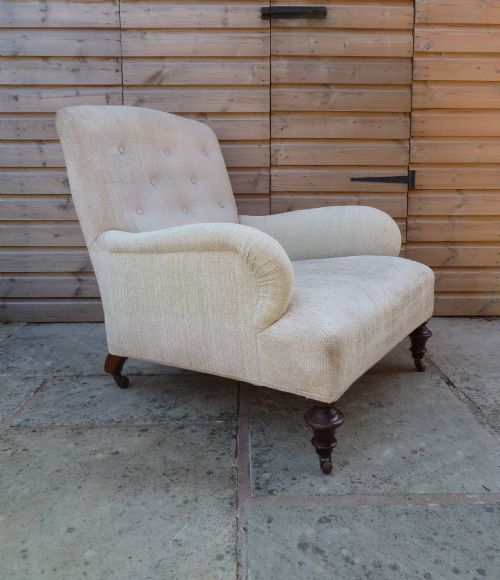
When you search for an antique howard easy chair, you are looking at substantial upholstered seating designed primarily for nineteenth and early twentieth century country houses and parlours. These armchairs span several distinct decades from the mid-Victorian era through to the Edwardian period, often reflecting relaxed domestic luxury.
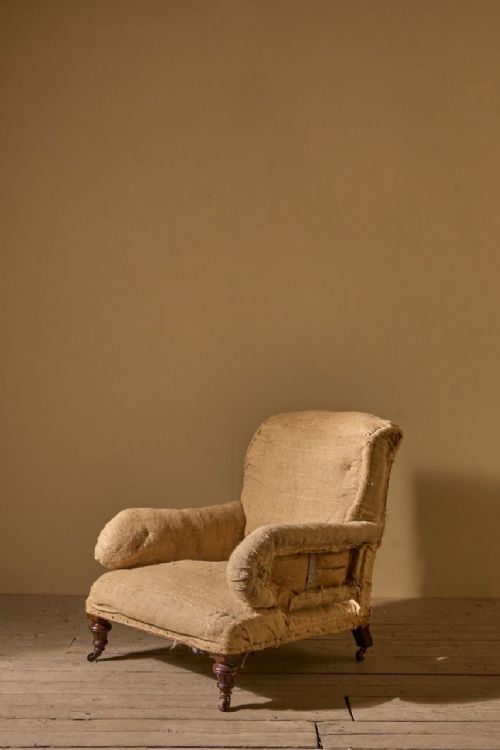
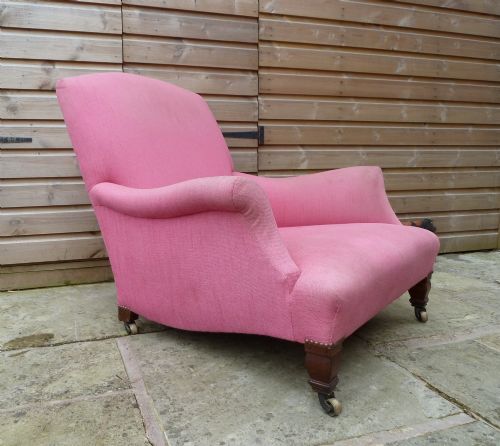
The version you are most likely to meet on this page is an armchair bearing the maker's stamp or attributed through its characteristic low profile, scrolled arms and generous proportions. Many examples appear in traditional styles such as the Grafton, Ingleby, Ennismore or Bridgewater models.
Makers other than the primary firm also produced pieces in this manner during the nineteenth century, including James Shoolbred and Trollope & Sons, alongside various pieces simply designated in the Howard style.
Materials and construction
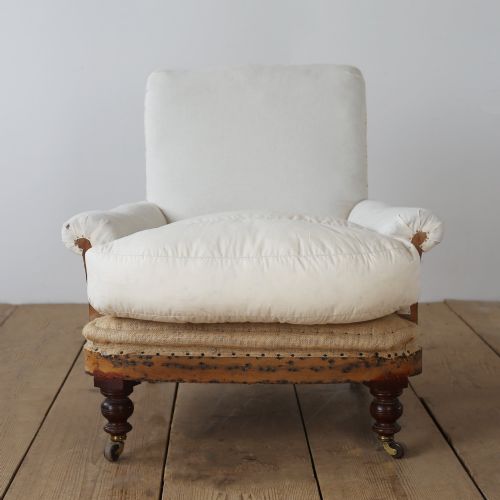
The underlying framework relies on sturdy timber supports fashioned from walnut, mahogany or general wood, which provide the essential structural integrity for heavy coil springing. Traditional stuffing uses durable materials like hessian, calico and cotton alongside internal stuffing layers.
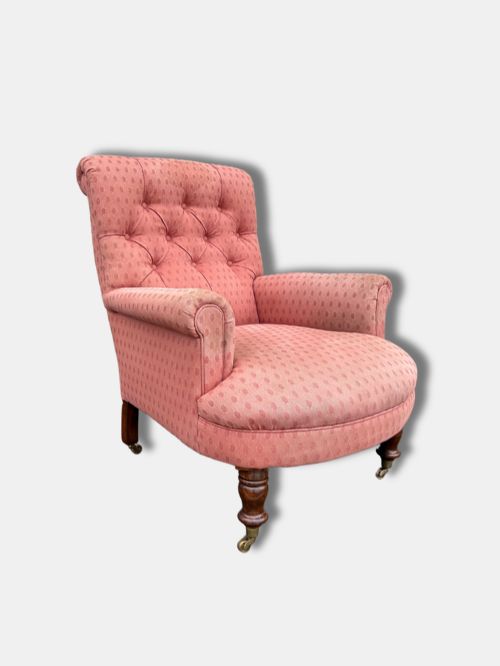
Final upholstery finishes range from plain ticking and patterned fabric to bold cotton designs, occasionally paired with exterior layers of leather. Exposed components frequently incorporate brass details, particularly on castors or legs.
Listings span the nineteenth and early twentieth centuries, featuring walnut and mahogany frames paired with brass fittings and cotton upholstery.
Judging quality and authenticity
Distinctions across the range often hinge on whether the piece retains its original maker markings, stamped castors and primary frame structure rather than later replacements. Pieces bearing authentic stamps command distinct attention from collectors.
The integrity of the internal springing and the survival of early or original fabric covers also alter the desirability of an armchair. Maker attribution to specific workshops like Robert Strahan or direct association with Howard and Sons elevates certain examples above generic country house interpretations.
Howard and Sons·James Shoolbred·Trollope and Sons·Robert Strahan
The Antique Howard Easy Chair Glossary
- Howard style
- A design descriptor applied to low-slung, deeply sprung armchairs originally popularised in the nineteenth century. These chairs prioritise ergonomic comfort through generous cushioning and scrolled arms.
- Ticking
- A tightly woven cotton or linen fabric historically used as a durable base cover for upholstery. It often appears in striped patterns on country house seating.
- Button back
- An upholstery technique where buttons are pulled deep into the padding to create a quilted or diamond pattern. This method adds firmness and visual texture to the backrest.
- Castor
- A small wheel fitted to the base of the chair legs to aid movement across floor coverings. Antique examples frequently utilise brass mountings.
Antique Howard Easy Chair: Frequently Asked Questions
How do I spot a genuine Howard chair?
Look for stamped maker marks on the back legs, legible numbering on the brass castors, and distinctive structural proportions. Genuine pieces carry specific factory stamps that distinguish them from period copies.
Examine the internal webbing and general weight of the frame, as authentic examples feel notably heavy due to dense coil springing and robust timber construction.
What is a Bridgewater armchair?
The Bridgewater is a specific model configuration associated with comfortable nineteenth-century lounging, featuring recessed arms and a deep seat. It shares the low profile typical of the maker's output.
These chairs were designed for relaxed country house living, offering softer lines than formal parlour seating of the Victorian era.
Are these chairs comfortable for daily use?
They were engineered precisely for long periods of relaxation, utilising complex internal spring systems that distribute weight evenly. The generous depth makes them particularly suitable for lounging.
Many owners continue to use them daily, provided the internal webbing and springs have been properly maintained or restored over the decades.
Why are some listed as Howard style?
Pieces described as Howard style were made by contemporary competitors or later cabinetmakers who copied the popular low-slung proportions and comfortable springing. These chairs emulate the aesthetic without carrying the primary workshop stamp.
Such pieces still reflect nineteenth and early twentieth century craftsmanship, offering a similar visual presence in a room.