


Antique Horse Wall Decor
Antique horse wall decor brings nineteenth-century equestrian life into a room through oil paintings, prints, and mounted metal brackets.
Antique Horse Wall Decor
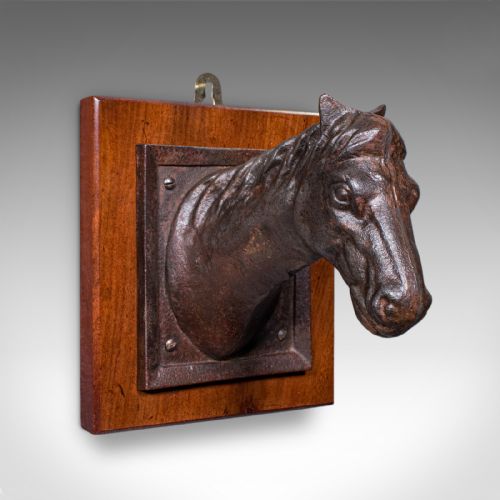
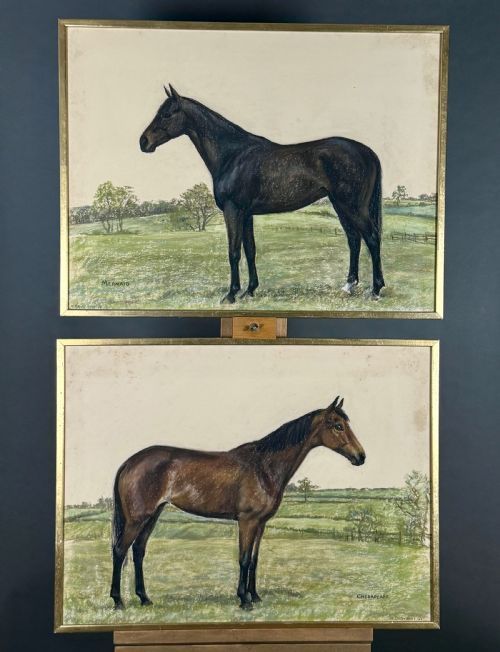
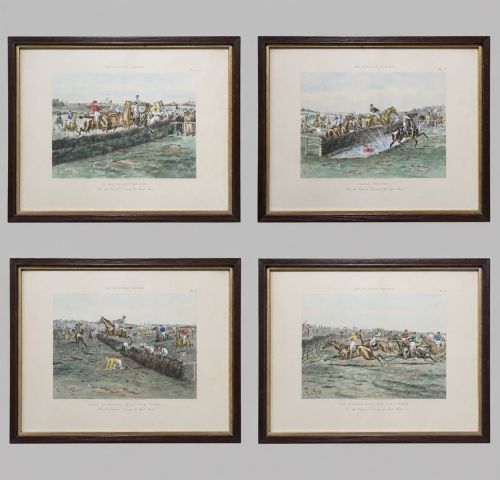
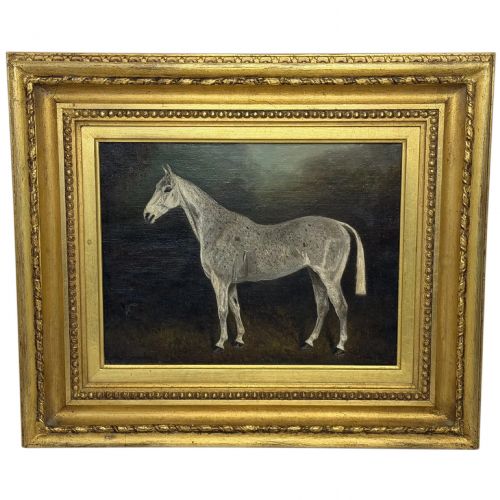
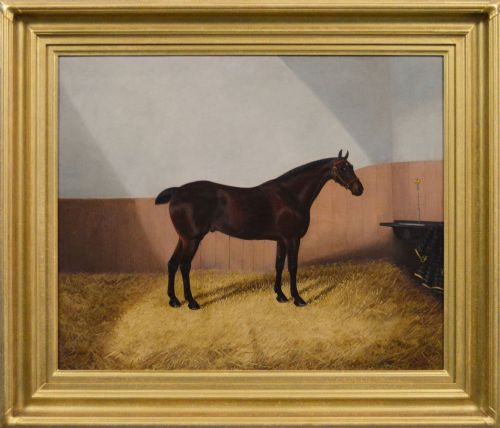
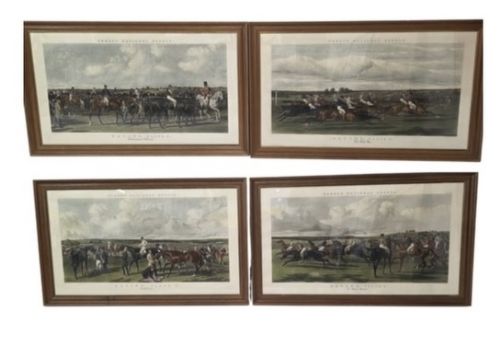
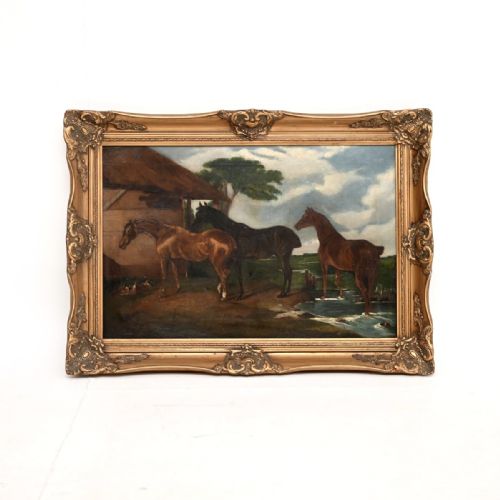
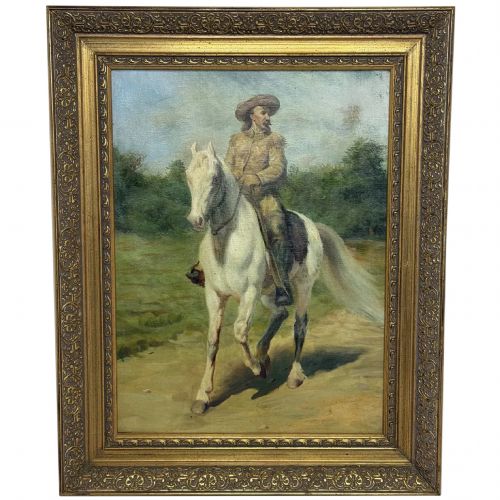
Buyers searching for antique horse wall decor encounter a mix of framed oil paintings, pastel studies, aquatints, and cast iron coat hooks originating from the Georgian, Victorian, and Edwardian periods.
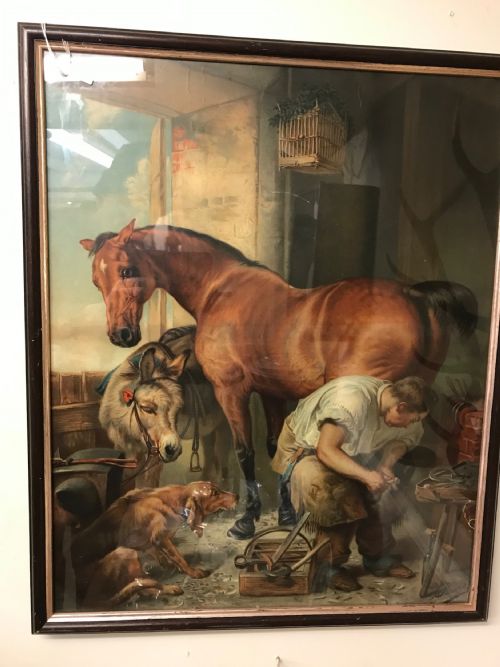
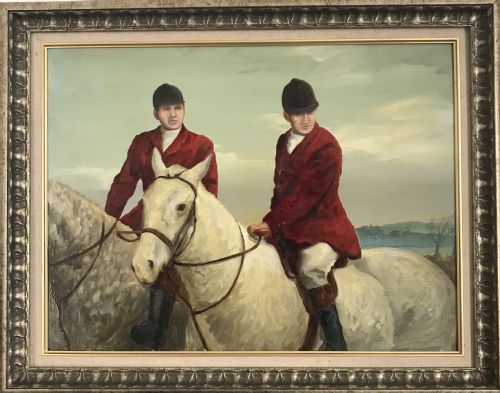
The selections span British sporting art, French provincial painting, and framed prints depicting racing scenes, stable portraits, and hunting meets.
Practical items such as walnut-framed chalk drawings and oak dinner gongs with brass horse head mounts also appear alongside traditional canvas artworks.
Materials and construction
Paintings utilise oil on canvas or pine panels, while works on paper employ pastels, watercolours, and chalk supported by wooden or gilt frames.
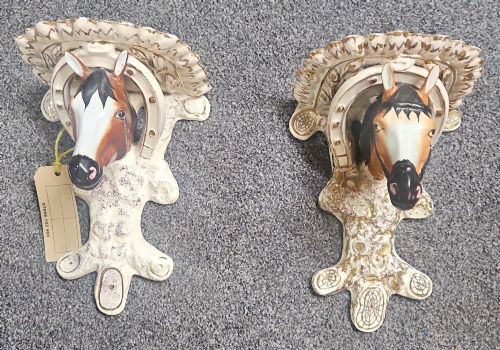
Metal items incorporate iron, sheet metal, and brass mounts, often paired with wood for wall-hanging gongs and coat hooks.
Factors determining quality
Quality rests upon the precision of the animal's anatomy, the fluidity of the brushwork in oil paintings, and the clarity of detail in period engravings and prints.
The choice of framing materials, the preservation of the paper or canvas, and the historical attribution to a named artist elevate certain pieces above standard decorative items.
George Finch Mason·Edwin Henry Landseer·Cecil Charles Windsor Aldin·Raimond Louis Lecourt·John Frederick Herring Jnr·Basil Nightingale·William Williams·Abraham Cooper·Charles Faulkner·Benjamin Cam Norton·Gilbert Scott Wright·John Atkinson·Herbert Royle·Rowland Henry Hill·Charles Johnson Payne Snaffles
The Antique Horse Wall Decor Glossary
- Aquatint
- An intaglio printmaking technique that produces areas of tone resembling watercolour washes. It was frequently utilised for reproducing sporting art and racing scenes in the nineteenth century.
- Eglomise
- A technique where gold or silver leaf is applied to the rear face of glass and then engraved or painted. It provides a reflective, decorative border for historical prints.
- Grisette
- A term used in equine naming to denote a grey mare. It appears in nineteenth-century sporting titles to identify specific horses.
- Pastel
- A medium consisting of powdered pigment and a binder, worked on paper. It offers soft colour transitions suited to intimate animal studies.
Antique Horse Wall Decor: Frequently Asked Questions
What periods do these pieces come from?
The inventory spans the eighteenth, nineteenth, and early twentieth centuries. Pieces originate from Georgian, Victorian, and Edwardian eras.
Items date from the seventeen-fifties through to nineteen-sixties, with a strong concentration of nineteenth-century British and French works.
How do I identify a horse painting's age?
Examine the canvas, framing materials, and the style of the pigment. Eighteenth and nineteenth-century works often use heavy pine panels, hand-carved gilt frames, or authentic oil on canvas.
Signatures, artist attributions, and period printing techniques such as early aquatints or hand-coloured engravings also provide dating evidence.
Are these items suitable for modern walls?
These pieces function well in studies, hallways, and living spaces, particularly when paired with traditional or rustic interiors. Items range from large framed oil paintings to functional wall-hanging coat hooks and dinner gongs.
Their varied scale allows them to serve as single focal points or part of a larger gallery arrangement.
What subjects are most common?
Equestrian art frequently depicts horse racing, hunting meets, stable portraits of bay or grey horses, and working farm animals. Scenes often capture specific named racehorses or hunting events.
Prints and paintings also record historical sporting moments and rural working life across Britain and France.