



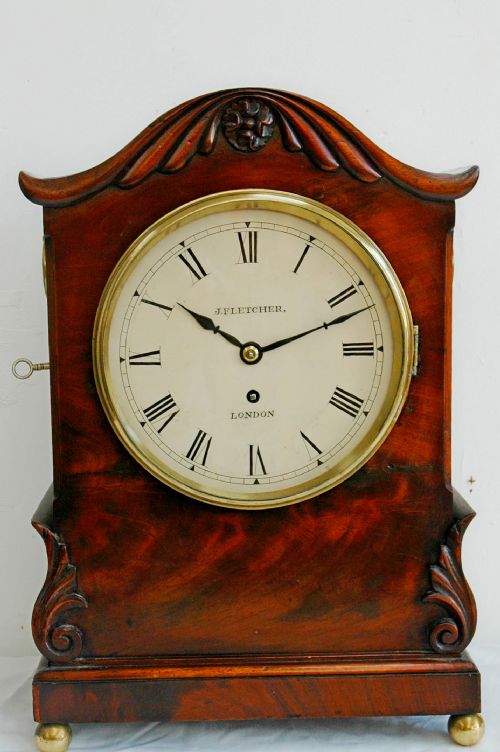


Antique Horology Mantle Clock
When you search for an antique horology mantle clock, you step into a world of precision mechanics housed in brass, mahogany, and marble.
Antique Horology Mantle Clock
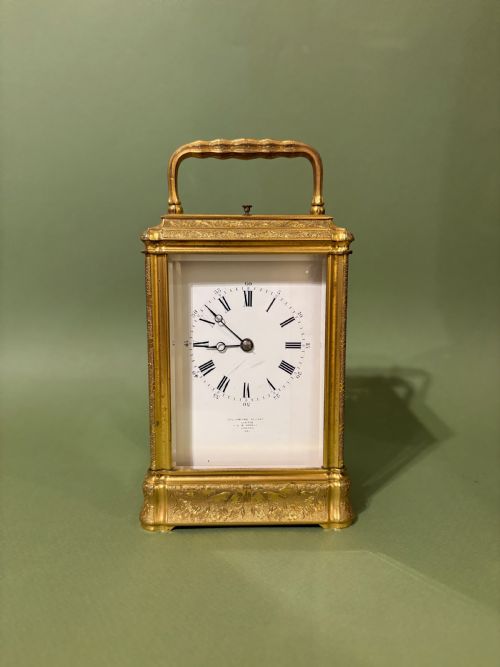
An antique horology mantle clock encompasses a diverse array of timepieces designed for domestic interiors, ranging from substantial table clocks to portable travelling pieces.
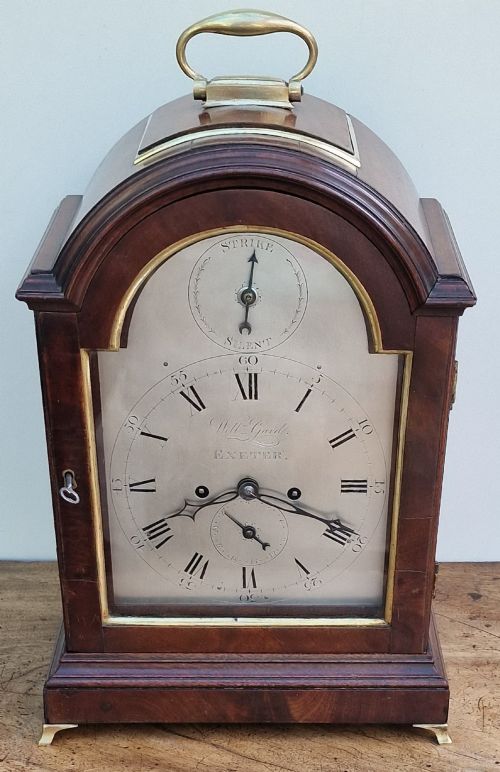
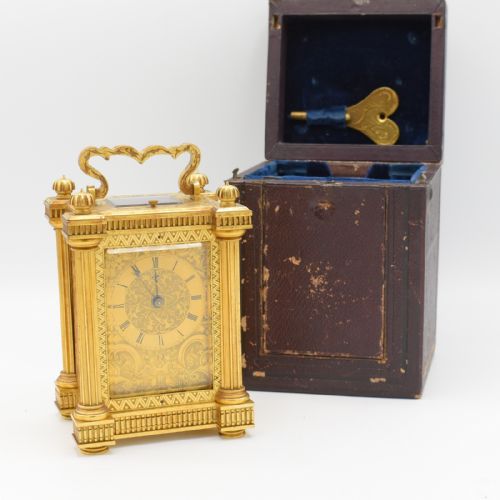
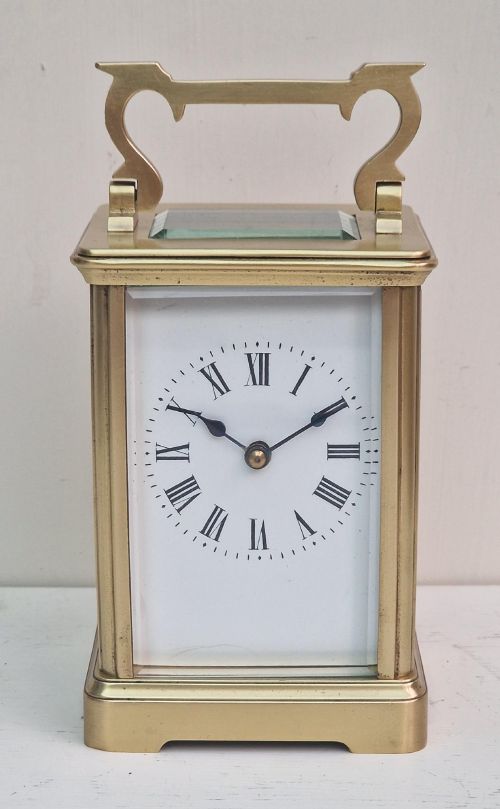
The selections available here lean heavily towards French carriage clocks and English bracket clocks, spanning the Georgian, Regency, and Victorian eras.
Makers housed these movements in varied housings, from brass-framed glass carriage cases to architectural mahogany and ebonised timber bodies.
Materials and Construction
Metalwork dominates the construction, utilising brass, gilt bronze, and ormolu to form robust chassis and decorative mounts for the internal gear trains.
Cabinetmakers utilised dense timbers like mahogany, rosewood, and ebonised wood for bracket and mantel housings, frequently incorporating marquetry inlay.
Dials frequently feature white enamel with Roman or Arabic numerals, protected beneath bevelled glass panels or framed by cast metal bezels.
One carriage clock in the collection carries specific race horse interest, proving that even Victorian timekeepers enjoyed a flutter at the turf.
Distinctions in Quality
Quality rests upon the sophistication of the movement, separating basic timepieces from complex mechanisms featuring repeaters, alarms, or grand sonnerie strikes.
The execution of the exterior case dictates overall merit, distinguishing heavy cast ormolu and finely figured timber veneers from simpler constructions.
HENRI JACOT·Mappin & Webb·Paul Garnier·Charles Frodsham·Hunt & Roskell
The Antique Horology Mantle Clock Glossary
- Carriage clock
- A portable spring-driven timepiece designed for travel, traditionally featuring a brass frame inset with glass panels. These typically possess a folding handle on top.
- Bracket clock
- A shelf or table clock originating from the period when such timepieces sat upon a wall bracket. They commonly feature wooden cases with carrying handles.
- Repeater
- A clock mechanism that strikes the hours and quarters upon demand when a lever or cord is activated. This complication allowed owners to check the time in the dark.
- Grand sonnerie
- A striking train that sounds both the hours and the passing quarters automatically on every quarter-hour. It represents a high level of horological complexity.
- Torsion clock
- A timepiece regulated by a slow-rotating pendulum suspended on a thin strip of metal, often known as an anniversary clock. It requires infrequent winding compared to standard designs.
Antique Horology Mantle Clock: Frequently Asked Questions
How do I wind these clocks?
Most mechanical clocks utilise a specific winding key inserted into arbors on the dial or backplate to tension the internal springs.
Care must be taken not to overwind the mainspring, which can damage the internal mechanics of older movements.
Where were carriage clocks placed?
Carriage clocks originated as portable timepieces for travellers, housed in protective leather cases for transit between locations.
Victorian households subsequently placed them on mantelpieces and desks as decorative interior objects.
How do I identify the period?
Dating relies upon stylistic markers, such as the architectural mahogany cases of the Georgian era or the elaborate gilt brass of the Victorian period.
Signatures or maker marks inscribed on the movement plates provide further evidence of origin and date.