





Antique Horn Glass
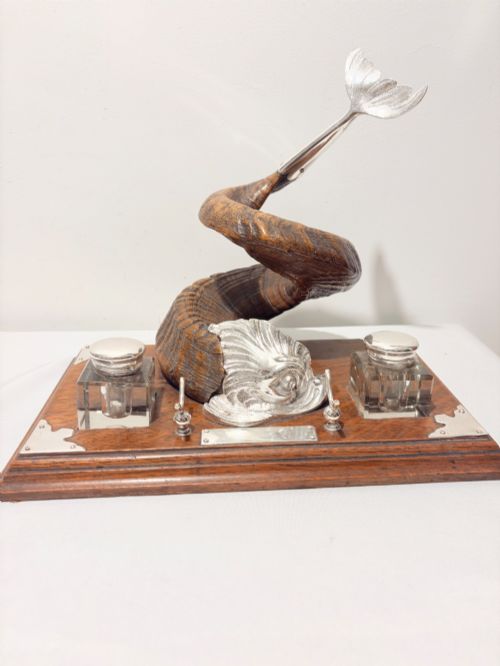
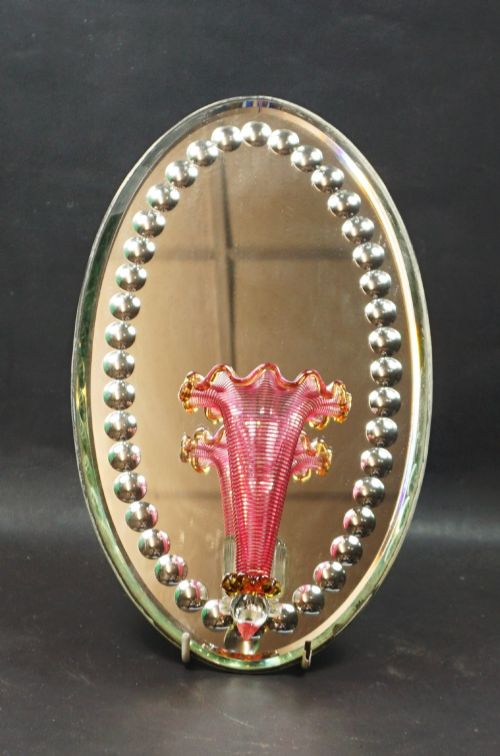
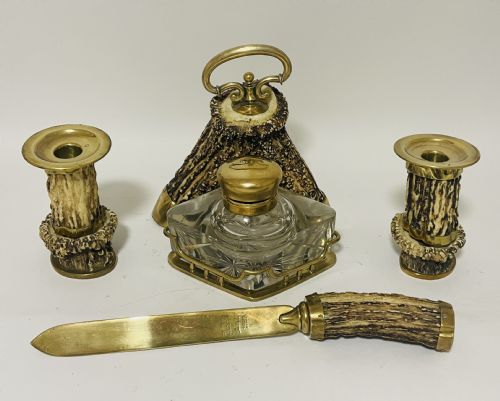
These antique horn glass pieces bring together organic antler or horn with rich coloured glass, offering a distinct nineteenth-century aesthetic for the desk or cabinet.
Antique Horn Glass
When searching for antique horn glass, collectors encounter a fascinating crossover between natural horn or antler and various decorative glass forms. These objects span the Victorian and Edwardian eras, encompassing both desk accessories and tabletop display pieces.
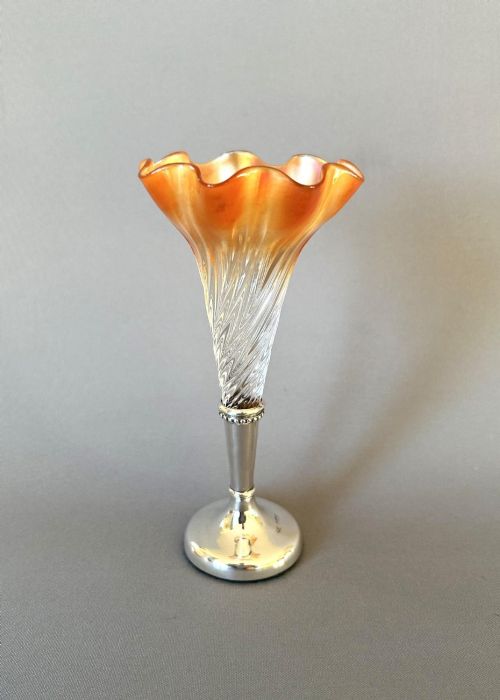
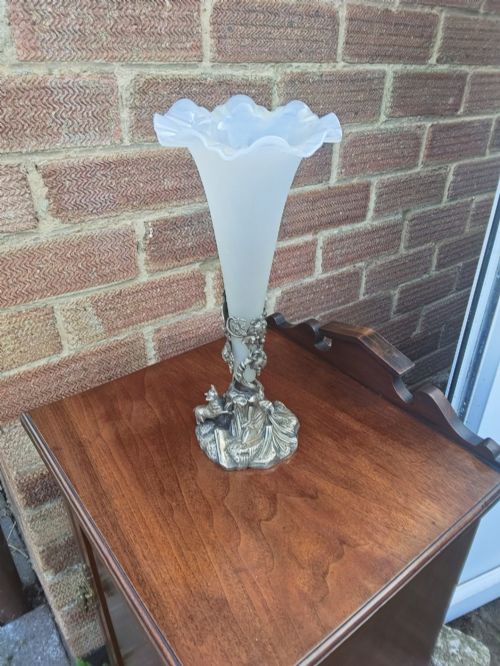
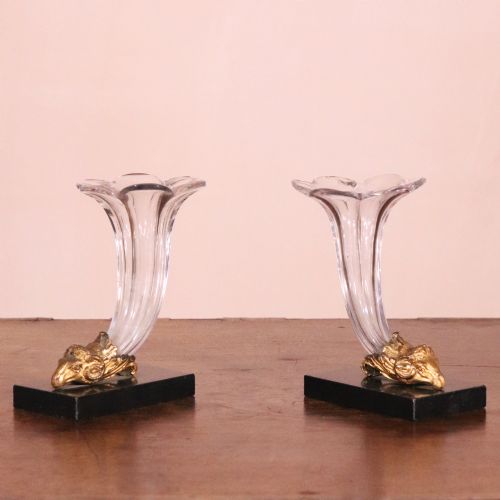
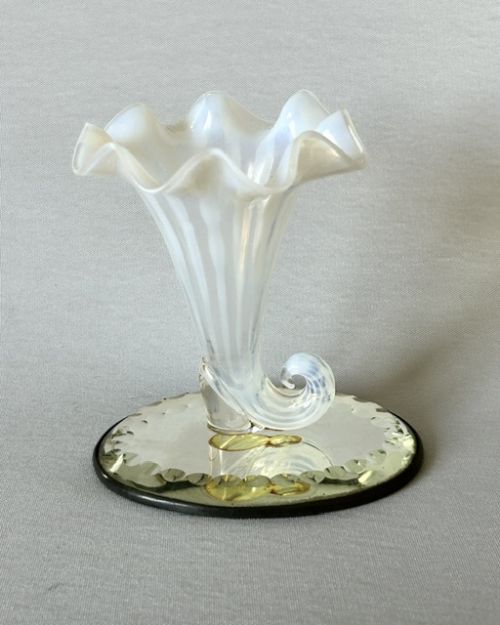
The most common items meeting this description are magnifying glasses with horn handles, alongside desk inkwells and scent bottles shaped like horns. Vases also appear, often taking the form of glass cornucopias mounted in metal.
Originating largely from the nineteenth and early twentieth centuries, these pieces reflect a period fascination with natural materials combined with vibrant coloured glass. Desk magnifiers with sterling silver collars and antler handles form the backbone of this category.
Assessing quality and finish
Quality rests in the proportional balance between the natural organic material and the metal or glass components. Well-finished pieces display secure silver mounts and horn handles that retain their natural grain and rich texture without splits.
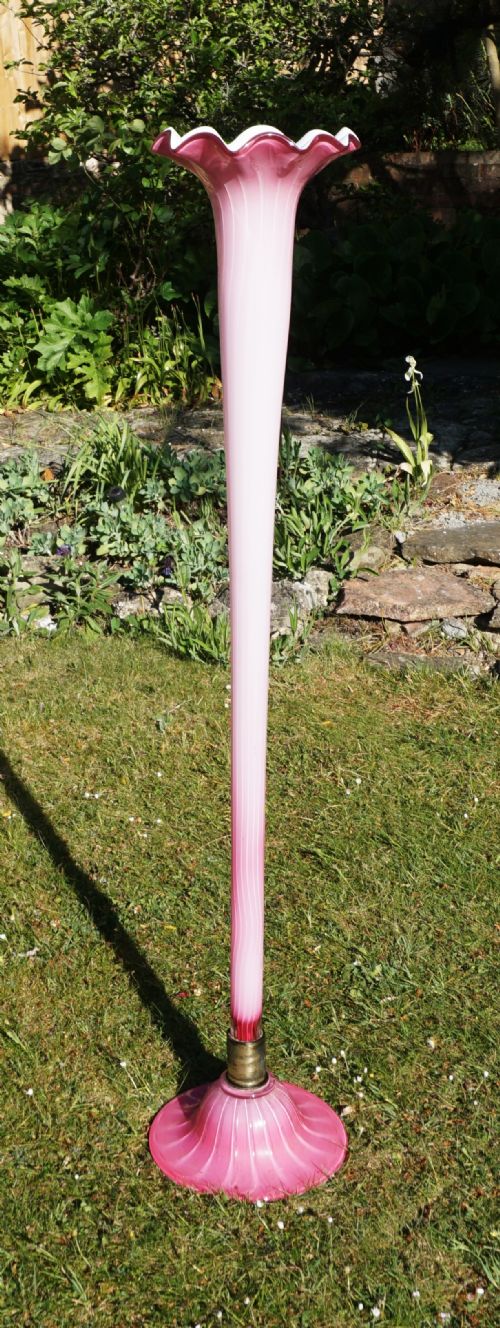
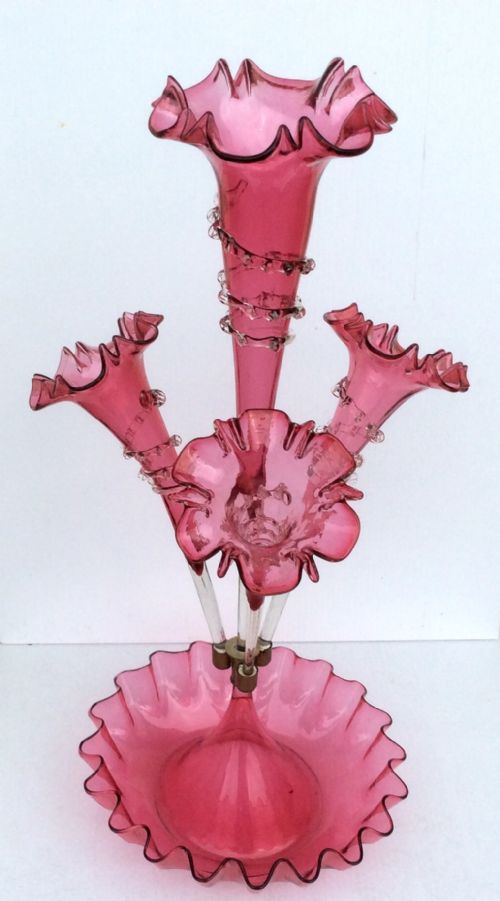
Glass elements show distinction through depth of colour, such as cased pink layers or rich cranberry tones, paired with clean execution in cut or mould-blown forms.
Antique Horn Glass Retail Price Guide 2026
Typical asking prices for horn glass among the pieces listed under this phrase on Sellingantiques today, from the lower quarter to the upper quarter. They describe what is for sale here now, not the wider market.
Desk tidies and shoe horns in this selection occasionally feature novelty glass eyes gazing out from carved animal heads.
Rowland Ward Ltd
The Antique Horn Glass Glossary
- Cased glass
- Glass made in two or more distinct layers of different colours, often white overlaid with pink or cranberry. This technique creates a rich optical depth when viewed in section.
- Cornucopia
- A horn-shaped vessel traditionally symbolising abundance. In these listings, it appears as a glass vase or desk stand often paired with metal mounts.
- Vaseline glass
- Pressed or blown glass containing uranium dioxide, producing a characteristic yellowish-green colour that glows under ultraviolet light. It frequently appears in Victorian decorative vases.
- Epergne
- A large table centrepiece featuring a central trumpet vase surrounded by smaller detachable vasiform arms. These are typically composed of opaque or cranberry glass.
- Desk tidy
- A compartmented desk accessory designed to hold stationery, inkwells, or stamps. They often incorporate novelty animal motifs or natural antler sections.
Antique Horn Glass: Frequently Asked Questions
What is antique horn glass?
Antique horn glass refers to decorative and utilitarian objects combining natural animal horn or antler with coloured or clear glass components. These typically date from the Victorian and Edwardian periods.
They encompass magnifying glasses, scent bottles, desk inkwells, and cornucopia vases, often finished with sterling silver or brass mounts.
How were these pieces used?
Many items served practical functions on nineteenth-century writing desks, such as silver-handled magnifying glasses, inkwells, and desk tidies. Others functioned purely as decorative ornaments for the home.
Scent bottles were carried for personal use or displayed on dressing tables, while epergnes and cornucopia vases decorated dining and drawing room tables.
How do I care for horn and glass?
Natural horn requires gentle treatment to prevent drying out, avoiding excessive moisture and direct heat sources. A light application of suitable wax can help maintain the surface.
Glass components should be cleaned cautiously with warm water and mild soap, paying particular attention to avoid damaging any attached silver or metal mounts.
How can I tell the period?
Dating relies on stylistic clues, hallmarks on silver mounts, and the specific types of glass popular in certain decades. Victorian and Edwardian pieces often feature distinct registration marks or sterling silver date letters.
Colours like cranberry and vaseline glass point strongly towards late nineteenth-century manufacturing techniques and aesthetic preferences.