


Antique Hollowware Teapot
An antique hollowware teapot brings the true weight of silver, copper, and plate to the table, offering a tangible link to formal tea service history.
Antique Hollowware Teapot
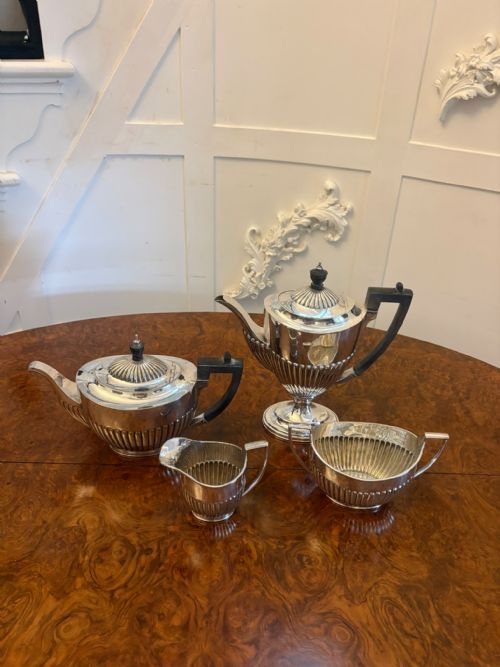
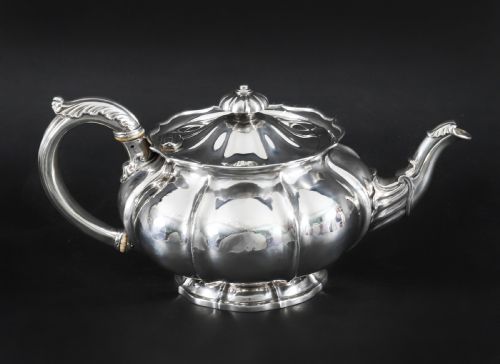
When searching for an antique hollowware teapot, collectors encounter a diverse array of vessels spanning the Georgian, Victorian, and Edwardian eras. These hollowware pieces encompass standalone teapots, coffee pots, and larger matched tea and coffee services designed for formal domestic use.
The selection ranges from early eighteenth-century miniature silver herb teapots to robust Victorian silver-plated sets and George III sterling silver examples. Forms vary from simple bullet shapes to ornate revival styles decorated with grapevine detailing and crests.
Most examples originate from British workshops and regional silversmiths, capturing centuries of domestic metalworking heritage. Buyers find both solid sterling silver vessels and durable silver-plated alternatives featuring wooden or bone insulated fittings.
How They Were Made
These vessels are constructed primarily from sterling silver, silver plate, and copper, shaped through traditional raising, spinning, and casting techniques. Metalsmiths formed the hollow bodies before attaching handles, spouts, and decorative mounts.
Wooden elements such as ebony or ebonised wood, alongside bone insulators, were integrated into handles to prevent heat transfer during use. Sheffield plating and later electroplating methods provided durable silver surfaces over base metal cores.
Some tiny eighteenth-century herb teapots were made specifically for brewing medicinal infusions rather than social afternoon tea.
What Varies in Quality
Quality rests upon the crispness of chased and embossed decoration, the integrity of structural joins, and the preservation of original hallmarks or maker marks. Superior pieces retain balanced proportions and clear silversmith stamps without excessive wear to the underlying metal.
The presence of original matching stands, heat-insulating handle spacers, and well-fitted hinged lids distinguishes finer examples. Subtleties in hand-raised form and the depth of engraving separate standard production items from exceptional workshop commissions.
Paul Storr·Robert Hennell II·George Fox·Birmingham Silversmiths Company
The Antique Hollowware Teapot Glossary
- Hollowware
- Tableware vessels such as teapots, kettles, and coffee pots that are raised or spun from sheet metal rather than cast solid. This method creates lightweight yet rigid containers suitable for holding liquids.
- Sheffield Plate
- An early fused plating technique involving a layer of sterling silver melted onto a copper core. Items produced this way often show subtle hints of copper where the silver layer has thinned through generations of polishing.
- Sterling Silver
- An alloy containing a high proportion of pure silver combined with other metals to increase durability. British pieces typically feature standard assay office hallmarks indicating this composition.
- Bullet Teapot
- A compact, spherical teapot form popular during the Georgian period. These pieces sit low on short feet and often feature simple, clean lines.
- Mount
- A decorative or functional metal fitting attached to the body, spout, or handle of a vessel. Mounts add structural reinforcement and visual detail to the design.
Antique Hollowware Teapot: Frequently Asked Questions
How do I date an antique teapot?
Dating relies heavily on stamped hallmarks, maker marks, and stylistic indicators such as footed bases or handle shapes.
Official assay office marks on sterling silver provide precise years, while plated items require stylistic comparison to determine their decade of manufacture.
Are silver plated teapots usable?
Many silver-plated pots from the nineteenth and twentieth centuries remain entirely functional for serving tea.
Owners should check the interior condition and ensure insulating handle rings remain secure before pouring hot liquids.
What is Old Sheffield Plate?
Old Sheffield Plate is an early composite material made by fusing a sheet of sterling silver to a thick copper base under heat.
This technique produced durable tableware with the appearance of solid silver before modern electroplating methods were introduced.
Why do some teapots have wooden handles?
Ebony and ebonised wood handles were fitted to prevent heat from transferring from the boiling water to the handler's hand.
Bone rings were frequently inserted into these handles to act as further thermal insulation.