

Antique Heraldic Crest
These pieces carry centuries of family history and civic pride into your home through carved wood, painted panels and cast metal.
Antique Heraldic Crest
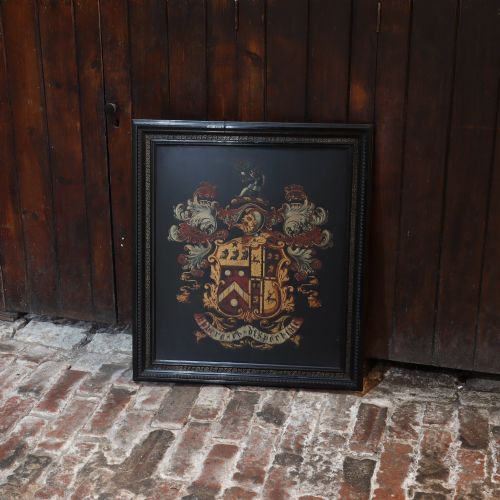
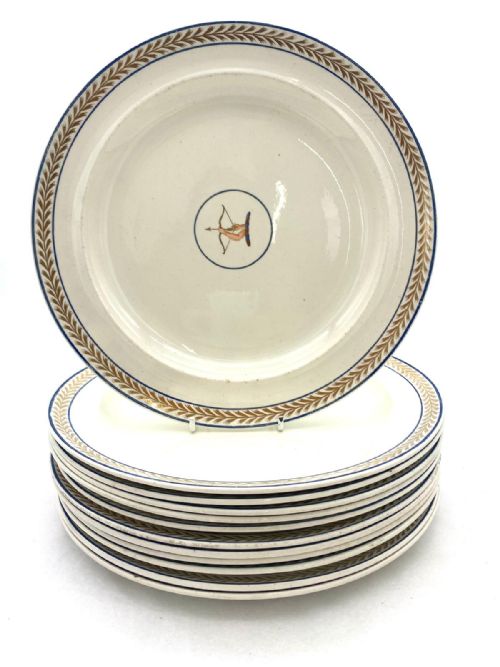
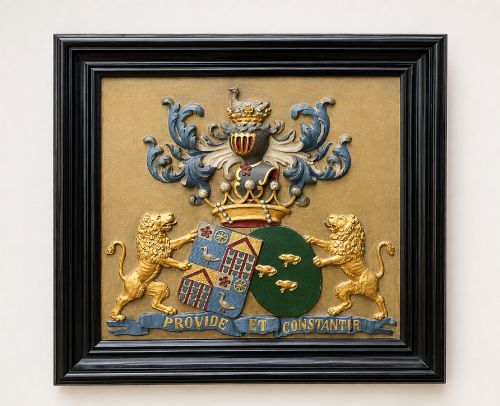
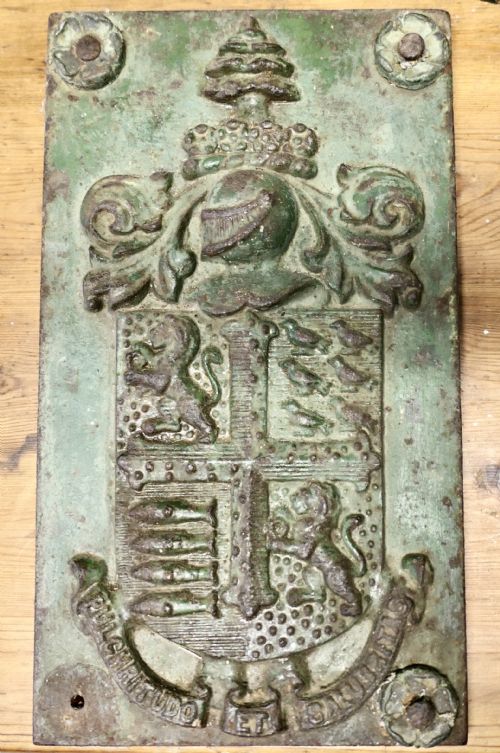
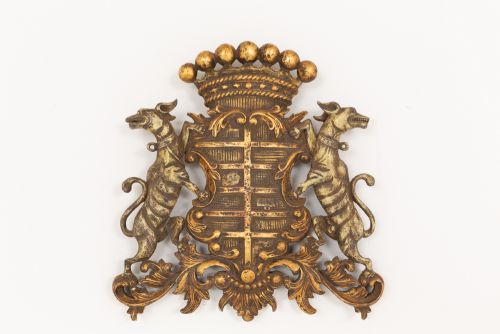
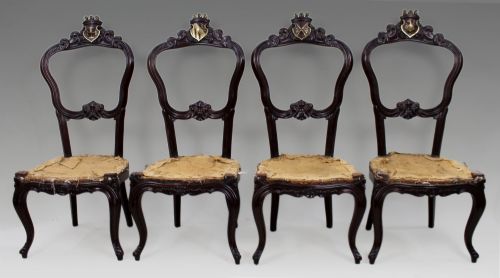
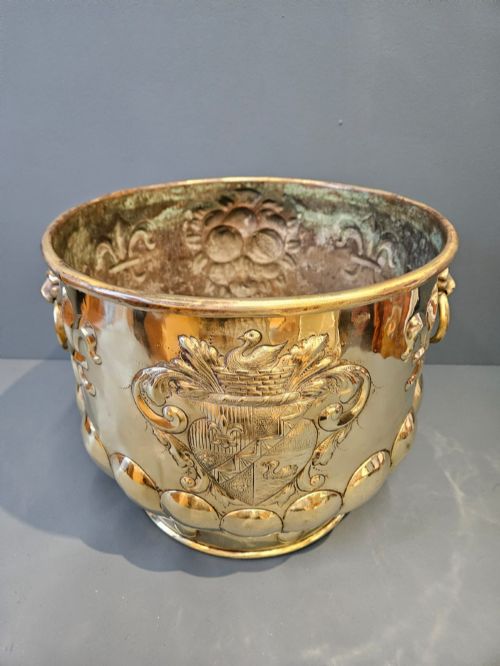
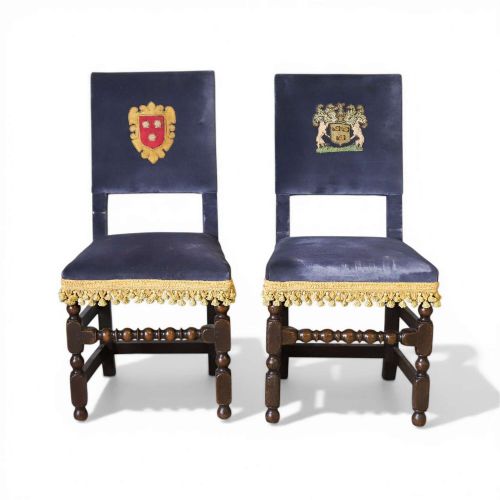
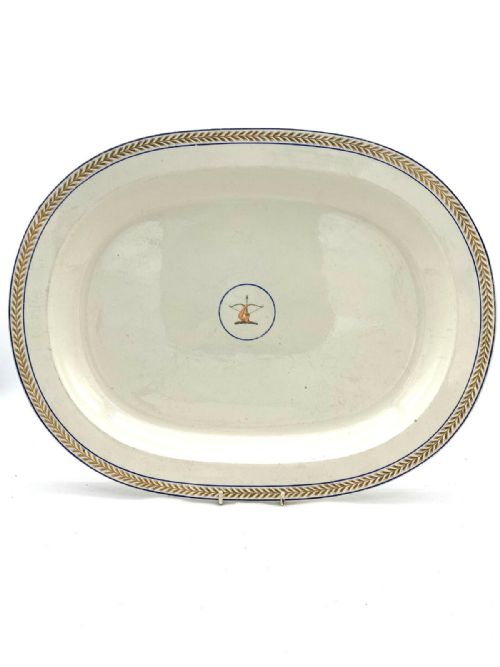
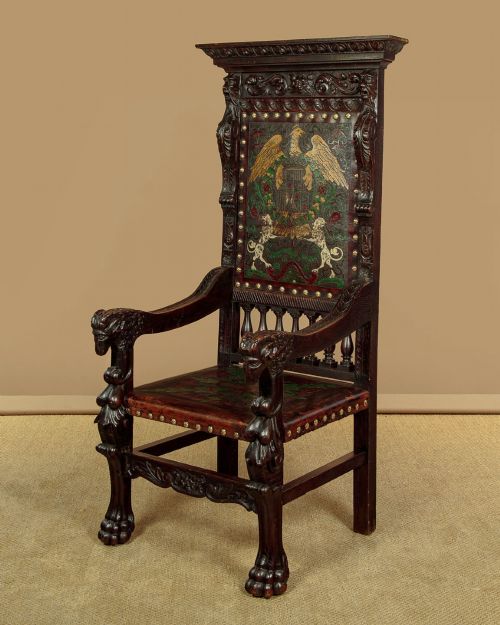
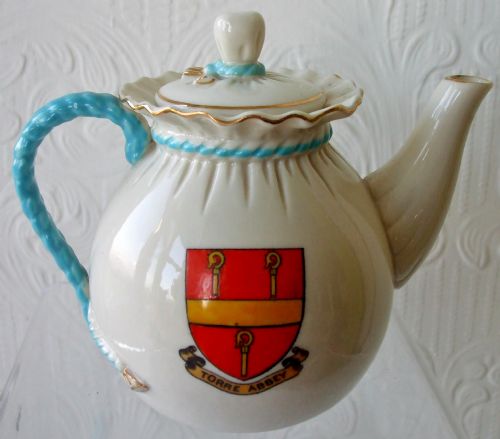
An antique heraldic crest represents a family, institution or governing body through traditional armorial bearings. When searching for this phrase, you will encounter items ranging from carved oak shields and brass wall plaques to porcelain dinner plates and hall chairs.
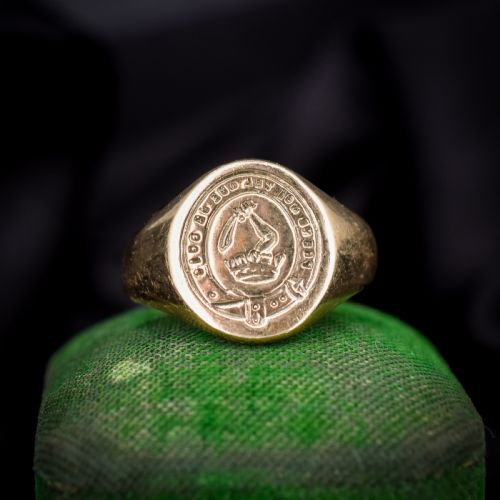
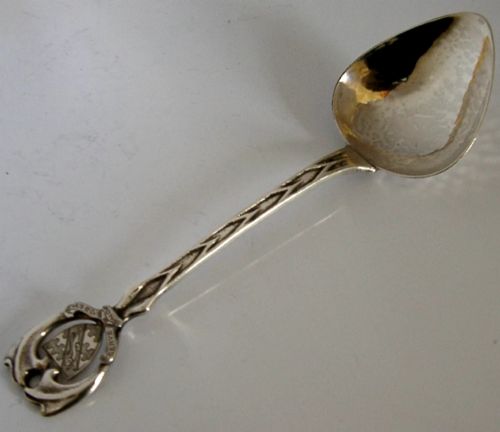
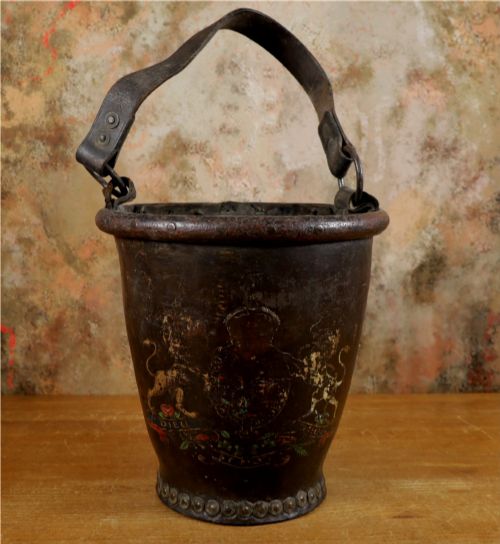
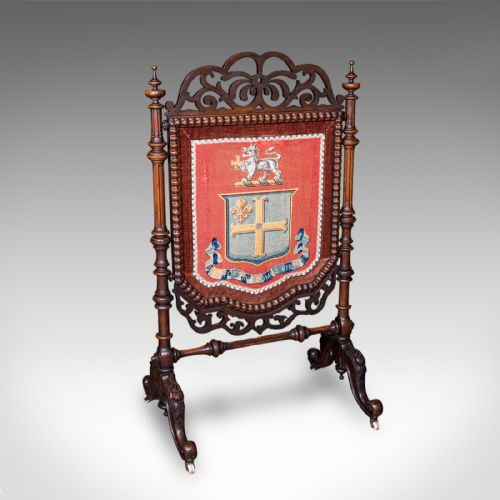
The pieces span several centuries, with a strong representation of Georgian and Victorian items alongside early twentieth-century examples. Functional objects such as fire screens, leather buckets, silver spoons and signet rings also frequently display these familial or corporate marks.
How They Were Made
Ceramic and glass pieces incorporate delicate painting, enamel work and transfer printing to render complex coats of arms accurately. Needlepoint and embroidery techniques bring heraldic motifs to life on fabric panels and fire screen inserts using coloured threads.
Object forms span domestic furnishings, tableware, decorative wall plaques, rings, and embroidered panels.
What Varies in Quality
The standard of execution in the carving or painting of the armorial bearings dictates the overall excellence of the piece. Crisp detailing in cast metal, sharp chisel work on timber shields and fine brushwork on porcelain plates distinguish superior examples.
The integrity of the materials and the survival of original surface finishes, such as gilding, polychrome paint or aged patination on wood and leather, significantly elevate the standing of an item.
Wedgwood·Connell·Loetz Witwe·Wood and Michell·Chamberlain Worcester
The Antique Heraldic Crest Glossary
- Armorial
- Relating to heraldic arms or a coat of arms. These designs appear on ceramics, silver, and carved panels.
- Intaglio
- A design carved into the surface of a gemstone or metal so that an impression can be made in wax. These frequently appear on signet rings and fobs.
- Faience
- Tin-glazed earthenware produced in various European centres, particularly Germany and the Netherlands. Pieces often feature hand-painted heraldic motifs.
- Roemer
- A traditional German drinking glass with a large bowl and a decorated stem. Examples often display enamelled armorial designs.
- Vesta case
- A small pocket container used to hold matches. Victorian and Edwardian versions commonly feature enamel crests.
Antique Heraldic Crest: Frequently Asked Questions
What is a heraldic crest?
A heraldic crest forms part of a larger coat of arms, specifically resting on top of the helmet above the shield. Over time, the term has come to describe family coats of arms and armorial bearings generally.
These symbols were originally used in medieval times to identify knights on the battlefield and later evolved into symbols of lineage, civic identity and institutional pride.
How were armorial items used?
Armorial items served practical daily functions while visibly declaring the status, loyalty or lineage of the owner. Wealthy households displayed carved panels, mirrors and fire buckets bearing their family arms.
Dining rooms featured armorial porcelain plates, platters and jugs for entertaining guests, while hall chairs stamped or carved with crests furnished grand entrances.
How do I identify the family?
Identifying the family involves examining the specific charges, colours and patterns depicted within the shield and crest. Reference books on heraldry help match these distinct visual combinations to recorded lineages.
Many pieces also include Latin mottos, names or specific location references painted or carved alongside the armorial bearings to assist with research.
How do I care for these antiques?
Caring for these items requires protecting delicate surfaces such as old paint, gold leaf and enamel from direct sunlight and excessive moisture. Wooden elements benefit from occasional gentle polishing with appropriate traditional waxes.
Metal objects like brass and silver should be cleaned sparingly to preserve their accumulated historic patination and avoid wearing down fine engraved or embossed details.