

Antique Heavy Crystal Glasses
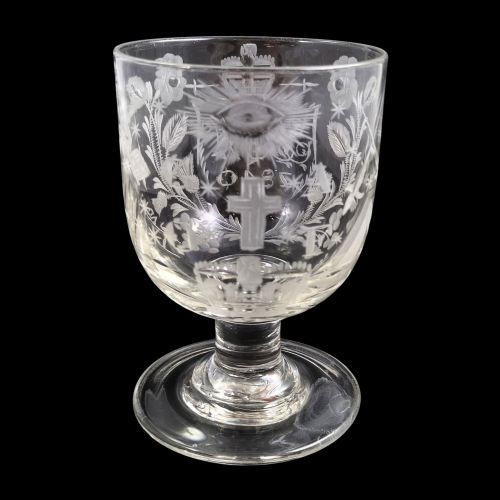
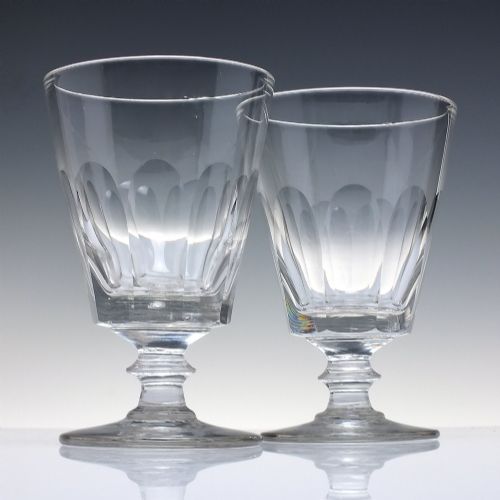
These antique heavy crystal glasses and vessels combine substantial lead weight with precise cutting from the Georgian, Victorian and Edwardian eras.
Antique Heavy Crystal Glasses
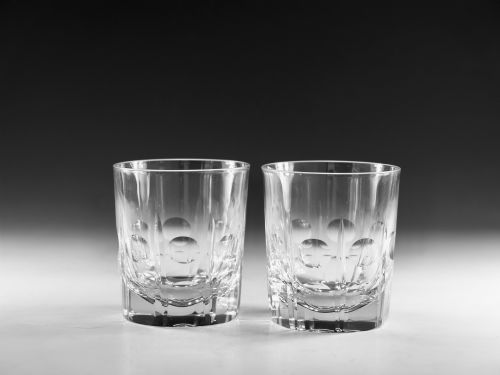
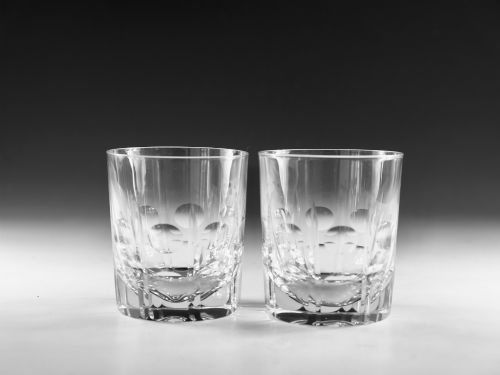
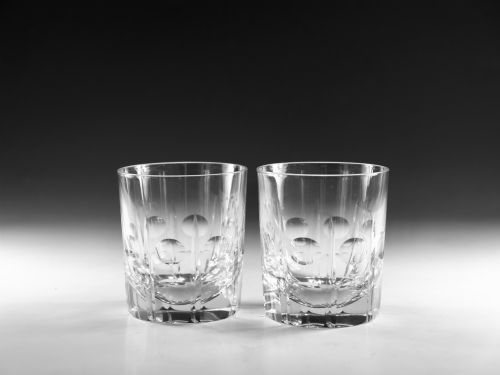
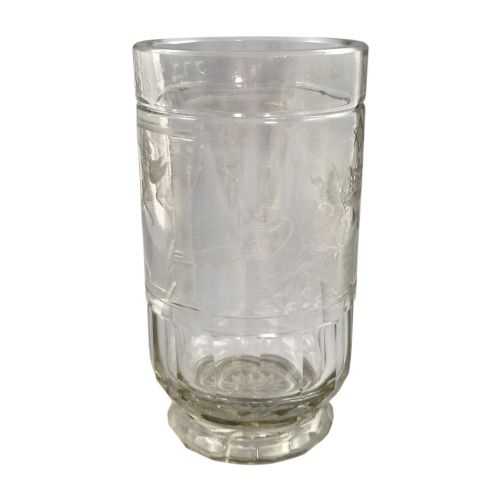
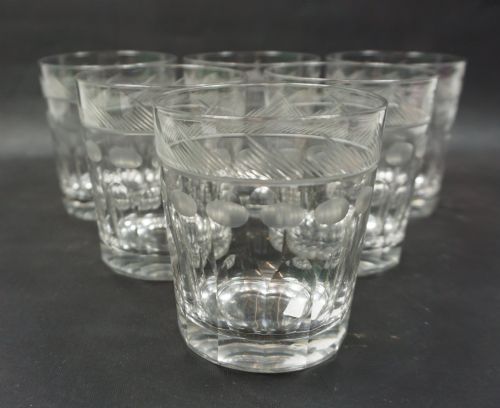
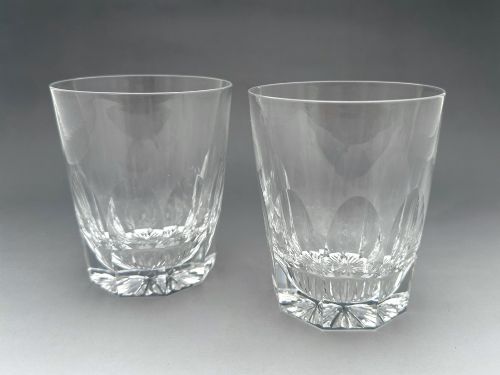
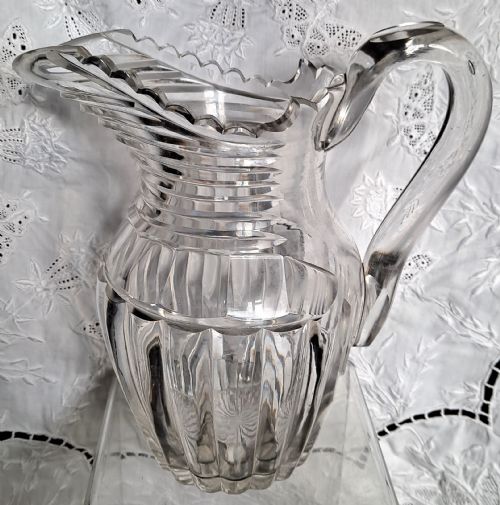
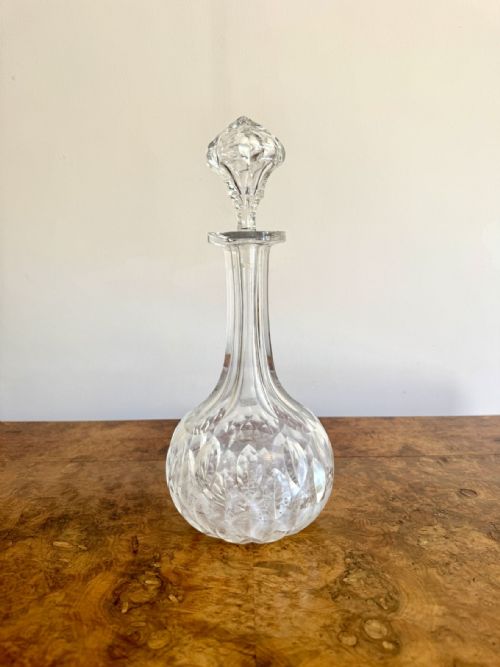
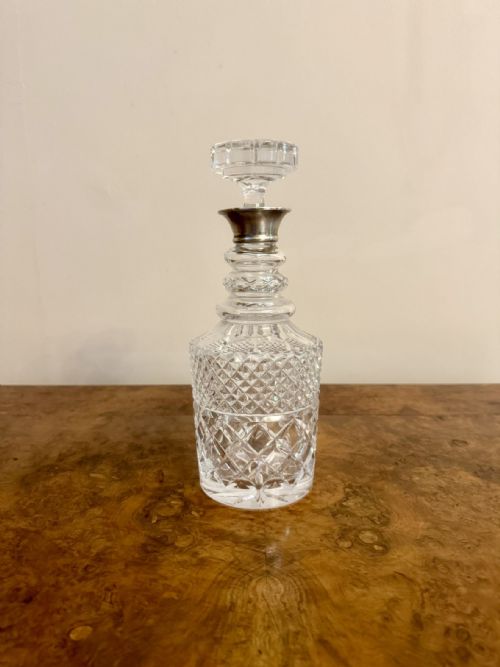
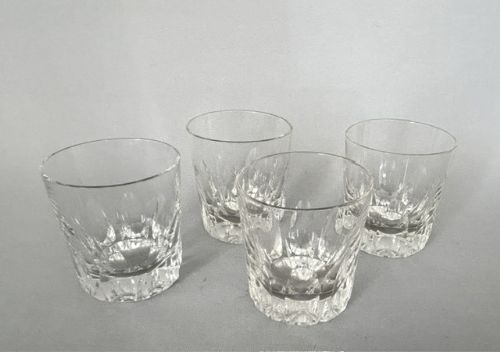
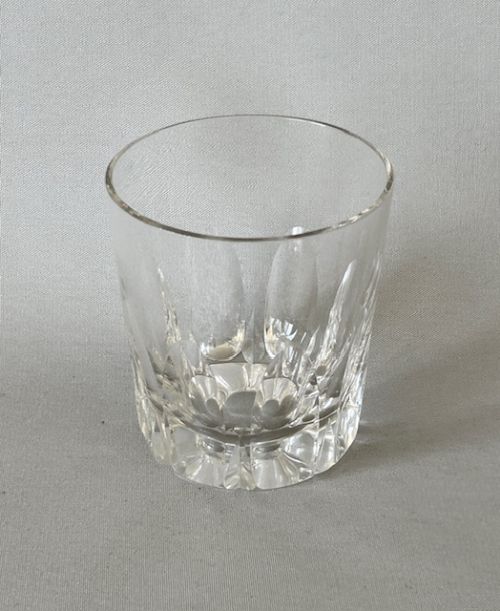
When searching for antique heavy crystal glasses, buyers encounter a diverse range of drinking vessels, decanters, jugs, and table lamps spanning the eighteenth, nineteenth, and early twentieth centuries. The selection includes drinking rummers, whiskey tumblers, dram glasses, and heavy wine goblets alongside functional tableware.
Victorian and Edwardian cut glass tumblers and rummers appear frequently in sets or pairs, often featuring deep hand-cut facets. Alongside drinking vessels, the inventory incorporates Georgian carafes, ship's decanters, and heavy table lamps utilising lead glass and cut crystal.
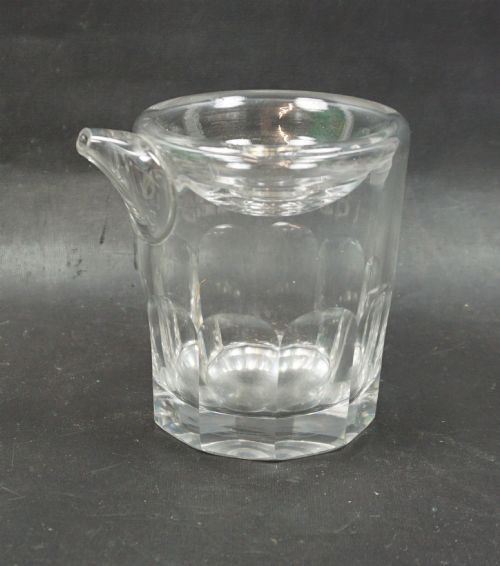
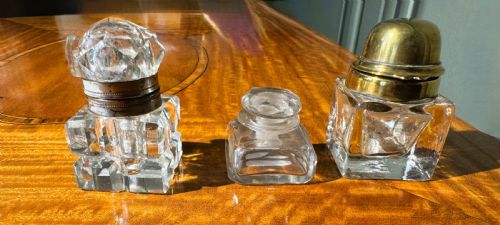
Pieces originate from English, Bohemian, and Belgian workshops, with styles extending from traditional classical and Regency through to Art Deco. Functional objects such as inkwells, vases, and pedestal bowls also form part of the gathered material.
What varies in quality
The degree of clarity and brilliance in the crystal separates standard utility items from exceptional pieces, driven by the purity of the lead content and the absence of internal clouding or bubbles. Superior examples display high refractive power and crisp, sharp edges along the cut facets.
The execution of the hand-cutting determines the refinement of the object, where evenly spaced flutes and deeply engraved details reflect superior craftsmanship. Proportion, balance, and the weight distribution of stems and bases further distinguish the output of skilled workshops.
Listings feature lead crystal and cut glass objects spanning the 18th, 19th, and early 20th centuries, including decanters, rummers, and table lamps.
Charles Graffart for VSL·Joseph Simon for Val St Lambert·Tiffany and Co
The Antique Heavy Crystal Glasses Glossary
- Rummer
- A large drinking glass used for wine or ale, typically featuring a thick stem and a capacious bowl.
- Lead crystal
- Glass containing a significant percentage of lead oxide, which adds weight, brilliance, and softness for easier cutting.
- Prism cut
- A linear cutting technique producing parallel facets that refract light into spectral colours.
- Lemon squeezer base
- A square, moulded glass base with sloping sides resembling a citrus juicer, common on Georgian and Regency vessels.
- Baluster stem
- A thick, swelling glass stem shaped like an architectural baluster, often seen on eighteenth-century drinking glasses.
Antique Heavy Crystal Glasses: Frequently Asked Questions
Are these heavy glasses safe for daily use?
Most antique tumblers and rummers remain structurally robust enough for occasional dining use, provided they are handled with care. Their substantial lead content makes them durable against normal wear.
Fine eighteenth-century drinking vessels or pieces with delicate engraved surfaces are better reserved for display or careful special occasions to prevent accidental chipping.
How can I tell a Georgian glass from a Victorian one?
Georgian drinking vessels often feature pontil marks on the base, distinct stem formations like air twists or balusters, and a heavier, darker metal tone. The cutting tends to be simpler and broader.
Victorian pieces frequently display sharper, deeper machine-influenced facet cutting, brighter metal clarity, and heavier overall proportions across rummers and decanters.
Why do some crystal glasses feel so heavy?
The addition of lead oxide to the molten batch increases the density of the material significantly. This formulation allows artisans to cut deeper facets without compromising the structural integrity of the vessel.
This increased weight gives antique lead crystal its characteristic balance, resonant ring when tapped, and superior light refraction compared to standard soda-lime glass.