



Antique Hearth Metalware
Antique hearth metalware gathers domestic iron, copper and brass utility pieces from the seventeenth to the nineteenth century that brought warmth and function to the home.
Antique Hearth Metalware
When you search for antique hearth metalware, you encounter heavy functional items designed for daily use beside the fireplace or kitchen range. The selection spans the seventeenth, eighteenth and nineteenth centuries, taking in Georgian and Victorian periods alongside regional vernacular pieces.
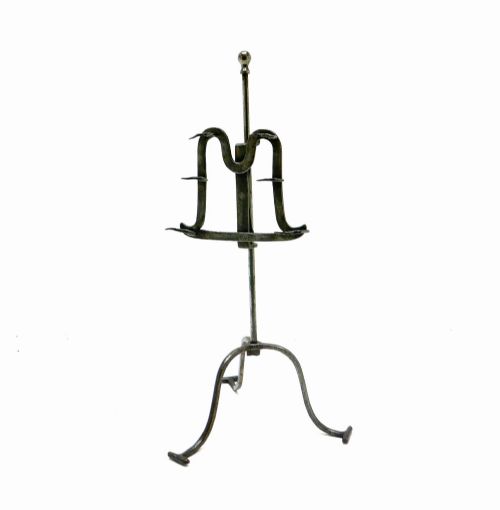
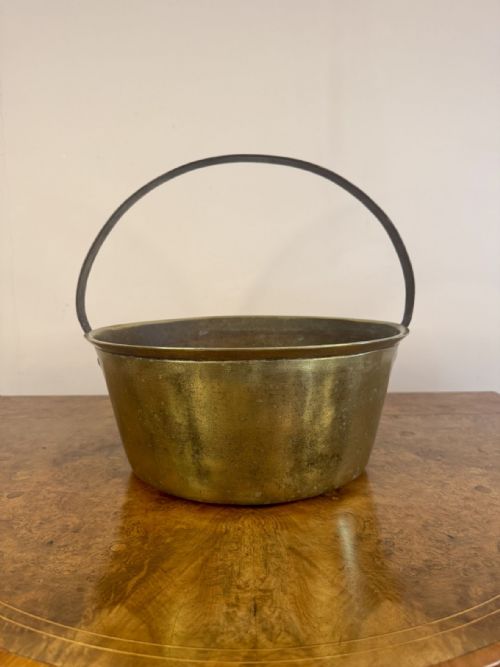
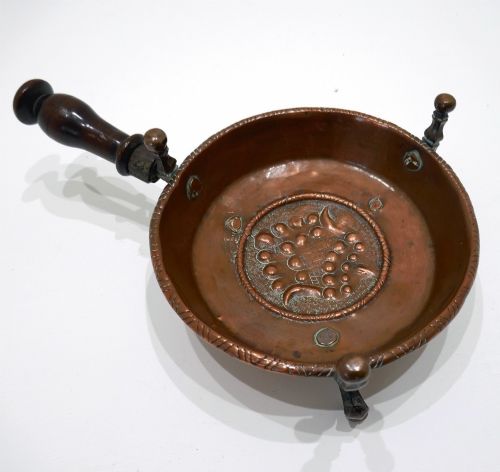
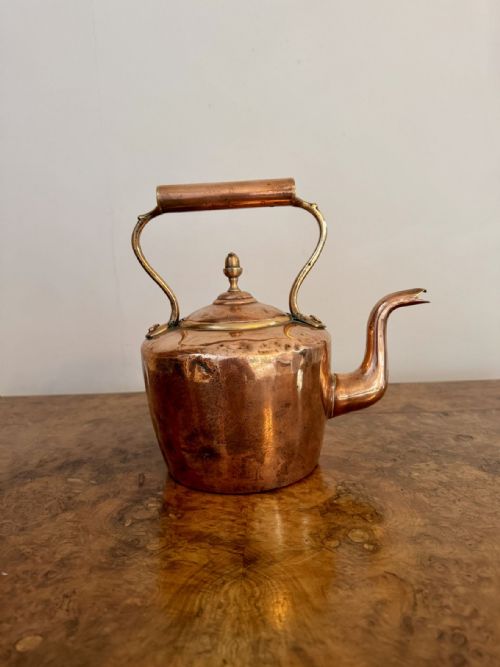
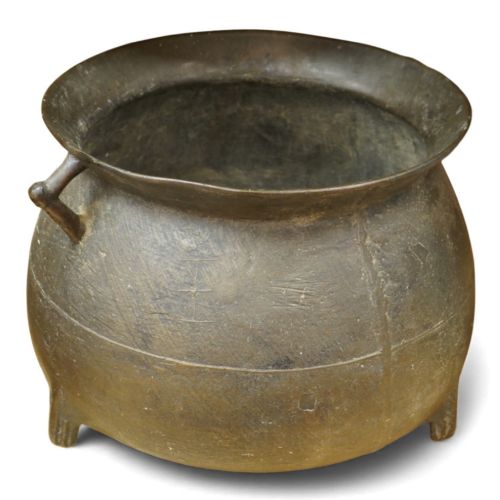
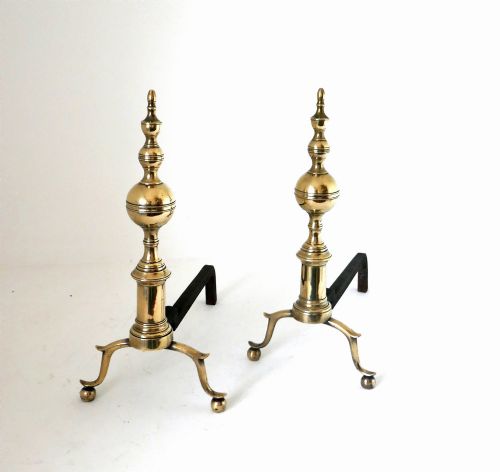
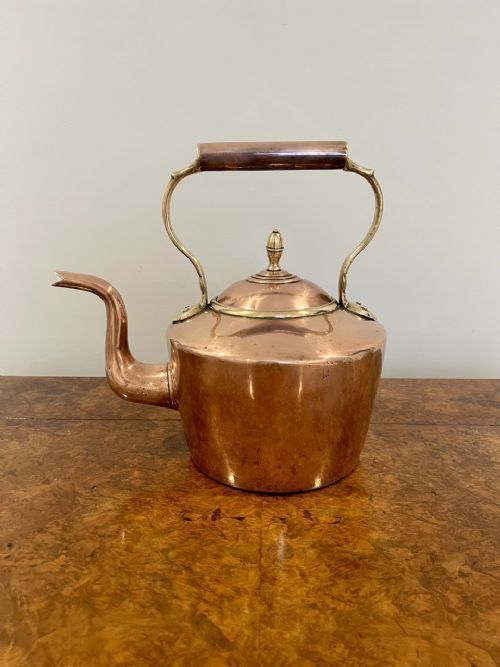
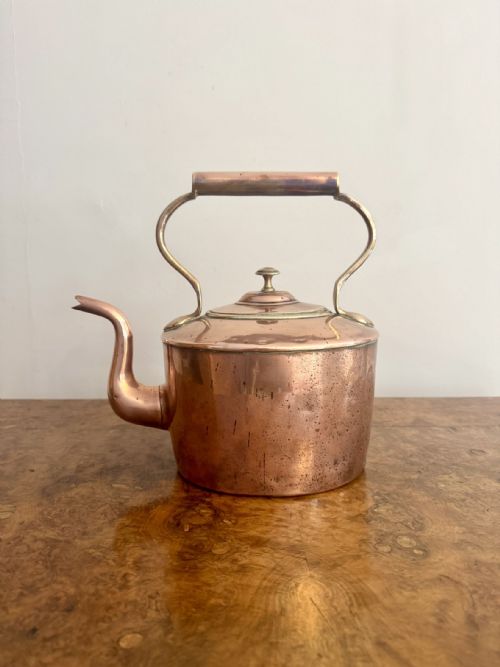
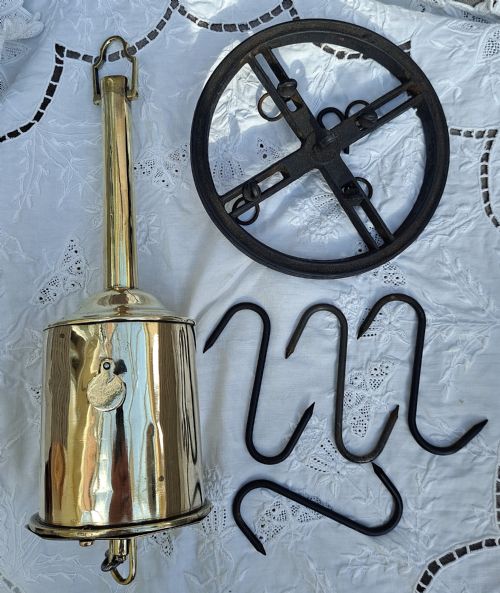
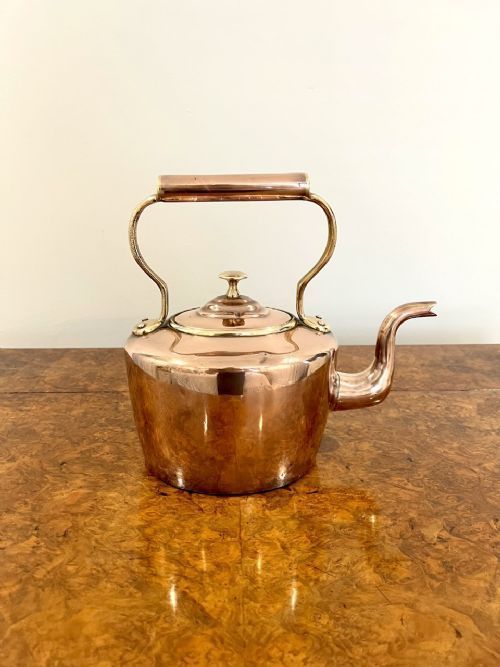
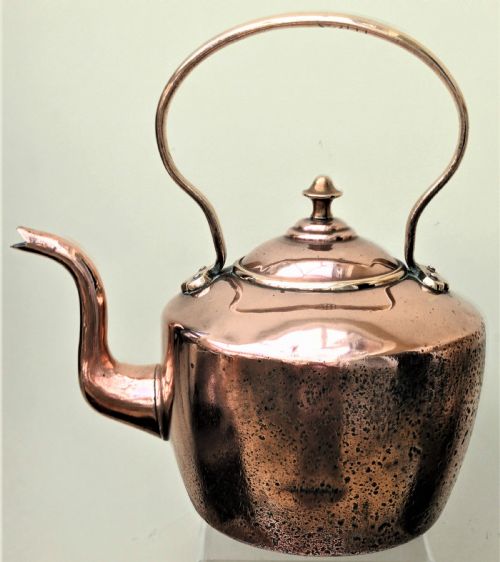
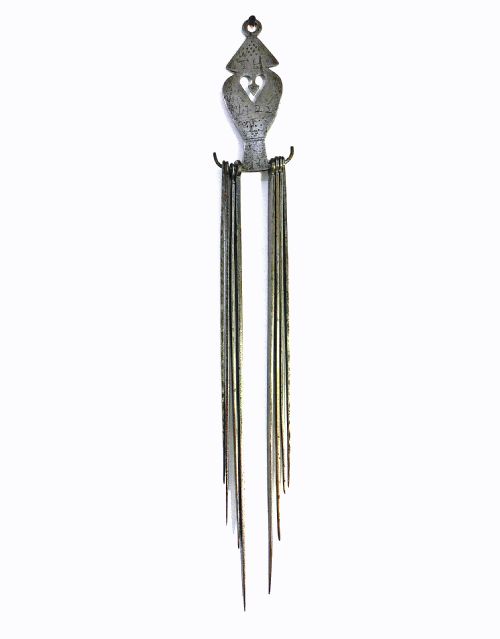
Copper kettles dominate the selection, appearing in various sizes alongside warming pans, coal scuttles, brass ladles and ale mullers. Early examples include leaded bronze cauldrons, iron and brass andirons, and specialised items like meat skewers with holders and spit jacks.
Origins stretch from English workshops to Welsh vernacular pieces and American hearth equipment from New York. These items reflect the practical domestic requirements of historical households before the arrival of modern heating.
Materials and construction
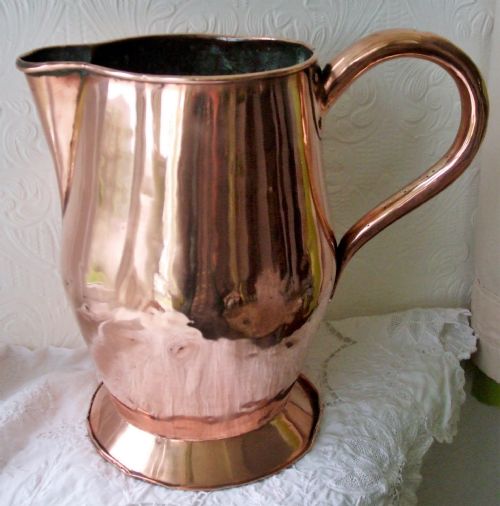
Makers utilised copper, brass, wrought iron, leaded bronze and cast bronze to withstand intense hearth heat. Metalworking techniques relied on hand-beating, casting and joining sheets with rivets or dovetails to form watertight vessels and sturdy structural supports.
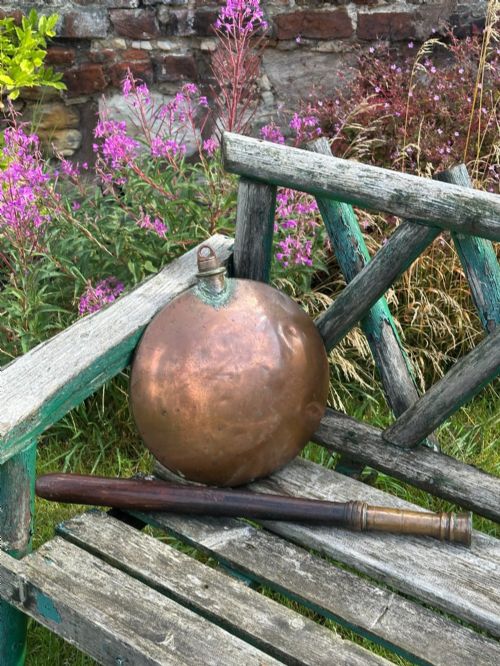
Wooden elements such as oak handles appear on warming flasks and kettles to provide insulation against heat. Surfaces show the marks of early hammer work, hand engraving and polished finishes applied to heavy gauge metals.
Antique Hearth Metalware Retail Price Guide 2026
Typical asking prices for hearth metalware among the pieces listed under this phrase on Sellingantiques today, from the lower quarter to the upper quarter. They describe what is for sale here now, not the wider market.
Listings feature items spanning the seventeenth to the nineteenth century, with George III copper kettles representing the most common form.
Judging quality and integrity
Quality rests upon the weight of the metal, the integrity of the original construction and the preservation of hand-finished details like engraved initials or dovetailed seams. Heavy gauge copper and robust cast bronze indicate high production standards meant for daily domestic service.
Proportion and form separate standard utilitarian pieces from exceptional examples, such as moon-shaped warming flasks with detachable wooden handles or elaborate Welsh iron cranes. Original patination and intact handles or spouts preserve the historical utility of the object.
John Linwood of Birmingham
The Antique Hearth Metalware Glossary
- Andirons
- Iron supports used to hold logs in an open fireplace. They often feature decorative brass or iron terminals facing the room.
- Ale muller
- A vessel with a long handle designed to be thrust into hot coals to warm spiced ale. The wide body holds the liquid while the base absorbs the heat.
- Spit jack
- A mechanical device used to turn meat roasting on a spit before the fire. Clockwork or weight-driven mechanisms automated the rotation.
- Warming pan
- A metal pan with a long handle used to warm bed sheets by holding hot coals. Lidded variants prevented ash from spilling onto textiles.
- Welsh vernacular
- Regional British domestic items made outside major urban centres using local ironworking traditions. These pieces emphasise functional durability and straightforward design.
Antique Hearth Metalware: Frequently Asked Questions
What is antique hearth metalware?
Antique hearth metalware comprises functional domestic utensils and fireplace accessories fashioned from metals like copper, brass, iron and bronze.
These items date from the seventeenth to the nineteenth century and served practical roles in cooking, heating and boiling water before modern amenities.
How were copper kettles used?
Copper kettles sat directly upon hearth coals or trivets to boil water for tea and household washing.
Their heavy gauge construction allowed them to withstand constant exposure to open flames.
How do I date hearth items?
Dating relies on stylistic markers, construction methods like hand-beating or dovetailing, and materials associated with specific periods such as Georgian or Victorian.
Makers' marks or engraved dates also help place an object within the seventeenth, eighteenth or nineteenth century.
How do I clean antique copper?
Most collectors prefer to maintain a warm natural patina rather than polishing pieces to a bright shine.
Gentle washing with mild soap and water removes dust while preserving the historical surface.