

Antique Hat Tree
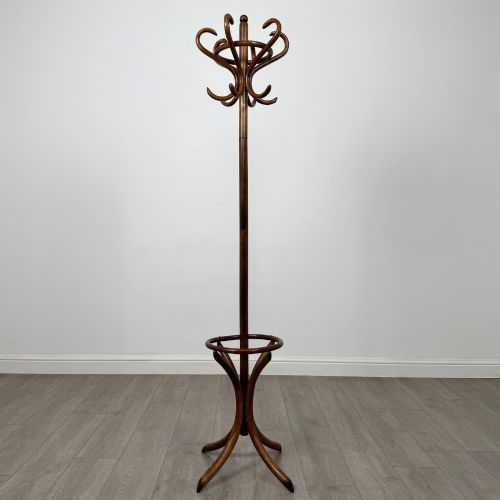
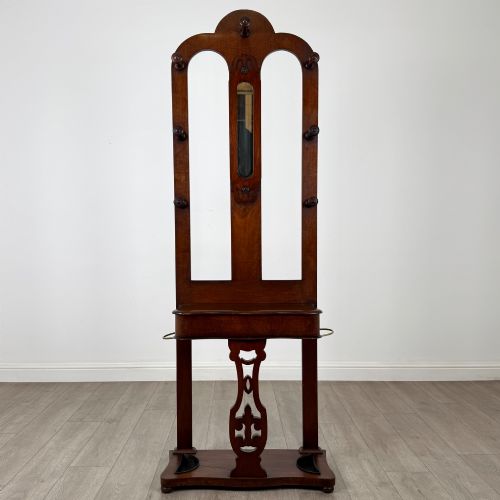
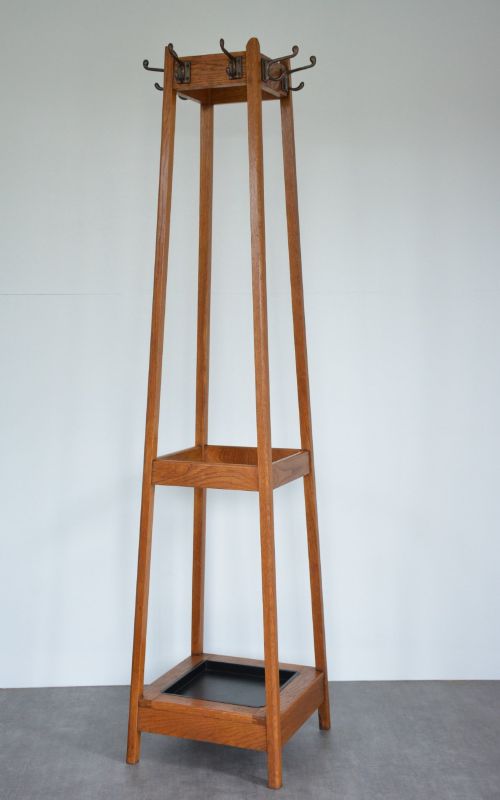
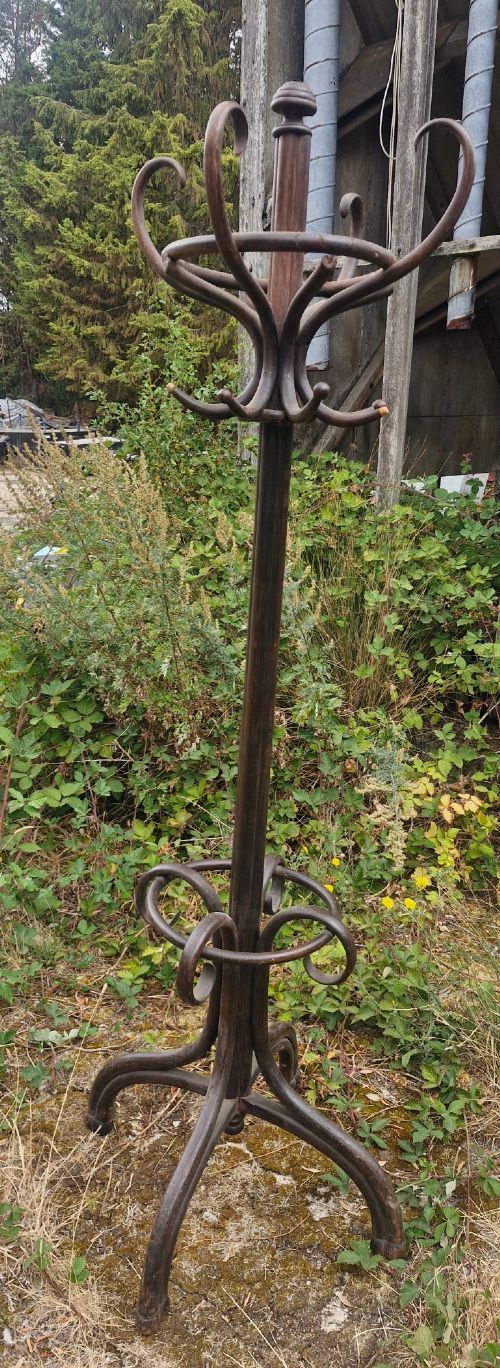
An antique hat tree keeps everyday garments in order, offering a sturdy post for headwear and coats in the entrance hall.
Antique Hat Tree
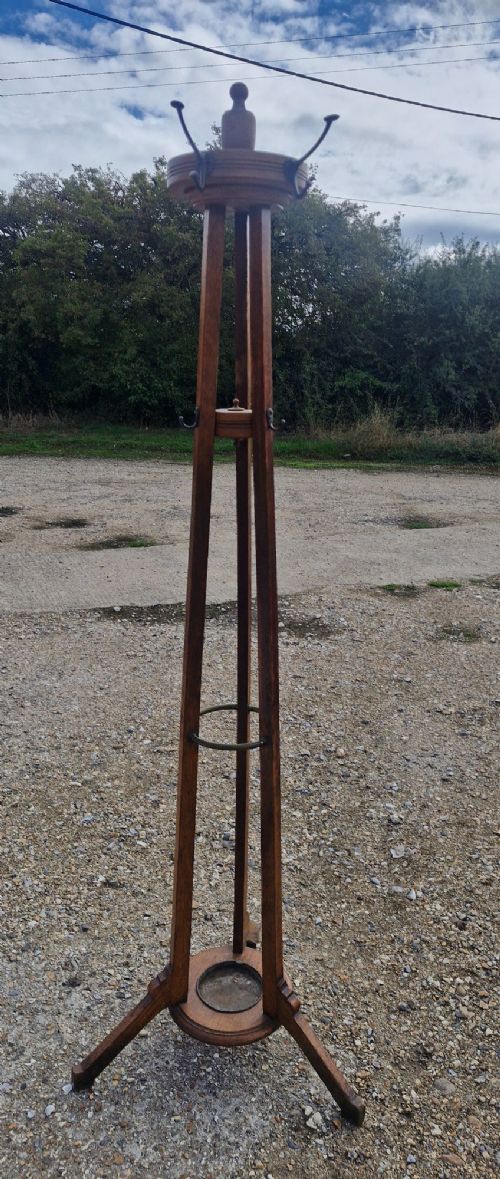
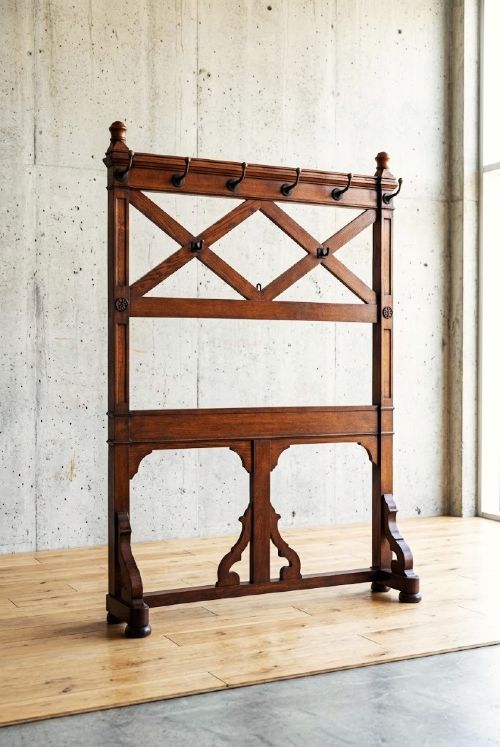
When you search for an antique hat tree, you are looking at practical hallway furniture designed to hold headwear, coats, and umbrellas. The pieces on this page appear primarily as freestanding hall stands, coat stands, and wall-mounted racks originating from the nineteenth and early twentieth centuries.
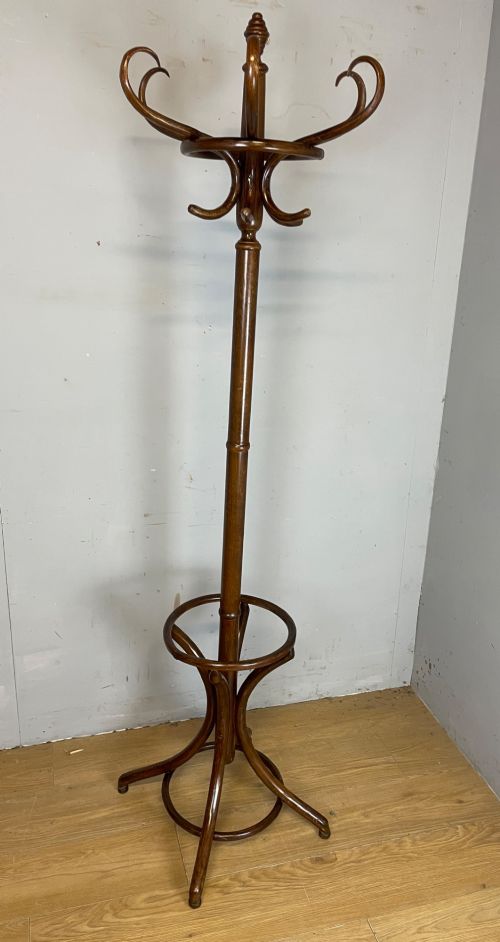
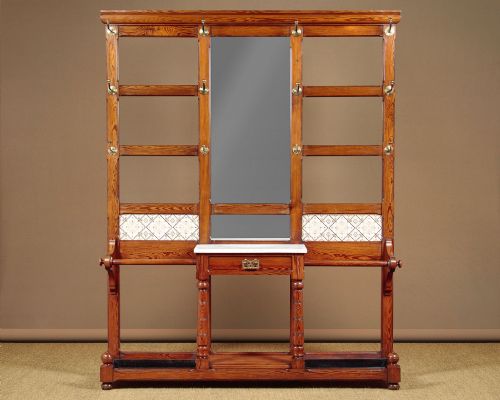
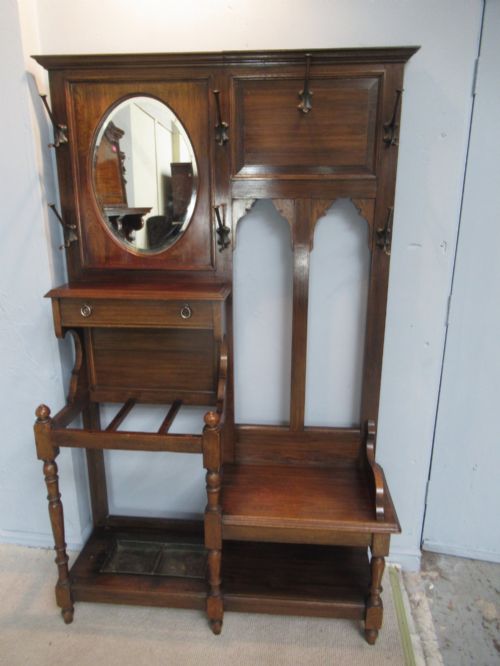
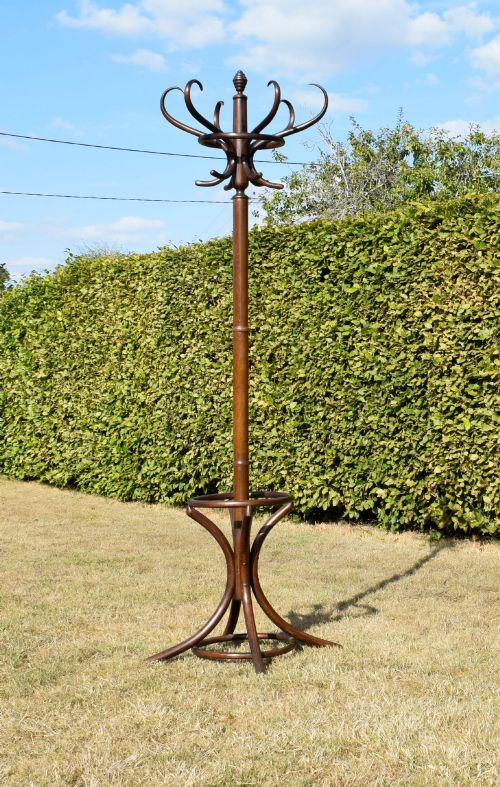
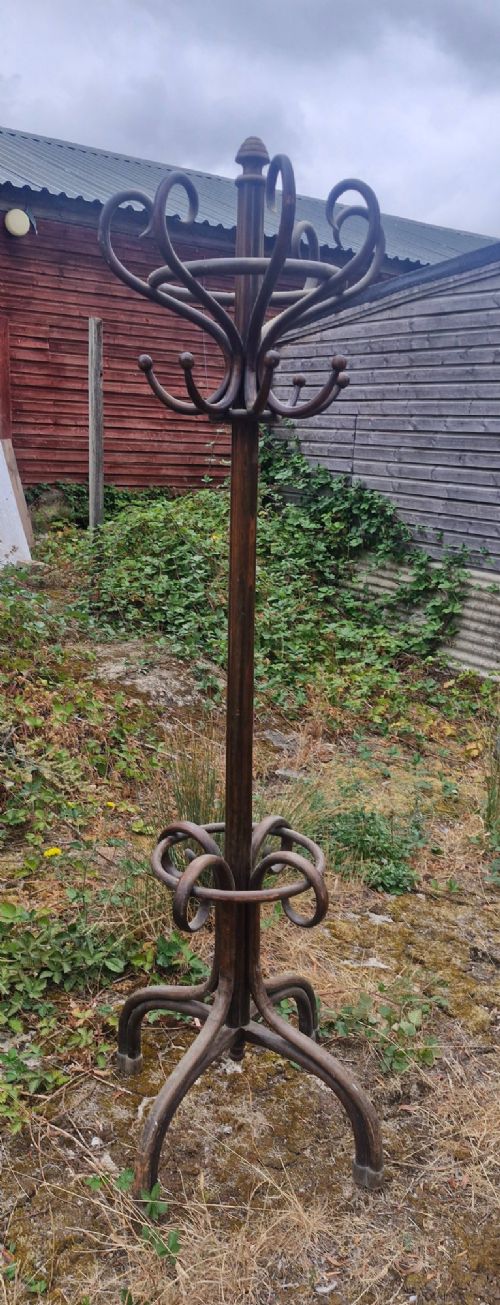
The versions you are most likely to encounter include Victorian and Edwardian examples fashioned from oak, mahogany, and bentwood. Many incorporate umbrella holders with metal drip trays alongside tiered arrangements of wooden or brass hooks for hats and garments.
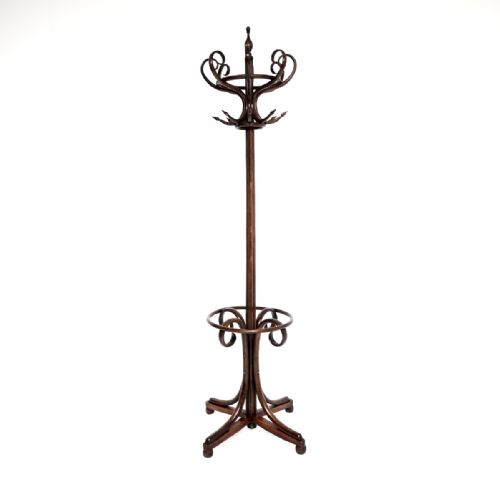
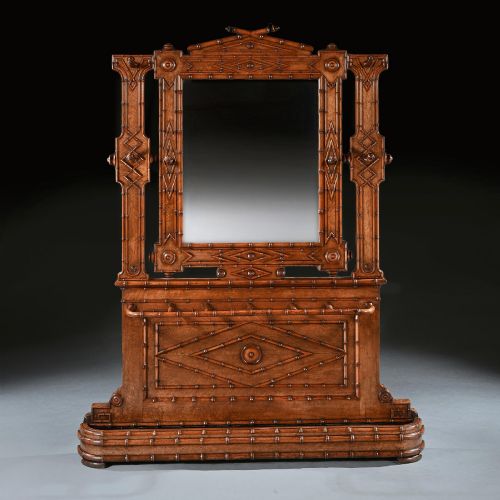
Makers and designers of the period produced both substantial architectural hall stands and slender revolving or half-round bentwood models suited for tighter spaces. Regional variations range from English oak and pine hallstands to French faux bamboo and Austrian bentwood creations.
Materials and construction methods
Makers relied on solid hardwoods such as oak, mahogany, and beech, often utilising steam-bending techniques to curve timber into flowing, organic shapes. Bentwood stands achieve their signature lightweight yet resilient frames through controlled heat and pressure applied to beech rods.
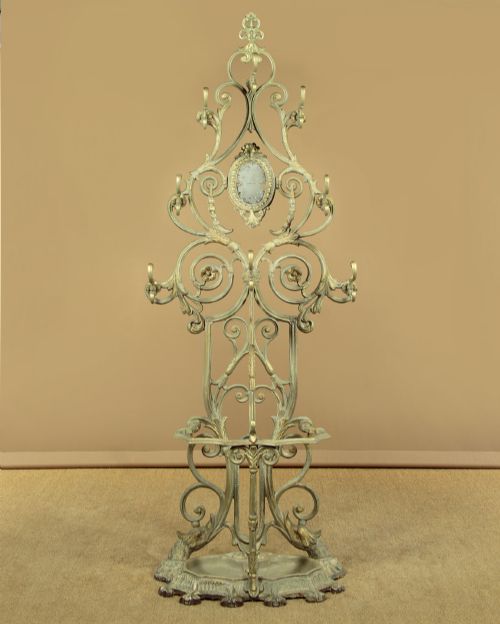
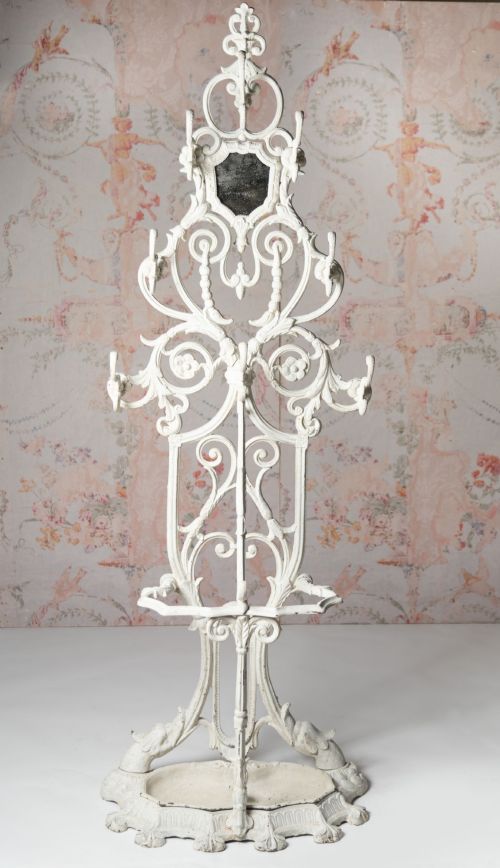
Cast iron and brass appear frequently in structural elements, umbrella rings, and wall-mounted hooks, sometimes finished to mimic natural materials like bamboo during the Aesthetic Movement. Joinery ranges from traditional mortise and tenon frames in heavy oak hallstands to steam-bent assemblies secured with metal hardware.
Object forms range from wall-mounted racks and compact half-round stands to large architectural hall stands complete with umbrella wells.
Factors that distinguish individual pieces
Quality rests upon the integrity of the timber, the complexity of the woodwork, and the retention of original hardware such as brass hooks and drip trays. Pieces that display smooth steam-bent curves without stress fractures demonstrate superior craftsmanship in the workshop.
The balance between decorative ambition and structural stability separates standard utility items from finer examples. Elaborate carvings, applied mouldings, and integrated mirror frames or revolving sections elevate certain hall stands above simpler utilitarian coat racks.
The Antique Hat Tree Glossary
- Bentwood
- Furniture formed by steaming strips of wood and bending them into curved shapes. This technique produced lightweight, durable coat stands popular in the late nineteenth and early twentieth centuries.
- Hall Stand
- A piece of hallway furniture combining coat hooks, a hat rack, and frequently a mirror, umbrella wells, and a drip tray. These items greeted visitors upon entry to a home.
- Faux Bamboo
- Wood turned or carved to imitate the segmented stems of natural bamboo. This decorative treatment was favoured during the Aesthetic Movement and late Victorian periods.
- Demi Lune
- A half-moon shape used for hall stands designed to sit flat against a wall. This profile allowed large coat trees to occupy narrow hallways without obstructing passage.
- Treen
- Small handmade wooden household objects. Collectors use this term for turned wooden items distinct from larger architectural furniture.
Antique Hat Tree: Frequently Asked Questions
How do I place an antique hat tree in a modern hallway?
Position freestanding bentwood or oak coat stands where they receive adequate clearance on all sides, allowing hats and coats to hang without crowding the walkway. Wall-mounted racks work well in compact spaces where floor area is limited.
Ensure heavy items are distributed evenly across the upper hooks to maintain balance. Pairing the stand with a matching tray or mat underneath catches residual moisture from umbrellas.
How can I date an antique hat stand?
Dating relies on identifying period styles, materials, and manufacturing techniques present in the construction. Victorian pieces often display heavier carved oak or mahogany, while Edwardian and later examples lean towards lighter oak or steam-bent beech.
Design movements such as Arts and Crafts, Art Nouveau, or Aesthetic Period Japonisme provide further chronological markers within the nineteenth and twentieth centuries.
Are bentwood hat stands stable enough for daily use?
Steam-bent beech frames are surprisingly resilient and engineered to support the weight of multiple coats and hats when placed on a flat surface. Their flexible nature absorbs everyday stress quite effectively.
Distributed loading prevents tipping, and checking that the central fastening bolts remain secure keeps the structure steady over time.